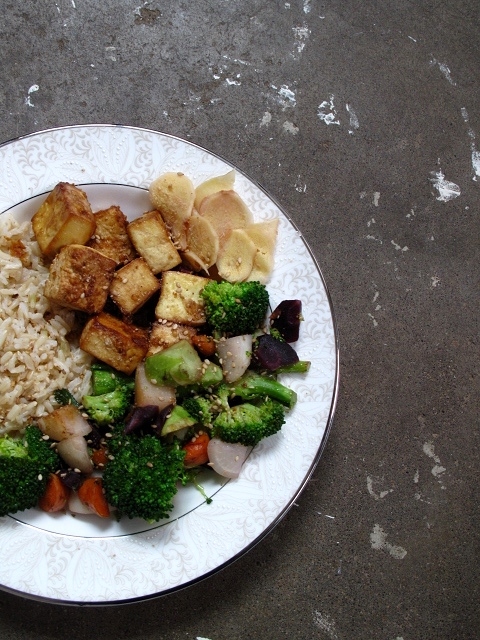
sesame garlic tofu + rice bowl with pickled ginger

sesame garlic tofu + rice bowl with pickled ginger

img_1204

William and I met up with a friend for dinner a few weeks back in the middle of our travels home after Christmas. He and I have been together for seven plus years now and that dinner happened to be the first (and so far only) time we’ve ever ordered exactly the same thing at a meal out.

I just about hyperventilated as he ordered the exact same sesame garlic tofu bowl with pickled ginger and seasonal vegetables. To make a quick summary of what I’ve been learning from observing William’s eating patterns throughout the years, behavior and food preferences change. For most of us, it definitely doesn’t happen overnight. This meal is an example of that. When we met, there was no way William was going to pick a tofu and vegetable bowl off an ample and varied menu, but he would have picked something with Asian flavors.
img_1173

This recipe is my contribution to The Recipe Redux theme for this month, to create and share a budget-friendly meal. I’ve spoken about my experiences with creating meals out of resourcefulness in the past and so I won’t go into specifics again here. I tend to think I eat budget meals most days but that is also a matter of perspective, since the majority of our at-home food spending goes to fruit, and during the winter season, vegetables from local farms. I also have access to several co-ops/natural food stores where I can source nearly all my ingredients save produce in bulk–including the sesame oil, tamari, rice, and vinegar featured here. I know this is not an option for many, but if there are two tips I can share, purchase from the bulk bins when you can and be resourceful; think of recipes as a template and be courageous enough to make substitutions depending on what’s on hand.
img_1170

Since we’re talking budget meals, below are a handful of recipes I’ve created over the years that are also friendly for frugal eating in this winter season:

Beans + Rice with Turmeric Special Sauce
Mejadra with Swiss Chard + Tahini
Polenta with Lemon-Garlic Raab + Chickpeas
All-the-Greens Interchangeable Pesto
Black Bean + Corn Chilaquiles
Black Bean + Vegetable Grain Bowl
img_1180

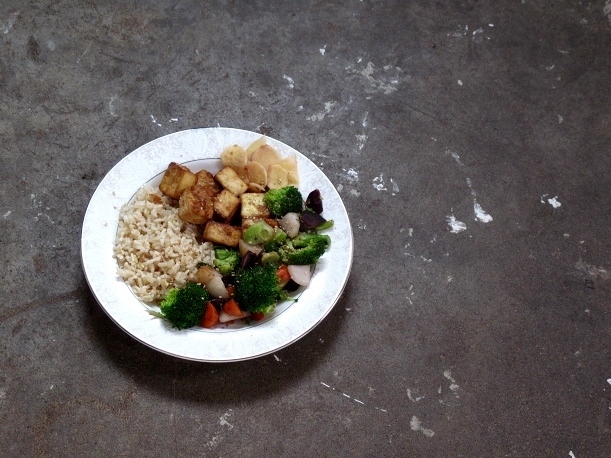
Sesame Garlic Tofu + Rice Bowl with Pickled Ginger and Gomasio, serves 4
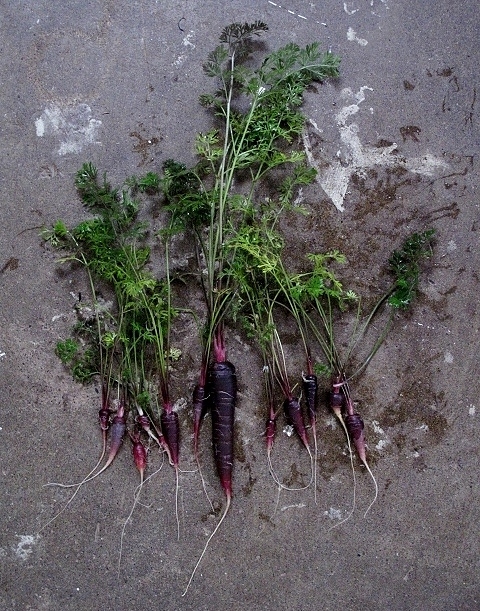
You’ll notice this is a meal of many components. I said it’s budget-friendly but I didn’t say it is super quick! :)  You can purchase the pickled ginger and gomasio rather than make them, or even leave them out, to simplify and speed things up. If you do choose to make them, the pickled ginger will need to be made ahead so it can “pickle” for a couple days. Both it and the gomasio make big batches for many future uses. Also, definitely use any vegetables of choice. I went out to harvest the last of my carrots (the vibrant purple ones!) and found a couple little salad turnips remaining so I tossed those in the mix as well. 

Sesame Garlic Tofu
1 16-oz. package firm tofu
2 cloves garlic, minced
2-inch piece of fresh ginger, peeled and grated
1 1/2 Tbs. toasted sesame oil
1 1/2 Tbs. apple cider or brown rice vinegar
1 1/2 Tbs. reduced sodium tamari

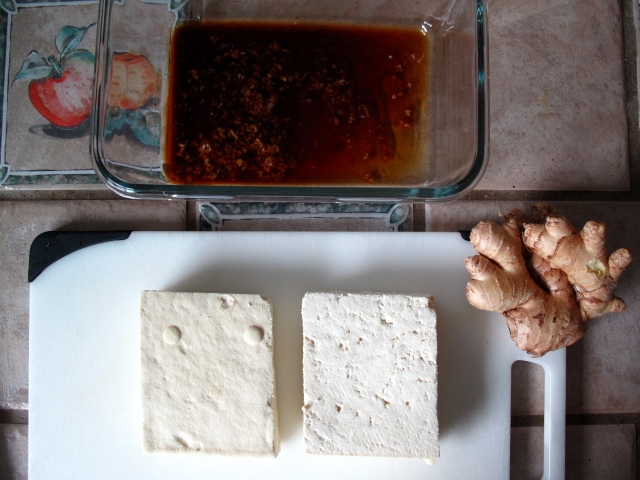
  • Begin by cutting the tofu in half through it’s width, so you have two rectangles. Then wrap in paper towel and press between two cutting boards for at least 30 minutes. Remove the towels, and cut into pieces.
  • Stir together the remaining ingredients in a large container with a lid and add the pressed tofu. Stir or close the lid and shake briefly. Then, allow the tofu to marinate in the fridge for at least 30 minutes or longer.
  • Preheat the oven to 400 degrees F and line a baking pan with parchment paper.
  • When the tofu is ready to be baked, remove it from its container onto the parchment. Reserve the marinade because you’ll use it for the vegetables.
  • Bake for 30 minutes or until the edges are beginning to get nice and crispy, turning halfway through.

Pickled Ginger, makes 1 small jar
1 large hand fresh ginger
2 tsp. sea salt
1/4 cup apple cider or rice vinegar
1/2 cup water

  • Peel the ginger and thinly slice with a sharp knife or on a mandolin.
  • Then combine the ginger and salt in a small bowl and set aside for 30 minutes.
  • Add the ginger to a small jar and pack it tightly.
  • Make the pickling brine by combining the vinegar and water and then pour it over the ginger, filling the jar to within 1/2 inch of the top.
  • Gently tap the jar against the counter a few times to remove all the air bubbles, then seal it tightly.
  • Let the jar cool to room temperature and then store the pickles in the refrigerator; they will improve their flavor as they age — try to wait at least 48 hours before cracking them open.
  • They can be stored in the refrigerator for up to two months.

Gomasio
1 cup sesame seeds
2 tsp. sea salt

  • Toast the sesame seeds in a dry skillet over medium heat until lightly browned. Set aside to cool and toss with 1 teaspoon of the salt.
  • Put 1/3 cup of the seeds into a food processor and process until broken down into a powder. Remove and put into a jar or other container, add the remaining whole seeds and remaining salt and mix together.
  • Use by the spoonful to top finished dishes and store the extra in the fridge. It will keep for many weeks!

Other bowl components
4 cups cooked long-grain or basmati brown rice
4-6 cups seasonal vegetables of choice, diced (I chose carrots, broccoli, and turnips)

To bring the bowl together:

  • When the tofu and rice are nearly done, add the diced vegetables to a steamer basket in a large pan filled with water. Steam until they’re nearly soft but still have a little bit of a bite.
  • Then, remove the steamer basket, drain the water from the pan, and add in the reserved tofu marinade, along with a little extra sesame oil, if needed. Turn the pan up to medium-high and sear-sauté the vegetables in the marinade until just done.
  • For each bowl, arrange cooked rice, tofu, vegetables along with the pickled ginger, and top with the gomasio.

recipe-redux-linky-logo

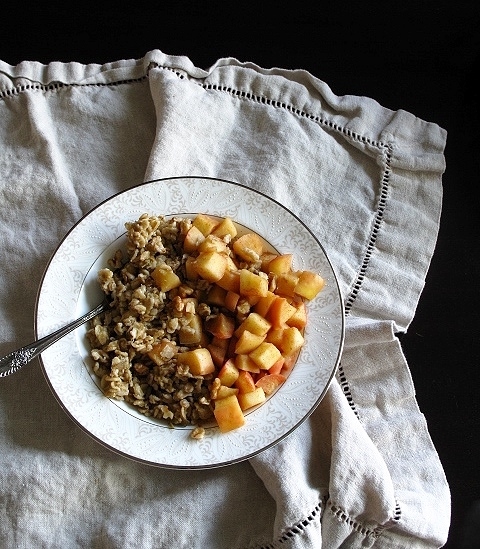
toasted oat porridge with chamomile, walnuts + spiced apples

toasted oat porridge with chamomile, walnuts + spiced apples

img_1092

Everything is connected here…the soil feeds the plants that feed us. We are merely the walking, talking result of that connection.
– Lora Lea Misterly


I tend to share the same old stories here, I’m sure, but one of the big turning points in my relationship with food was marked by my visit to Quillasascut Farm School back in 2009. The week of cooking, harvesting, and gathering with like-minded young folk was put on as part of a Slow Food Youth workshop. I was the only “experienced” farm girl among the participants, and I was chosen in part because I come from a conventional agriculture background while the teachings and discussions were in line with Slow Food’s philosophy of food that is good, clean, and fair. At the time, I had just wrapped up spending 18 days straight working wheat harvest which entailed driving a combine for 12 hours a day across soil that was essentially devoid of life–save that wheat. The experience was a good one and I worked for a great family but I was beginning to put the pieces of our food and health systems together.


img_1105


I don’t think the week at Quillasascut changed any of my viewpoints on food necessarily, but through it I was able to move away from hyper-focusing on what any one food was doing to me individually and instead look at it from a broader lens, taking into consideration the communal and ecological connections to what I was eating. I was able to move away from thinking of myself as just an eater and realized I play a vital part in this connection within our vast food system. When I began to take into consideration and participate in more of the story behind my food, where did it grow, in what conditions, by who, were the people that grew it compensated fairly?, what role do I play?, I stopped worrying so much about the things that do not matter, i.e. exactly how many calories are in my meals, how I can control my body, etc., and just eat with joy, mindfully. To be sure, I’ve had a volatile last few years in terms of my relationship to food and body image, but each time I begin to overthink and hyper analyze, I’m usually brought back into better relationship by refocusing on the communal and broader connection aspects of eating.


img_1054


This month, The Recipe Redux challenged us to pull out one of our cookbooks and share a reduxed recipe. In similar, past challenges, I have shared recipes from my favorite blogger family. This year, I instead pulled down Quillasascut’s cookbook, Chefs on the Farm. 

The book is beautiful, and though many of the recipes bring back warm memories since they are ones myself and the workshop participants made there with chef Karen Jurgensen, the book contains much more than recipes. Each season is marked with a reflection by farmer Lora Lea or her husband Rick about life on the farm as well as knowledge of sustainability practices that can be incorporated, no matter the location, or lack of farm.


img_1049


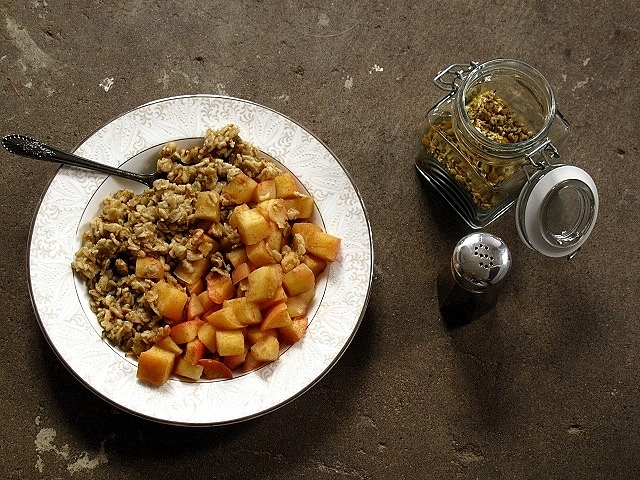
Today’s recipe is adapted from a chamomile porridge in the Winter section of Chefs on the Farm. Both chamomile and oats have relaxing properties that soothe the nerves and set us up for a more grounded day. Chamomile is also useful for soothing an anxious, hyped-up, or perhaps overworked stomach and digestive system, which may be needed this time of year. Along with omega-3 rich toasted walnuts, the oats and chamomile combine to make a truly delightful and nourishing breakfast option during this holiday season. Enjoy the combination on its own, or if you’ve the mind, make a quick spiced apple compote to serve alongside. If unable to track down bulk chamomile, break open a packet of tea. Enjoy!


Toasted Oat Porridge with Chamomile, Walnuts + Spiced Apples, serves 1
1/2 cup old-fashioned or thick rolled oats, gluten free if necessary
1 cup water
1 Tbs. dried chamomile flowers
dash of sea salt
1 small apple, diced
dash of cinnamon and ginger
1-2 Tbs. walnuts, toasted and roughly chopped

  • Toast the oats in a skillet over medium-high heat, just until they become fragrant. This step is optional but it will lead to a richer, toasty oat flavor.
  • Then, in a small saucepan, bring 1 cup water to a boil and add in the toasted oats, chamomile, and a dash of sea salt. Cook for 5-10 minutes, depending on the cut of your oats and desired consistency.
  • While the oats are cooking, combine the diced apple, spices, and a splash of water in a small saucepan. Bring them to a good simmer and cook just long enough for the apple to soften and the liquid to form a slight syrup.
  • Remove the oats to a bowl, pour over the spiced apples, and top with toasted and chopped walnuts.

recipe-redux-linky-logo

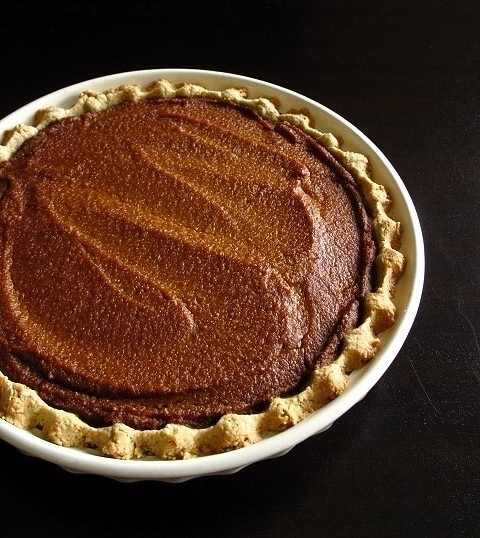
Pumpkin Pie + Holiday Thoughts

Pumpkin Pie + Holiday Thoughts

img_0915


The Recipe Redux theme for November is healthy holiday baking. If you’re new to this space, The Recipe Redux is a monthly recipe challenge, founded by three registered dietitians, which I participate in. The challenges are always focused on taking delicious dishes, keeping them delicious, but making them better for us.


image


In light of this season, I’ve been doing a bit of reflection on where I stand in the interchange between decadent holiday foods and how I eat from day to day. Should I splurge and not worry about some of those really not healthy ingredients because it is the holidays, or should I try to capture the essence of health in enjoyable foods because it is the holidays –and we all tend to overeat and regret it later?

Additionally, as a result of all that I’ve been learning of health and nutrition and where I stand right now in aiming to maintain a healthy relationship with food, I’ve been returning to passages from Annemarie Colbin’s Food and Healing: 

With all the recent emphasis on “healthy” eating, it is important to remember one thing: Food does not make us healthy. The right kind of food will allow us to reach our maximum health potential, to become as healthy as our genes and constitution may permit. It will support what we are at our best. It will not interfere with our development, but it will also not make us more than what we can be. In short, good food is effective because it is passive. The wrong kind of food will act like a block or a dam, deflecting our growth and thwarting our unfolding. In other words, it will actively create trouble, and make us unhealthy…Good food will nourish us without causing stress, and thus allow our immune system to spend its energy in healing. Thus many different diets will have healing effects. Often it is not just what we eat, but also what we don’t eat that helps us become healthy again. 

So my theory right now? Stressing about eating the right kinds of food is not healthful. But neither is eating foods that overtax and/or stress our bodies, foods like highly refined sugars, refined flours/grains, and rancid oils, to name a few. Sure, they’re fine in small quantities infrequently. For the most part however, they’re best avoided, even (and maybe especially) during the holidays. Aren’t we all a little too stressed in this season? Don’t we deserve to feed ourselves and our loved ones foods that have healing qualities?


img_0923

img_0886


My advice is to do what you can with what you have. But maybe as you venture into this holiday season, do so a little more mindfully, thinking to yourself, How do I want my body to feel after eating? What foods will nourish me best? 


img_0875


Pumpkin Pie, makes one 9-inch pie
Truthfully, I never liked pumpkin pie until I stopped eating dairy and enjoyed a vegan version of the classic. The creamy custard base always turned me off. Now I love pumpkin pie and count it as one of my favorite flavors. While there are innumerable versions swirling about this time of year, this is the one I make and enjoy. It is adapted from Gena Hamshaw’s pie in
Food52 Vegan and while I enjoy her version, I’ve changed it a bit so dates are the primary sweetener and, in my years-long quest to find a good gluten-free and vegan pie crust with no coconut oil (which I cannot stand in fat-heavy pastry doughs), I’ve finally come to a closer-to-whole-foods crust that tastes like what I think a pie crust should. It gets extra points for not needing to be rolled, chilled, or being difficult to work with. Enjoy!

filling:
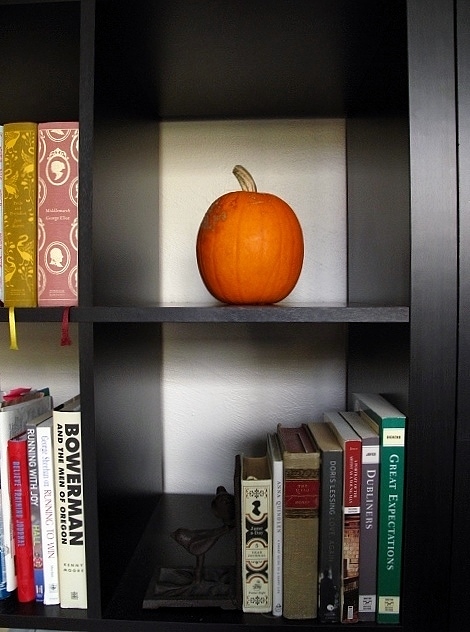
2 1/2 cups baked + pureed pumpkin or winter squash, or canned puree
1 cup cashews, soaked for at least 4 hours
1 cup medjool dates (about 10)
2 tsp. pure vanilla extract
1/4 tsp. sea salt
2 Tbs. tapioca starch
2 Tbs. blackstrap molasses
1 tsp. cinnamon
1/2 tsp. ginger
1/4 tsp. nutmeg
a couple good pinches of cloves

crust:
1 cup rolled oats
1/4  cup + 2 Tbs. almond meal/flour
3/4 cup millet flour
pinch of sea salt
4 1/2 Tbs. good quality canola oil
3 Tbs. maple syrup
3/4 tsp. vanilla

  • Begin by baking the pumpkin or squash, if using, and soaking the cashews in water a few hours ahead of time.
  • Then, soak the dates in warm water for about an hour to soften up. Once the dates have soaked, keep 1/2 cup of their soaking liquid and put in a food processor along with the pitted dates, vanilla, and salt. Puree until completely smooth.
  • Into the food processor with the date puree, add the soaked and drained cashews, starch, molasses, and spices. Puree again, until completely smooth. Then add the pumpkin and puree once again until completely mixed. Then set aside to make the crust.
  • At this point, preheat the oven to 350 degrees F.
  • Finely grind the oats into a flour using either a food processor or coffee grinder.
  • Then, in a mixing bowl, whisk together the oats, almond and millet flours and salt.
  • In a liquid measuring cup, stir together the oil, maple syrup and vanilla. Then pour the liquids over the dry ingredients and mix together with a fork until the dough is evenly moistened.
  • Dump the entire mixture into a 9-inch pie pan, and with your fingers, spread the dough across the bottom and up the sides. A flat-bottomed measuring cup, glass, or mini rolling pin helps smooth the bottom.
  • Crimp the edges, and then fill the crust with the pumpkin mixture.
  • Bake for 35-40 minutes, until the filling is a golden brown.
  • Remove from the oven and let cool completely before serving.