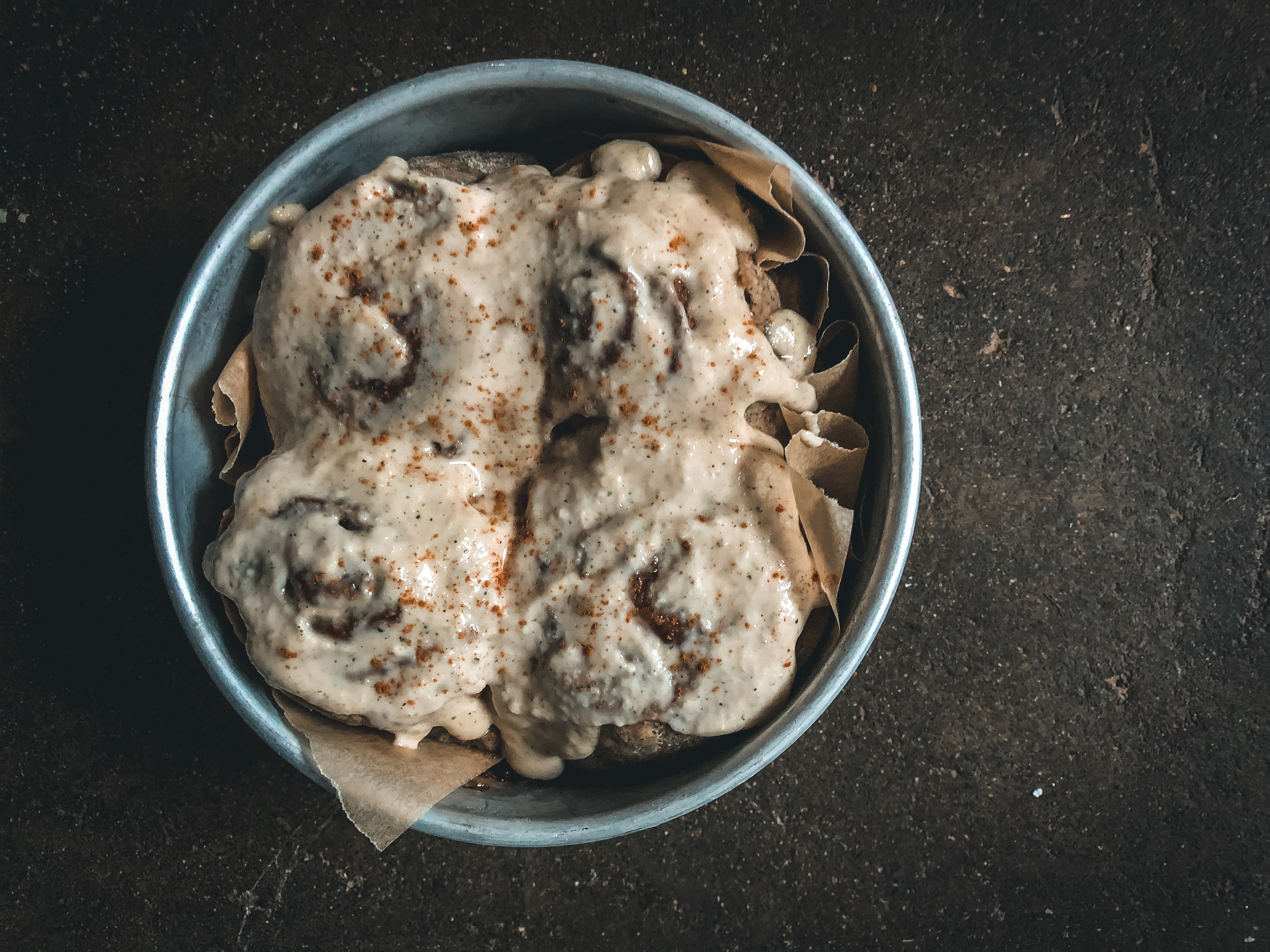
Holiday Cinnamon Rolls {gluten + dairy-free + vegan}

At the beginning of advent, William and I had an after-dinner discussion on holiday traditions and the ones that are most important to each of us. One of mine is baking and making gifts of the season to share. My grandma’s Apple Cake, my great grandmother’s Cinnamon Roll Cookies, the stereotypical fruitcake and mince tarts packed with dried fruit and spices that seemingly only me and my dad like. And cinnamon rolls, a new tradition in the past few years. For me, baking during the holidays is more about the joy it brings to others than really wanting or needing to eat all the foods myself. I grew up in an active, ranching family whose busy season happens to be in the winter (“spring” calving usually starts around Christmas, and regardless, animals always need fed first), so some sweet treats after being outside for hours in the cold and dark are always welcome.

After being mostly removed from that lifestyle for more than a decade, I still love to bake and send treats in the mail when I’m not visiting my parents. That’ll be the case this year. And of course, I still bake for myself and William as well. What I’ve found over the years is that most of us have a disjointed relationship to the treats that often come with the holiday season. They bring nostalgic feelings of happy memories, fill the house with comforting scents, and generally taste amazing. And then comes the guilt. We really shouldn’t. It’ll mess with our ‘diet’ or our ‘active lifestyle’ or our ‘new improved body’ we’ve worked so hard for. Or, the high sugar and inflammatory ingredients will hamper our healing process. I’ve been there on all accounts: the guilt, the feeling of needing to control my body, and in recent years, the awareness of hampering my healing.

But the other thing that severely hampers healing is stress. And stressing about every morsel that enters our mouth severely interferes with healing – of any type. We’re going to delve more into intuitive eating and what that really means (intuition versus cravings) here in the coming weeks, but first, let’s pause for the holiday season. Make, bake, and enjoy your favorite treats if you’d like, be mindful about what you really want and enjoy them with all your senses. Continue to chew your food. And generally let go of the guilt.

And if your body is in some stage of healing and you still would enjoy Cinnamon Rolls, these ones are just a bit more nourishing than most, yet still leave room for being slightly decadent, celebratory and delicious.

Happy solstice, yule, Christmas, and holiday season. I hope you enjoy in whatever way you can, and above all, remember to take care of you.

Holiday Cinnamon Rolls {gluten-free + vegan}, makes 4
A few notes on method and ingredients:
– The trick to really good GF bread and pastry is a binder and the best one(s) are a combination of ground chia or flax and psyllium seed husks. Both can usually be found in natural food stores or ordered from herbal companies online.
I’ve only made these with my gluten-free flour mix so any store bought mixes will have different textures/results. Measure flour by weight if you’re substituting. For the frosting, the hemp seeds are optional but provide a little flavor contrast. Just add in the same amount of additional cashews if you’d rather. I’ve tried all types of sugar in these, both in the filling and in the frosting. While I’ve given options, the first one listed is my favorite and first recommendation.
– These can be prepped ahead of time. Prepare them in the evening, and then place the rolls in their pan in the fridge during the rise time overnight. In the morning, let them warm up on the counter while pre-heating the oven. The baking time will likely need to be longer.

Wet Ingredients:
6.5 oz. / 185 ml / 13 Tbs. non-dairy milk
1 1/8 tsp. dry active yeast
1 Tbs. ground chia seeds 
1 Tbs. psyllium seed husk
2 Tbsp. coconut oil, melted
½ Tbsp. apple cider vinegar (or lemon juice)

Dry ingredients:
170 g / 6 oz. / 1 ½ cups gluten-free all-purpose blend
¾ tsp. baking powder
¼ tsp. baking soda
¼ tsp. sea salt
¼ tsp. cardamom, optional

Holiday Spice Filling:
6 Tbs. brown sugar or coconut sugar
¼ tsp. each cinnamon, nutmeg, ginger, and allspice OR 1 tsp. cinnamon
pinch of sea salt
1 Tbsp. coconut oil, melted

Frosting:
¼ cup cashews, soaked
2 Tbs. hemp seeds
2 Tbs. non-dairy milk
1 Tbs. brown rice syrup, honey, or maple syrup
1 tsp. coconut oil
¼ tsp. vanilla extract
a pinch of salt

  1. Warm up the non-dairy milk until lukewarm or at 100 degrees F / 38 degrees C. Whisk in the yeast and allow to froth up for 10 minutes. Add the chia seeds, psyllium, oil and vinegar. Whisk together and set aside so it can thicken a little.
  2. In a large bowl, stir together the dry ingredients. Dump the wet ingredients into the middle of the flour mix and stir with a wooden spoon. Your dough will begin to look scrappy. When this happens, set aside the wooden spoon and start kneading the dough in the bowl with your hands. Knead it lightly until it gets manageable and somewhat smooth.
  3. Roll out the dough on your counter or large cutting board that’s lightly floured. The dough should be easy to roll and not too sticky. Roll it into a large rectangle, a little more than  ¼ inch /3 mm. Combine the spice and sugar filling in a small bowl and spread it out evenly on top of the dough.
  4. Tightly roll the dough up from the short side so you have 4 1 ½-2-inch rolls. Line a small 6-inch or similar cake pan with parchment paper, and then place the rolls inside, cut-side up. Cover lightly with a tea towel, and allow to rise for 1 hour in a warm, non-drafty space in your kitchen. These should rise enough to be touching each other in the pan now. They will not double in size.
  5. Preheat the oven to 375 degrees F. Bake for 15-25 minutes or until the edges have firmed up. (Check after 15 minutes but my oven usually needs the full 25). Place the pan on a wire rack to briefly cool down.
  6. While the rolls are cooling slightly, blend together the frosting in a high-speed blender, and then pour and smooth over the cinnamon rolls. Add a light dusting of cinnamon on top if you’d like.
  7. These taste best when eaten warm and straight out of the oven but can be stored (covered) for about three days.

An especially important, and often overlooked, key to better digestion

One of my mentors recently shared a phrase that’s stuck with me, and really helped in my day to day. She shared in an almost offhand way, Rushing is ego. It feeds self-importance. As someone that tends to perpetually feel rushed and scattered and multi-tasks far more than I should, her statement was like a gentle but stern hand on my shoulder. And a reminder that rushing never makes me feel better in any way.

One of the main areas I tend to rush, multi-task and be scattered is when eating. Alone and left to my own devices, I tend to rarely eat without distraction. And when William and I enjoy meals in the evenings together, catching up on our days and eating while talking (quickly) is more the norm. A couple years ago, recognizing a pattern in myself, I started an experiment of several days of eating with no distraction. What I realized from that experiment was that I’ve tended to avoid being alone with my thoughts at meals because it brought awareness to things I didn’t want to feel. A few months later, I reinstated the distraction free eating practice, having lunch every day outside on the patio without technology or (my weakness), things to read. Instead I simply enjoyed my meals, listened to the summer bugs and watched the hummingbird’s daily visit to the pink zinnia. It was lovely and stress-reducing. And a few weeks into that new habit, I noticed my digestion had really improved, and that I’d begun to feel a lot better in my autoimmune pain and other symptoms. And quite noticeably, I was running and recovering really well during that time.

Summer ended and the practice gradually fell away. I went back to distracted eating and well, I’d notice my digestion was off, stress ran higher, and I didn’t tend to enjoy my meals much because I wasn’t paying attention to actually eating them!

Today, I’ve got a short but incredibly substantial tip if you’re struggling with poor digestion, GI pain (whether it’s general or after a tough workout), bloating, excess gas, etc. And it also helps A LOT if you tend to be generally mentally scattered or anxious. It’s one that you don’t have to spend a ton of money on – actually it’s free! It doesn’t take special skills or preparation. And the process of eating your meals and the hours afterward (those poor digestion side effects), will be much more enjoyable.

Are you ready?

For the next few days, try really chewing your food.

And by that I mean, chewing every bite until it’s broken down into a mush. This means you might chew 20-35 times per bite. Yes, really.

That’s going to be tolerated better than it used to…

Before food ever gets to our stomach or small intestine where stomach acids and digestive enzymes contribute to the chemical process of digestion and then nutrient absorption, digestion actually begins in the brain (just thinking about and then smelling food) and in the mouth. Digestive juices, saliva, enzymes, and digestive hormones are released and begin flowing in anticipation of a meal. Then saliva contains enzymes that further initiate digestion. Likewise, mechanical breakdown of food with our teeth is incredibly important so the enzymes, gastric acids, and hormones can then take over further along in the process.

Some people like to count the number of chews per bite, so go ahead if this helps you to establish the practice. Focus on chewing every mouthful until it is liquid.

The father of modern medicine, Hippocrates, is often quoted as saying that all disease begins in the gut. Interestingly and unsurprisingly, most traditional (and much older) medical systems around the world believe the same. For all I know, some wise sage (or perhaps just my wise mentor) also came up with that phrase about rushing and feeding ego’s self-importance. Especially now in mid-December leading up to the holidays — especially now when Covid-rates are increasing stress (again), help your digestion out a little, and actually enjoy your food, by chewing it a little more.

Impaired digestion and subsequent absorption of food is one of the primary categories of digestive imbalances I look for when working with individuals clinically with impaired digestion. Often when we’re experiencing chronic GI distress, fatigue, or anxiety, there will be imbalances in several categories, and we begin working on the areas that appear most pertinent. I shared about the nervous system’s role in part 1 of this topic, the immune response and subsequent inflammation in part two, gut microbes and dysbiosis in part three and I’ll explain remaining categories in future articles.

And If you’re tired of dealing with your wonky GI and would like to get back to feeling and training well, I invite you to reach out to me for more personalized support.

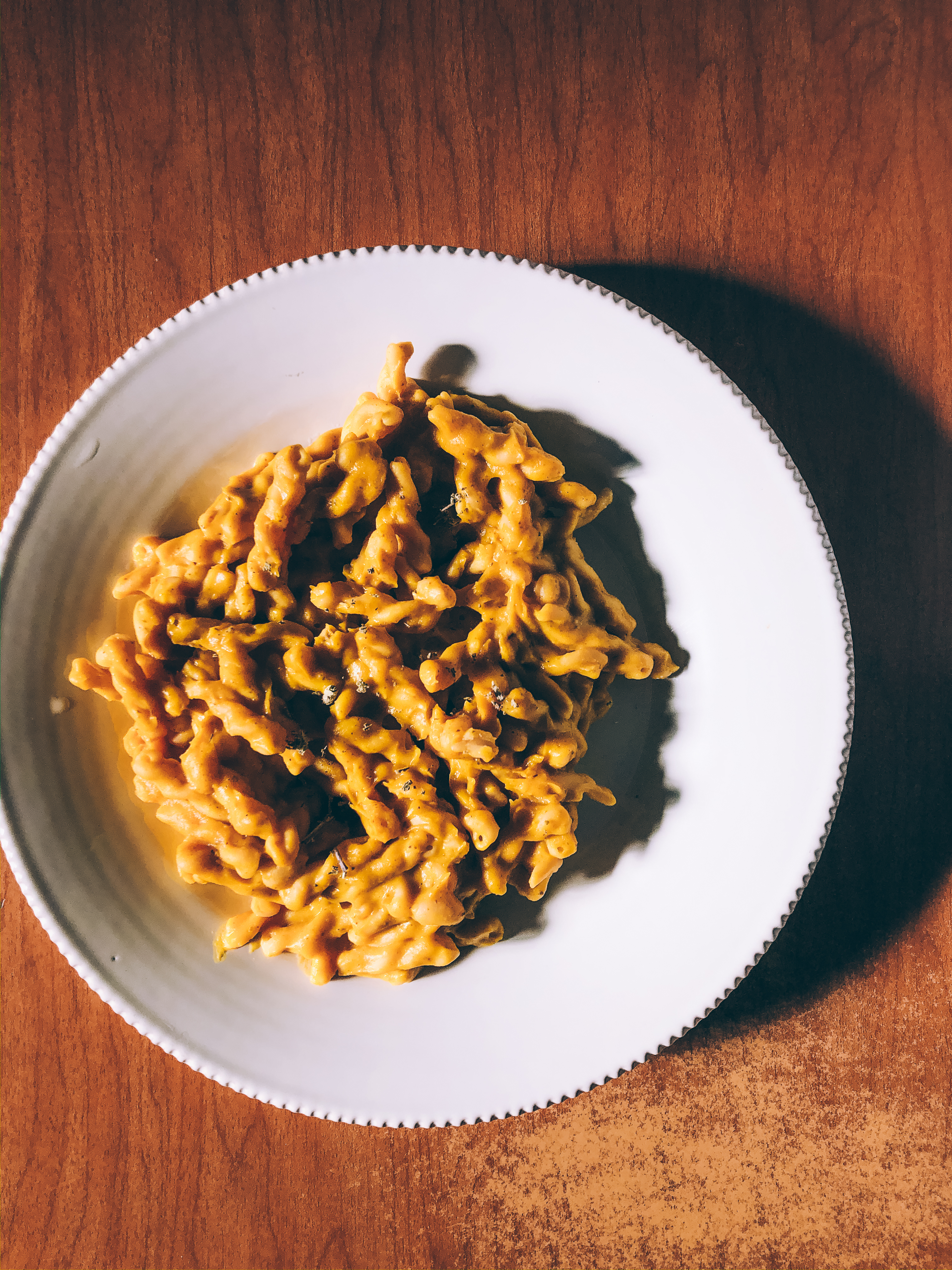
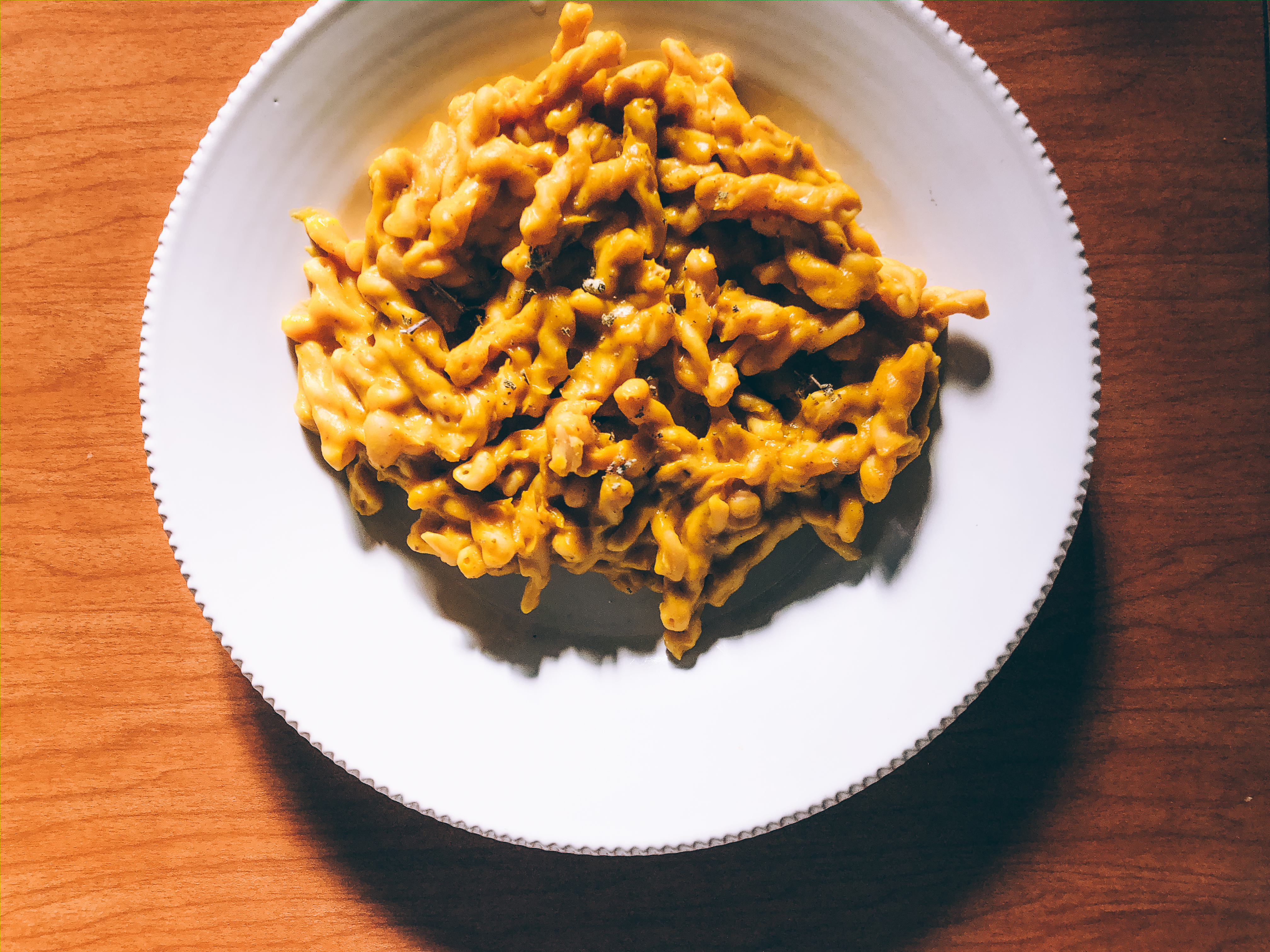
Creamy Koginut Squash + Sage Pasta

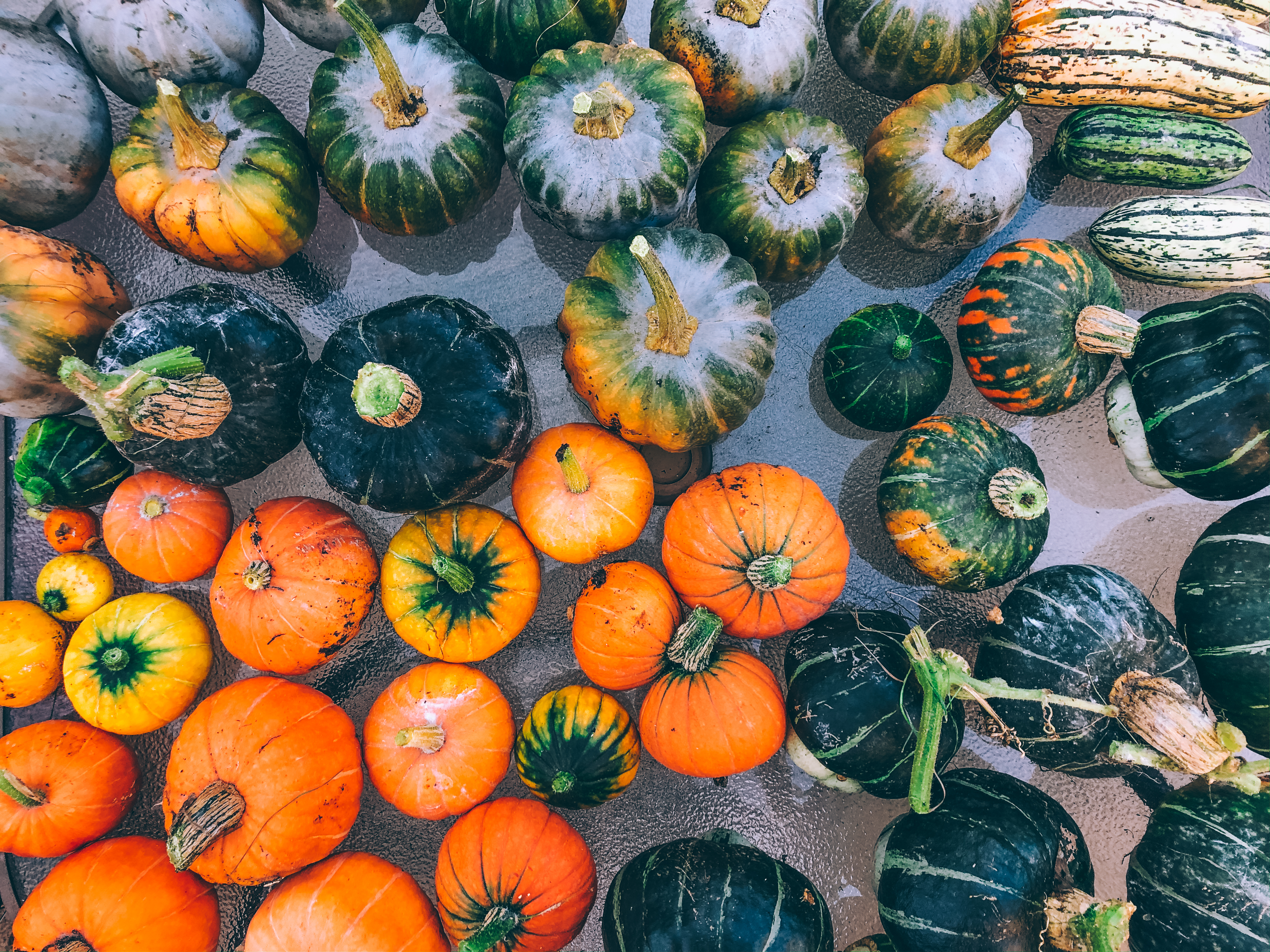
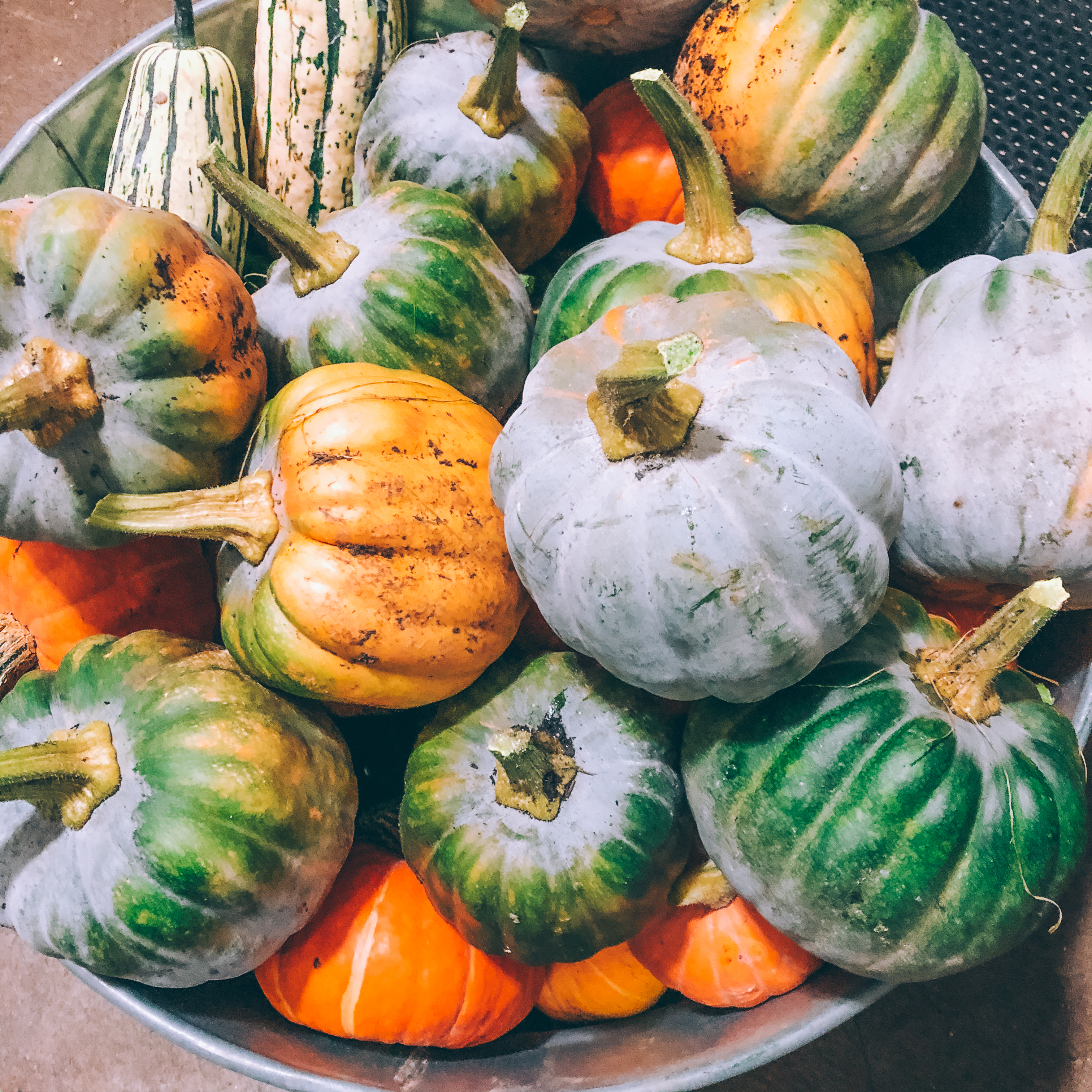
When choosing new seed varieties late last winter for the  upcoming growing season, I somehow convinced William I needed another type of winter squash to grow. He hates winter squash. But somehow, I won him over and then our late season garden became a sea of squash. I chose the Robin’s Koginut variety from Row7 Seeds. It’s a variety that has gotten a lot of press in the last few years, for chef Dan Barber of Blue Hill, who also wrote one of my favorite books, helped develop the variety in partnership with his local farmers and seed breeders. The result is a combination of a butternut and a kabocha squash variety, and I quite like it. But I also like nearly all winter squash.

Relatedly, over the course of the last few days, I’ve been taking a cooking class on using cooking techniques from Ayurveda. This means an emphasis on getting all six flavors in every dish, balancing the meal so that no flavor stands out over the rest, and that the end result is balancing to the body. One of the other tenets of Ayurveda is eating seasonally, i.e. what is in season, where you live.

One of the other person’s in the class asked about fruit, since I have virtually all types of fruit available to me where I live, she said. Our instructor reminded her that what’s at the store does not always represent what’s in season locally, as most well-stocked groceries carry fruit and other produce from all across the globe at all times. Unless a banana grows outside your door right now, it’s probably not in your best health interest to eat a banana, our instructor said, and advised the person to visit her farmers market instead.

I agree with my instructor wholeheartedly on a personal level. As many of you long-time readers know, I’m a big advocate of eating locally in season, getting to know your local farmers, supporting your community and economy, voting with your fork for sustainability and climate resilience, and of course, because what’s in season is often better for our health.

But for anyone that works with me with nutrition, I take a much more individualized approach. Not all of us come ready and able to make dietary changes that are so vastly different than what we’re currently doing. Not all of us live in a bounty of locally available all the time. Some of us need gentle guidance without judgement to get started where we are.

I have a book on healing with whole foods on my shelf that is nearly falling apart. When I first began really getting into holistic/integrative health, I read it from front to back, a little at a time, night after night. The pages are textbook size and there are nearly 800 of them. When I got done, I started reading again. Over years, yes years, I very slowly incorporated practices encouraged in the book. I tried meditation. I incorporated chlorella and spirulina (years before these would become more mainstream). I learned about types of oils and when and how to use different sweeteners. I learned about the effect of different foods on the body. It was an incredibly slow process and along the way, I slowly shed the way of eating that leaned heavier on the cheese, yogurt, ice cream, baked goods, convenience fast-food, and then all the “skinny” diet crap products, and more into trying new and then seasonal foods. Part of what really pushed me further was the second of three health crises, but I eventually figured out a way of eating that is intuitive and right for me. In the process it also helped heal the first, second, and third health crisis, the last of which I now believe to be both a reaction to a multi-year stint in a moldy apartment and emotionally related, leftover from the first.

This is all to say, for personal sustainability-sake, I don’t believe everyone needs to completely ditch their mainstream big-box grocery immediately and only shop at the farmers market from here on out. Or never again eat a banana. But I do think it can be life changing if you research a couple ways to seek local food where you live, and try a couple new in-season foods to start

If you come across the Koginut Squash, I encourage you to try it. Or if not, seek out a Butternut or Kabocha Squash instead. For learning about local farms and markets near you, try “Local Food Near Me” as a google search, or check out Local Farm Markets as a start. Or if you’re ready or in need of some extra food and nutrition guidance, please reach out to me for more personalized support.

Creamy Koginut Squash + Sage Pasta, serves about 4
1 medium koginut (or butternut) squash
1 Tbs. olive oil
1 medium onion, diced
2 cloves garlic, minced
1 cup water or vegetable broth (low/no sodium)
¼ cup nutritional yeast
1 Tbs. raw apple cider vinegar
1 Tbs. dried sage leaves, plus a few more to serve
salt and pepper to taste
12 oz. gluten-free pasta, preferably a bean/legume based pasta unless you’ll be adding chickpeas or other beans
3-4 medium handfuls dark leafy greens such as spinach or kale, optional

  • Preheat the oven to 375 degrees F. Line a baking pan with parchment paper.
  • Halve the squash and take out the seeds. Then put the two halves, cut side down on a baking pan, along with a couple splashes of water. Cook for 40-45 minutes until tender when pierced with a fork. Remove from the oven and let it cool slightly.
  • While the squash is cooking, heat a large pan over medium heat. Add the oil and the onions. Cook until soft, about 7-10 minutes. Add the minced garlic and cook for another minute. Remove from the heat and set aside.
  • In an upright blender, combine the squash, onions, and garlic, water or broth, nutritional yeast, vinegar, sage, and salt and pepper to taste. Blend on high speed until the ingredients become silky smooth. Transfer to a saucepan and keep warm over low heat until ready to use.
  • Cook the pasta according to the instructions on the box. Drain it, and then combine it with the sauce. If you’d like some extra greens, tossing in a couple handfuls of spinach or another soft leafy green (such as kale or swiss chard), is ideal at this time.
  • After you’ve dished up each serving, sprinkle with a couple pinches of minced sage over the top.