the simplest sourdough flatbread, and what probiotics and gut microbes have to do with it

“Why are you people always switching out sour cream for yogurt in all your recipes?”
This was the question I was asked a few weeks ago while teaching a (virtual) cooking store tour. The question had me pausing because it was so good and to be honest, I’m surprised no one has ever asked me before. I paused also because it’s been so many years since I’ve actually eaten sour cream – and years too since my yogurt-in-every-meal days.

So why do nutritionists and health-minded persons tend to switch out sour cream and add yogurt at every opportunity? Without jumping too deep into the science at first glance, I think we can look towards long histories of fermented foods in virtually all traditional ways of eating around the world. Our ancestors were fermenting foods in all sorts of ways for better health and as a way of food preservation. Yogurt products—whether they are dairy-based or non-dairy—all have the same culture of bacteria added, and as most of us have learned from countless yogurt advertisements, it’s good for gut health. Plain old sour cream, and other creamy dairy foods, can’t generally say the same.


Fiber Nourishes Your Gut – Prebiotics

What we’ve learned in the science and nutrition community over the last couple decades is that what we eat affects our gut bacteria. Our digestive system is home to trillions of beneficial bacteria, called the gut microbiota or microbiome. These bacteria live in an (ideally) symbiotic relationship with us. In the case of beneficial bacteria, they feed on the undigested part of the food, (fiber), that is passing through the large intestine by fermenting it into short chain fatty acids such as N-Butyrate. That’s a good thing.

When we eat fibrous plant-foods, we are essentially feeding many species of beneficial bacteria from the fiber that we ourselves cannot digest. And when we don’t eat the foods that beneficial bacteria need, we lose harmony and balance between beneficial and disruptive bacteria, and dysbiosis occurs. Often with all sorts of negative symptoms that we experience. This beneficial fiber-rich food is what we’ll often call ‘pre-biotics.’


A healthy gut microbiome can protect us against disease-causing bacteria because the good bacteria competes for space in the intestines, blocking the bad guys from establishing a strong community. Beneficial bacteria can also help us absorb otherwise non-absorbable nutrients like certain antioxidant polyphenols, produce some micronutrients like vitamin K, and provide needed fuel for the cells in the colon. Production of short chain fatty acids by bacteria in the intestine also plays an important role in the maintenance of the intestinal barrier. Butyrate, the short chain fatty acid I mentioned above, has been shown to be protective against colon cancer.

Whereas we don’t want an overgrown of bacteria in the small intestine, having ample beneficial bacteria in the colon is a hallmark for optimal health. Low beneficial bacteria can impact your protective mucus lining in the intestinal tract, which supports up to 70% of our immunity. The commonly used phrase “leaky gut” comes in here when the interplay between a low fiber diet, low beneficial bacteria count, and difficult to digest macromolecules poke holes in the cheesecloth-like fragility of the intestinal lining and then opens the way for the immune system to do its job –in overdrive – resulting in sensitivities, intolerances, and allergies to many foods. 


Fermented Foods and Probiotics

On the flip side of the prebiotic/fiber-rich food equation is a term we’ve all heard. Probiotics. That stuff that makes yogurt and other fermented and/or bacteria-containing foods like sauerkraut, kimchi, miso, tempeh, raw vinegar, raw honey, and (traditional) sourdough bread health-promoting. Probiotic-rich foods essentially mean we’re eating the beneficial bacteria rather than feeding the good bacteria we already have.

When to Supplement

Probiotic supplements, especially in high doses, are often extremely helpful for individuals with an autoimmune flare, food or environmental allergies, metabolic concerns, hormone imbalance, skin health, cognitive and/or mental health, long-term and/or frequent antibiotic use, and of course, any sort of symptom that’s related to negative digestion—which tends to be a precursor to many of the other health challenges. When we’re using probiotics that occur naturally in fermented foods, we’re trying to maintain the balance of beneficial bacteria in our system (not just our gut either, our skin and many other areas of the body also have a microbiome). But when we’ve been in a pattern of long-term distress, we often need a little help from more bacteria than we can ingest through food. So a supplement might be necessary—ideally one of a reputable brand and with strains and quantities of bacteria that are scientifically founded for the symptoms or imbalance.


Going back to that question I received about sour cream and yogurt. I don’t tend to push a lot of yogurt as a preferred probiotic food source. Many individuals don’t tolerate dairy at all and the dairy industry is sadly pretty corporate and non-supportive of small producers these days. If you tolerate dairy products, and can source from a small dairy producing yogurt from grass-fed cows, then yes, it can be healthful. And while non-dairy yogurts contain some bacteria cultures, they often don’t provide much else in the way of protein or micronutrients. Flavored varieties of all types of yogurt are problematic due to all the other added ingredients, such as fillers, gums, sweeteners, and preservatives. Instead, I definitely encourage choosing a range of all the bacteria-containing foods.

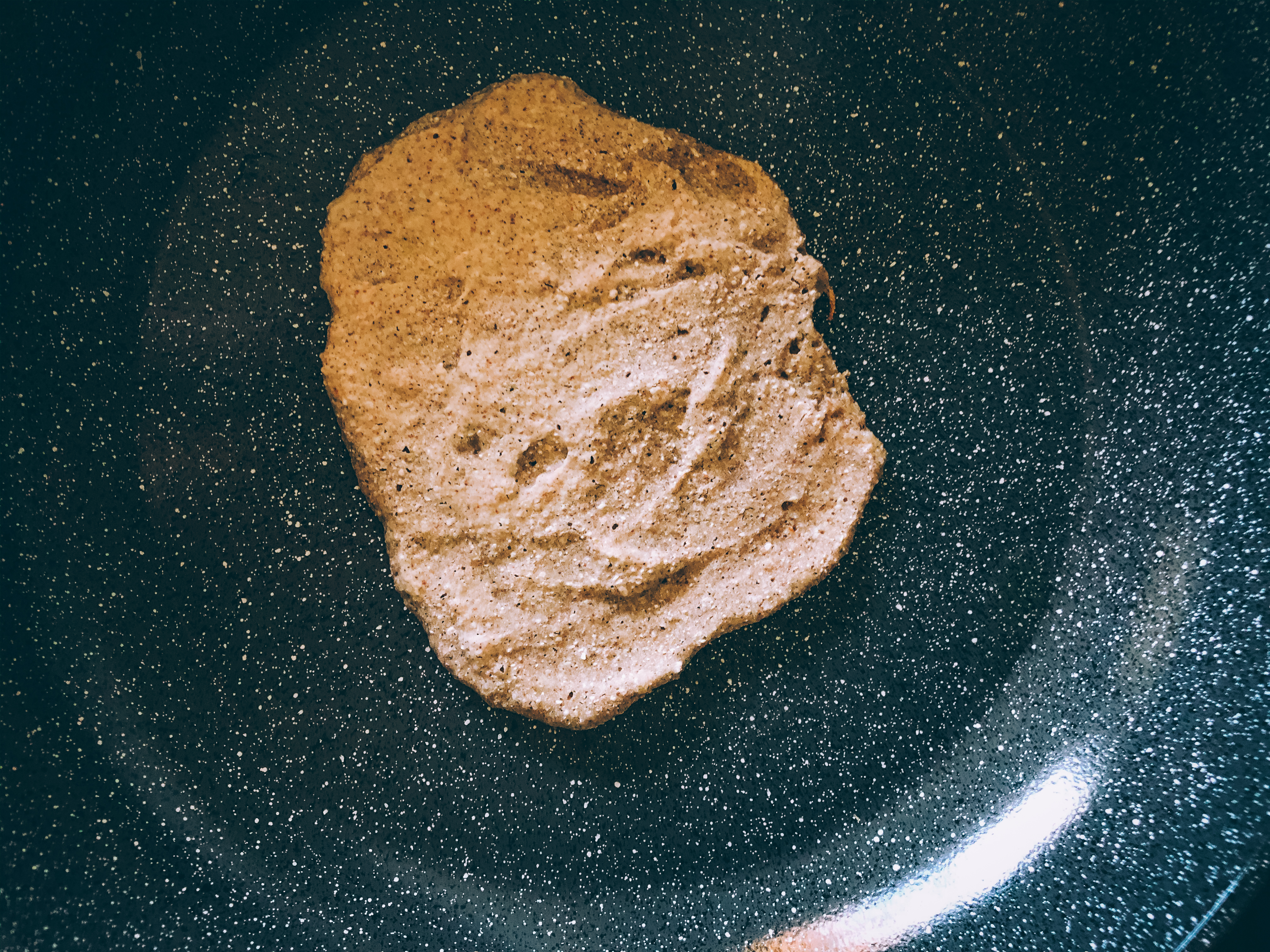
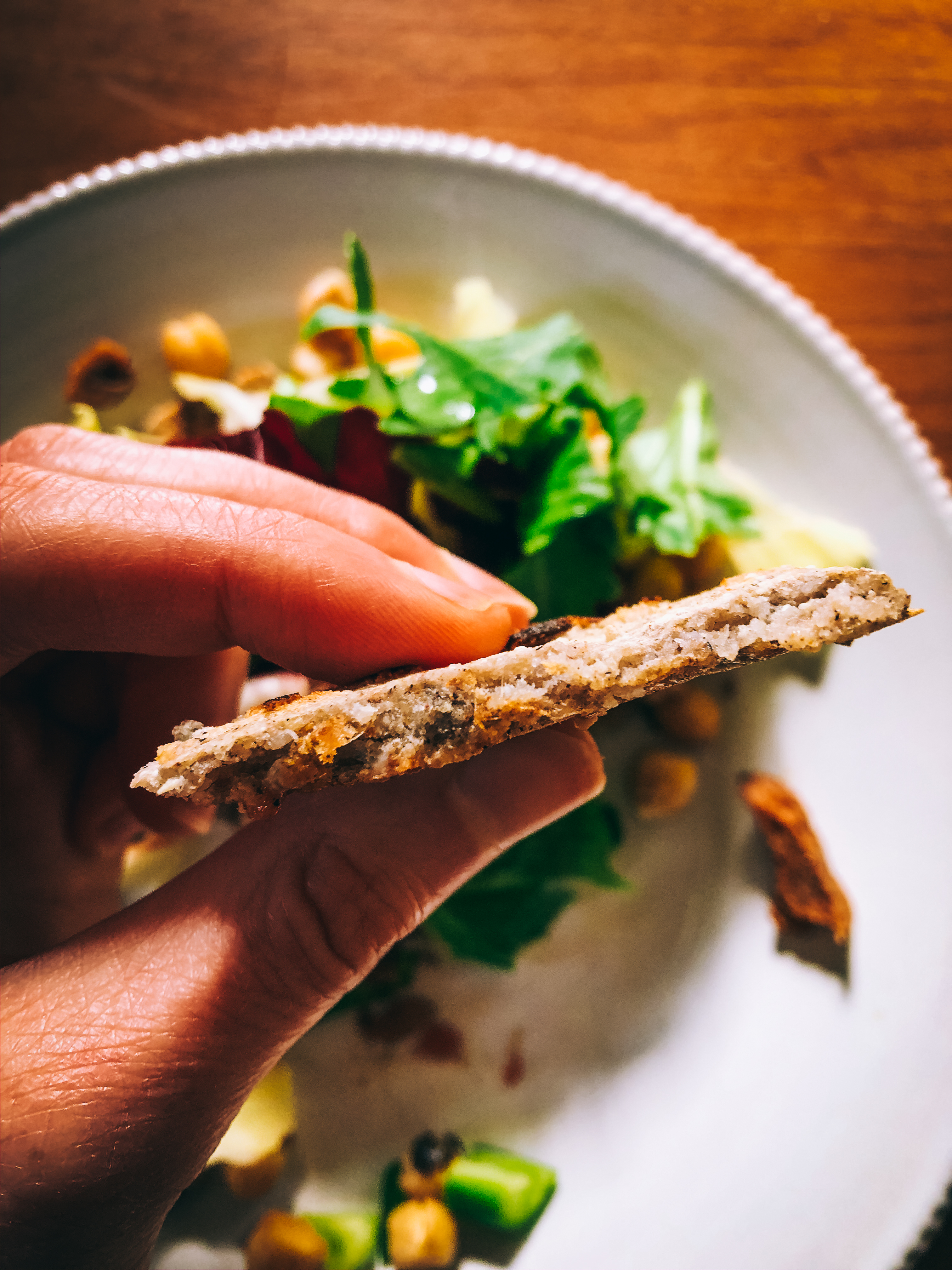
One of my favorites is whole-grain sourdough. If you need a home project this fall and winter, starting your own sourdough mother (and naming it), will be immensely rewarding. My sourdough mother’s name is Esmerelda. Even if you’re not a baker. The flatbread below has become one of my five-minute favorites as a bready lunch side when I’m short on pre-made options, and with just the mother, you never actually have to launch off into sourdough baking (but I certainly recommend it if you’re ready for a next step).

Enjoy!

Dysbiosis in the gut microbiome is one of the five primary categories of digestive imbalances I look for when working with individuals clinically. Often when we’re experiencing chronic GI distress, there will be imbalances in several categories, and we begin working on the areas that appear most pertinent. I previously shared about the nervous system’s role, and the immune system leading to inflammation and food reactions, a tip to support impaired digestion and absorption in part four, and I’ll explain remaining topics of digestive imbalance in future articles.

And If you’re tired of dealing with your wonky GI and would like to get back to feeling and training well, I invite you to reach out to me for more personalized support.
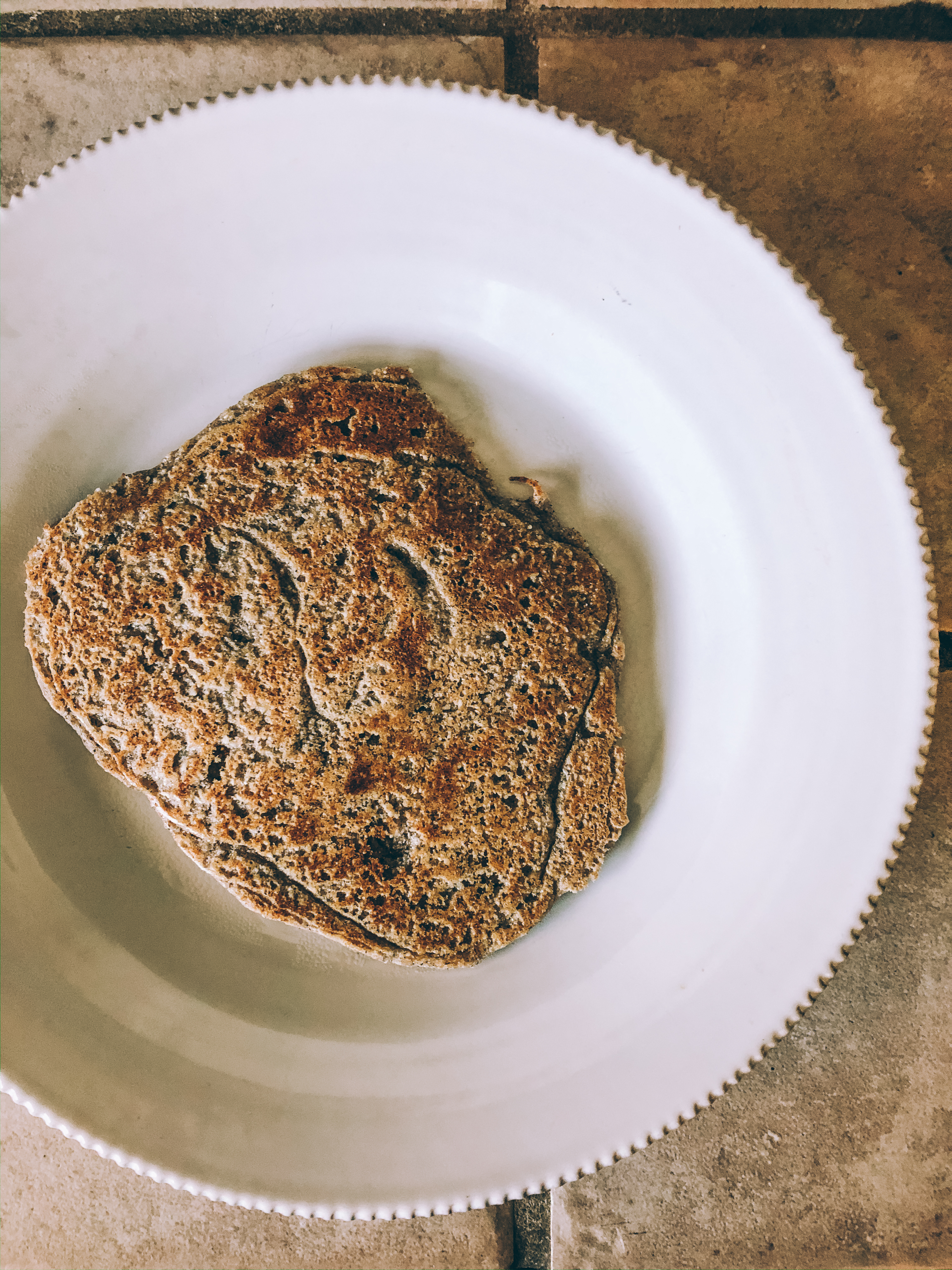
Simple Sourdough Flatbread, makes 1
This is the absolutely simplest flatbread made from the sourdough mother. It’s rich and delicious, tastes bready and substantial, and can be flavored in many ways beyond the simple (plain) way I’ve made it. For a few more ideas, see this video which was the original that clued me into this delicious bread idea. For a larger amount, just use more starter. If you do not have a sourdough starter, I made mine from Baking Magique’s instructions. Instead of a mix of buckwheat and brown rice flour, my starter is 100 percent buckwheat. It keeps feeding Esmerelda super simple that way.

70 grams / ~1/2 cup sourdough starter
a little oil for your pan

  • Heat a medium to large skillet over medium-high heat. Add a little oil of choice, such as olive or coconut oil.
  • Pour your measured sourdough starter directly onto the pan and with a rubber spatula, gently spread it out so it’s smooth. Cook for about 3-4 minutes; then flip and cook 3-4 minutes more. You might need to turn your pan down a little, as this bread is slightly thick and you want to make sure you cook it all the way through.
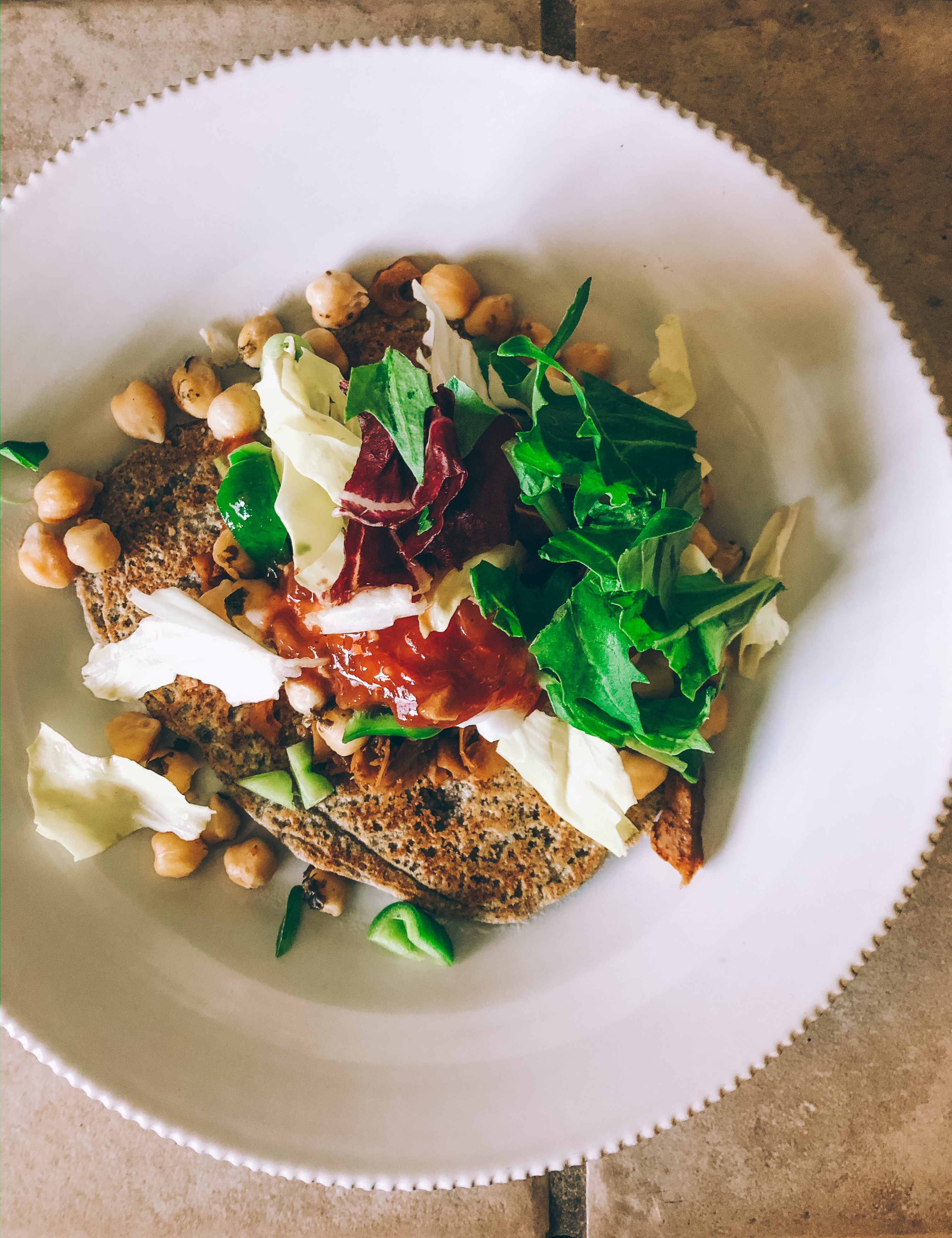
  • Remove from pan, and add to your meal. I often eat it as a side like naan, but sometimes use it as a base for random other toppings that I have on hand for a quick lunch.

Fire and Battle in the Gut – the immune response and your long list of foods that cause reactions

It seems like every year around this time, I find myself in a phase of asking myself, “what food am I reacting to?”. After half a decade or more of asking this question annually, and over the years slowly pin-pointing it down, I’ve gotten a little wiser.

William and I have grown a fairly substantial garden every year since 2016, and I’ve had some version of one in community garden plots, on balconies or patios, college rental backyards, and even dorm room windowsills since I left home as a teenager. Even before that, my mom has always grown a large garden, so having super-fresh summer produce has literally been a happening my whole life. My mom’s favorite thing to grow, from my perspective anyway, has always been heirloom tomatoes, so all the big, fat, juicy tomatoes have also been a long-time staple of summer and early fall. Yum.

But for the last several years, it has become apparent that I may like tomatoes, but they don’t quite like me—in the amounts that any tomato-growing person would need to consume them anyway.

So each year I’ve slowly reduced how many tomato plants I’ve grown. This year, instead of pulling the plants after two solid months of heavy tomato production, the thick smoke and hazardous air days earlier this month had me pulling the one plant we grew early. So there was only one month of tomato production, and I gave a bunch away just to keep up.

And yet still, by the time I pulled the plant and sent it to the compost, every time I had a tomato-based meal I was getting itchy ears and hot, flushing of my face within minutes. At the point where these symptoms were the worst, we were also in extremely hazardous air quality—likely even with the blessed indoor air purifiers—and I had been eating other nightshades regularly too; we also grow a few peppers, eggplant, and this year, potatoes—William’s pride and joy.

And while the itchy ears and facial flushing are classic allergic reactions, every year before this, I react later, after many more weeks of eating tomatoes and other nightshades, and with my more consistent go-to digestive symptom: a dully, achy, distracting pain.

Why am I sharing all this? Well, because I know many of you can relate to having various food sensitivities or allergies and not always knowing what you’re reacting to or how to deal with it—and because let’s be clear, eliminating one food after another until you’re down to a handful of “safe” foods is not the best long-term answer.  

For anyone that read my last digestion-focused article, you’ll remember part of the nervous system traverses through the gut. You may have also read that about 70 percent of our immune system is located in or around the digestive system. This is why when our digestive barriers or defenses are worn down, the immune system, whose very job is to determine what is you and what is not—and to attack what’s not—begins to take on substances that ordinarily it shouldn’t, like foods or substances from the environment.

The reason for this is partly because the lining of the gut is only one cell thick. If that sounds especially thin, it is. Just below the gut lining lies a part of the immune system called the gut-associated lymphoid tissue (GALT), whose job is to help absorb nutrients. We also have a part of the immune system called the mucous-associated lymphoid tissue (MALT) which resides in the mucosal lining, as well as in other mucousy tissues (nose, bronchia, etc.). When the gut and mucous-associated lymphoid tissues’ membranes are structurally strong, then we have more ability to withstand ‘stressors,’ both actual stress and substances that might stress the body internally. When these lymphoid tissues are structurally compromised, then bacteria, food particles that cause a negative reaction, and other inappropriate pathogenic molecules get into our blood. And the cellular version of battle ensues.

Cue reactions to tomatoes, other nightshades, wheat and gluten, dairy, corn, peanuts, soy, and on and on. The immune system turns on against otherwise harmless foods.

One more thing to know before I get into what we can control about this immune response:

There are layers to the immune system with first line defense, second, what follows, etc. Likewise, when we do blood or skin tests for food sensitivities and allergies, there are different substances to test for.
Secretory IgA (sIgA), is the main way that the mucous-associated lymphoid tissue gives the message to the immune system to initiate battle. Secretory IgA are antibodies in the gut mucosa that are on constant alert for foreign substances—think of them as guards for the castle walls of your mucous-immune tissue. They initiate a non-specific response. When the secretory IgA antibodies aren’t showing up to the job or are overwhelmed, the IgG antibodies next kick in. They are what we’ll call a second line of defense and cause reactions to specific foods or substances, but perhaps not immediately. That’s why in the past, I could eat tomatoes for weeks before having any reactions and when those reactions occurred, they were hours or even days after the ‘enemy’ tomato made its appearance at the castle walls.

When IgG antibodies get overwhelmed, it is time for the IgE antibodies. These are what we consider true allergies. That’s the classic itchy throat, swelling, mucous and nasal drip, hives, itchy ears and/or eyes, flushing, and anaphylaxis symptoms. Not what any of us want to experience.

Of what we currently know of the immune system, people don’t develop true IgE allergies until all the other systems have broken down—and when food sensitivities are cleared up—that’s the IgG response—the true IgE allergy response can either partially or fully resolve. Good news when I want to eat a tomato symptom-free, or when you want to go back to enjoying any of the various foods you’ve thought you’d have to avoid forever.

So going back to factors that we can control and/or play a role. They include:

– Genetics. Many conditions such as celiac, inflammatory bowel diseases (crohn’s, ulcerative colitis, etc.), and most other autoimmune conditions have a genetic component. While that can seem discouraging, we are learning more about how to modify gene expression through what’s known as epigenetics—using food, nutrients, and environment (like stress reduction), to help us overcome otherwise ‘risky’ genetics.

– Gut bacteria and dysbiosis. Both “good” gut bacteria in the wrong place, and an imbalance between the amount of beneficial and disease-producing microbes are factors we can control. Examples include bacterial, fungal, and parasitic infections. They are far more common than most of us think.

– What we eat on a daily basis. The diet of most individuals is high in refined carbohydrates and poor-quality fats and meats, and too low in fiber, vegetables, whole-grains, beans and legumes, fruit, and nuts and seeds—the very foods that are rich in anti-inflammatory nutrients and feed good gut bacteria.

– Leaky gut. When we get “holes” in that one-cell-thick gut lining, we’re going to experience increased inflammation and breakdowns/battle in the immune system. Stress, of all causes, plays a huge role in this.

Now that you know a little more about the immune system, let me know if you have questions, or if this helped clarify why with healing the gut and turning off the immune system response, you might be able to eat some of the foods you’ve thought you’d have to always avoid.

The immune response and subsequent inflammation is one of the five primary categories of digestive imbalances I look for when working with individuals clinically with impaired digestion. Often when we’re experiencing chronic GI distress, fatigue, or anxiety, there will be imbalances in several categories, and we begin working on the areas that appear most pertinent. I shared about the nervous system’s role in part 1 of this topicgut microbes and dysbiosis in part three, and a tip to support impaired digestion and absorption in part four. I’ll explain the remaining categories of impaired digestion in future articles.

And If you’re tired of dealing with your wonky GI and would like to get back to feeling and training well, I invite you to reach out to me for more personalized support.
References:
1: Lipski, L. (2012). Digestive Wellness (4th ed.). New York, NY: McGraw Hill.

chamomile + dried plum nut butter bars

Last week I shared about the connection between the gut and the nervous system. After hearing from several that it was helpful, I’ve been thinking about the use of herbs in particular for nervous system and gut support.

Herbs in the category called nervines really shine here. They are the herbs that specifically affect the nervous system. While there is a giant list of herbs that can be used for nervous system support depending on where and what type of symptoms are showing up for an individual as well as the person’s energetics, chamomile, skullcap, lavender, holy basil / tulsi, lemon balm, and California poppy are some of my personal favorites. When we get to the point of really using herbs medicinally to promote balance, we often need them in larger amounts such as at least three cups of tea daily for several weeks, or an herbal tincture, large amounts of herbal powders, etc. It becomes like taking medicine, only with no side effects, nutritional interactions or depletions (when administered correctly).

But before we get to that stage where it’s best to have either more personal experience or guidance by a trained professional to take herbs at a medicinal level, many of us can benefit from incorporating more herbs into our everyday foods. This is what a lot of our ancestors did by collecting herbs that grew nearby and incorporating them into household remedies and cooking. And that’s what I’ve done here.

This is a base recipe for a nut/seed butter and dried fruit bar that I routinely make to enjoy as a snack. In this particular version, I added chamomile flowers and dried plums, two foods with a particular affinity for gut health. Many individuals enjoy chamomile as an evening wind-down tea but if you steep it long enough or bite into a whole chamomile flower, you’ll notice a definite bitter taste. That bitter component is important for gut health! We need bitter flavors to help the digestive system function properly, since the bitter taste stimulates the digestive system by activating gastric juices and the liver so we can break down and absorb our food.

Additionally, you might have noticed the strong, fragrant smell of chamomile in freshly brewed tea. The volatile oils in herbs which have an intense smell gives them an action that is called carminative, giving them the ability to promote a healthy digestive system by soothing inflamed tissues, giving relief from GI cramps and spasms, and helping relieve indigestion, bloating, gas, and nervous/anxious tummys. A couple other of my favorite carminative herbs/spices are fennel seeds, cardamom, and lemon balm, which can all be added to these bars instead of and/or in addition to the chamomile (amounts would need to be adjusted for taste, however).

A couple other ways to incorporate more chamomile into your days is in chamomile tea with ginger and licorice, chamomile tea simply by itself, and chamomile added to morning oatmeal. This apple, walnut, chamomile version is pretty outstanding. Overall, I highly encourage you to incorporate more nervous and digestive system supporting herbs into your meals.

Chamomile + Dried Plum Nut Butter Bars, makes 4
This is a great base recipe to experiment with different flavor combinations and incorporate various herbs into your daily snacks. If you’d rather skip the protein powder, try an equal amount of hemp seeds instead since they’re high in protein compared to many other nuts and seeds. Remember, protein is important in small to medium amounts throughout the day, and helps to balance out the heavy sugar and fat that most snacks contain. These also work great both before and after athletic activity as a quick fueling option, as they’re balanced in their carbohydrate to protein ratio.

3 Tbs. / 50 grams nut butter of choice (cashew or coconut work great here)
1/4 cup / 45 grams dried plums
1/3 cup / 45 grams dates, pitted
3 Tbs. / 30 grams hemp protein (or similar unflavored protein powder, such as plain pea protein)
3 Tbs. loose chamomile flowers
1 cup / 30 grams crispy rice cereal (or 1/3 cup oatmeal)
1 tsp. honey or maple syrup
1/8 tsp. salt

  • In a food processor, combine all ingredients except for a small amount of the rice cereal or oatmeal. Puree all the ingredients until they come together and are slightly sticky to the touch. You might need to add up to 1 Tablespoon water.
  • Then add the final amount of cereal or oatmeal and pulse until it is incorporated but not finely pureed.
  • Turn out into a small rectangular dish and press in. Cut into bars and eat, or store in the fridge and cut and eat as needed. Otherwise, you can certainly make these into energy balls instead if you’d like a circular shape.
  • These keep well for at least a couple weeks.

The nervous system is one of the five primary categories of digestive imbalances I look for when working with individuals clinically. Often when we’re experiencing chronic GI distress, there will be imbalances in several categories, and we begin working on the areas that appear most pertinent. I’ll explain the other categories of digestive imbalance in future articles. And If you’re tired of dealing with your wonky GI, I invite you to reach out to me for more personalized support.