An especially important, and often overlooked, key to better digestion

One of my mentors recently shared a phrase that’s stuck with me, and really helped in my day to day. She shared in an almost offhand way, Rushing is ego. It feeds self-importance. As someone that tends to perpetually feel rushed and scattered and multi-tasks far more than I should, her statement was like a gentle but stern hand on my shoulder. And a reminder that rushing never makes me feel better in any way.

One of the main areas I tend to rush, multi-task and be scattered is when eating. Alone and left to my own devices, I tend to rarely eat without distraction. And when William and I enjoy meals in the evenings together, catching up on our days and eating while talking (quickly) is more the norm. A couple years ago, recognizing a pattern in myself, I started an experiment of several days of eating with no distraction. What I realized from that experiment was that I’ve tended to avoid being alone with my thoughts at meals because it brought awareness to things I didn’t want to feel. A few months later, I reinstated the distraction free eating practice, having lunch every day outside on the patio without technology or (my weakness), things to read. Instead I simply enjoyed my meals, listened to the summer bugs and watched the hummingbird’s daily visit to the pink zinnia. It was lovely and stress-reducing. And a few weeks into that new habit, I noticed my digestion had really improved, and that I’d begun to feel a lot better in my autoimmune pain and other symptoms. And quite noticeably, I was running and recovering really well during that time.

Summer ended and the practice gradually fell away. I went back to distracted eating and well, I’d notice my digestion was off, stress ran higher, and I didn’t tend to enjoy my meals much because I wasn’t paying attention to actually eating them!

Today, I’ve got a short but incredibly substantial tip if you’re struggling with poor digestion, GI pain (whether it’s general or after a tough workout), bloating, excess gas, etc. And it also helps A LOT if you tend to be generally mentally scattered or anxious. It’s one that you don’t have to spend a ton of money on – actually it’s free! It doesn’t take special skills or preparation. And the process of eating your meals and the hours afterward (those poor digestion side effects), will be much more enjoyable.

Are you ready?

For the next few days, try really chewing your food.

And by that I mean, chewing every bite until it’s broken down into a mush. This means you might chew 20-35 times per bite. Yes, really.

That’s going to be tolerated better than it used to…

Before food ever gets to our stomach or small intestine where stomach acids and digestive enzymes contribute to the chemical process of digestion and then nutrient absorption, digestion actually begins in the brain (just thinking about and then smelling food) and in the mouth. Digestive juices, saliva, enzymes, and digestive hormones are released and begin flowing in anticipation of a meal. Then saliva contains enzymes that further initiate digestion. Likewise, mechanical breakdown of food with our teeth is incredibly important so the enzymes, gastric acids, and hormones can then take over further along in the process.

Some people like to count the number of chews per bite, so go ahead if this helps you to establish the practice. Focus on chewing every mouthful until it is liquid.

The father of modern medicine, Hippocrates, is often quoted as saying that all disease begins in the gut. Interestingly and unsurprisingly, most traditional (and much older) medical systems around the world believe the same. For all I know, some wise sage (or perhaps just my wise mentor) also came up with that phrase about rushing and feeding ego’s self-importance. Especially now in mid-December leading up to the holidays — especially now when Covid-rates are increasing stress (again), help your digestion out a little, and actually enjoy your food, by chewing it a little more.

Impaired digestion and subsequent absorption of food is one of the primary categories of digestive imbalances I look for when working with individuals clinically with impaired digestion. Often when we’re experiencing chronic GI distress, fatigue, or anxiety, there will be imbalances in several categories, and we begin working on the areas that appear most pertinent. I shared about the nervous system’s role in part 1 of this topic, the immune response and subsequent inflammation in part two, gut microbes and dysbiosis in part three and I’ll explain remaining categories in future articles.

And If you’re tired of dealing with your wonky GI and would like to get back to feeling and training well, I invite you to reach out to me for more personalized support.

connecting the gut and the nervous system

I had an emotional couple of days last week. If you know anything about the Enneagram personality archetyping, I’m most definitely a type 4, so deep and vast emotions are a familiarity for me. That aside, I was emotional. I cried a fair bit and felt my own little volcano of melancholy come out in periodic waves. One such wave was on a run last Thursday morning. Most long-term runners know certain runs can be incredibly therapeutic and where we work through challenging emotions. This was one of those.

When I returned to the house after finishing and began my cool down stretch, I had a familiar mild, dull pain in my abdomen set in, and it continued throughout the day. As an old familiar, I knew exactly the cause of the pain when I first noticed it. As a sensitive child, I grew up with routine anxious ‘tummy aches,’ on Sundays before a new school week began, couldn’t eat before stressful events, and generally would feel knots in my middle when emotionally distraught.

Unsurprisingly, there’s a reason for this.

For anyone that likes to show up to an athletic race early in the morning, stand in line at the porta potty, and then hope to put your best foot forward in your event of choice, or perhaps engage in a similar nervous-inducing event in another area of life like a job interview, you know that when you’re anxious, nervous, or otherwise stressed, digestion is quite a bit off. That’s because the gut and the brain are intimately connected. The nervous system has several branches and one section, the enteric nervous system (ENS), is often called ‘the second brain.’ The ENS is the section that runs through our digestive system and is connected to the actual brain through a large nerve that runs through are central body and communicates in both directions. This is called the vagus nerve.  When we have a really emotional episode, like I did, our brain can send chemical messages to the gut that change our gut bacteria, leading to low-grade gut inflammation and possibly GI distress. Similarly, if we have a particular imbalance in the gut itself—through food that doesn’t sit well or isn’t best for us, or inflammation and excessive permeability to the gut lining for another reason, we often notice behavioral changes as well. For example, persons that have chronic GI distress often also experience one or several mental health symptoms, including anxiety, depression, fatigue, confusion, brain fog, poor memory, migraines, and more.


When we have continued stress, whether in our body or in our mind, the nervous system slows down or impairs digestive function. This is why it’s best to not eat when we’re in a stressful mindset or running out the door in the morning before work or while rushing between meetings. And why one simple way to improve digestion is to single-task while we eat. That is, eat in a quiet, peaceful environment and do only that. Just eat, enjoy, and actually chew the meal. And its why major stressful life events often precede major health symptoms and then diagnoses. If you struggle with digestive conditions such as one of the Irritable Bowel Diseases (Crohn’s, Ulcerative Colitis, Diverticulitis, etc.), IBS, GERD, ulcers, chronic constipation or diarrhea, and any autoimmune disease, your condition will often respond favorably to stress-reduction techniques. For athletes with any of these conditions, we often argue that our physical activity is our source of stress reduction. That may be true—in theory—but often our activity load is contributing stress when our physical and mental systems are way out of balance.

True rest and relaxation, such as spending an hour or more per day doing absolutely nothing, deep breathing, meditation or prayer practices, spending quiet time in nature, gardening, yoga, painting, or other quiet activities without a screen are sometimes exactly what we need most to begin digestive healing – not a fancy, stressful, rigid new eating plan. (Gasp! I know; how dare I say that as someone that works with people on food!)

Otherwise, I love to work with herbs for the nervous system. In fact, nervines, the category of herbs that work on the nervous system, are by far the ones I work with and recommend the most. Lavender in this blueberry lavender smoothie bowl, and skullcap, tulsi / Holy Basil, lemon balm, and lavender in this stress-reduction tea or herbal latte are just a couple relax-inducing herbal ideas to consider.

The nervous system is one of the primary categories of digestive imbalances I look for when working with individuals clinically with impaired digestion. Often when we’re experiencing chronic GI distress, fatigue, or anxiety, there will be imbalances in several categories, and we begin working on the areas that appear most pertinent. I shared about the immune response and subsequent inflammation in part two, gut microbes and dysbiosis in part three, and a tip to support digestion and absorption in part four. I’ll explain remaining categories in future articles.

And If you’re tired of dealing with your wonky GI and would like to get back to feeling and training well, I invite you to reach out to me for more personalized support.
References:
1: Lipski, L. (2012). Digestive Wellness (4th ed.). New York, NY: McGraw Hill.

Carnival Belly, Running, and a Digestive Health Survey

Lately, William and I have been taking weekend adventure runs, meaning we’ve been getting out of town for a good part of the day to run somewhere new. Often this is followed by a picnic with a very runner-favorite spread: PB&J sandwiches, fruit, and tortilla chips. A couple weekends ago, the route I chose was based on being new and not far to drive, and as such it was on a course that’s designed more for mountain biking. After three miles of steady running upwards amidst the giant forest foxgloves and complete peace that is running away from civilization, we got to our summit and the single-track mountain biking descent. It started out as a really fun, fairly technical terrain with lots of creek rocks, tree roots, twisty trails and garden-gnome spotting. But there were also steady, heavy mountain biking moguls, making every bit of downhill come with nearly the same in little uphill rollers.

By about halfway through the downhill, I had this experiential memory of being on a carnival ride, and I was unsurprised to find my digestive system was feeling jostled in just the same way. By the end of the fourth and final mile of downhill, I realized I’d taken for granted that the norm for runners is to cruise and ‘wheee!’ downhill once the climbing is done. And I’d gladly take that steady climb over the tumbling in my lower GI and the muscle fatigue setting in from all those rollers.

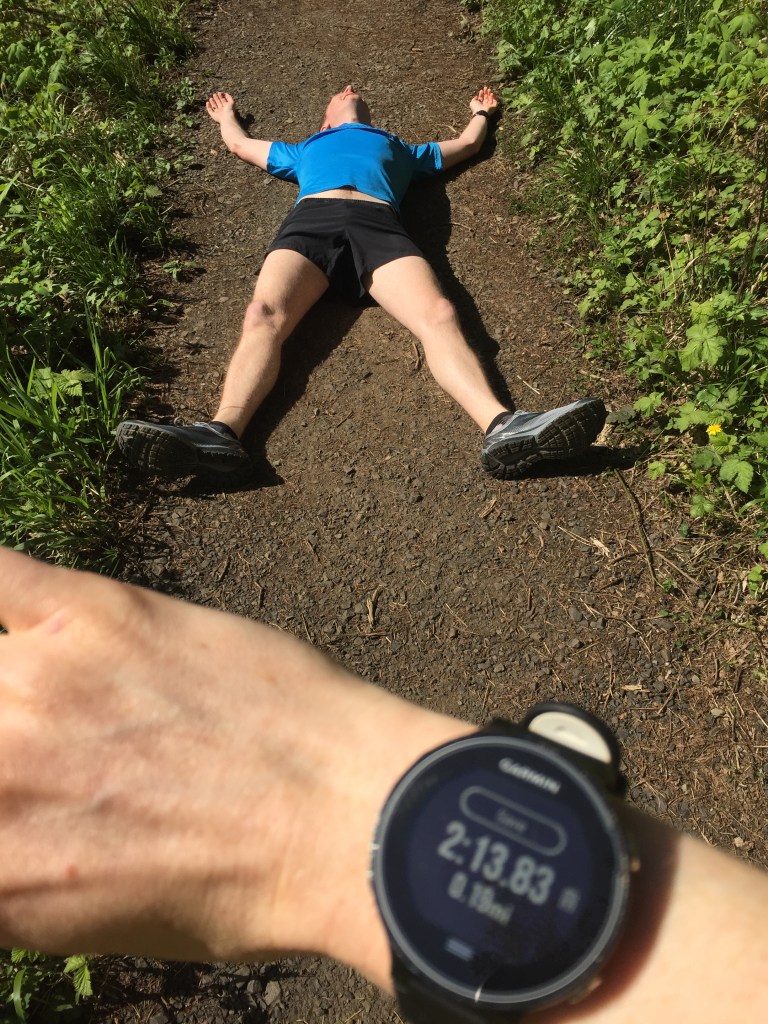
My carnival belly largely went away for the day once I stopped running and had a meal, but it was mildly painful and upset for a day or two afterwards. Relatedly, this week our annual relay team has taken the very different challenge of racing the 2020 relay race virtually, and because this race coincides with the hottest stretches of heat year after year (and no different this year), I had that same mild carnival belly throughout the day yesterday after a hard race effort in the morning heat that was quickly becoming uncomfortable. Similarly to the week before, the discomfort was mostly gone again within a few hours.

So What’s With the Carnival Belly From Exercise, and in Running Particularly?

When we exercise, our body directs blood flow away from the gastrointestinal tract and to the working muscles. This reduction in blood flow, accompanied by an increased release of stress hormones during higher intensity or long exercise efforts, as well as the high impact of running (just visualize the internal organs being jostled up and down as we run), all combine to cause damage to the cheesecloth-thin lining to the gut, leading to all sorts of uncomfortable symptoms, as well as impaired digestion and absorption of food and drinks.

And yes, all of this is fairly normal in small amounts given the nature of doing long or hard exercise bouts. When we are dehydrated (a big topic in itself for another day) and/or exercise in the heat or to an extent that we have a high body temperature, we further reduce blood flow to the GI system, increasing stress hormone release, and develop a higher likelihood of digestive distress. But what might be a small amount of discomfort and upset sometimes should not lead to or be confused with frequently occurring and/or greater than mild GI symptoms.

Despite the serene views, this was taken at the point in the day when the sun was getting hot, the water bottle was running low, and my fun to need-to-be-done ratio was starting to tip directions.

What Can We Do For MILD GI upset?
Rather than grimace and bear it, there are many nutritional and training strategies we can do to minimize GI distress. Primary strategies include being properly hydrated in the 24 hours before / after exercising, especially in the summer heat, as well as training the gut. Just like other aspects of the body, we can train our gut to tolerate different types of foods, fuels, and amounts. Other helpful tactics include avoiding NSAIDS around exercise (as frequent use negatively impacts the gut), and eating and drinking smaller and more frequent amounts during exercise–this method alone helps alot with optimizing absorption and reducing upset.

But what about when that GI ‘offness’ or tummy upset isn’t just mild, and it continues long-term or occurs frequently?

That’s what I’d love to ask about today. Having chronic or frequent digestive symptoms including nausea, GI pain or cramping, reflux, lack of appetite (in general or after exercise), bloating, gas, diarrhea, constipation, loose stools with undigested food, or limited food choices due to reacting to many foods are all big warning signs, kind of like our body’s version of a flashing yellow or red light telling us to proceed with caution, or just plain stop and seek to understand what’s going on.

Rather than address any of those symptoms individually or all together, I’d actually first like to know how common those symptoms are–so I’ve created an anonymous survey for you to tell me about them.

If you’ve followed along here longer term, you’ll know I write about digestion a lot as it’s one of a few factors that finally pushed me into clinical nutrition, and it’s honestly my favorite nutrition topic to help others with–partly due to my own challenges over the years, but also because it can be complicated and I love a good challenge.

So if you’d please, fill out the quick survey for me and I’ll see if I can share about any of those flashing yellow or red symptoms that can cause us distress in or out of exercise in the coming weeks.

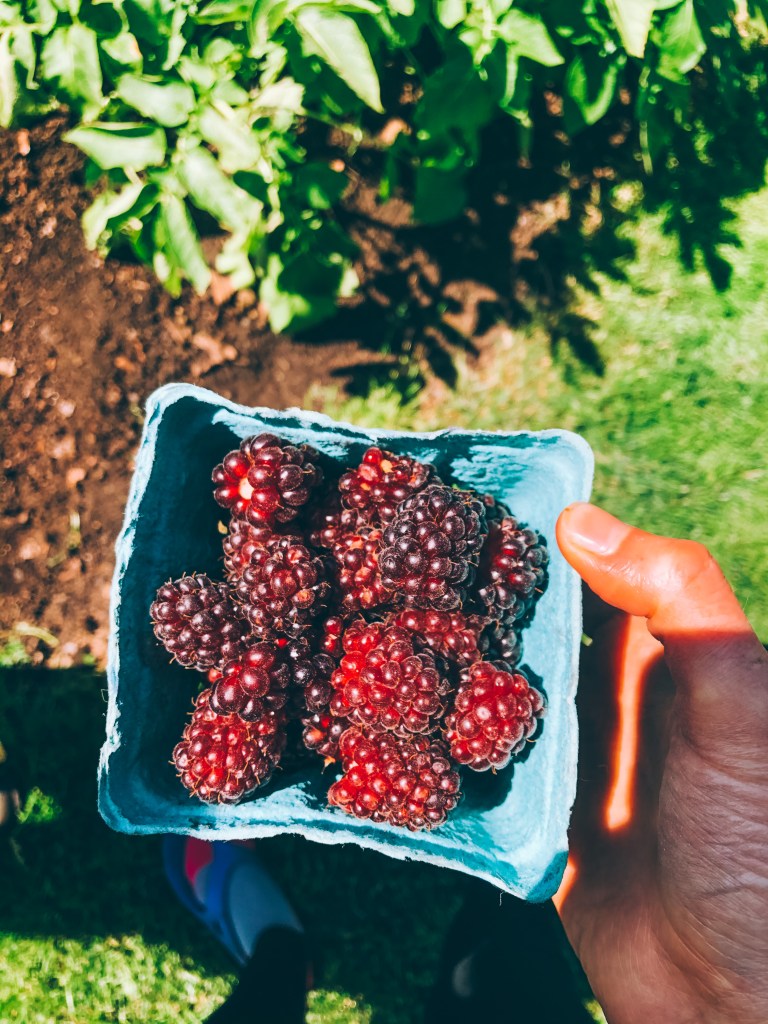
Best summer post-exercise treat / summer snacking — all the berries!

References:
Costa, R.J.S., Miall, A., Khoo, A., Rauch, C., Snipe, R.,…and Gibson, P. (2017). Gut Training: The Impact of two weeks repetitive gut-challenge during exercise on gastrointestinal status, glucose availability, fuel kinetics, and running performance.
Costa, R.J.S., Snipe, R., Kitic, C.M., and Gibson, P.R. (2017). Systematic Review: Exercise-induced gastrointestinal syndrome-implications for health and intestinal disease.
Snipe, R. (2018). Exertional heat stress-induced gastrointestinal perturbations: Prevention and management strategies.