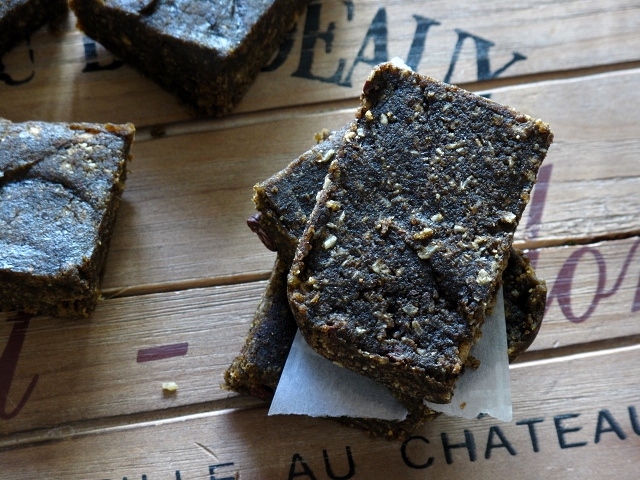
chocolate energy bars, 2 ways: coconut mocha & chocolate, peanut butter + sea salt

chocolate energy bars, 2 ways: coconut mocha & chocolate, peanut butter + sea salt

img_1339

img_1343


When I first changed my diet fairly drastically by removing gluten and then dairy, I did so with a totalitarian “whole foods only” frame of my mind. It was back in 2012, sort of at the onset of the gluten-free fad, when all sorts of new gluten-free processed foods were really starting to become mainstream. If I were going to be eating almost vegan and free of “normal flours,” I thought, I was going to do it all the way. I did not purchase or try gluten-free baked goods or vegan cheese.  If the ingredient wasn’t in basically the same form I could find it in nature, it wasn’t something I ate.

But there was also a double standard because I was really into baking then and still had a strong taste for sugar, so there were exceptions. Namely, I went through a phase of being obsessed with figuring out how to bake bread, pizza crust, desserts, etc. free of gluten and then dairy as well. Even though I don’t bake a lot anymore, and my flour cupboard generally gets much less use than ever before, I’m thankful for that baking phase because when I want it now, I have some really good staple recipes to draw from and the basic science of whole grain gluten-free and vegan baking down.
 

img_1333


These days, I’ve ventured into a way of eating that is a little less rigid than it was then–or perhaps it’s rigid in a different way and I can’t quite see it. In any case, I’m okay with a little more processing making its way into my recipes and meals. I began that because I recognized rigidity and eating perfectly is a hallmark of my disordered eating behavior. So recognizing that and doing something about it is why I started eating tofu and tempeh on an occasional basis. It’s why I nearly always have nutritional yeast in the pantry now, though I don’t use it super often. It’s why I made myself a big batch of Valentine’s cookies that were exactly what I wanted and then proceeded to eat the entire batch over the next two weeks, each day asking myself if I actually wanted a cookie, or perhaps many cookies, and each day eating exactly how many I was desiring. It’s also why I began to warm a little more to the idea of protein powder.

It turns out too that I might actually need more protein in my diet. Despite the general consensus (in the plant-based nutrition community anyway) that almost no one in the US actually needs more protein, I’m one of the few that might actually gain from eating more of it–for a couple of different reasons that have nothing to do with generally avoiding animal products but still add up to: providing our bodies with the right amount and types of foods is personal, and definitely not a constant. Adding more protein to my diet, strategically, is a current experiment I’m running. I’m not entirely sure it is necessary or will have the effects I’m looking for. But the protein powder is an easy way for me to adjust my eating patterns without making a drastic dietary overhaul.
 

img_1255


I want to mention too, I’m sharing these bars purposefully during #NEDAwareness week. If you aren’t familiar with NEDA, it is the National Eating Disorders Association and February 26-March 3rd is a week of increased advocacy about eating disorder recovery and awareness. If you’ve been visiting this space for some time or have read my About section, you’ll know I struggled with the eating side of that equation for several years, sometimes still do, and have since been doing much of the mental side of recovery more recently. Probably similar to many who have struggled with disordered eating behavior, I did not have much in the way of emotional support in the early years following reaching a restored weight. In fact, I often received, and still do to some extent, a lot of push-back about coming to a way of eating that works for me, and there were many individuals who really pushed me into stressful situations around food, for the sheer fact that they were completely unaware of my history or that struggling with food is about much more than a desire/dislike for eating too little or too much. And it is the part that tends to linger on. Often quite invisibly.

NEDA’s theme this year is It’s Time to Talk About It. As NEDA has stated:
It’s time we take eating disorders seriously as public health concerns. It’s time we bust the myths and get the facts. It’s time to celebrate recovery and the heroes who make it possible. It’s time to take action and fight for change. It’s time to shatter the stigma and increase access to care.

I couldn’t agree more. In the interest of keeping it really real for just a moment more, a few of you know I started writing even a little more personally about my continued recovery process in this last year. My general theme has been using that space as an online journal to completely lay out what I’m working with because writing and releasing it beyond me is immensely helpful. It has been the most intensely scary and sometimes challenging writing I’ve done. It has made me feel incredibly embarrassed and ashamed of the beliefs and views I hold on to. But acknowledging those challenging feelings has helped me to release and slowly grow beyond them as well. This is all to say, feel free to catch up with me there. And if you find that you, or someone you care for, is struggling with what might be an eating disorder, please reach out to someone. It ended up making all the difference for me.    


img_1351


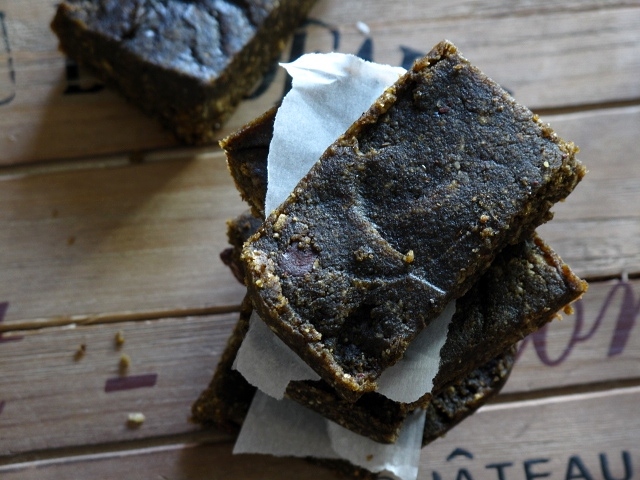
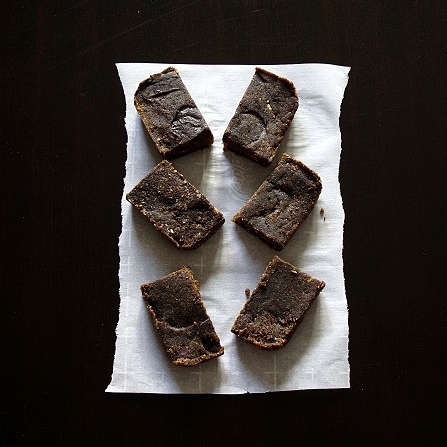
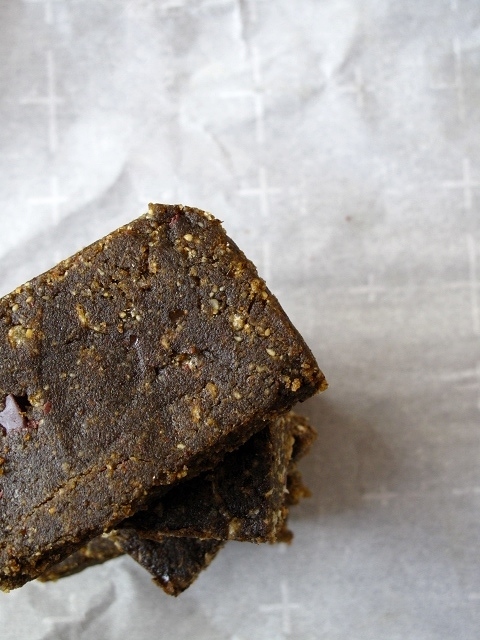
Now, I’m sharing these energy bars because I think of them as my recovery snacks. I tend to eat granola/energy bars in the mid-mornings or mid-afternoons on a fairly regular basis and generally I make my own. I designed these with the idea of eating them after a run to kickstart the recovery process when a larger meal isn’t coming super soon. So they have more of the suggested endurance recovery carbohydrate to protein ratio of 3 or 4:1. But I also find I can handle a portion of a bar 30-45 minutes before a hard effort too with no problems. And because of the slightly higher protein content, I also have been using them whenever I just need a snack in general since they are a slightly better option right now than my old stand-by of mesa sunrise and almond milk.

I recognize these are specialty bars, designed for a specific person and purpose. But if you like the idea of a Coconut Mocha or Chocolate Peanut Butter Bar that is delicious and nutritious, these might be for you too. If you’re not overly concerned about needing more protein, there are options for alternatives as well.


Peanut Butter, Dark Chocolate + Sea Salt Bars, makes 8
1/2 cup (100 g) peanut butter
6 (100 g) pitted Medjool dates
6 Tbs. (50 g) hemp protein powder*
1/4 tsp. sea salt
1/2 tsp. cinnamon
2 tsp. (10 ml) raw honey or maple syrup
1 1/2 cups (50 g) crispy rice cereal, gluten-free if necessary
2 Tbs. +2 tsp. (40 ml) water
1 square (10 g) dark chocolate, broken into chunks
additional sea salt for topping

  • Puree the peanut butter, dates, hemp, salt, vanilla, cinnamon and honey in a food processor until completely combined.
  • Add cereal and 2 Tbs. water and pulse a few times more until it just comes together. Add a little more water as needed. Then stir in the chocolate chunks.
  • Turn out and press into a 8×8-inch baking pan, or something of similar size. Then, sprinkle with a few shakes of additional sea salt, and gently press in. Chill in the fridge for at least 30 minutes, and then cut into individual bars, store, and eat as needed. They will last in the fridge for at least two weeks with no change in texture/consistency.

Coconut Mocha Bars, makes 8
1/4 cup (50 g) cashew butter
2 Tbs. (10 g) coffee beans, finely ground
1/4 cup (30 g) shredded unsweetened coconut
6 (100 g) pitted Medjool dates
6 Tbs. (50 g) hemp protein powder*
1/4 tsp. sea salt
1 tsp. vanilla extract
1 tsp. (5 ml) coconut oil
1 Tbs. (15 ml) maple syrup
2 cups (65 g) crispy rice cereal, gluten-free if necessary
2 Tbs. + 2 tsp. (40 ml) water
2 squares (20 g) dark chocolate, broken into chunks

  • Puree the cashew butter, ground coffee beans, coconut, dates, hemp, salt, vanilla, coconut oil, and syrup in a food processor until completely combined.
  • Then add the cereal and 2 Tbs. water as needed. It should come together easily when you pinch the ingredients with your fingers. Add a little more water if needed.
  • Then stir in the chocolate chunks.
  • Turn out and press into a 8×8-inch baking pan, or something of similar size. Chill in the fridge for at least 30 minutes before cutting, storing or eating.

*Notes: For a hemp protein alternative, try another plain plant protein powder such as pea or rice, or use the same quantity (by weight) of hemp, sunflower, or pumpkin seeds.
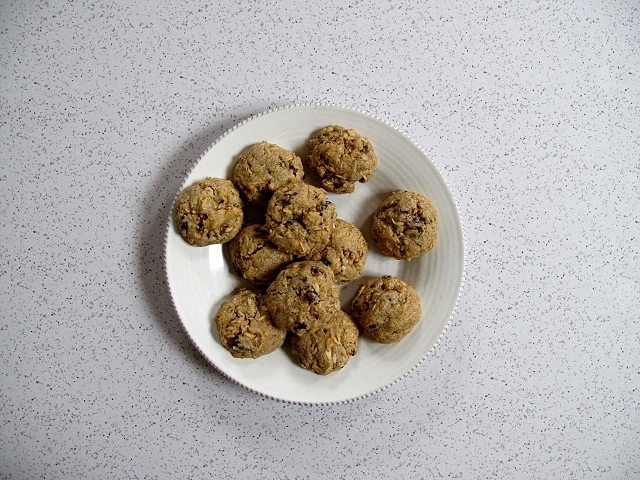
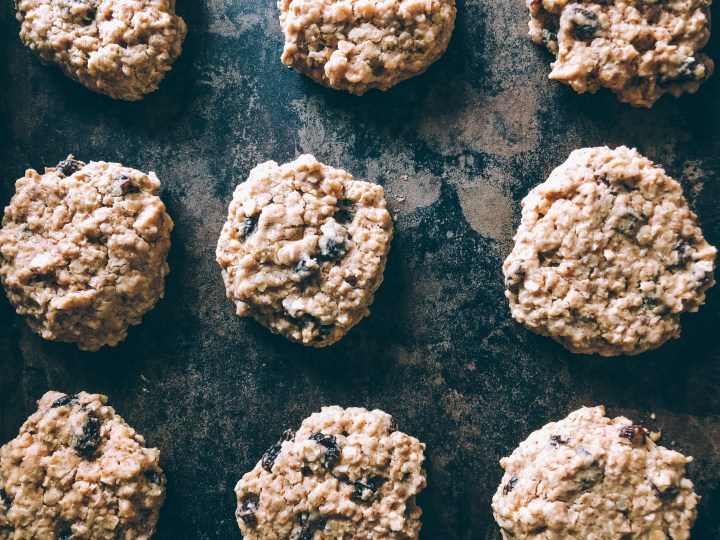
more than cookies – Oatmeal Raisin Cookies {gf / vegan}

more than cookies – Oatmeal Raisin Cookies {gf / vegan}

IMG_4499

The Track + Field Trials have been going on in town these last couple weeks and I originally intended to meet a bunch of Oiselle ladies, go on a group run or two, and generally engage (a little) in the festivities. This is part of my 2016 doing-the-hard-things mission of showing up, getting involved, and not hiding with the areas I’d like to do more but feel unworthy of–like being part of a more supportive community.

Instead, I have been tapering and then recovering from a race, feeling a little run-down like I’m fending off a summer cold, in deep with my two summer classes, and commuting to and fro work. I haven’t felt like being social and using up excess energy to meet new people and navigate crowds. So I’ve been hunkering down in my little corner of the city, not venturing beyond it.

It has felt a little like hiding but also necessary to preserve my energy, do some reflecting, practice breathing,  journaling, and listening to what I need.

IMG_4497

I was asked a couple weeks ago to be the leader of the local food action team I’m a part of in Corvallis and after considering it for quite some time, I agreed. It was a decision made with a lot of mixed feelings because the group is a part of a city I no longer reside in, likely won’t be working in much longer, and generally miss a lot. Eugene and I have had some growing pains, i.e. I’ve checked out most of the super-local trails, the too-crowded farmers market, and the little grocery store we prefer to shop in for local goods. I’ve ignored more than a few unnecessary comments while running, felt a little unsafe some days on the bike path, and  almost stopped using my GPS to go new places. At this point, it feels like the next step for me in this new place is to simply show up for opportunities to create and be a part of the community. Instead, I find myself avoiding the Eugene farmers markets, run meet-ups, and yoga invitations, shopping in Corvallis or on the farm there directly instead, and putting my energy and ideas into how to promote local food in Corvallis, in what still is my community, no matter my current address.

In times when more self-care is needed, like this last week, I often use my relationship with food and body image as a barometer for how I’m doing. As I’ve shared before, eating with the source of my food in mind has helped me to have a better relationship with my body, to not focus so much on good/bad, too much/too little, and stress about controlling all the variables. Since moving, I haven’t done such a good job of this. Relocating to a new city is stressful and adjustments are hard–my mind has often resorted back to the things that it (thinks) it can control, food, calories, amounts, and my body. More than ever, I’m conscious of  it these days and trying hard to stay gentle, to be kind with myself, to forgive, and to understand that there will be both good and bad days. I will eat too much. I will eat too little. I will listen to what I need and I’ll ignore it. This is normal eating and that’s okay.

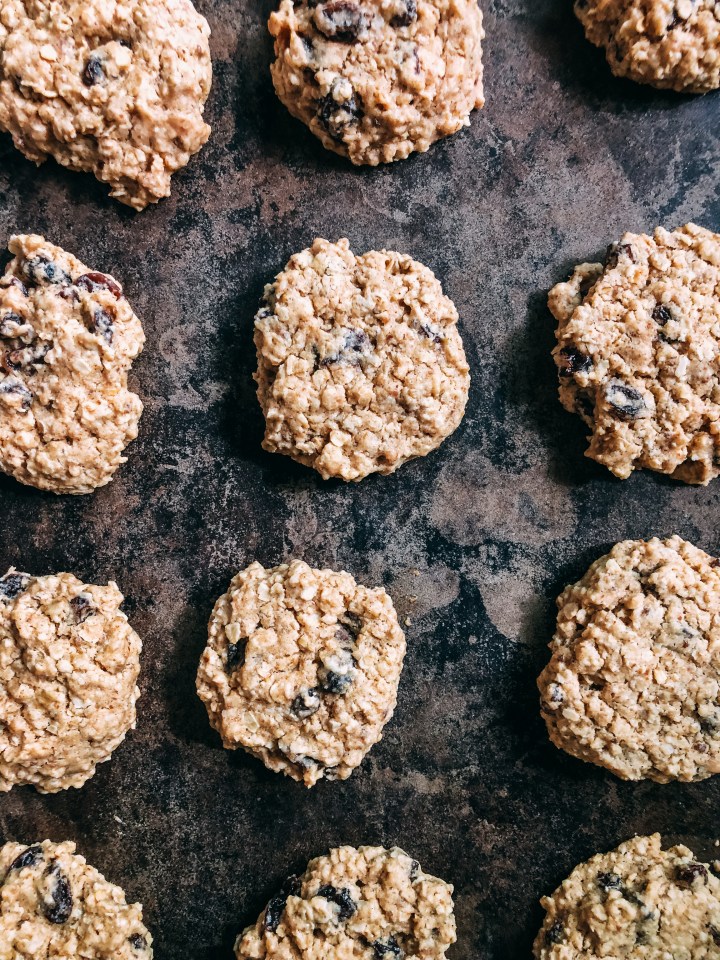
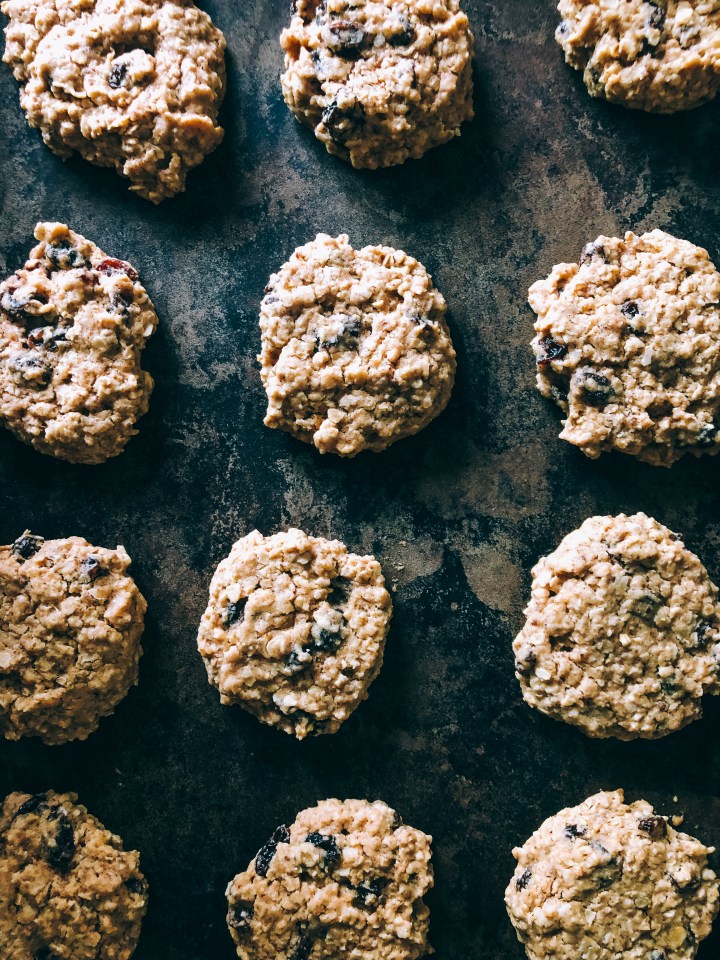
One thing that is good practice is experimenting with baked goods. I’ve been experimenting with a good oatmeal raisin cookie that’s gluten free, dairy free, and enjoyable by all for going on ten months now. I don’t make them too often, once a month or less, and mostly on days I need some baking therapy. Thankfully, William loves my cookies and also shares them at work. The tweaks have been quite small lately and because I’m a perfectionist, I’ve been slow to call time on this experiment. The thing about baking is that I do have a sweet tooth but I eat a lot more fruit than other sweet things and refined sugar often hits my system like a drug. It feels like a trip that I do not necessarily enjoy, even as the first hit goes down real nice and I initially want more-more-more. Then my body says please do not feed me this- you’re making my mind crazy anxious. It is why I don’t eat or share many true desserts anymore.

The practice of baking is good though because it repeatedly allows me to ask myself what do I really want before taking a bite. Do I want a cookie? If not, what am I desiring? Am I being a little too obsessive about health and putting negative labels on treats? Most of the time, I choose something else or have one cookie and an apple. Sometimes, I have three cookies or two giant slices of birthday cake and try not to overthink it. It is okay to indulge once in a while. My body needs more (care/support/kindness/food) than I ever aim to give it. Thankfully I’m learning to feel what it needs, honor that, forgive, and ignore the thoughts that lead to disorder a little more as time goes on.

It’s not always easy to know and trust my own motives. I’m learning. I fail a lot.

IMG_4498

Prior to starting this cookie project, I hadn’t had an oatmeal raisin cookie in years, basically because I’m a giant snob and have found only one person who makes gluten-free, dairy-free cookies I consider worthy of eating (ahem, me). William is also a cookie snob and he has no dietary constraints or prejudices about trying all the cookies. A few weeks back I decided to tweak another version and in the process found I’d ran out of the main type of sugar I was planning to use. Thus, this version was born. William decided it is the keeper recipe and after eating half the batch, he gifted me with what I consider to be the best anniversary gift by casually mentioning, You make the best cookies: the flavor, the texture, they’re perfectly baked, everything. And I know cookies. I eat a lot of them. 

Even if I like the idea of eating cookies more these days than actually eating them, I’ll take the compliment. I’ll take the practice of baking and experimenting, I’ll continue asking the tough questions, being open-minded, and being a little more open about the process.

Oatmeal Raisin Cookies, makes ~ 2 1/2 dozen
Recipe Updated: 2/9/25

Recipe Notes: I have only experimented with my own flour mix. It is 70% whole-grain by weight and contains 10% buckwheat flour. Though it comes to a small amount, we really love the addition of buckwheat to cookies. 

2 Tbs. ground flax seed
6 Tbs. water
1 1/4 cups gluten-free flour mix
2 cups quick oats, gluten-free as needed
1 tsp. cinnamon, optional
1/4 tsp. nutmeg, optional
2 tsp. baking powder
1/2 tsp. sea salt
2/3 cup coconut oil
2/3 cup brown rice syrup or maple syrup
2 tsp. pure vanilla extract
3/4 cup raisins

  • Preheat oven to 350 degrees F.
  • In a small bowl, whisk the ground flax seeds and water to form a slurry. Set aside.
  • In a large mixing bowl, stir together all the dry ingredients and then set aside.
  • In a liquid measuring cup, whisk together the oil, brown rice syrup, and vanilla. Then mix in the flax slurry.
  • Pour the liquids into the dry ingredients and stir together until combined. Then mix in the raisins.
  • Using a medium cookie scoop or a spoon, drop onto a baking sheet or stone and bake for 12-14 minutes, depending on your oven.

June Notes

IMG_4337


As early as I could after the move, before we’d begun turning the back yard into a garden, I went out to the fence and planted peas. In the last couple of weeks, we’ve been drowning in peas. My mid-morning and early afternoon snacks are handfuls of snow peas and they’ve been making their way into every dinner and leftover-lunch. I’ve also been harvesting gorgeous amethyst radishes and the contrast of neon purple and garden green in our dinners makes the meals even more delicious.

Most often, I’m quickly chopping a few cups of assorted vegetables and giving them a quick sauté with olive oil and salt and pepper. I tend to make this the main portion of my plate or add into whatever else I’m making. When they’re this super fresh, vegetables are irresistible and don’t need much in the way of flavor add-ins. The season of eating what’s abundant from the garden is truly upon us and I’m excited to share more recipes with local and homegrown flavors soon!

I’ve also been continuing the work of rewriting old scripts with the help of a few short reads and podcasts. They are ones I’ve listened to and read multiple times these last few weeks. I’m finding these seasonal reading and recipe shares are good places to drop my thoughts, and I often come back to them later for fresh re-inspiration. Enjoy!


Totally Obsessed With:

Greg Faxon’s Interview on Running On Om: This podcast episode is absolute gold. The best thing I took from it is the practice of having high intention and low attachment.

Mantra: You can do hard things.

Oatmeal with fennel seeds and (fresh) apricots. It’s a thing. Try it.

Lindsey’s cookbook, Chickpea Flour Does it All. I’m basically making variations of her spring recipes non-stop.


In Season: Peas + Strawberries

Rustic Indian Samosa Pie with Cilantro-Mint Chutney

Quinoa, Avocado, Peas + Pistachio Salad

Strawberry Tabbouleh

Strawberry, Asparagus + Radish Flatbread

Strawberry + Basil Bruschetta


Reading:

The Magic Zone.

The Power of Narratives.

You Don’t Have to Believe What You Think.

Why Supplements aren’t the Same as Foods.

Five questions to ask yourself about your relationship with food.