On days I’m a little overwhelmed or harboring heavy feelings at the state of events lately, I’ve pulled up a short video that harkens me right back to my 14 through 18-year old self. I can smell the straw and the hay, the musty dust in the barn air, the damp, oily, pungent scent of wool, and of lambing. The smell of iodine as we dipped new lamb’s navels. And this, one of the most soothing of sights. It’s slightly ironic that I had been thinking for a long while about sharing a non-dairy milk in this season. Since for adults, milk is not actually mandatory food. Yet most of us still drink milk or ‘mylk’, in whatever way. And it’s clear to me that my routine of watching the new lamb drinking one of its first meals, the soothing calm I feel when returned to old memories, is all about finding some comfort, and of the awe of watching new life, a whole new world unfolding.
For the last few weeks, I’ve been fairly quiet and unsure of my place in this current moment we’re in. I’ve experienced the range of emotions like a lot of people. I’ve been so close to just quietly closing my facebook account for sheer “can’t handle the vile and ignorance there,” but I’ve also understood – because I too was once extremely ignorant. And in some aspects, am only a little less so now. I’m still learning, along with most of us.
But I also have been sitting on several recipes and meals, several thoughts about our relationships to our bodies, and how we block out how we’re really doing in order to navigate our worlds. I’m not sure I have the bandwidth yet to to delve deep into those second topics, but we all need to eat, and in our own ways, find comfort amidst the sometimes dramatic shifts of the ever-changing seasons.
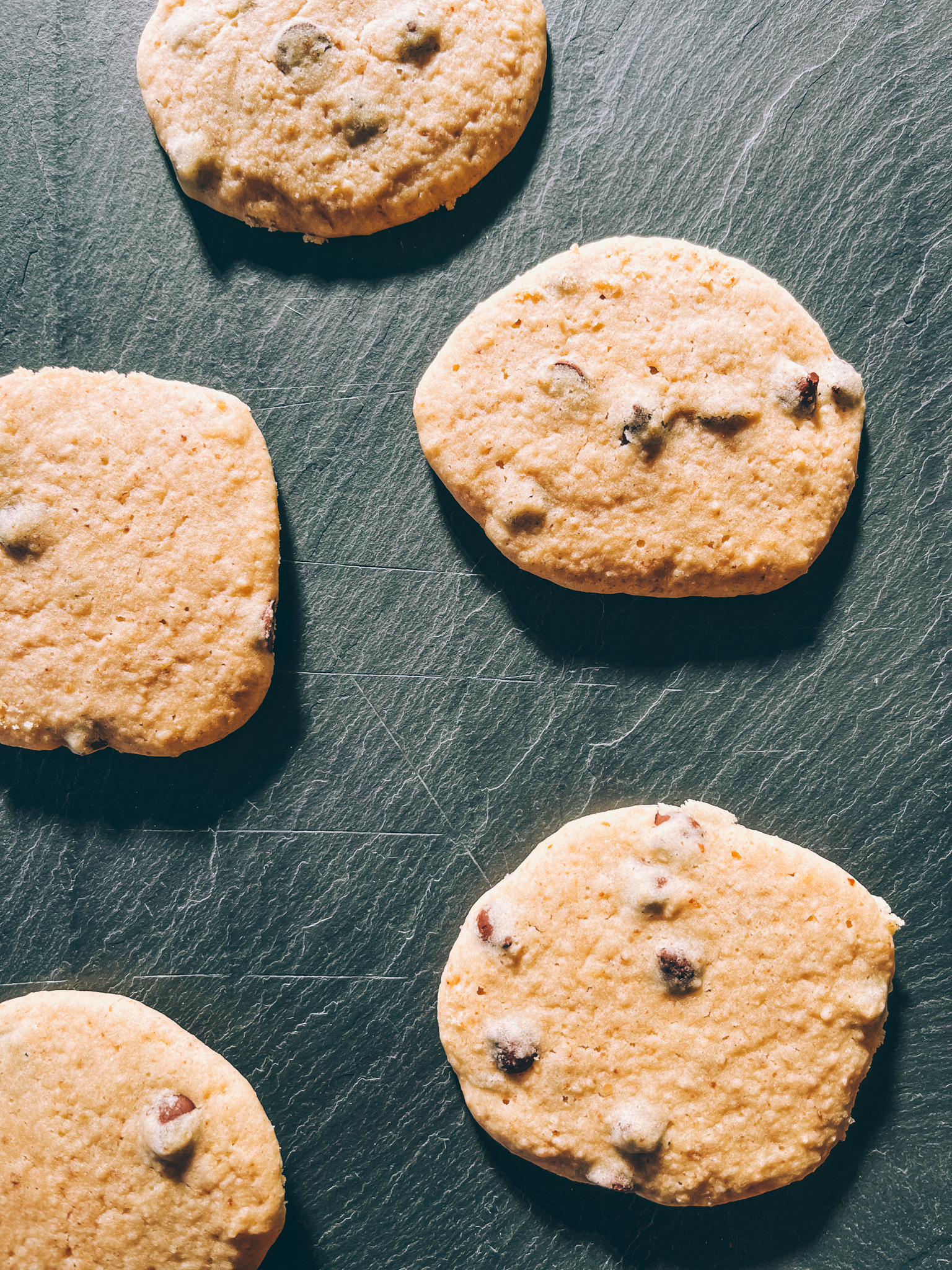
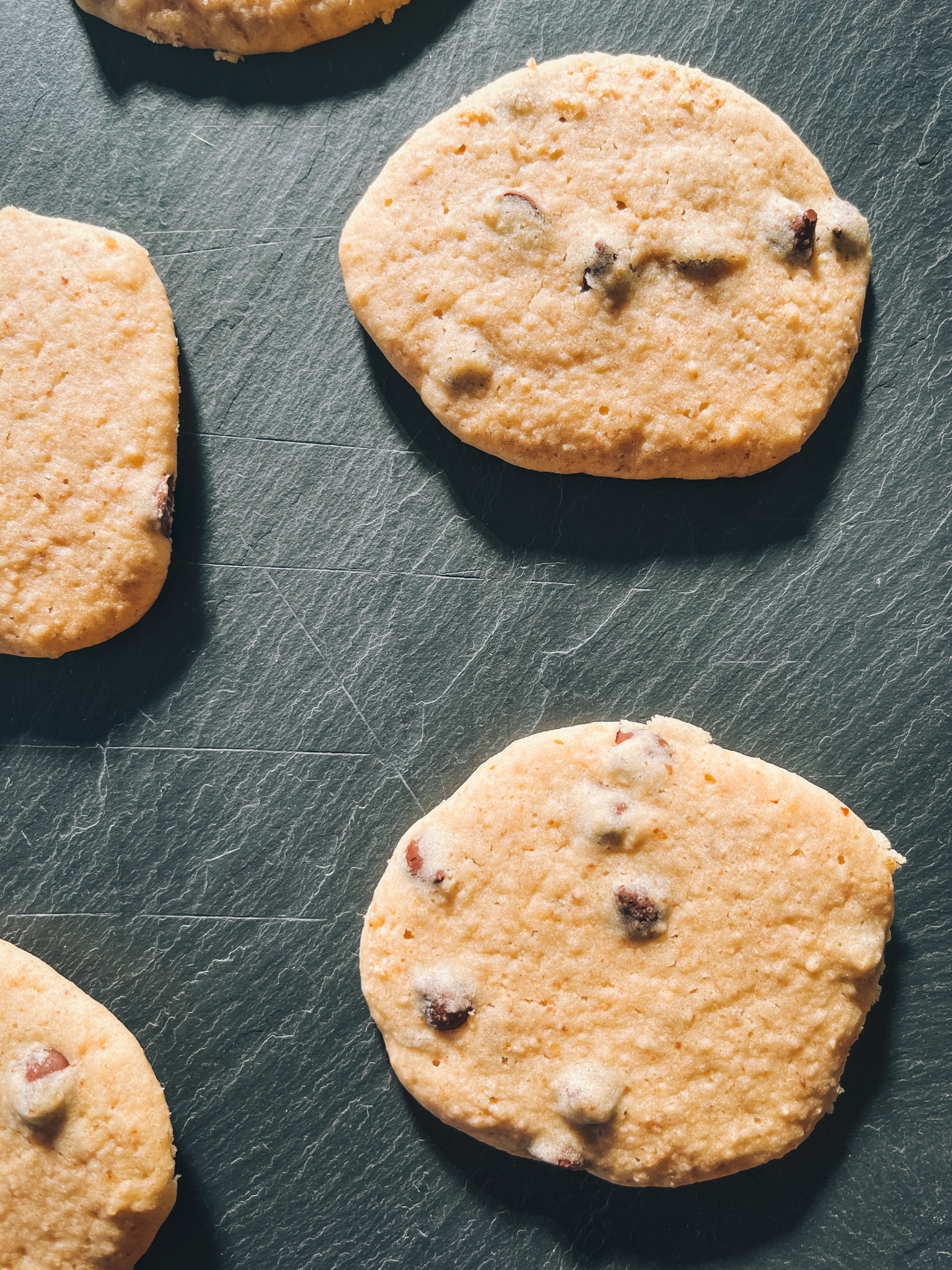
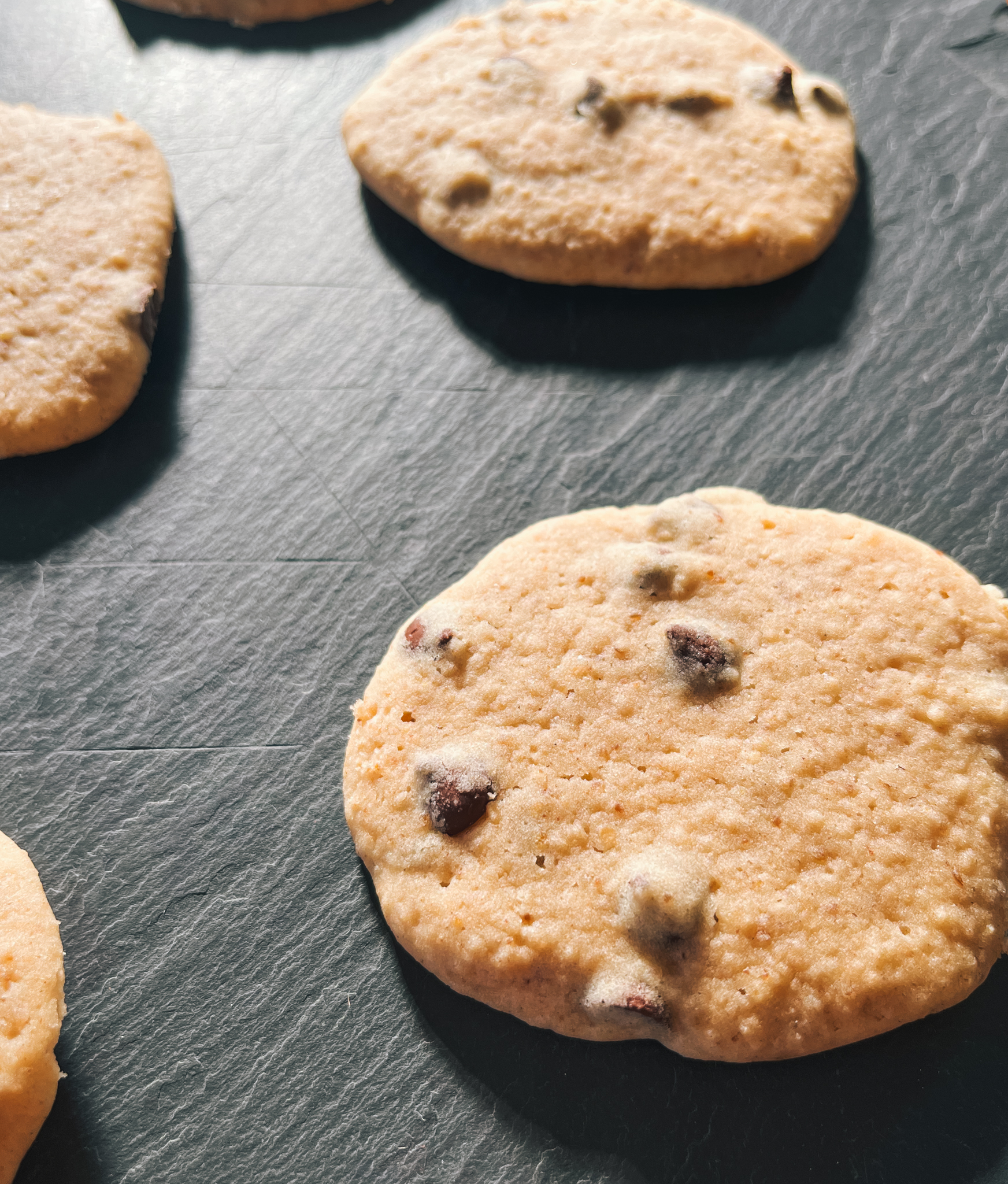
Today I’d thought to share my norm, a healthy seasonal recipe. But on this solstice weekend, what’s speaking to me more is that idea of comfort amidst change. So we have instead an updated recipe of the ultimate American comfort classic, Chocolate Chip Cookies. If you need a little treat, go ahead and make them, along with the non-dairy milk I last shared, and enjoy while watching the video linked above on repeat. The trio will be a comfortable hug to self. :)
Lastly before the recipe, a couple lines from a blessing I’ll share more about in coming days or weeks. Whether you choose to make cookies or not, I encourage you to meditate on the meaning of these words to you as you make a meal or treat in the kitchen, or during your next workout, next yoga session, or time in silence contemplating the solstice:
May your body be blessed. May you realize that your body is a faithful and beautiful friend of your soul.
From A Blessing for the Senses by John O’Donohue in his Anam Ċara
Chocolate Chip Cookies (gluten + dairy-free), makes about 24 These make a soft, chewy, chips-ahoy style cookie. Recipe Updated: 1/28/23
1 2/3 cups / 200 grams gf all-purpose flour 1/2 cup / 50 grams quick oats, gluten-free if necessary 1/4 cup sugar / 50 grams 1/2 tsp. salt 1/2 tsp. baking powder 1/2 tsp. baking soda 1/2 cup /112 grams non-dairy butter 1 egg or flax egg 1/2 cup / 120 ml brown rice syrup or maple syrup 1 1/2 tsp. vanilla extract 1 Tbs. water 1/2 cup / 80 grams dark chocolate chips or 1/2 cup of rough chunks, from a dark chocolate bar
Preheat oven to 375 degrees F. If using flax instead of an egg, mix 1 Tablespoon ground flax seed with 3 Tablespoons warm water and stir together to form a little slurry.
Mix the dry ingredients in a large bowl and set aside. In a medium bowl, whisk together the oil, egg or flax mixture, brown rice syrup, vanilla and water.
Stir into the dry ingredients, and mix in chocolate chunks.
Cover and chill the batter for about an hour or overnight.
Divide into cookies on a baking pan and bake each batch for about 10 minutes.
I had an idea of something different that I’d share here today but the past few weeks, with the news cycle, panic-stocking, and fear of a pandemic virus circulating, an entirely different reassurance presented itself to me this morning, so I’ll share it with you.
I was listening to a short meditative story on the goddesses of hearth and home, with the primary archetypes being Hestia or Vesta in Greek or Roman mythology. I was reminded that Hestia’s name means hearth, fire and alter, and that where we create warmth in our homes can also be our alters. Literally—where we create our meals can also be our sacred space.
So often when our minds run ahead or circulate around in fear or worry, it helps us to pull our energy down from that space, down from our head and into our body. This is partially why I find so much joy in athletic activity, as the meditation of physical movement is where my mind can more often turn off. And it’s partially why the kitchen is my favorite space in my home, the figurative center of the home, as it often is for those who love to cook.
For most of us, cooking and providing for ourselves and families are tasks that go on in the background of our lives, not tasks that we consider noteworthy or adventurous undertakings. But as Hestia’s name portrays, they can be powerful and sacred tasks, helping us to do what we’d otherwise avoid, drawing our minds down into our physical bodies, tuning into the senses of using our hands, noticing the smells, sounds and flavors of cooking.
As the onslaught of emails about immune health have reminded me in the past few days, combatting our daily stresses—literally not allowing the mind to run away into worries or coulds about the unknown future—is a powerful antidote to the weakening effects of that stress on our immune systems.
As the weather and temperature shifts into spring if you’re in the northern hemisphere, or fall in the southern, traditional medical wisdom tells us that now is a time when the shifting environmental patterns can invite in more physical or mental illness manifestations. I suspect this is contributing even more to the increasing anxiety and nervousness, and outright fear of our neighbors and community members that we’re currently facing.
The best remedies to combat the anxiety and fear are tuning into the body, acknowledging what it is feeling rather than running or distracting away from it, tuning into the senses, cooking nourishing meals, selecting an enjoyable kitchen playlist or podcast to invite in more relaxation, eating warming and nourishing foods, and deep breathing.
Falafel Loaf, serves about 4 Recipe updated slightly: 3/12/23
-This is great way to incorporate the flavors and ingredients that support our systems as we shift into spring: pungent vegetables like garlic and onion, spices to support moving the winter sluggishness from our liver and digestion including cumin, coriander, and cardamom, and ample herbs like cilantro for the same. If this particular herb is not your favorite, sub in parsley or mint instead. -With all the flavors of falafel but with easier prep and the ability to put it in the oven and walk away for a while, you’ll love this loaf-version of falafel. Plus, it allows for time to focus on the side ingredients, which in a pinch are sauteed or braised cabbage, and the quick tahini sauce linked below. – I haven’t tried making this without the egg since I’ve had limited success with egg-free veggie loaves or burgers staying together, but ground up chia or flax seeds would be my suggestion if that’s needed for you. – You may use another high-protein whole grain flour instead of the chickpea flour, such as amaranth, quinoa, or sorghum flour.
3 garlic cloves, peeled + roughly chopped 1 large onion, roughly chopped 2 tsp. ground cumin 2 tsp. ground coriander ¼ tsp. ground cardamom 1 ¾ cup cooked chickpeas or 1 can, drained and rinsed 1 Tbs. apple cider vinegar 1/4 tsp. sea salt + more to taste ½ tsp. freshly ground black pepper 1 tsp. baking soda 1 egg ¾ cup chickpea flour ¾ cup finely chopped cilantro
In a food processor, pulse the garlic, onion, and spices, scraping down sides as needed, until coarsely chopped, 30-45 seconds. Then add the chickpeas and apple cider vinegar, and pulse again briefly. Transfer to a large bowl.
Add the salt and pepper, baking soda, egg, chickpea flour and finely chopped cilantro. Gently stir to combine, being careful not to mash the mixture too much. Spoon the mixture into a 8 ½ x 4 in. loaf pan that has been lined with parchment paper. Smooth it down so its even, and then bake until the edges are browned and the center is completely set, about 60-70 minutes.
Transfer the pan to a wire rack and let cool at least 15-20 minutes, remove from the loaf pan onto a cutting board.
To serve, cut into big slices and drizzle garlic tahini sauce on top, serve with greens, socca, or other sides of choice.
In the health, wellness, and fitness community, we often hear all about the macronutrients (fat, protein, and carbohydrates). Yet, a nutrient that’s incredibly beneficial to our health is far less mentioned. That’s fiber.
Fiber is best known to keep you regular or prevent constipation, but there are many more benefits. In the athletic community, the one that comes to mind first is helping to relieve that ‘hungry all the time’ feeling that often comes with heavier training loads. Next is gut health, lowering disease risk, and helping to regulate the body’s use of sugars.
Dietary fiber consists of the non-digestible carbohydrates from components of plants. The human body does not make the types of enzymes needed to break the bonds in these fibers, so they pass through relatively intact.
Fiber is found in most plant foods, primarily vegetables and whole grains, as well as nuts, seeds, and fruit. There are two types of fiber— soluble and insoluble. Both are beneficial to our health.
Soluble fiber absorbs water and turns into a gel-like consistency that slows down digestion. Ever had chia pudding or chia in a smoothie and felt full and satisfied for hours? That’s the soluble fiber at work. Soluble fiber also helps slows the absorption of sugar into the bloodstream so blood sugar levels remain more stable. Food sources include chia, psyllium, flax and other seeds and nuts, oats and oat bran, lentils, peas, and some fruits and vegetables.
Insoluble fiber is not digested by the body. It is helpful for clearing out the buildup of undigested food and environmental and metabolic toxins in the digestive system as it moves through. Insoluble fiber also helps get the digestive system moving and eliminate any constipation. (Side note: constipation is not just having difficulty having a bowel movement. That’s the extreme. It also refers to spending more than just a couple minutes on the toilet, passing hard, dry, small pieces, failing to eliminate daily, and transit time beyond 12-24 hours.) Now that we’ve got that cleared up, insoluble fiber can be found in whole grains such as oats, millet, quinoa, sorghum, amaranth, brown rice, farro wheat, beans, and fruits and vegetables.
Fiber Nourishes Your Gut
Your digestive system is home to trillions of beneficial bacteria, called the gut microbiome. They live in an (ideally) symbiotic relationship with you. This means you and they both benefit from them being there. Just like you, the microbes need to eat to live and grow, so they obtain nourishment from the food you eat. In the case of beneficial bacteria, they feed on the undigested part of the food, (fiber), that is passing through your large intestine by fermenting it into short chain fatty acids such as Butyrate.
A healthy gut microbiome can protect you against disease-causing bacteria because the good bacteria compete for space in the intestines, literally out-populating the bad bugs from taking hold. It can also help you absorb otherwise non-absorbable nutrients like certain antioxidant polyphenols, produce some micronutrients like vitamin K, and provide needed fuel for the cells in the colon. Production of short chain fatty acids by bacteria in the intestine plays an important role in the maintenance of the intestinal barrier. What’s more, Butyrate has also been shown to be protective against colon cancer.
Whereas we don’t want an overgrowth of bad bacteria, having ample and diverse beneficial bacteria is a hallmark for optimal health. Low beneficial bacteria can impact your protective mucus lining in the intestinal tract, which supports up to 80% of our immunity. The commonly used phrase “leaky gut” comes into play here when the interplay between a low fiber diet, low beneficial bacteria count, and difficult to digest macromolecules poke holes in the cheesecloth-like fragility of the intestinal lining and then opens the way for the immune system to do its job –in overdrive – resulting in sensitivities, intolerances, and allergies to many foods that are in your normal routine. Prolonged problems here are part of the pathophysiology of autoimmune diseases.
Fiber Keeps You Feeling Full Longer – Read this again during your next heavy training cycle!
Because fiber is so difficult for your body to break down, it stays in your gastrointestinal tract longer compared to simple carbohydrates like table sugar. Having food in your system helps you feel full longer. This is partly why eating an apple is better than 100% apple juice (stripped of fiber), which is then better than apple-flavored juice (stripped of all nutrients). We even have studies showing that diets rich in high-fiber whole foods help reduce the perception of hunger. This is good information if you experience the “hungry all the time” feeling during heavy training cycles when you’re actually eating enough.
How much do we need?
Research has found that hunter-gathers ate a large quantity of fiber compared to modern humans, upwards of 100g of fiber per day. The average American has around 10-15g per day, and the US Dietary Reference Intake is around 25-38g of dietary fiber per day – which is well above that of the average person –but easily achieved by gradually increasing plant-foods in the daily routine. Can we consume too much? Yes, that is possible. Too much fiber can lead to a bowel obstruction and diarrhea (which is also caused by many other factors).
Caveats
Some therapeutic diets eliminate fiber-rich carbohydrates temporarily with the aim of improving long-term health and shifting the microbial population. For example, this is the purpose of the low FODMAP diet for small intestine bacterial overgrowth (SIBO), and the candida protocol. Individuals who try an extreme low-carbohydrate or ketogenic diet also do so with the intention of improving health –often by way of improving the body’s response to sugars. But what’s commonly left out of the conversation is that all of these diets are meant to be temporary, because they all come with long-term negative health consequences such as eliminating all those beneficial bacteria that feed on fiber.
One more thing, we often hear the advice to reduce fiber in the days before a big athletic race, or eat ‘quick sugars’ in the few hours before athletic activity. This advice largely depends on the person, since just like we can train our bodies, we can also train our gut. Some of my best marathons were run after eating my routine high-fiber dinner and breakfast. I’ll delve more into this topic soon! 😊
Summary: Dietary fiber is an essential nutrient required for proper digestion of foods, proper functioning of the digestive tract, and for helping you feel full. A deficiency of fiber can lead to constipation, hemorrhoids, and elevated levels of cholesterol and sugar in the blood. Conversely, an excess of fiber can lead to a bowel obstruction and diarrhea. Individuals who increase their intake of fiber should do so gradually since this internal adjustment is going to adjust the populations of beneficial (and not so beneficial) microbial species in the lower GI –and thus might initially come with uncomfortable symptoms.
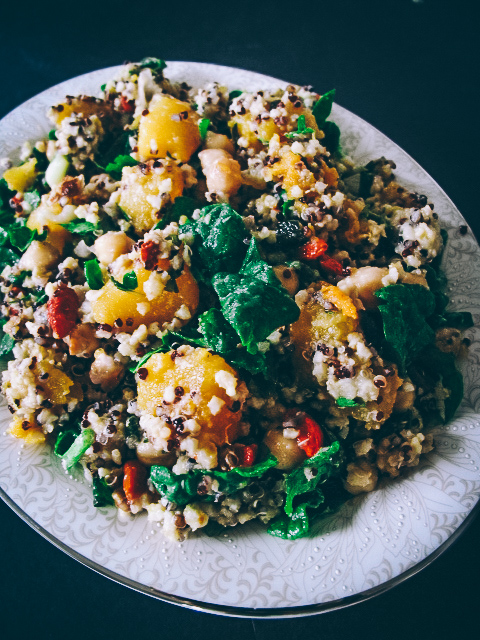
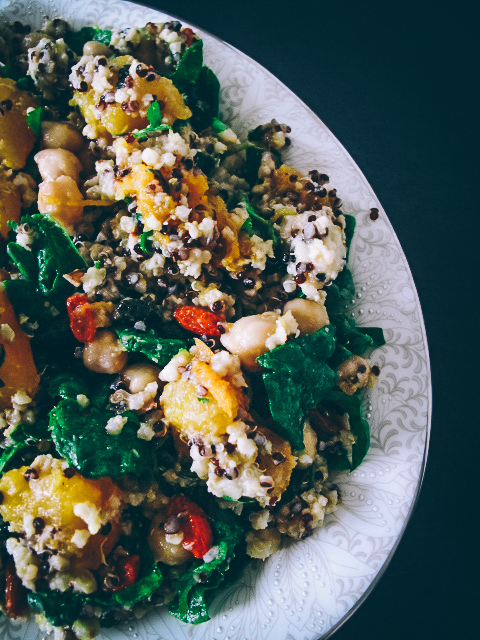
Now that we’ve got our daily dose of nutrition wisdom, let’s eat! William labeled me the queen of grain salads the other night after presenting this dish. It’s a seasonal variation on a plethora of other fiber rich tabbouleh-like grain salads in the recipe archives of this space –and one I’m really favoring right now for the bright colors, balance of slightly sweet and savory, and all in one dish for dinner. I routinely use millet or quinoa, but used both in this version. We had a stockpile of pumpkins in our house from last season’s harvest which I’ve by now mostly used up, but I noticed at our local farmers market last weekend that winter squash and pumpkins are still going strong—locally we tend to have them until mid to late March. If they’re less available near you, swap them out for some other seasonal vegetable – or leave out completely.
Winter Tabbouleh, serves 4-6 1 small pumpkin or winter squash (about 2 cups cubed) 1 cup millet or quinoa or a combination of both 2 cups water or vegetable broth ¼ tsp. cinnamon 1 cup cilantro ½ cup mint 3 green onions ¼ cup walnuts, chopped and lightly toasted ¼ cup goji berries 2 cups cooked garbanzo beans 1-2 handfuls spinach or other greens, optional 2 Tbs. apple cider vinegar 2 tsp. honey 1 Tbs. olive oil salt and pepper to taste
Instructions
Heat oven to 400 degrees F.
Cook millet by combining with 2 cups of water or broth, along with the cinnamon, in a medium saucepan and bring it to a boil. Turn down to a simmer, cover and cook until the liquid is completely absorbed, 25 minutes. Set aside to cool.
Place the squash cubes on a baking sheet with a little water. Bake for 25-35 minutes until the squash is soft. Alternatively, you can bake the squash whole until soft, then peel off the skin and chunk into pieces. This is my preferred quick-prep-ahead method lately.
In a large bowl, toss together the garbanzos, cilantro and mint, gojis, toasted walnuts, cooked squash and green onions. Then add the millet and spinach greens and give it all a good stir. Finish it off with the apple cider vinegar, honey, olive oil and salt and pepper to taste. Serve warm or at room temperature.




 GUTSy Performance Nutrition