vibrant winter dal with roasted cauliflower + toasted seeds

IMG_2304

I took a real slow down in the days after Christmas and into the first part of the new year and in that time I gave this space a little update. With it, I also set the intention to align the content a little more towards what has been calling to me these last few months.

Like the couple years before it, 2017 was a particularly challenging year. Even as I was in it, I knew it was a year of lessons and great strides were being made, even as it was difficult to see through the moment. Out of it, or out of those years I should say, I’ve developed a fairly different relationship with myself, one where the person before writing this blog post is like a long-ago friend I no longer know well. I spent a lot of the past couple years delving into the silence, watching the chaos in my brain, going far back into memories of my childhood, seeking to understand what and where I lost myself. I wouldn’t say I’m done with all that necessarily, (because are we ever?), but I do believe I’ve forgiven, learned about, and let go of the events and traumas that were keeping me stuck between being the person I am and the one I thought others wanted me to be.

I feel a lot more like me these days. And more free.

Because I’m drawn to the concept of food as medicine, slightly shifting my eating habits, not just the food but the way in which I try to eat it, has been a big component of the shift. I’ve taken to noticing how I feel, whether it’s cold, anxious or ungrounded, hot and fiery-tempered, or calm and assured, and then adjusting my meals to accommodate. I learned this method of tuning in and then adjusting from Ayurveda, and though to explain it, the idea sounds trite, I’ve noticed improvements in my digestion and mental health from the subtle change in how I season foods, the mindset I prepare them in, and how much attention I give while eating. Ayurveda, like other ancient medical systems, puts digestion as the foundation of health since what and how we eat, so we become.

The biggest difference? There’s rarely mind chatter in the line of “diet culture” thinking, i.e. too much, guilt about eating this or that, wanting a different body or trying to control the one I have, etc. If food is medicine and food is fuel, it’s also nourishment, and nourishment for more than just the physical self.

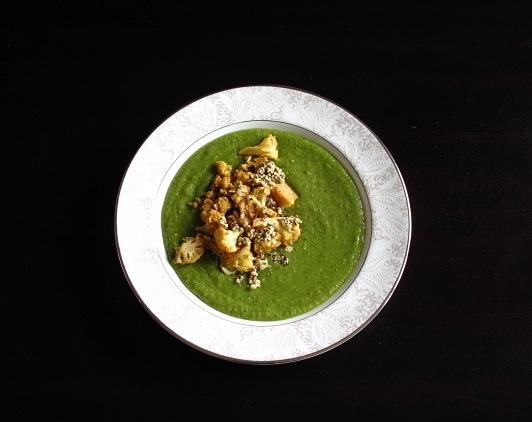
So to get me through the cold and dark of winter, I’ve been making routine bowls of creamy dal, sometimes simple with a few random root vegetables and greens thrown in, and sometimes fancied up with a quick puree, roasted cauliflower and toasted seeds. Either way, after trying a couple dozen different versions of dal these past few years, I’ve come to this recipe. I’ve taken many concepts from Divya Alter’s What to Eat for How You Feel in making it, and compared to many dal recipes, this one tones down the spices and keeps them to those that gently warm and ground “airy” mind and digestion in this cold season.
IMG_2292

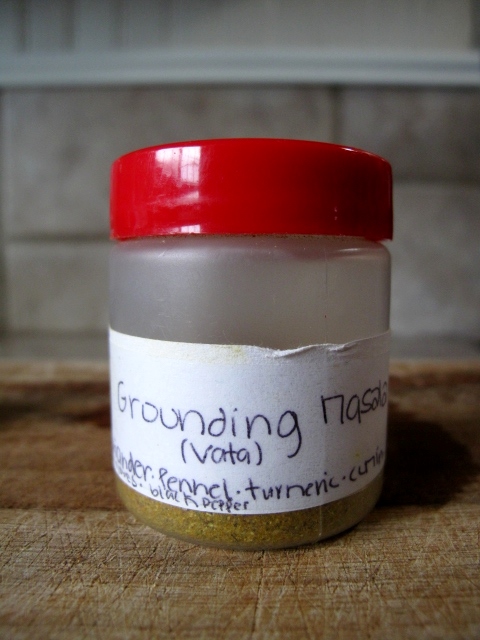
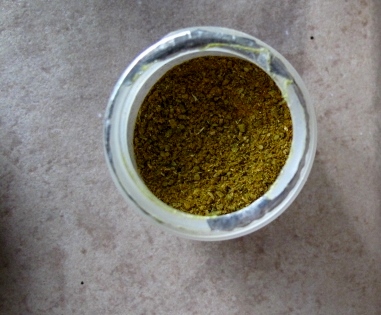
Part of the process in making this is preparing your own grounding spice blend to season the roasted cauliflower and dal. It’s a quick extra step but definitely worth it–I tend to add the blend as a quick sprinkle to many meals that need a little extra something, or on days I feel particularly all over the place. My spice grinder is a favored and frequently used kitchen implement, but if you’re without one or prefer to skip this step, using your favorite curry powder will work as a substitute–however, I tend to think a lot of the magic here is in using tailored spices.
IMG_2294

The spices in this blend are ones that particularly help with digestion and tend to be warming and pungent without being outright hot (like cayenne or chili). This results in open circulatory channels and the ability to warm up and eliminate toxins and congestion. It is especially helpful in the cold season or for the cold person. Specifically,

Coriander improves digestion, calms the mind, and binds toxins in the blood.
Fennel regulates and improves digestion, and is a cooling spice in smaller amounts. It balances the warming spices in this blend.
Cumin stimulates digestion, eliminates toxins, and helps with the absorption of nutrients.
Cloves improves digestion, reduces toxins, and opens circulatory channels.
Black pepper improves digestion, opens circulatory channels, eliminates toxins, and enhances oxygenation in the brain.
Turmeric cleanses the liver and helps break down fats, improves digestion, and is an anti-inflammatory and antioxidant.
IMG_2312

Vibrant Winter Dal, serves 4
1 cup split mung dal (split mung beans) or red lentils, or a combination of both
1 Tbs. coconut oil
1/2 tsp. ground turmeric
1 Tbs. minced ginger
2 bay leaves
2 tsp. grounding masala (see recipe below) or ground coriander
3-4 cups water
1 cup frozen peas
a couple large handfuls diced greens (spinach, kale, etc.)
1 tsp. sea salt, plus more as needed
cilantro and fresh lime slices, to serve

  • Soak the mung dal or red lentils for 30 minutes. Then drain and rinse well.
  • Heat the coconut oil in a medium saucepan over low heat. Add in the turmeric and toast for about 10 seconds. Then add in the minced ginger and bay leaves. Cook for about 30 seconds more and then add in the masala or coriander and mung dal. Stir and cook until the beans are almost dry.
  • Add 3 cups of water and bring the soup to a boil. Then cover, reduce heat and simmer for about 30 minutes, or until the beans have become tender and begin to disintegrate. Stir in the frozen peas and greens and cook a few minutes more, just until they are warm and wilted. Add the salt and more water as needed.
  • Then, transfer the dal to a blender and puree, working in batches. Add back to the saucepan and gently warm. Taste and adjust seasoning.
  • Serve bowls of dal topped with roasted cauliflower, toasted seeds, cilantro and freshly squeezed lime, as desired.


Roasted Cauliflower
1 large cauliflower, outer leaves removed and cut into small florets
coconut oil, as needed
1 Tbs. grounding masala
sea salt and black pepper

  • Line a large baking pan with parchment and toss the cauliflower, spices, and oil to coat. Roast in an oven preheated to 350 degrees F for 25-30 minutes, or until fork tender.
  • Remove from the oven and spoon atop individual bowls of dal.


Toasted Seeds
1 tsp. olive oil
1/4 cup hemp seeds
1/2 tsp. cumin seeds

  • Heat the oil in a small pan over medium-low heat and add in the hemp and cumin seeds. Toast them until they begin to turn golden brown and release their aroma.
  • Divide among bowls to top finished soup.


Grounding Masala Spice Blend
, adapted from What to Eat for How you Feel
2 Tbs. coriander seeds
2 Tbs. fennel seeds
1 tsp. cumin seeds
1 tsp. whole cloves
3/4 tsp. black peppercorns
1 tsp. ground turmeric

  • Add all the spices to a coffee or spice grinder and grind to a fine powder. Put into a labeled container and store away from light.

recipe-redux-linky-logo

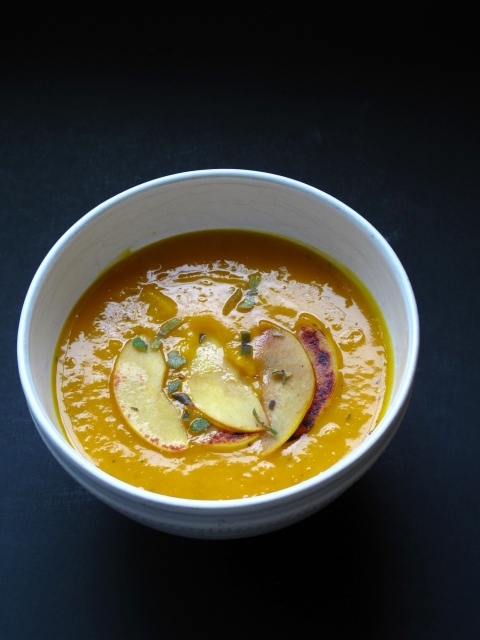
buttercup squash soup with coconut, sage + quince

buttercup squash soup with coconut, sage + quince

IMG_2164


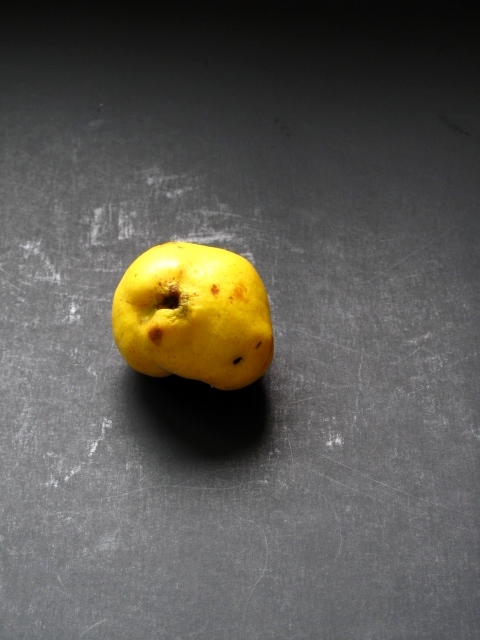
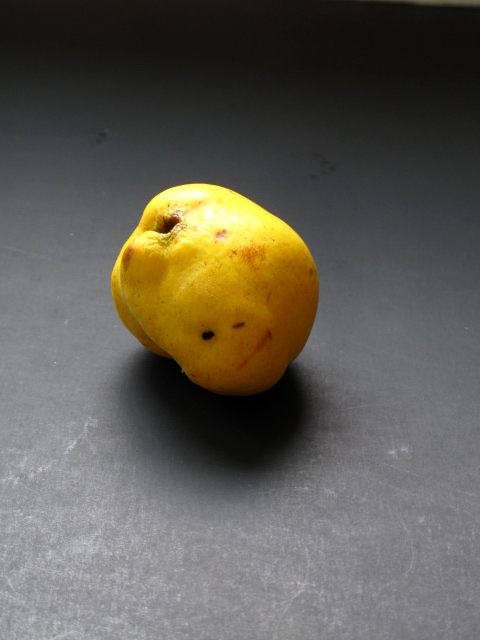
a few weeks ago, i discovered there’s a seemingly abandoned quince tree a couple streets over from us. instead of inquiring about picking the fruit to the nearby house or walking my ladder down the neighborhood and being for real about the situation, i instead ended my marathon-season track workouts for weeks by practicing my plyometric jumps into the lower branches, snagging one golden floral fruit each time, and smuggling it’s precious but ugly self back home to add to my for-soup collection.

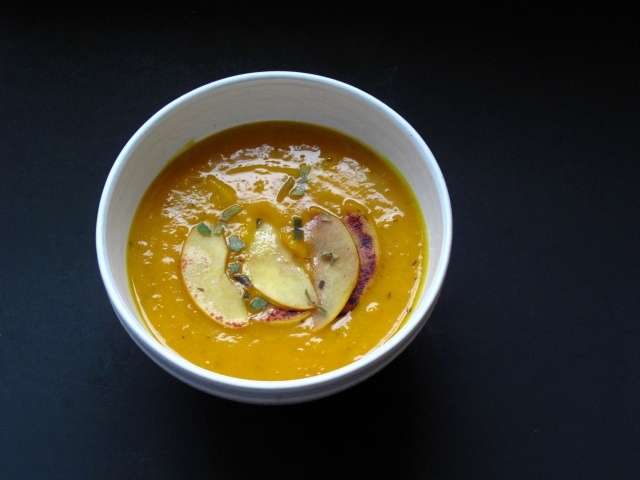
i had an idea in my head about updating this soup and instead of sending the floral quince notes throughout, piling a few thin sauteed slices on top with fresh sage. the result is absolutely holiday (or just really nice self-care) worthy.


IMG_2141IMG_2142


speaking of holidays, here is what i’m making for the Thanksgiving weekend:

i. a brussels-heavy variation of this salad.

ii. apple pie. i’m planning to recreate the best gluten + dairy free pie crust i’ve made so far, adapted from Alanna’s recipe and fill it with apples + spice inspiration from Renee.

iii. if the weekend calls for more cozy time in the kitchen, i’ll be making cornbread stuffing (per William’s request), and/or pumpkin, sage + rosemary baked risotto, or perhaps just end the weekend with that cornbread alongside my favorite deep/rich vegetable-heavy chili with chocolate and walnuts.

iv. and more of this soup! the Recipe Redux challenge this month is to add some naturally colored holiday treats and trimmings to the table and this soup is definitely colorful! and, importantly, it’s also tasty. i gobbled up the first and then second batch before i took time for photos, so the third round, whipped up in the final days before we head to eastern oregon for family time, is going home to share.


IMG_2155


buttercup squash soup with coconut, sage + quince, serves about 4

Curious about quince? They’re a seriously old fruit, similar in many ways to pears, but much more floral in flavor and aroma. They require cooking too, as their heavy tannins and raw texture will dissuade even the hungriest neighborhood scavenger! Since they’re slightly precious and can be difficult to find outside of local shops and markets, a pear or apple can be substituted, or completely left out for a less sweet/interesting ending. For a little more substance, I’ve often been stirring in either cooked garbanzos or sometimes marinated/seasoned tempeh to my soup and rounding it out with some whole grain sourdough bread for a full meal deal. Also, use any squash you like. I used the last of the Buttercup from my garden. It’s a sweet, dense, slightly dry flesh variety, and any of the Kabocha, Hubbard and Butternut varieties are also good alternatives. 

2 lb. buttercup winter squash, exterior rinsed of any remaining soil
1 + tsp. coconut oil, divided
1 large onion, medium-diced
1 tsp. dried thyme
3 cups water or vegetable broth
2/3 cups full-fat coconut milk
1 1/2 Tbs. apple cider vinegar
3/4 tsp. sea salt
ground black pepper
1 quince, cored and thinly sliced
1-2 tsp. minced fresh sage

  1. Preheat oven to 375F. Slice the squash in half and turn cut-side-down on a baking dish. Add 1/2- to 1-inch water to bottom of pan and roast for about 45-60 minutes, until a fork slides easily through the skin and flesh of the squash. Let cool at least 5 minutes before handling.
  2. Set a large pot on medium heat and add coconut oil. Add the chopped onion and sauté 5-8 minutes, stirring occasionally, until it softens and becomes translucent. Then stir in the thyme and water or broth.
  3. Once the squash is done roasting and is cool enough to handle, scoop out the seeds and discard. Then scoop the flesh into the pot. You can either discard the skin or toss it in, as it is definitely edible and will add a little texture towards the end result.
  4. Add the coconut milk and apple cider vinegar.  Bring to a boil and then turn down to simmer for 5 minutes. Let cool slightly, and then using either a blender or food processor, puree in batches until you have a smooth consistency. Turn it back into the pot, and add salt and ground black pepper and taste to adjust seasoning.
  5. For the quince, heat a sauté pan over medium-high heat. Add a small amount of coconut oil, sliced quince, and minced sage. Try to spread the slices out over the pan so they are not overlapping and cook for about 2-3 minutes on each side, until they are becoming golden and crispy on the edges.
  6. Serve the soup hot with the sauteed quince scattered on top. Enjoy!


recipe-redux-linky-logo

sprouted wild rice + beet salad with muhammara bean puree

sprouted wild rice + beet salad with muhammara bean puree

IMG_2068


In the moment 

I have a muhammara recipe bookmarked from a favorite cookbook and with a big bowlful of the last of the season’s peppers in varying shades of red, orange, and gold, all streaked through with green, I decide to make up a batch. In the last minute as I’m setting whole peppers in the pan to roast, I remember I have another muhammara recipe from a separate cookbook which I loved the last I made it. I double my peppers on the pan and make them both.

In the food processor, the first batch turns a lovely golden hue, subtly sweet from pomegranate molasses, but a little lemony to my taste. The second, the one I had loved before, is date-sweetened and much too sweet by comparison. The lemon is gone though and the paprika addition nicer.

In a dash of inspiration I decide to combine the two. I can’t stop licking the spoon and it’s not just that I’m performing this endeavor the morning after a marathon-season long run.

Muhammara, if you haven’t tried it, is the most delicious thing you’ll have all season. Traditionally a Syrian roasted pepper, walnut and pomegranate relish/dip for bread or meat, I next whim my way into pureeing half a batch into cooked white beans. When I want beans and rice to go down a treat, I take 30 seconds and puree the former in with a special sauce, and there’s nary a complaint of same old same. This is definitely what happens with the muhammara.


IMG_2055


sliding into the intuitive of it.

Next I bloom some wild rice. We’re into sprouting week in my raw foods cooking lab for my nutrition program, and though I’m arguably at the medium-experience level of sprouting as far as the norm of us goes, I’m learning new things. Sprouted wild rice is a dream that opens up into fat, fluffy grains, downright pillowy compared to standard wild rice. The extra few hours of hands-off sprouting makes all their nutrients more usable too, a practice I know I can stand to incorporate as much as possible.

After sprouting, I drain and rinse the rice and pour it back into my steaming pot, adding water afresh and steaming it for a further 40 minutes. It doesn’t need this extra step since we just sprouted, but on this day I’m craving warm and I have a feeling about this. I slide a handful of washed clean beets from the garden into foil and pop them in the oven.

I look in the fridge, grab the quick-pickle jar I emptied of onions but left the vinegar from a week ago, reserved for just such a day. I grab half an onion, slice it thin, and set it in the vinegar to marinate. William texts he’s on his way home. As he walks in the door, I’m later than usual, less rushing him as normal, and more like sliding into the intuitive of this dinner project.

Ten minutes, I say.
I’m sliding the rice off the heat, pulling the beets and slicing thin. Into the wild rice, going crimson by degrees as the steam rises. Cumin, a few sprigs off the cilantro that is almost ready for the compost, the slices of quick-pickled onion drained and spooned in. Salt. A couple dashes pepper. A little more vinegar. More salt, this time reaching into the back of the pantry for that crumpled bag of black-truffle salt, a fortune for such a small homely package. A dash is enough. A taste, and it’s done.


On the plates

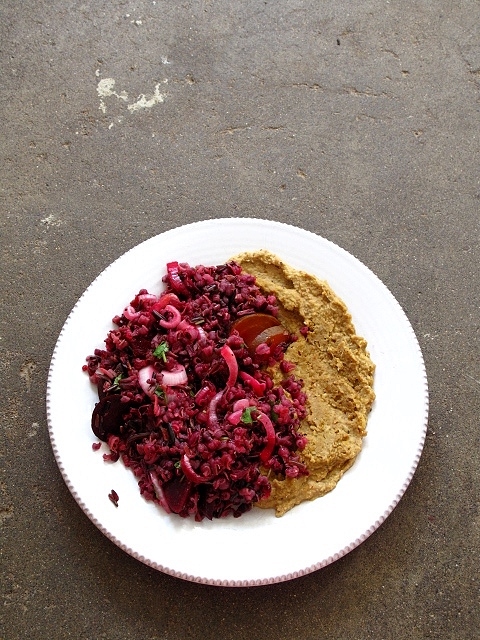
A big spoonful of muhammara bean puree, moon-swiped over the half in a chef’s half pirouette and then heaps of the rice spooned atop.

If this is weeknight cooking, it’s the kind we shouldn’t be getting used to. A result of what happens when I’m sliding into the intuitive of the moment, letting my flavor memories and creative tendency take over. In the kitchen and on our plates, the experience is pure magic.


Sprouted Wild Rice  + Beet Salad
1 cup wild rice
5 beets, tops and bottoms removed
1 tsp. ground cumin
1 Tbs. apple cider vinegar
1/2 an onion, quick-pickled
1/2 cup minced cilantro
1/2 tsp. sea salt
black pepper
black-truffle salt (optional but adds subtle depth), to taste

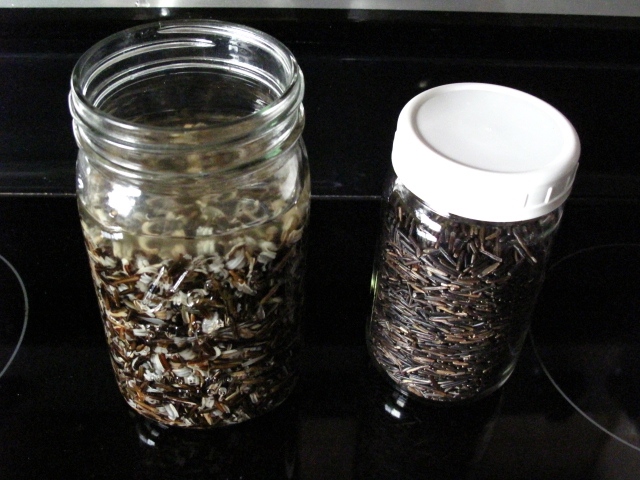
  • To sprout the rice, start early in the day of cooking by measuring out 1 cup of wild rice, rinse well, and then soak in a 1 quart jar with 2 cups water in a warm oven on the lowest setting for about 6 hours. It will be ready when it has bloomed and the grains have become fluffy and open. Then, to cook, rinse and drain again, and bring to a boil in a small pot along with 1 1/2 cups water. Turn down, cover and steam for about 40 minutes or until all the water is absorbed.
  • While the rice is cooking, roast the beets by wrapping them in foil, and placing in the oven for about 40 minutes. They will be ready when they can slice through easily with a knife or fork.
  • To prepare the salad, slice the beets thinly and add, along with the quick-pickled onions, cumin, cilantro, and vinegar, salt(s), and pepper to taste.


Muhammara, makes about 1 1/2 cups
9 oz. / 250 g roasted red or orange peppers
3/4 cup / 3 oz. / 75 g toasted walnuts
2 garlic cloves
2 Tbs. white wine vinegar
4 tsp. / 20 ml pomegranate molasses
3 Tbs. / 45 ml extra virgin olive oil
1 tsp. ground cumin
1 tsp. paprika (smoked or regular)
1/2 tsp. freshly ground black pepper
1/2 tsp. sea salt

  • In a food processor, puree all the ingredients and then taste, and adjust seasonings. Add additional salt and pepper as needed.


Muhammara Bean Puree
half batch Muhammara
1 1/2 cups cooked white beans or 1 can, drained and rinsed

  • To make the puree, leave half the muhammara in the processor, reserving the other half for another use. Add in the white beans and puree until smooth. Spoon into a small dish and heat gently on the stove or in the microwave to serve.