smoky parsnip hummus

img_0855


In winter
    all the singing is in
         the tops of the trees
             where the wind-bird
with its white eyes
    shoves and pushes
         among the branches.
             Like any of us
he wants to go to sleep,
    but he’s restless—
         he has an idea,
             and slowly it unfolds
from under his beating wings
    as long as he stays awake.
         But his big, round music, after all,
             is too breathy to last.
So, it’s over.
    In the pine-crown
         he makes his nest,
             he’s done all he can.
I don’t know the name of this bird,
    I only imagine his glittering beak
         tucked in a white wing
             while the clouds—
which he has summoned
    from the north—
         which he has taught
             to be mild, and silent—
thicken, and begin to fall
    into the world below
         like stars, or the feathers
               of some unimaginable bird
that loves us,
    that is asleep now, and silent—
         that has turned itself
             into snow.


                                                      Mary Oliver’s White-Eyes


_______________________________________

If you’ve been reading for a while, you may know I enjoy poetry. Mary O’s White-Eyes fits with where I’m at lately but like all good art, it will be interpreted as needed by each taker. I’ll leave you to your representation. If you’re interested, here is a good playlist to listen to while letting the words come to life in you.

img_0863

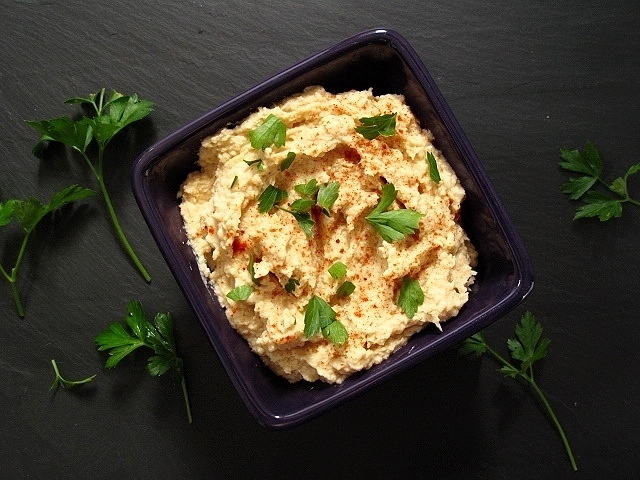
Smoky Parsnip Hummus, makes about 2 cups
Beyond the extraordinary colors of peak leaf season and the return to wearing sweaters day after day, one of my favorites about this time of year is stocking up on the cool season produce. We live in a pretty spectacular corner of the world where all the local farmers come together to sell their winter-ready produce in bulk at the end of the season, and so now we have a good 50 pounds of all my favorite cool weather vegetables to see us through the next few weeks and months. Are you ready for all the parsnips? They’re sweet, underrated, and much loved by many a new-comer. Try them soon if you haven’t already.

1 lb. parsnips (about 2 large), peeled and diced into 1-inch pieces
2 Tbs. extra virgin olive oil
1 ½ tsp. cumin
¼ tsp. coriander
1 ½ tsp. sea salt + more to taste
2 cloves garlic, finely minced
1/4 cup tahini
1/4 cup lemon juice
1/2 cup water, divided
1/2 tps. smoked paprika
freshly chopped parsley leaves to finish (optional)

  1. Bring the parsnips along with cumin, coriander, salt and 6 Tbs. water to a simmer over medium-low heat in a small sauce pan. Give it all a good stir to coat the parsnips with the spices.
  2. Cover and reduce heat to low and cook for about 10-15 minutes or until the parsnips are soft and can be easily pierced with a knife.
  3. Puree the cooked parsnips along with the garlic, tahini, olive oil, lemon juice, remaining water, and smoked paprika in a food processor until smooth. Add additional salt or lemon juice to taste, or extra water if it needs a little loosening up.
  4. Spoon into a bowl and sprinkle a little more smoked paprika and minced parsley leaves atop. Serve warm or at room temperature with crackers, chips, chopped vegetables, or flatbreads.

Apricot, Date + Turmeric Bars

Apricot, Date + Turmeric Bars

img_0822

Over the summer, I learned about 30 herbs and/or spices that are commonly used in western herbal medicine in my second herbal medicine class, and I really relished the opportunity to both broaden and deepen my understanding of natural plant medicines. In addition to learning that skullcap, the plant I had chosen to focus on learning about for an entire term in my first class, is the most popular herb sold through my university’s herbal dispensary, I spent the summer delving into a lot of research about specific herbs for treating inflammation and allergies due to my project for a client with seasonal allergies. I was limited to working with only the herbs in our class list, however, and because of that I chose a fairly non-traditional approach to working with allergies. Turmeric was among the herbs we studied, and though I did not end up recommending turmeric for allergies, I realized I easily could have and was probably expected to.

Though I know a lot more about the benefits of turmeric than I did before, there is much research to suggest that the curcumin compound it contains has extremely strong anti-inflammatory and anti-oxidant abilities and it is beneficial in all manner of disorders and imbalances. Among others, it has antibacterial, anticancer, anti-rheumatic, anti-tumor, antiviral, anti-phlegmatic, and anti-parasitic properties. I’ve recommended it to my mom who has arthritis, runner friends for pain, and have taken it myself for (nearly instantaneous) relief after slamming my knee into a door. Though my knee incident was an exception, I take a different approach to using herbs than we would for pharmaceutical drugs; I don’t take them for their quick effect. Instead, herbs work to slowly and gently bring the body back into balance, and they work better in conjunction with other lifestyle supports, like getting enough rest, a balanced diet, exercise, etc.

Turmeric is extremely trendy right now, and while there is good reason for it to be, I also like this article about practicing caution with it, as with all herbal medicines. Too much of anything, even a supposed health food, can push us into imbalance. While I came to this conclusion on my own and no longer pop a curcumin supplement for running recovery “insurance” on a regular basis, I do tend to use it in small amounts frequently–and mostly because I really enjoy its flavor.

What I really enjoyed about the class is that we delved into the research on a number of common herbs and spices–ones we are already using and that aren’t the new trendy superfoods–like the ginger and cinnamon these bars contain. After 14 weeks of reading a ton of research articles, I finished the class even more in support of the importance of eating healthfully as the norm and using herbs and spices in small amounts throughout the day in whatever foods we’re eating so perhaps there’s a little less need to use any medicines–herbal or otherwise–to “fix” imbalances.

img_0817

Apricot, Date + Turmeric Bars, makes 4
Recipe updated: July 2024
I regularly rely on bars for after workouts and for busy afternoon snacks on the go. While I have a few versions of granola or energy bars on this blog that I do go back to, for the last few months I’ve been opting away from oats and grains as a main ingredient. Instead, I’ve been adapting a favorite packaged bar. It has taken many renditions but now that I’ve finally gotten the base consistency to my liking (actually better than the packaged bar which I find a little too sweet,) I’m excited to begin delving into a few different flavor combinations, especially as William doesn’t favor my heavy affinity for the ginger/cinnamon/cardamom/turmeric spice combination and prefers the berry/fruity realm instead. For these bars, don’t forego the black pepper, as it helps the turmeric to be become more bioavailable. Additionally, for the options I’ve listed, the first is my favored ingredient but I also enjoyed the other options listed. Enjoy!

1/3 cup / 40 gr sunflower seeds
1/4 cup / 40 gr dates, pitted
1/3 cup / 40 gr dried apricots
3 Tbs. / 30 gr hemp protein powder
1/8 tsp. sea salt
1/4 tsp. turmeric
1/4 tsp. cinnamon
1/8 tsp. ginger
1/8 tsp. nutmeg
dash of black pepper
3/4 tsp. blackstrap molasses
1 Tbs. water, as needed
1 Tbs. / 10gr hazelnuts
1 square /10 gr candied ginger, chopped  (optional)
1 cup /28 gr crispy rice cereal

  • Puree the sunflower seeds in a food processor until turning into a butter. Then add the dates and apricots and puree for about a minute.
  • Add the hemp protein, salt, spices, and molasses and process until combined; stop before it becomes completely smooth. Add  about 1 Tbs. water as needed to bring it together.
  • Then add the hazelnuts, candied ginger and about 90% of the rice cereal, and pulse until they are all just mixed in. Add in the remaining cereal and either hand-stir in, or pulse one to two more times. You want some texture remaining.
  • You should be able to pinch the mixture in your fingers and have it stick together, but not be just one big fruit/nut mass in the processor.
  • Turn out and press into an small square or rectangular dish, such as a 4×3-inch lidded-glass storage container. Cut into individual bars when you’re ready to eat, and chill/store any remaining in the fridge for up to 10 days. Ultimately, this will last much longer, but it dries out and tastes less fresh over time.

superseed porridge with rhubarb, blood oranges + tahini

superseed porridge with rhubarb, blood oranges + tahini

IMG_4106


William took over my yoga mat the other night and started doing weird yoga-esque stretches I’ve never seen before. I’m certainly no yoga expert, but I think he was making them up. When I inquired about this new foray into brief stretching, he started talking about helping out his Qi (sounds like chee), which in Traditional Chinese Wisdom is the circulating vital energy or life force within us.

Around our house, I talk about Qi all the time, especially as it relates to mental clutter, anger or frustration, and digestive unease–basically whenever I notice something is personally out of balance. William is just about the only one I talk about Qi with, and having him suddenly spout my words back at me was a moment of startling clarity. As it turns out, when we spend enough time with someone, we begin to believe and do the same things as each other. I guess that’s why he also wanted only a big thrown together “beans and rice salad” for his weekly meal contribution recently, instead of the more typical tacos, pasta, and pizza fare.

It all makes me wonder, what little practices and sayings am I picking up from him (and others) that I haven’t noticed?


IMG_9785


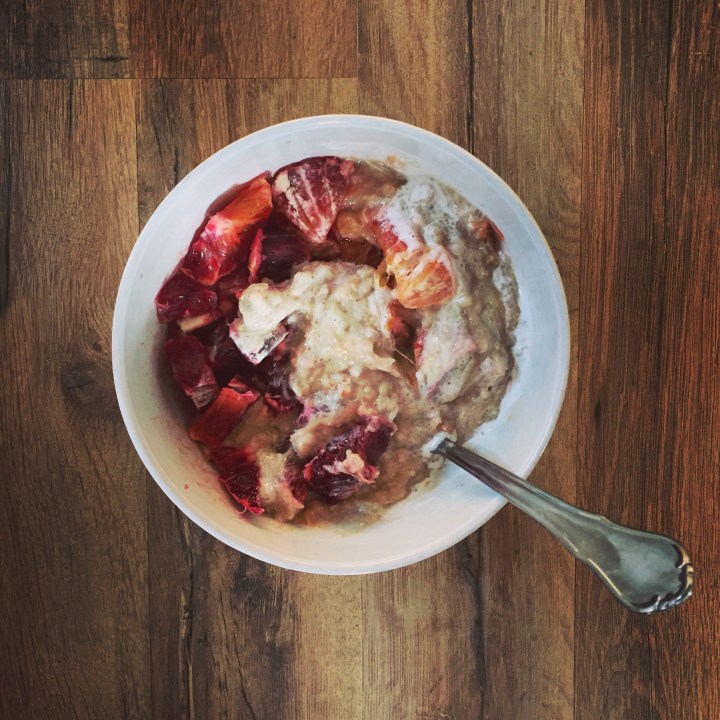
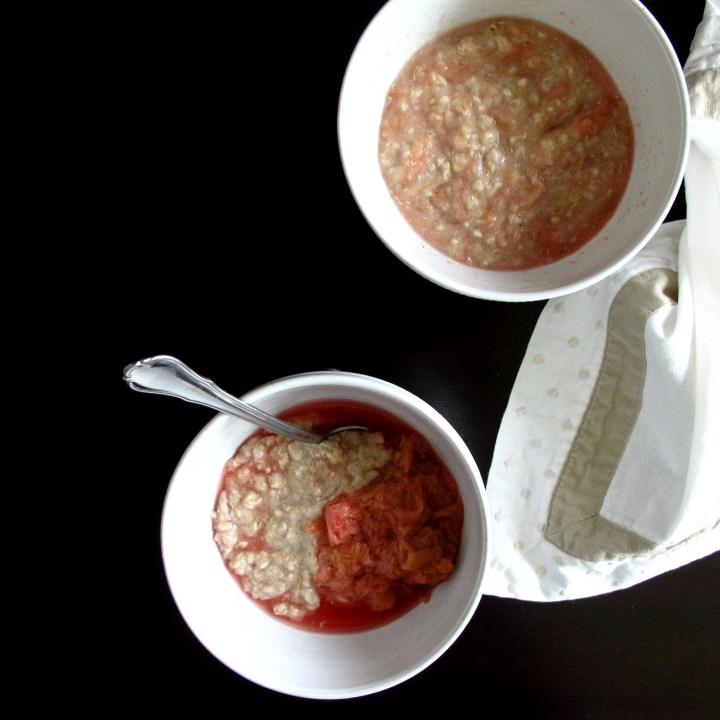
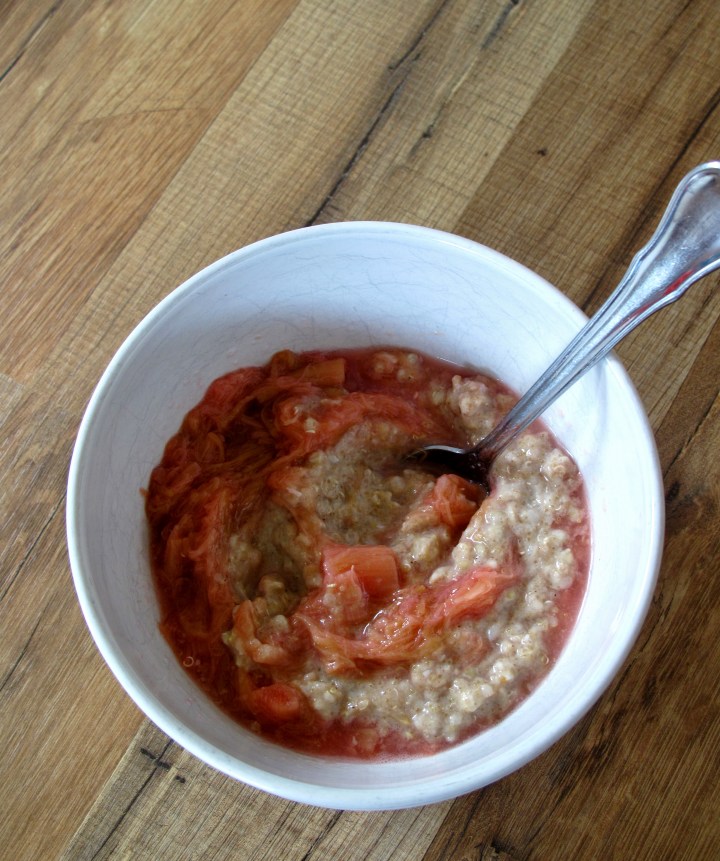
Superseed Porridge with Rhubarb, Blood Orange + Tahini, serves 1

I eat more oatmeal than my old horse but have also been experimenting with a good mixed grain/seed porridge combination these past few months. I’ve finally found one I like. It includes a few of the pseudo-grains/seeds I’ve been trying to enjoy more of including amaranth and buckwheat. They are wonderful and nutritional heavy-weights, but have strong, distinct flavors that can overwhelm all on their own. I leave out what we consider true seeds from the actual mix as I like to add ground sesame, flax, sunflower, pumpkin, hemp, chia, or tahini as the whim strikes, and I expect you will as well. Sometimes I add in an adaptogen like ashwagandha or maca powder, which I’m eagerly learning more about in my herbal medicine classes for their ability to help us adapt to stress. That’s a highly individual thing, however, and I recognize that simply making a good morning meal and eating it mindfully at a table is a vast improvement for many of us. I’ve tried this porridge mix with a number of flavor combinations throughout the seasons, but the one I love right now is heavy on the rhubarb with blood oranges and tahini.


IMG_9805IMG_9812


Super Seed Porridge Mix, makes 10 1/3-cup servings

2 cups old-fashioned oats, gluten-free if necessary

2/3 cup quinoa flakes

1/2 cup amaranth

1/2 cup buckwheat

  • Mix together and store in a container of choice. When ready to cook, use 1 cup water to 1/3 cup grains for each serving.


Rhubarb, Blood Oranges + Tahini Porridge

rhubarb sauce, as much or as little as preferred

1-2 tsp. tahini

1 cup water

1/3 cup porridge mix

1 blood orange, sections separated and roughly chopped and a little zest stirred in.

sweetener, to taste

  • I stew the rhubarb into a sauce or compote ahead of time. Including chopping and prep, it takes no more than 20 minutes. Simply chop a few stalks of rhubarb roughly and then add to a small saucepan along with a small splash of water. Cook over medium high for a few minutes until it becomes a sauce. Unlike a lot of people, I don’t add sugar to the sauce and instead leave it tart. I’ll add a sweetener of choice to whatever I mix it into and adjust as needed. If I feel like getting fancy, I’ll stir in a little vanilla or orange zest.
  • Then boil the one cup water and whisk in the grains in a small saucepan. Cook until it becomes a porridge, and stir in the rhubarb sauce and tahini in the last few minutes, until warm.
  • Finally, add in a little orange zest and the orange sections in the last minutes, as their Vitamin C is heat sensitive and easily lost in cooking. Add sweetener of choice to taste.
  • All in all, this is more of a weekend porridge—or as I’ve taken to doing, it can be easily made up the night before. I cook the entire thing save the blood orange, and then pour into my serving bowl and let it chill overnight in the fridge. The next morning, I simply reheat in the microwave and stir in the orange and orange zest and I’ve got a fancy start to an otherwise busy morning.