Early Summer Pasta with Creamy Walnut Basil Sauce

Early Summer Pasta with Creamy Walnut Basil Sauce


IMG_0096


This post was going to be about how I have the greenest green thumb and my peas won’t stop producing (my mom would be so proud) so I have to keep finding new ways to eat them that don’t involve stir-fry because I don’t often crave the flavors of Asian food. What is actually on my mind, however, is that I don’t do a lot in our garden. The peas basically grow themselves. I harvest and water, occasionally fertilize, smash bugs with glee and generally curse at them, but our outdoor space is more William’s domain.

Instead, I’ve been spending my time not showing up in key relationships, being “too busy” trying to cross everything off my to-do list, trying to get to work on time, complete grad school classes successfully, commute, run, maintain my blog, volunteer and stay active in community groups, and generally do everything I do to the highest standards I can aspire to, while accomplishing more things than are humanly (for me) possible.
 

IMG_0101


I sat at a table for a non-profit board I’m on last weekend and as we went around sharing what we were looking forward to this summer, my mind couldn’t think of a single thing other than getting to the end of the season so I could breathe and have some free time.

It became evident I needed to let things go. While I feel a lightened load from taking items off my plate, I’m also experiencing increased guilt at committing to projects and events and then not following through. I debated back and forth for hours, days, weeks about dropping a class and waited until the last day to finally admit I can’t find 15 more hours in each of my July weeks.

In the name of self-care, sanity and medium/long term health, I’ll be doing less this summer than I aspired to. I’ll be focusing on just being, breathing, enjoying the moment and experience and whatever these months bring more.

I’d rather not get to the beginning of September and wonder where summer went. So today, with my mile long list needing shredded, I’m going to go shell favas in the kitchen, prep an early summer vegetable hash, contemplate making a berry pie with the cache of boysens from Sunbow for William, and generally work on setting down my high standards for now because I get to give myself a break.
 

IMG_0130


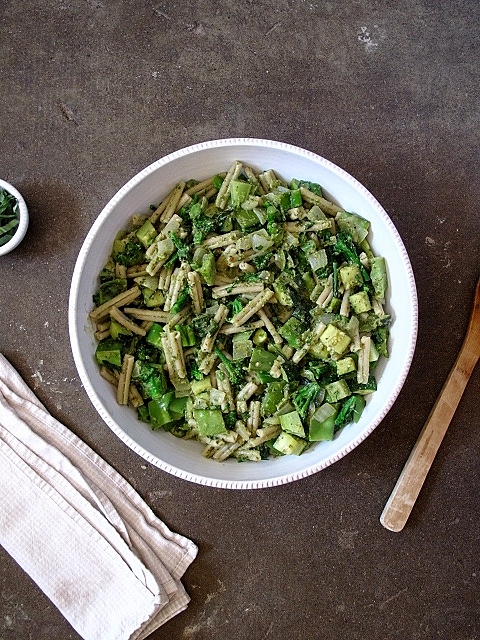
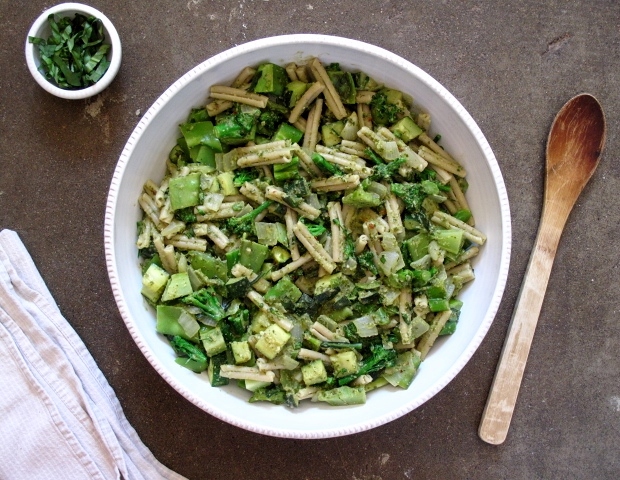
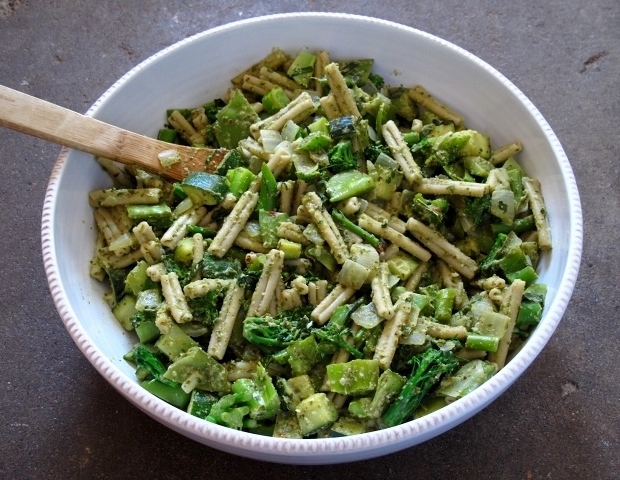
Early Summer Pasta with Creamy Walnut Basil Sauce, serves 4

This pasta came about through my walnut experiments and out of needing to use what the little plot of land we care in south west Eugene is producing now. Feel free to use whatever vegetables you have. 

8 oz. pasta of choice

1/4 cup raw walnuts, soaked at least 4 hours and drained

2 Tbs. fresh lemon juice

3/4  tsp. sea salt

1/8 tsp. ground black pepper

4 cloves garlic

a large handful of basil leaves

1 cup water

1/4 cup chickpea flour

1/2 tsp. red pepper flakes

1 Tbs. olive oil

1 bunch broccoli, diced into 2-inch pieces

1 medium zucchini, diced

1 medium onion, diced

a medium handful of snow peas, tops removed and cut into 1-inch pieces

minced basil, to serve

additional salt and pepper, to taste

  • Begin making the pasta. While the pasta is beginning to cook, bring together the sauce.
  • Place the soaked walnuts in a food processor or blender. Add the lemon juice, salt, pepper, garlic, and basil. Puree until semi-smooth and then set aside.
  • In a small saucepan, whisk together the flour and a small amount of the water until no clumps remain. Then whisk in the remaining water and turn the heat to medium. Whisk for about 5-7 minutes until the mixture resembles a nice thick pudding. Remove from heat and carefully pour it into the food processor with the basil-walnut mixture. Blend it up until completely smooth.
  • In the last minute of cooking the pasta, toss in the broccoli to quickly blanch it. Then, drain it along with the pasta and run under cool water while cooking the remaining vegetables.
  • In a large sauté pan, heat the olive oil over medium-high and then lightly sauté the onion, zucchini, and snow peas until nicely soft and golden, about 5-7 minutes. Into the sauté pan, pour the pasta and broccoli, sauce, and additional salt and pepper to taste.
  • Serve topped with a little extra basil for garnish.
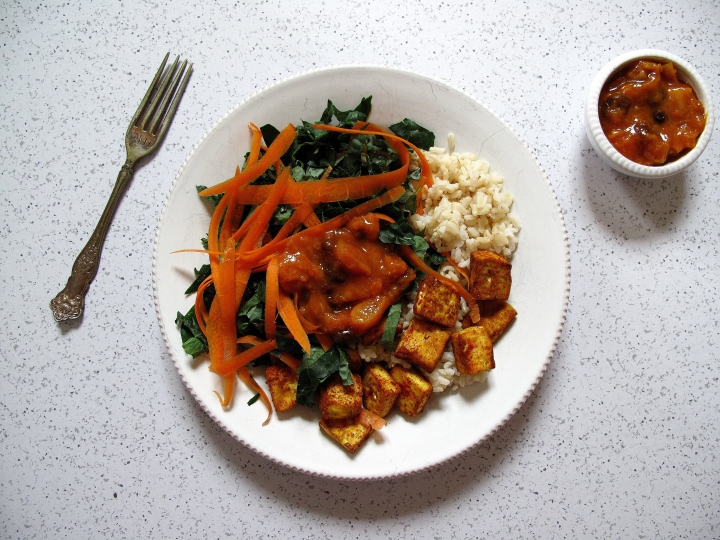
Curried Tofu and Apricot Chutney with Basmati Rice

Curried Tofu and Apricot Chutney with Basmati Rice


IMG_9977


I was at my Food Action Team meeting the other day and the intro question was posed, what is your favorite way to cook tofu? Admittedly, I am a somewhat newbie when it comes to making tofu. I’ve only (mostly) mastered it in the last year or so and I still turn to cookbooks for ideas on the best way to get the texture down. I know I’ve done a somewhat good job when William, who like me had decided he did not like it, has really taken to it. A few hours before sharing at my food group about how I made this tasty baked tofu using a dry rub (a new method for me), I received a text from William about how tasty his tofu lunch leftovers were. He’ll only eat leftovers if they were particularly good the first time.

The whole idea that I’d be sharing a great way to cook tofu around a kitchen table with a few long-time vegetarians listening in is slightly humorous. I’ve been getting a lot of messages lately about not being afraid to be myself and I’ve been hearing them loud and clear. Eleven years ago, I was the girl who was proudly sporting a homemade PETA (People for the Eating of Tasty Animals) shirt around my high school. I wasn’t into eating a whole lot more meat then than I do now, but as president of my FFA chapter, having just sold the champion market steer at the county fair, and having been nicknamed the Queen of Agriculture by some of my teachers, I guess I thought I had an image to uphold. Or I really wasn’t in touch with myself.

The biggest lesson I am slowing learning is how to let go of the long-standing public face I put on that either does things to uphold a standard/appease my community or alternatively (and more often) closes down and reveals nothing. Instead, I’d like to put more effort into getting curious, saying yes to new experiences and people, trying new foods I’ve deemed off limits or don’t like, and maybe not be so guarded when others want to be let in. I might stumble and fail for a while but like my experience with tofu, there’s the strong possibility that eventually I’ll get it right.


IMG_0044


This whole tofu experience was inspired by Runnin SriLankan, a fellow Recipe Redux blogger. Since this happens to be The Recipe Redux’s birthday month, we’re celebrating by making or getting inspired by each other’s recipes.

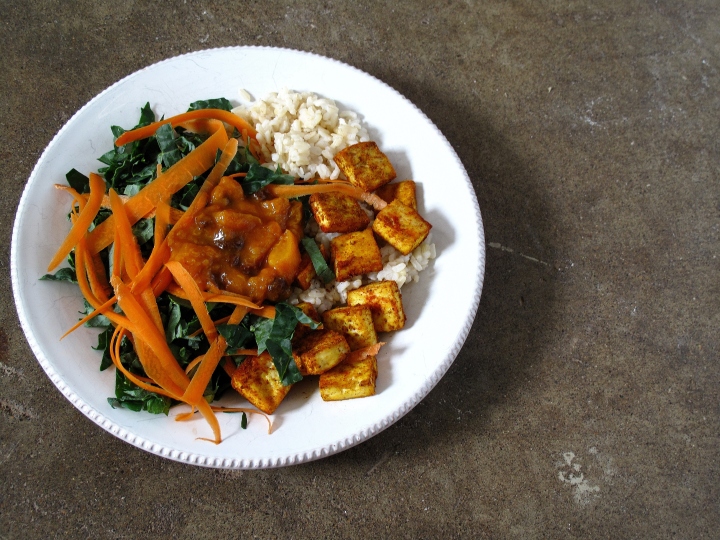
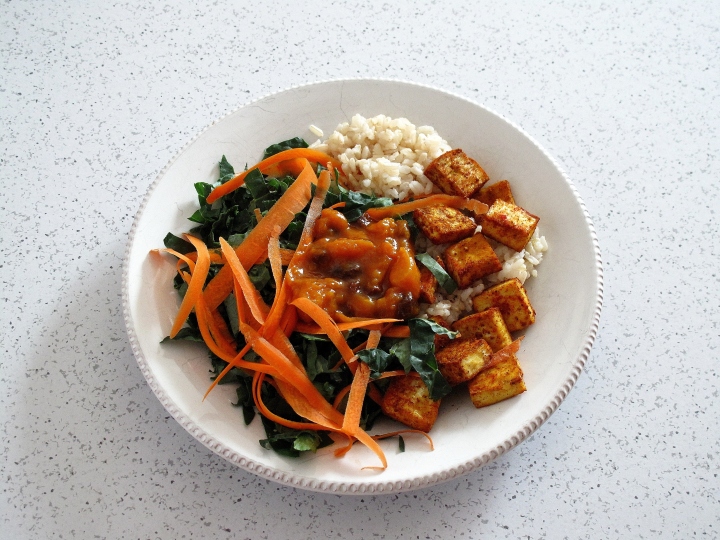
Shashi shared her Curried Mango Pork Chops a while ago, and my creative juices were immediately flowing to remake the whole thing into a rice and tofu bowl with a curried fruit chutney when our local summer stone fruits come into season. I’ve been super anticipating the local apricots which are available here at the beginning of summer so the apricots are a key component. Made into a savory-sweet chutney, spiced up with notes of curry powder and smoked paprika, and served alongside rice, carrot curls, and dark leafy greens, this is a really lovely meal for either a weeknight or a slower weekend evening.

Enjoy!


IMG_0015


Curried Tofu and Apricot Chutney with Basmati Rice, serves 4

Cooked Brown Basmati Rice

2-3 large carrots

1 large bunch kale or other greens

1 lb. firm or extra-firm tofu

Dry Rub:

1 tsp. smoked paprika

2 tsp. curry powder

1/2 tsp. salt

1/2 tsp. black pepper

Apricot Chutney:

3/4 tsp. curry powder

1/4 tsp. smoked paprika

1/4 tsp. salt

1/2 tsp. ground ginger

1/4 cup raisins

1/4 cup apple cider vinegar

1-2 Tbs. honey

2 cups diced apricots (about 6)

Directions:

  1. In a small dish, combine the dry rub spices and set aside.
  2. Drain and press the tofu for at least 30 minutes. Then, slice it into cubes. Lay out in a single layer in a baking dish and then toss the dry rub to coat all sides.
  3. Bake the tofu in an oven preheated to 400 degrees F for 20 minutes, stirring/flipping the cubes halfway through.
  4. While the tofu is baking, make the chutney in a small saucepan by adding the diced apricots, curry powder, paprika, ginger, raisins, vinegar, salt, and honey together. Bring to a simmer and allow the ingredients to meld together and become thick. Remove from the heat and set aside.
  5. While the chutney is simmering and tofu is baking, use a vegetable peeler to make long curls with 2-3 carrots. Set aside and chop the kale or other greens.
  6. Remove the tofu from the oven when crisp-baked and then serve with rice, carrots, greens, and a spoonful (or several) of apricot chutney.


Blueberry Swirl Buckwheat, Amaranth + Walnut Porridge

Blueberry Swirl Buckwheat, Amaranth + Walnut Porridge

IMG_9958

I received free samples of California walnuts mentioned in this post. By posting this recipe I am entering a recipe contest sponsored by the California Walnut Commission and am eligible to win prizes associated with the contest. I was not compensated for my time.


As part of my nutrition program, I took a class last term which covered the basics of cooking whole foods including how to cook grains, beans and other legumes, and greens. One thing I hadn’t previously given much thought to was the reason for soaking grains, beans, nuts, and seeds prior to eating.

Whole grains, nuts, seeds, and legumes contain antioxidants called phytic acids (or phytates) which are the plants’ primary form of stored phosphorus. Phytates tends to bind minerals like zinc, magnesium, calcium, potassium and iron, making them more difficult for us to absorb. Soaking these foods overnight prior to cooking or eating initiates the sprouting process, which makes many of the minerals more digestible.

There is some debate as to whether we should worry about phytates or bother taking the time to soak our whole grains and nuts, as many experts suggest we simply eat a balanced diet and we’ll get enough of these minerals anyway. From my own personal experience however, I have been eating a diet of whole foods, comprised mostly of these phytate-rich plants, for going on 10 years or so, and I’ve continued to struggle with absorbing the vitamins and minerals my diet should contain–even after removing the two big culprits which were causing me the most damage, gluten and dairy. Gut health is an area I’m super interested in learning more about, but in the meantime, I’ve been trying to remember to soak more of my grains and now nuts, in addition to beans, more of the time.


IMG_9960


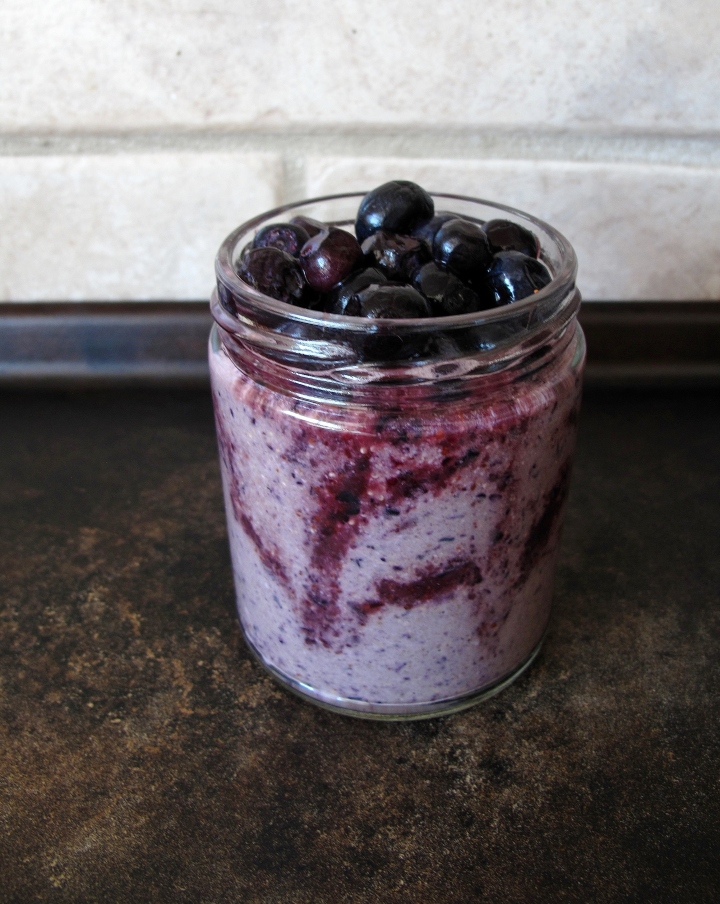
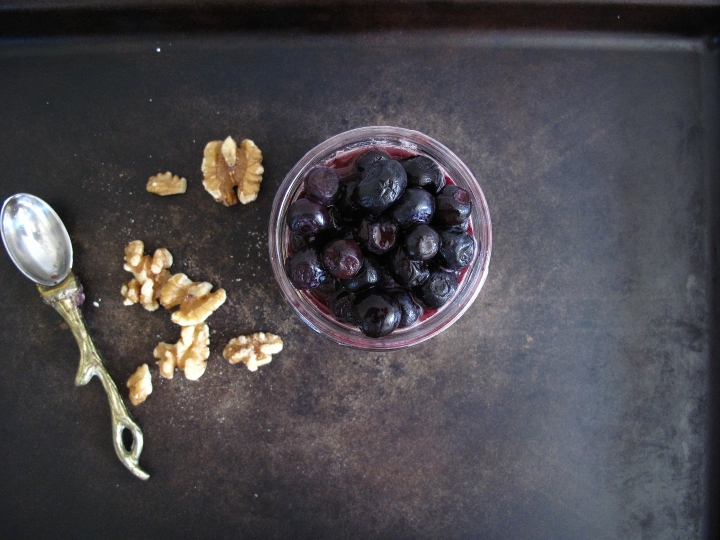
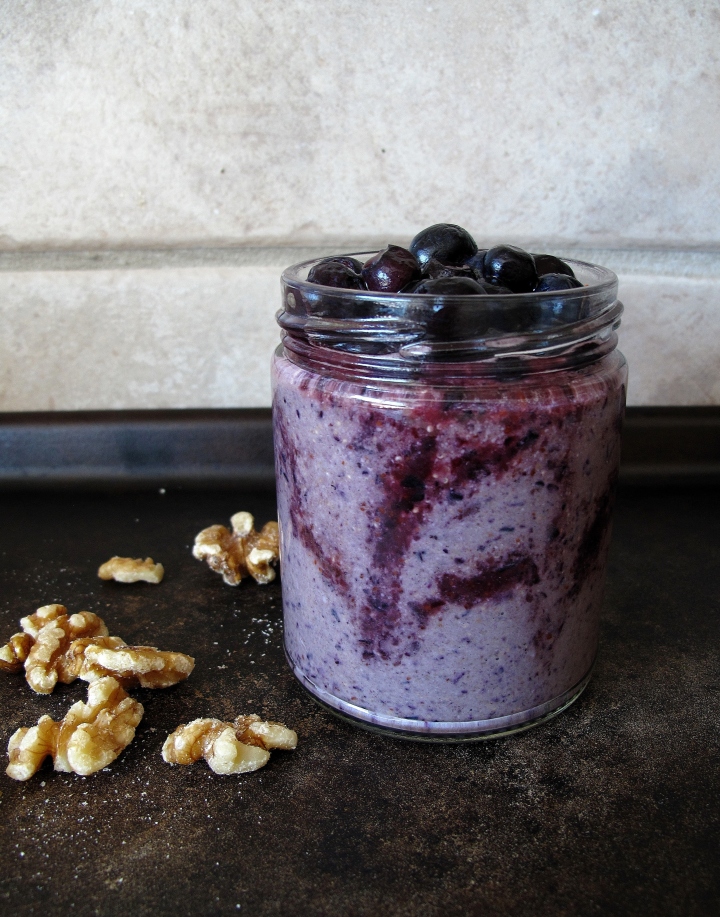
This porridge combination contains three ingredients to get the day off to a good start thanks to those soaked seeds and nuts including walnuts, amaranth, and buckwheat. The California Walnut Commission generously sent me a 2-lb. bag of walnuts to play with and I’ve been having lots of fun using them in unconventional ways. Walnuts are a delicious and versatile ingredient and they perfectly complement other whole foods for nutritious, tasty meals. I’ve found that walnuts can be used a lot like cashews to make “creams,” although with a stronger walnut presence due to their nice wholesome flavor. They pair especially well with amaranth and buckwheat, as all those earthy flavors complement each other.

Walnuts are a nice addition to meals and snacks as an ounce of walnuts — the amount in one serving of this porridge — has 2.5 grams of the essential plant-based omega-3 alpha-linolenic acid (ALA), in addition to 4 grams of protein and 2 grams of fiber.


IMG_9966


Since the beginning of the year, I’ve been streamlining my morning process and often make my breakfast the night before, or batch cook a few days of meals at once. I tend to opt for some form of porridge most days and this means I have the perfect opportunity to soak and prep my morning fixings. Since it’s been getting hot outside, I have considered returning to a more summery breakfast like raw buckwheat porridge, but find that I  still tend to wake up ready for something warm to start my day. I tend to run cool most of the time so I decided to make a porridge that is soaked overnight or for a few hours prior to blending, and then it can be quickly finished and heated on the stove top to eat. I usually do the whole process the night before, as long as I remember to soak those main components a few hours before that evening prep. Then I reheat individual portions in the morning.


IMG_9959


Blueberry Swirl Buckwheat, Amaranth + Walnut Porridge, serves 4

1/3 cup buckwheat groats

1/3 cup amaranth

1 cup raw walnuts

1 Tbs. apple cider vinegar or lemon juice

4 cups blueberries, fresh or frozen

1 Tbs. raw honey or maple syrup

1/2 tsp. ground cardamom

1/4 tsp. cinnamon

dash of sea salt

1/2 tsp. pure vanilla extract

1/2- 1 1/2 cups water, divided

Directions:
  1. Cover walnuts, amaranth, and buckwheat with warm water and one tablespoon of lemon juice or apple cider vinegar. Let soak overnight. The next morning, drain and rinse well.
  2. In a food processor or blender, puree the blueberries and honey until they become smooth. Spoon out about half the puree and set aside.
  3. Without removing the remaining puree, add in the drained and rinsed nuts and seeds along with the spices and about 1/2 cup water. Puree the mixture until smooth.
  4. To assemble and eat, spoon the pureed porridge into a small saucepan along with enough water to make it a thinnish consistency, if necessary. This will depend on your berries. Heat through until it forms a thick porridge. Then, swirl a few spoonfuls of the blueberry puree into each portion. Top with more blueberries and walnuts, if desired.


References:

Frølich, W. (n.d.) Phytate–a natural component in plant food. Whole Grains Council. Retrieved from:  http://wholegrainscouncil.org/files/backup_migrate/PhytateProsCons_0910_DK-WGC.pdf.

Sparvoli, F. and Cominelli, E. (2015). Seed biofortication and phytic acid reduction: A conflict of interest for the plant? Plants. 4 (4): 728-755. doi:  10.3390/plants4040728.

Weil, A. (2010). Are phytates bad or good? Retrieved from: http://www.drweil.com/drw/u/QAA400758/Are-Phytates-Bad-or-Good.html.