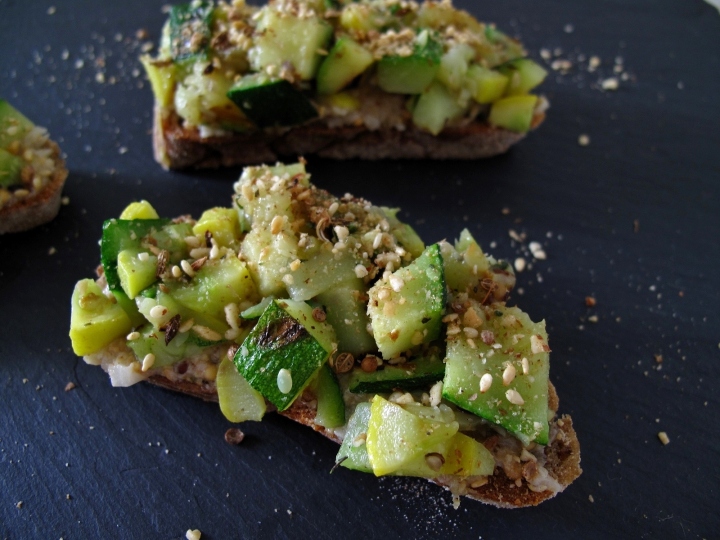
Zucchini Toasts, Cashew Ricotta + Dukkah

Zucchini Toasts, Cashew Ricotta + Dukkah

IMG_8218

Sometimes, I’m surprised to realize how long ago I began this blog. It began as a little project to collect thoughts and share recipes shortly after I graduated with my undergrad degree, an entire six years ago. Much has changed since then, both on the blog and in life, but one thing that has stayed the same is my fervent and on-going affinity for the freshest, most-local, seasonal produce. Though there is a slightly deeper reason for this than simply liking vegetables, I’ll save that topic for another day. Instead, today’s post is for The Recipe Redux and the theme is Fresh From the Garden Produce.

Thanks to my mother who has the greenest of thumb(s), I was privy to garden produce from the very beginning. What came along with the garden were numerous lists of chores, which inevitably were put off until the heat of the day and the fear of not having them done when my parents got home were at their peak. The worst chore was picking green beans and I never have particularly cared for them, possibly as a result of being haunted by memories of spending “hours” picking in the hot sun. Realistically, I’m betting my attention span was less than 30 minutes.

IMG_8180

The best of chores was devouring the hourds of zucchini that came from our garden. We often ate them in two ways; one in a variation of this cream of zucchini soup (which I soon shall be giving a facelift for less dairy and gluten), and two, drenched in flour and egg and fried to crispy golden french-toast-like rounds. Every person in the family loved these meals, and to my recollection we all loved zucchini in general. Since my parents had the joy of raising three hot-headed, disagreeing, and violent-toward-each-other, orange-haired children, it’s a wonder that we all could agree on anything!

IMG_8205

To this day, I absolutely love zucchini. It is the simplest of plants to grow and goes every which way into summer meals. Lately, I’ve been grilling it up on the stovetop grill with a coating of dukkah, spooning it atop toasts spread with a cashew ricotta, and watching it disappear faster than my plants will produce. (Crazily enough, this is possible.)
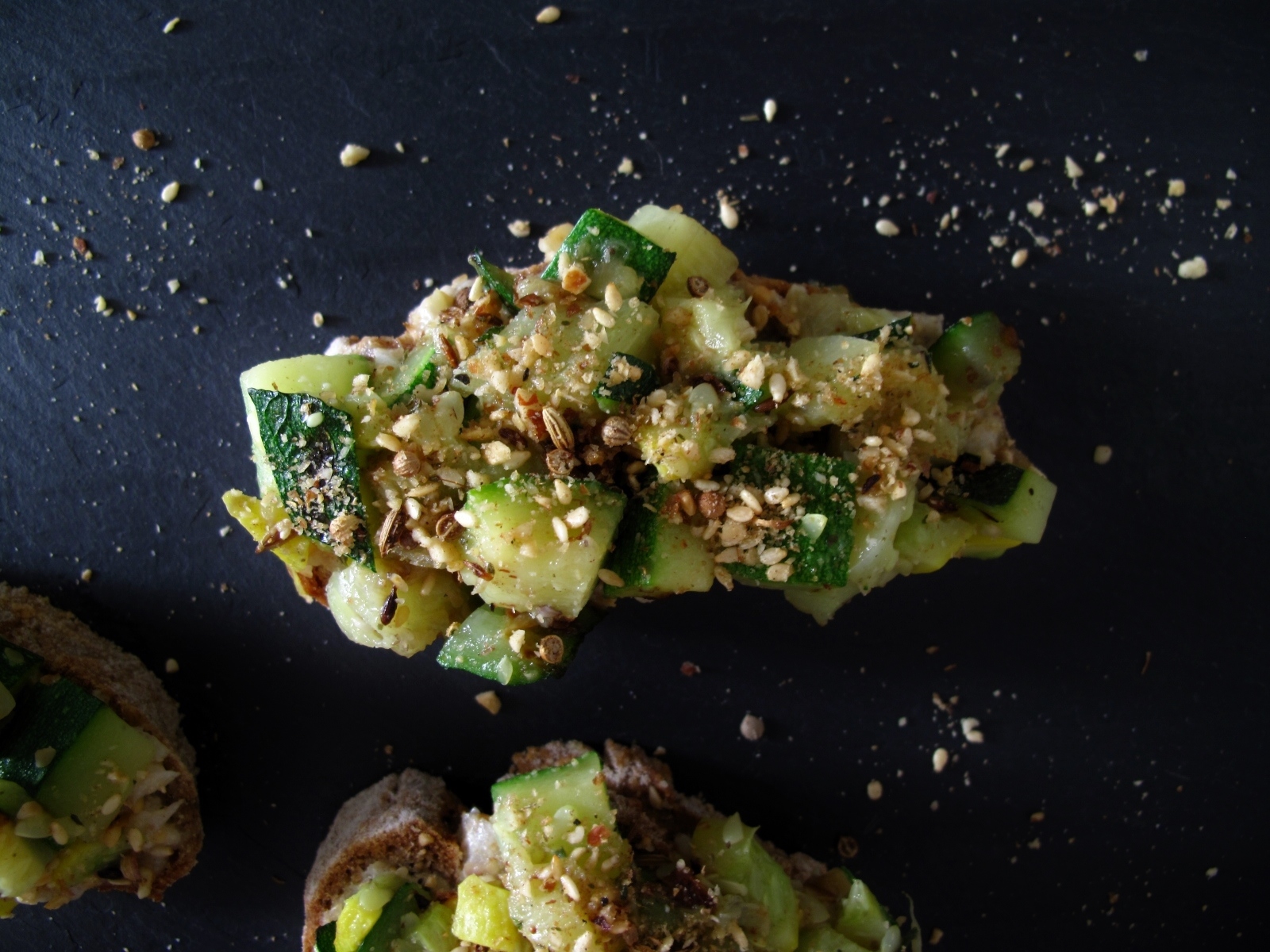
IMG_8210

Zucchini Toasts, Cashew Ricotta + Dukkah, serves 2

If you go ahead and pick up store-bought staples like bread and dairy-based ricotta, and make or buy the dukkah ahead of time, these toasts make for a very quick and simple meal. If you like to do everything or prefer a vegan ricotta, I’ve included recipes for all the fixings below. Dukkah is one of those super-easy-to-make seedy, nutty, spice mixtures that packs a serious punch in the flavor department and amps up the flavor profile of simple meals. It is Egyptian in origin and a suitable (although certainly different) substitute in this recipe could be za’atar, if you have that on hand instead. This book is my favorite source for truly great gluten-free bread. I made the 100% Whole-Grain Batons for these toasts and their slightly heftier density and crust worked out perfectly.

Cashew Ricotta, see below

2 Tbs. Dukkah, recipe below

1-2 Tbs. whole-grain or dijon mustard

1/4 tsp. salt

2 medium zucchini, chopped into smallish squares

1-2 tsp. olive or coconut oil

4 slices whole-grain bread (a denser, baguette type works particularly great)

additonal dukkah to coat zucchini and serve

  • Mix the 2 Tbs. dukkah, mustard, and salt into the ricotta. Set aside.
  • Toss the chopped zucchini with a spoonful or two of additional dukkah and oil. Grill on a stovetop grill until slightly soft and charred edges begin to form, about 3-5 minutes. Remove from grill.
  • While zucchini is grilling, lightly toast the bread slices and then slather a bit of the ricotta mixture atop each one.
  • Then, pile zucchini atop the toast and ricotta, sprinkle a dash of additional dukkah on top, and serve.

Cashew Ricotta

1 cup cashew milk (or any other non-dairy milk)

1/4-1/2 tsp. lemon juice

1/2 tsp. extra virgin olive oil

pinch of salt

3/4 tsp. agar powder

  • In a medium saucepan, stir together all ingredients.
  • Very slowly, bring the mixture to a boil, stirring occasionally.
  • Reduce heat to low and allow to simmer for five minutes or until agar is dissolved, stirring occasionally.
  • Remove from heat and cool for about 10 minutes. Then, transfer to a sealed container and place in fridge until set, a few hours.
  • After the mixture is set, transfer it to a food processor and pulse until you get the desired consistency.

Dukkah, adapted only slightly from Vegetable Literacy

1/2 cup hazelnuts

1/4 cup sesame seeds

1/4 cup coriander seeds

2 Tbs. cumin seeds

1 tsp. fennel seeds

several pinches each of dried thyme, marjoram, and oregano

sea salt and freshly ground black pepper

  • In a saute pan, toast the hazelnuts and seeds until fragrant and lightly colored, about five to eight minutes. Then pour onto a plate to cool.
  • Once sufficiently cooled, transfer the nuts and seeds to a food processor. Add the herbs, 1/4 tsp. salt to start, and pulse until the mixture is roughly ground but not yet paste-like. The goal is a fine but still crunchy textured mixture. Taste and add additional salt, if necessary, as well as a few pinches of black pepper.

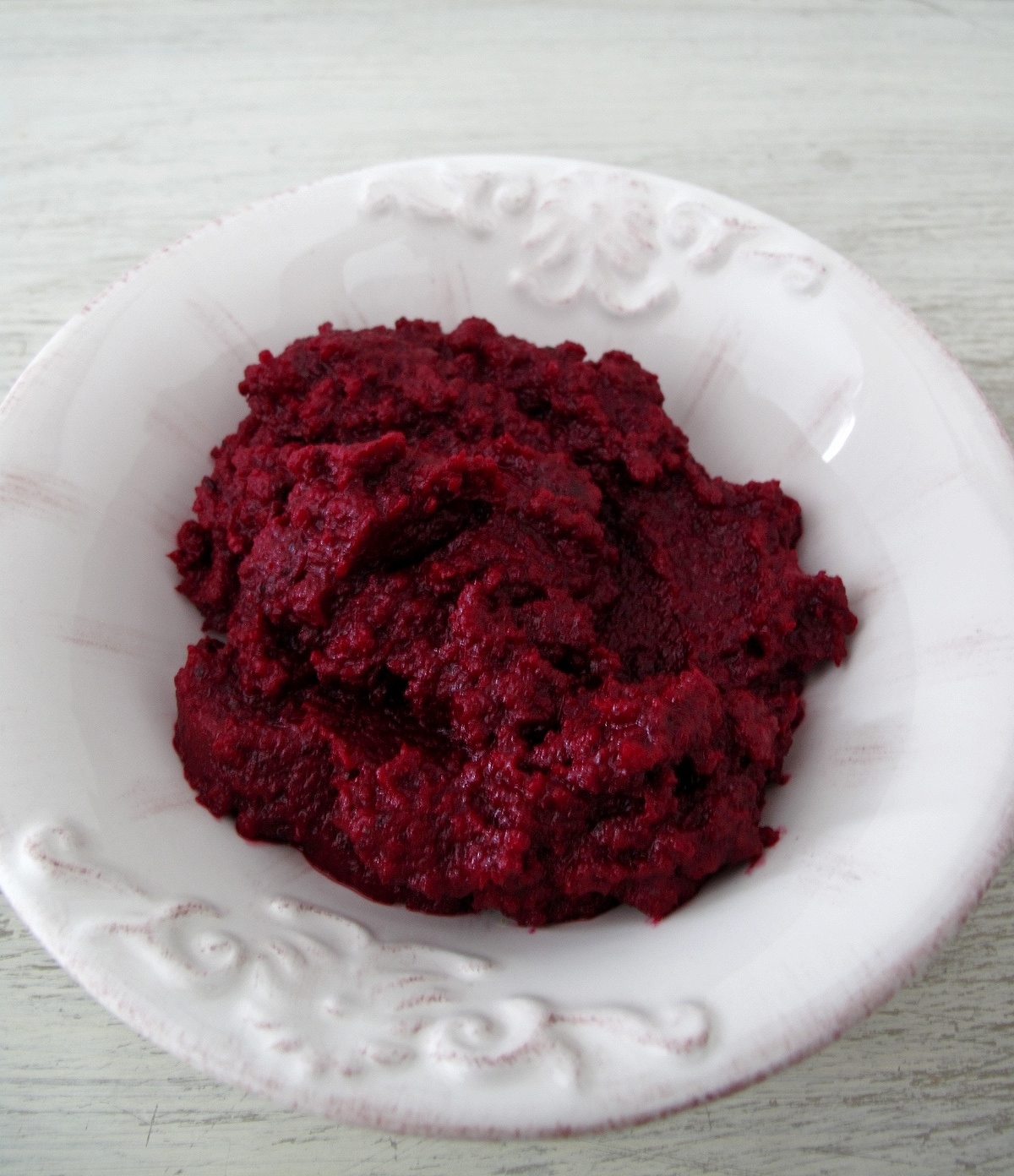
Beet Hummus

IMG_8122


I have a spirit vegetable; one for each season.


In the late summer, it is the blackest purple eggplant, with streaks of white for good measure, like the Prosperosa. Into late autumn and winter, I fall for winter squash, and I sway between the dramatic orange Red Kuri in those early months of the season, and the thin-skinned Delicata as the new year and deep winter approaches. As the soil warms in the early spring and makes for dramatic growth day by day, the sweet, tart, crimson rhubarb calls my name.


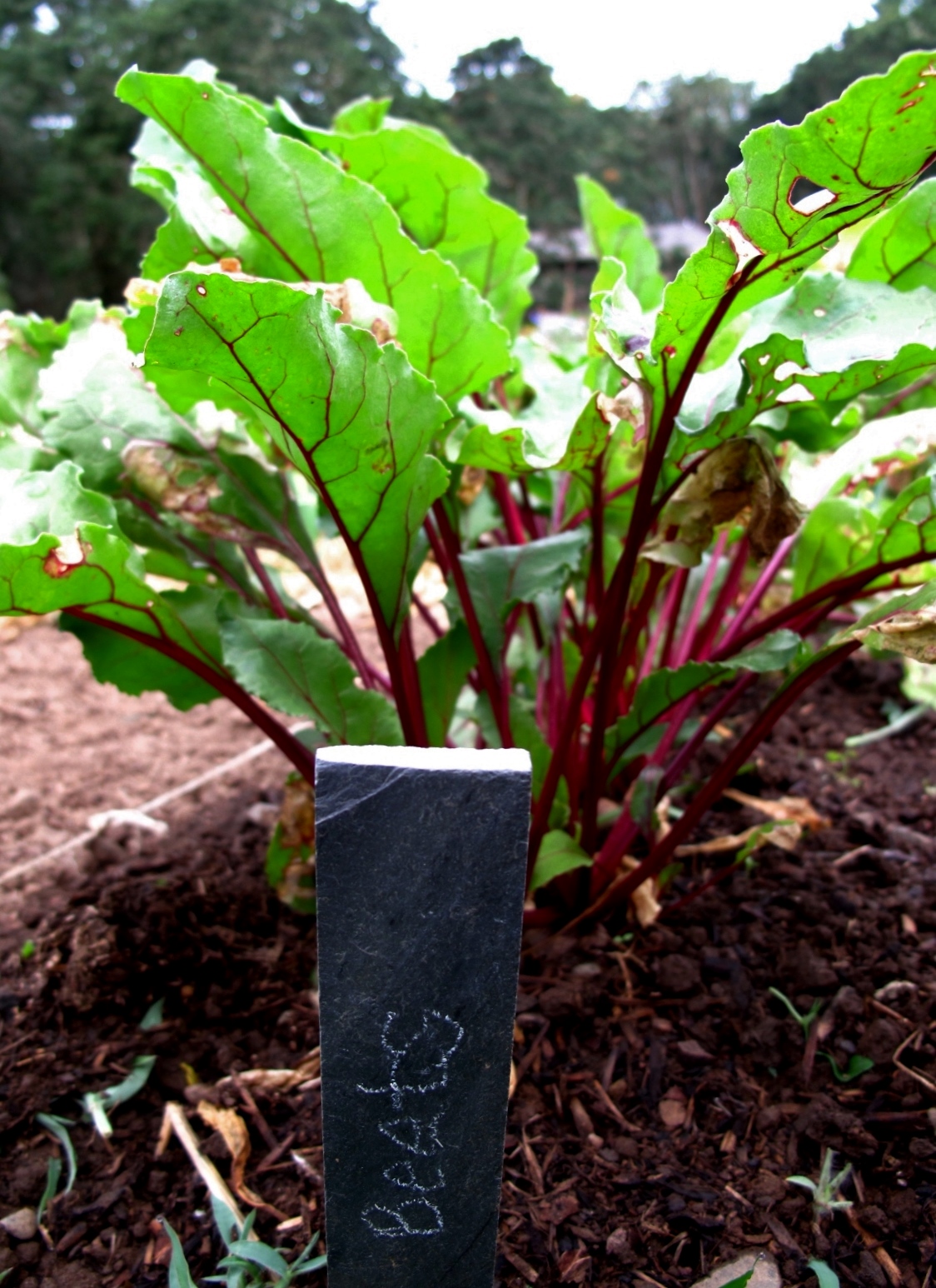
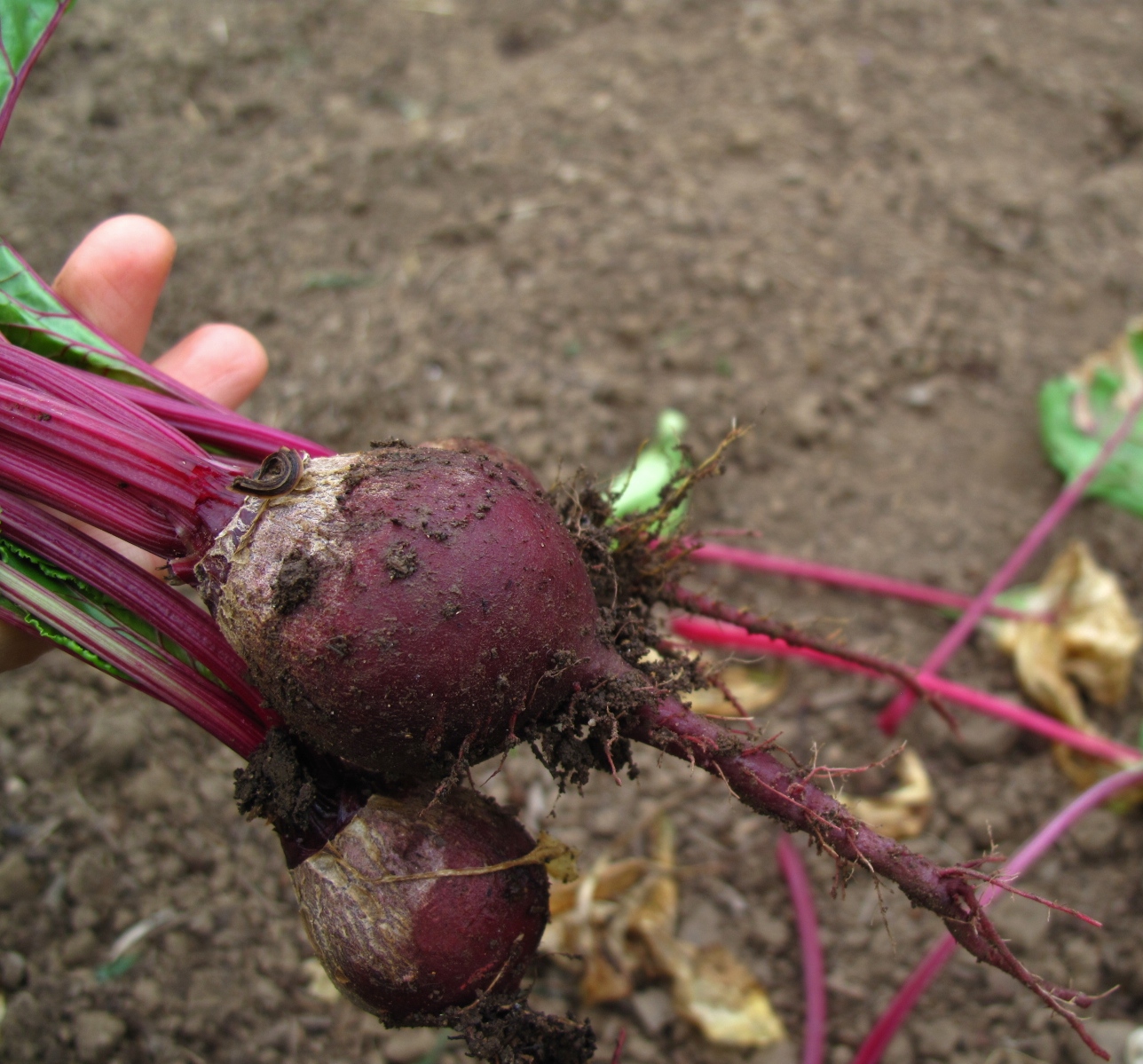
And in the heart of summer, when all the likely candidates wave their yellow-flowered flags before popping fruit upon fruit endlessly, I turn to the other side of the garden and pull the earthy beets from the ground, their soil-covered skins disguising the dramatic color within.


IMG_8155


I’ve mentioned this before, but I tend to identify with the harder-to-know vegetables, the ones that sometimes fall victim to knowing only one dish in most kitchens, or worse yet, never appearing. Like me, these vegetables might take a bit more work to understand, as what you see is certainly not what you get; they’re not the kind to be plucked from the vine and gobbled down there in the garden, warm and juicy from the sun.


I don’t revel in the hard-to-approach bits of my personality, nor do I love how I can remain so completely reserved to even my nearest and dearest friends. I don’t love how my first response to the teasing I get, for fun, is one of irritation and sharp-eyed fight-backing, before I slide my sassafras tongue back in, let out a smile, and just go with it.


I bet my spirit vegetables–with their thorny stems, prickly, then poisonous leaves, and dirty bottoms–feel the same way.


IMG_8164


Have you ever pulled a stalk of rhubarb from the ground, knocked that highly oxalated leaf off the stem, and sunk your teeth into the celery-like tartness, pure and raw and unadorned from sugar and strawberries? It is pungent; startling even. Have you ever greedily gobbled plain sweet roasted beets straight from their foil oven-packet before realizing you now don’t have enough for the recipe? Or done the exact same with a winter squash, thinking to yourself, this is the most magical candy on all the earth, as you’ve done so?


I don’t often share about my job, but one of my favorite things about it is wandering the garden with my high school students, giddily discovering a new vegetable is ready for harvest, like the spring’s first asparagus, cutting the new shoots from the ground, shoving stalks at them, and saying, try it. And there, with dirt on their hands, mud on their shoes, and weary eyes, they do and they discover a flavor they’ve never experienced before. It is one that you cannot get from a grocery store because it’s only there in that plant a short while before shipping and sitting on a shelf and waiting to be cooked in a fridge drains those flavors away. The students’ initial reluctance for something so green and unlike the usual packaged meals paves way for simple responses like, I’ve never tried asparagus before. I like it! Followed by their sitting in the log circle gnawing down an entire unruly, late-harvested, two-foot stalk.


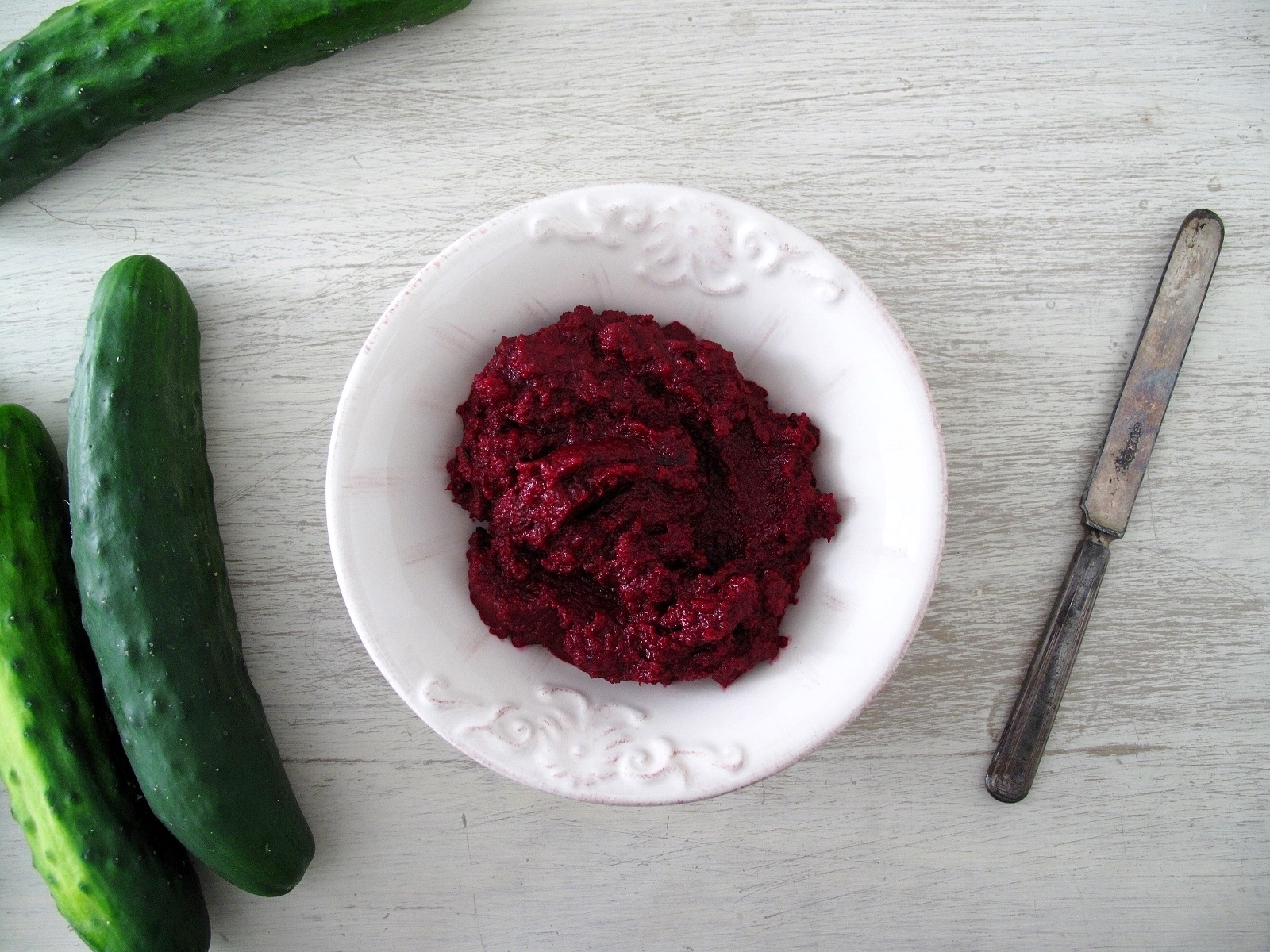
Since it is summer, I spend a good majority of my days outside in one garden or another, whether at work with students, or in my home garden. I tend to eat even more vegetables than usual to keep up with the harvest, and I end most days tired, hot, and ready for a shower the moment I walk in the door. I’ve taken, too, to eating random vegetable-y things at most meals, even rounding out the usual morning porridge with a spontaneous need for beet hummus “spooned” upon whole cucumbers. I harvested six last night and there are at least 10 more coming in the next couple of days–and when cucumbers are as snappy, crisp, and fresh as these ones, they are perfect vegetable dippers for beet hummus.


IMG_8114


Though beets can be harvested nearly year-round in these parts, beet hummus is what I love to make in this season to convert the earthy-crimson-root-weary to my summer spirit vegetable. Try it. You’ll like it.


IMG_8151


Beet Hummus, adapted from Ard Bia Cook Book
Makes about 1 cup or so. Double the recipe if you’re likely to gobble it up in one sitting.

4-5 beets (about half a pound)
1 garlic clove, peeled
1 1/2 tsp. ground cumin
1 1/2 tsp. pomegranate molasses
1 Tbs. tahini
2 Tbs. fresh lemon juice
1/2 tsp. sea salt
freshly ground black pepper

  • Scrub the beets and remove their tops and bottoms. Pile them into a large sheet of foil and fold until completely covered. Roast in a preheated oven at 400 degrees F until soft all the way through, about 40-50 minutes. Remove from the oven and let cool slightly. If they’re free from chemicals and grown in healthy soil, I don’t bother removing the peels.
  • In a food processor, puree the beets and remaining ingredients until they become a smooth paste. Add more lemon juice, salt, or pepper to taste.
  • Serve every which way atop the season’s fresh vegetables, or simply eat it straight from the spoon.

Boysenberry Pie

IMG_8082

Friday afternoon at the farm, Charlotte

and I exchanged dusty handshakes for

boysenberries, the farm dog circling

feet. You must be Rebecca, she

said, the hose shifting

shoulders, reminding

again

IMG_8040

this eating breathing living takes a

community to grow soil, berries,

pie.

farmer hands and bee sweat sweet

IMG_8061

and summer, tastes.

IMG_8101

It takes a community to do it yourself.

IMG_8071

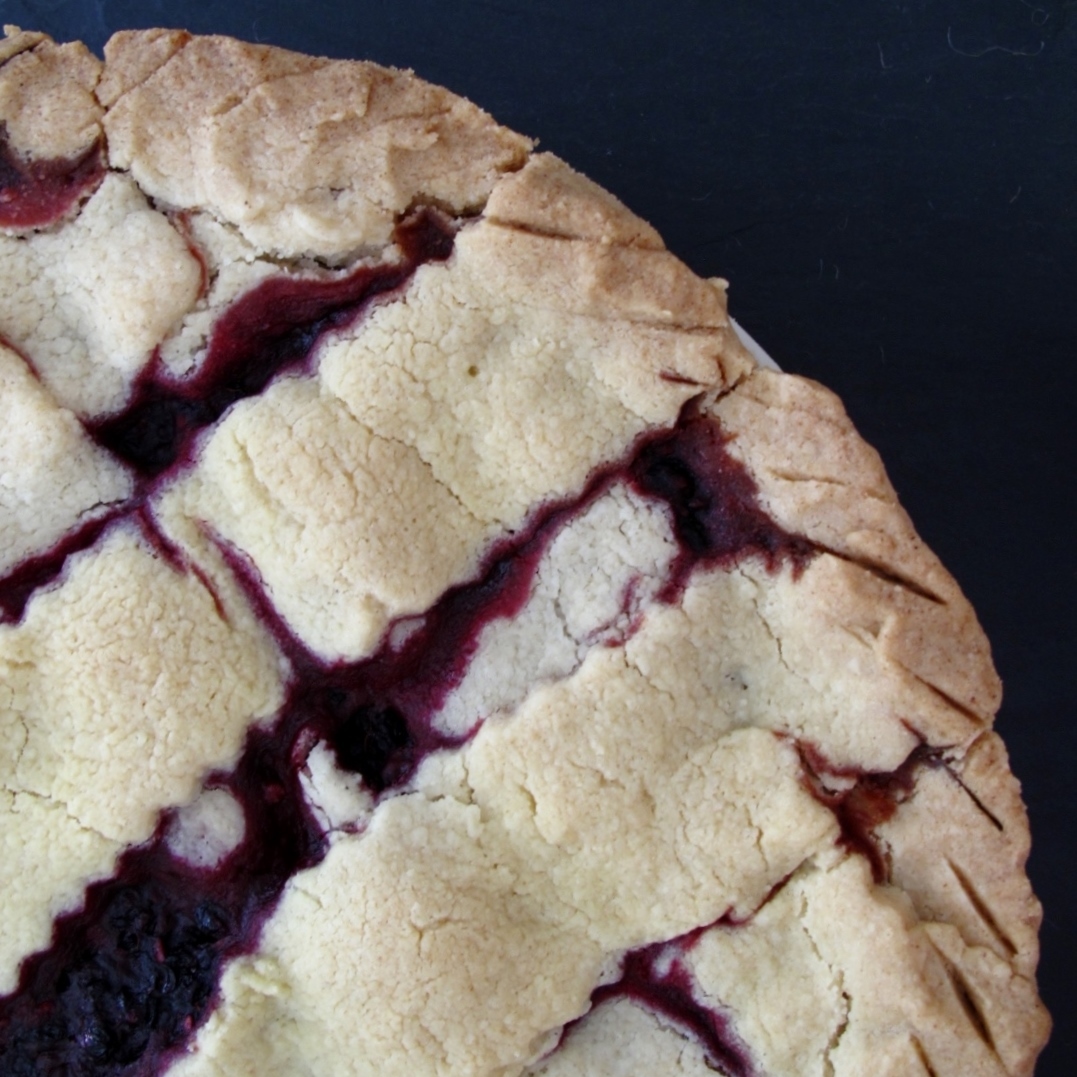
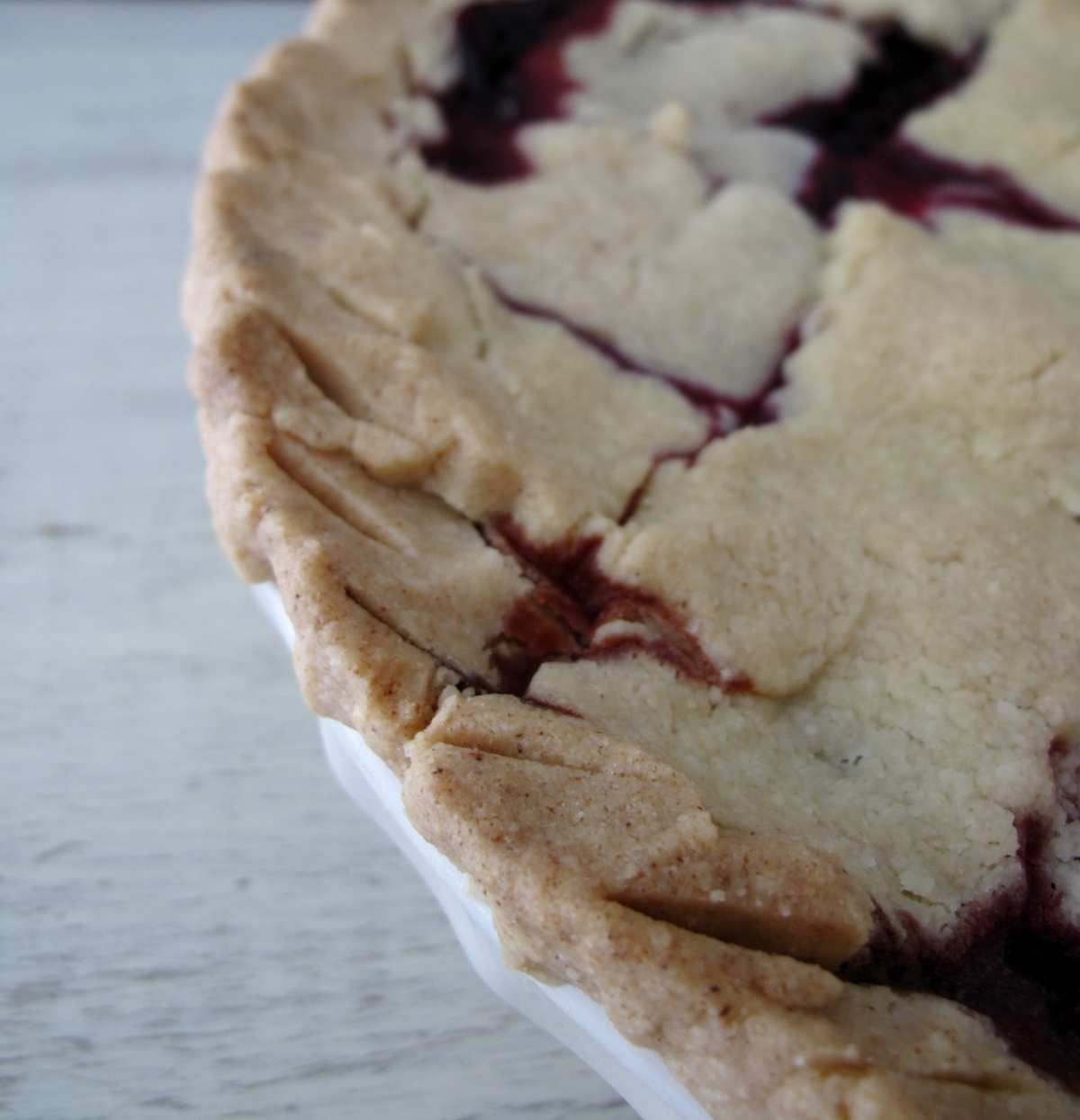
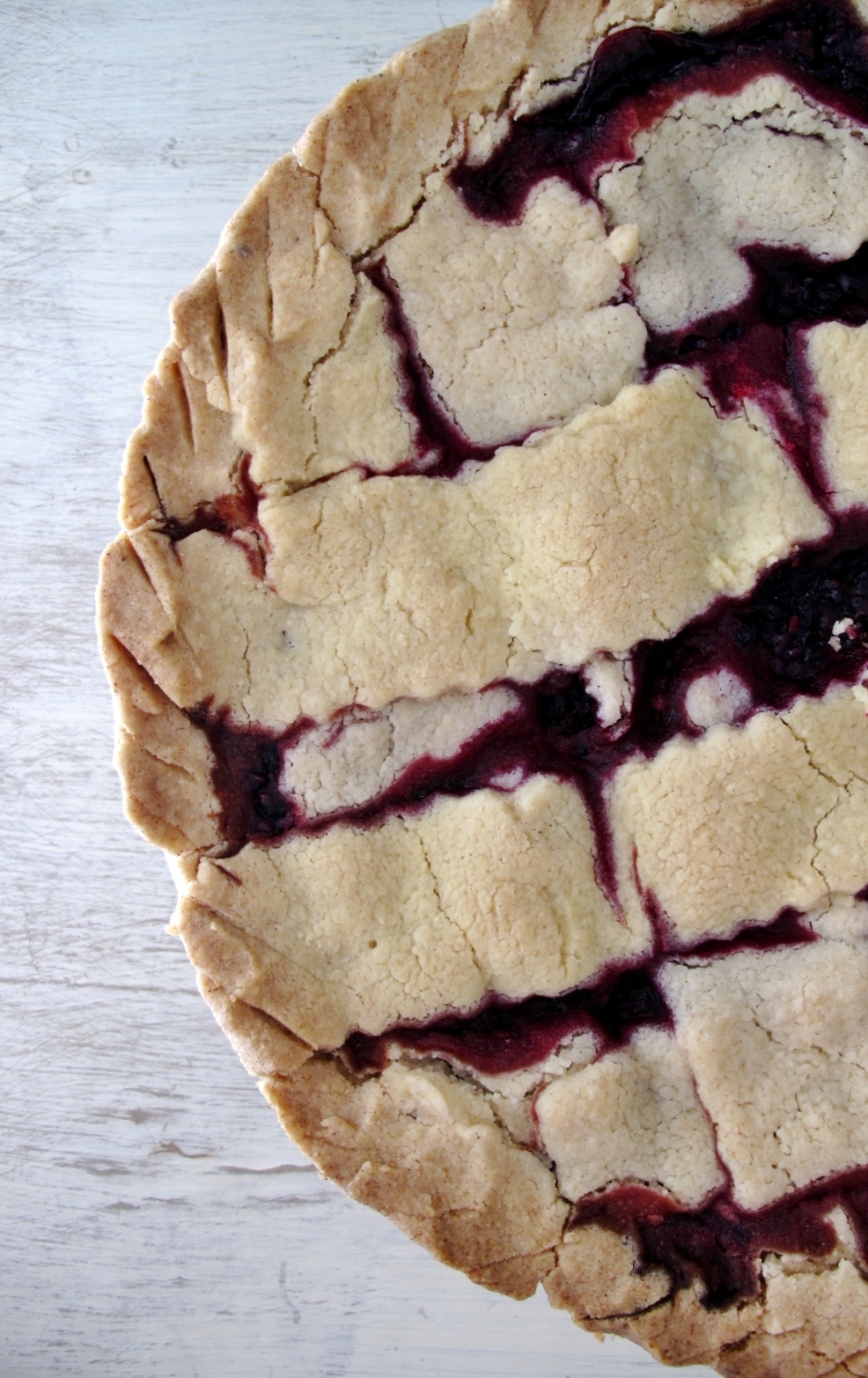
Boysenberry Pie
The Recipe Redux requested pie, William favors all the varieties of blackberry, and the first mess of Boysens at Sunbow are melt-in-your-mouth, stain-all-your-fingers sweet. Summer brought them early.

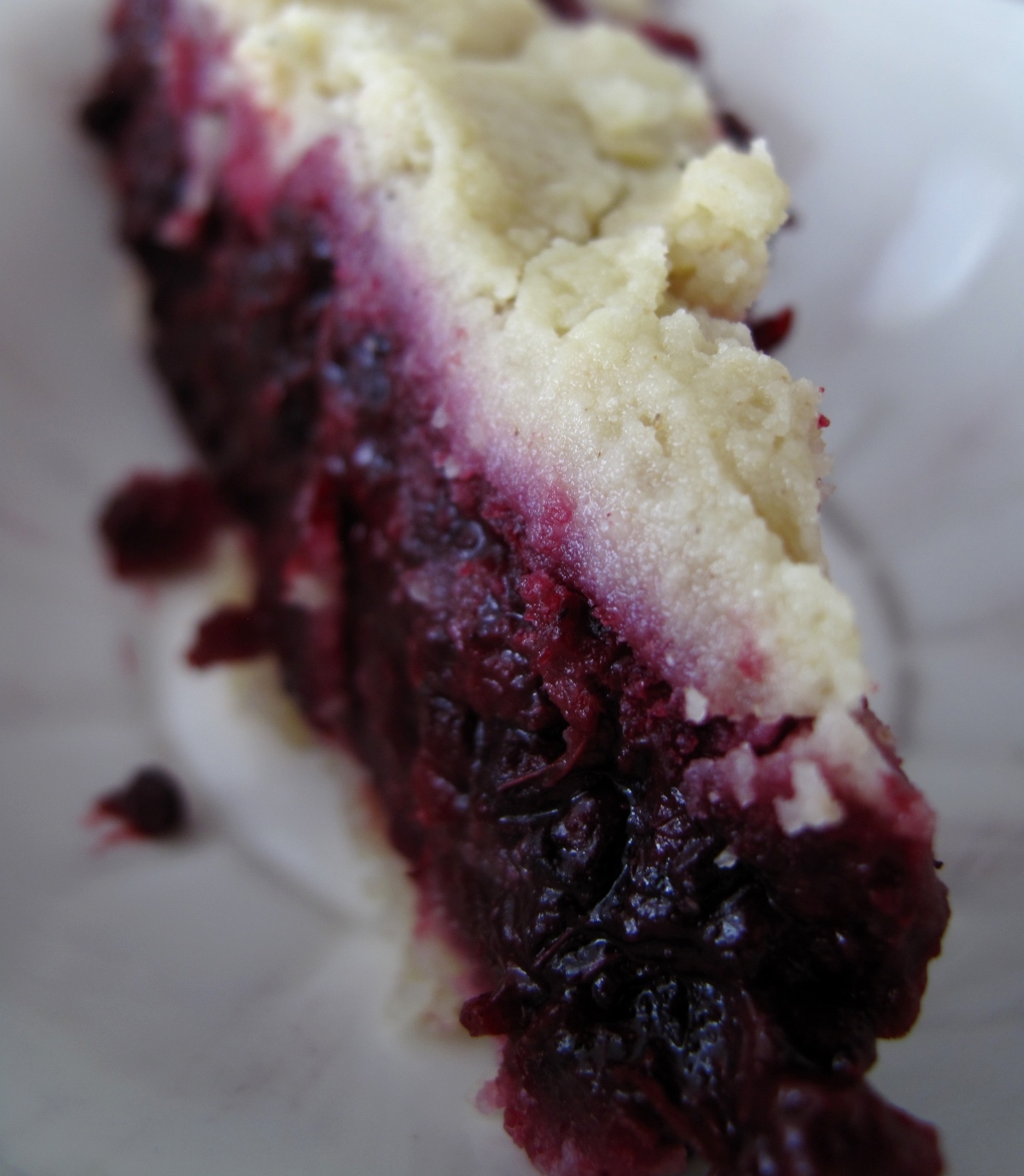
This berry filling is our absolute favorite. We’ve made it a number of times with just about every type of blackberry and it never fails to please but boysenberries are a must-have if you can find them. If they are extra sweet, consider reducing the honey to 1/2 cup. 

1 double-crust pie pastry of choice – (I highly recommend this gf/df pie crust)
6 cups fresh boysenberries (or any type of blackberry)
2/3 cup honey
1 Tbs. fresh lemon juice
2 Tbs. arrowroot starch
1/2 cup all-purpose gluten-free flour

  • Gently rinse and drain the berries and preheat oven to 375 degrees F.
  • Combine berries, honey, lemon juice, and flours in a large mixing bowl. Pour into a pastry-lined pie pan, add the top crust of your choosing, and bake for 40-50 minutes, until the pastry is golden brown and the mixture is bubbling.
  • Carefully remove from the oven and cool until ready to eat.