getaway run + picnic muffins and a few good things

IMG_2536


When the weather turns nice and the days grow longer, I start to get real antsy feet and a desire to go adventuring on the weekends. One of my favorite things is to plan weekend “getaway run + picnics” with William, which often include a long trail run adventure out of town, followed by a post run laugh-stretch session, and then a picnic complete with picnic basket, real plates and silverware, and a post-feast laze in the grass. The juxtaposition between a dirty trail run and a much fancier presented post-run meal makes these occasions feel particularly special. They are the ultimate one-day treat and if I’m lucky, we incorporate many such weekends over the long-day season.

When it comes to the food, I often don’t plan much ahead and throw together something quick from the fridge since really, anything we’re okay with eating at room temperature can be picnic food. One time last year, however, I came up with the idea to make savory muffins for one of these adventures and they went down a real treat. I’ve made them a few more times since and found the ingredients to be fairly interchangeable, but the novelty of a special post-adventure savory muffin has yet to wear off.


IMG_6357IMG_2532


On the other hand, on weekends when we’re not adventuring, or on the weekend mornings when I plan to be especially indulgent for hours before venturing out, I love to clear out my inbox, read all the things online and off, journal, and generally laze about with tea in hand. With a whole new getway run and picnic season ahead of us, and longer mornings to indulge in the sun’s early glow, I’m leaving you the option to either make these muffins and go for an adventure, or settle in to a cozy morning of reading/inspiration. Or perhaps you’ll plan, like me, to do both!

  1. Since I love all things reading, books, libraries and lists, I recently created a recommended reading area on the blog to share all my favorite cookbooks, nutrition and related topics reads, and a few others.
  2. Speaking of cookbooks, I’ve been a little obsessed lately with the Banana and Cacao Granola from David and Luise’s latest cookbook. I put my own personal spin on it with toasted local hazelnuts, puffed rice, and other seeds, and find it it simply outstanding.
  3. If you haven’t discovered or read Gena’s Weekend Reading posts over on The Full Helping, I highly recommend. While she routinely shares articles and recipes she’s enjoying, I like Gena’s weekly commentary the most, where she shares about her own journey years beyond initial eating disorder recovery, but still adapting through life’s trials of depression, anxiety, relationships, and simply being human.
  4. Relatedly, one of my favorite recipes inspired one of Gena’s, which she shared about in her new cookbook, Power Plates. By now, I’ve cooked my way through a substantial amount of the book’s recipes and can’t recommend it enough!
  5. Rather than create a long list of all the good things I’ve enjoyed reading online, I’ve been creating a pinterest board for the last year and more, which is also a fun way to put it all up visually. Check it out, if you’re interested in more.
  6. Lastly, I found the news about how much gluten those that follow a strict gluten-free diet are actually ingesting really interesting and not at all surprising, given my own ongoing phases where I have glutened-symptoms almost every time I eat food prepared outside my home. Now, I can’t wait for what to do about this problem and how to best ‘live normally’ despite these obstacles. Fortunately, progress continues to be made in the realm of celiac disease and gluten sensitivity research!


IMG_2534IMG_2538


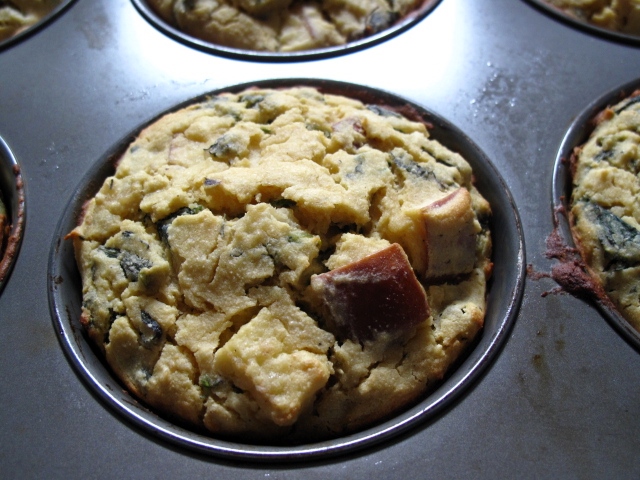
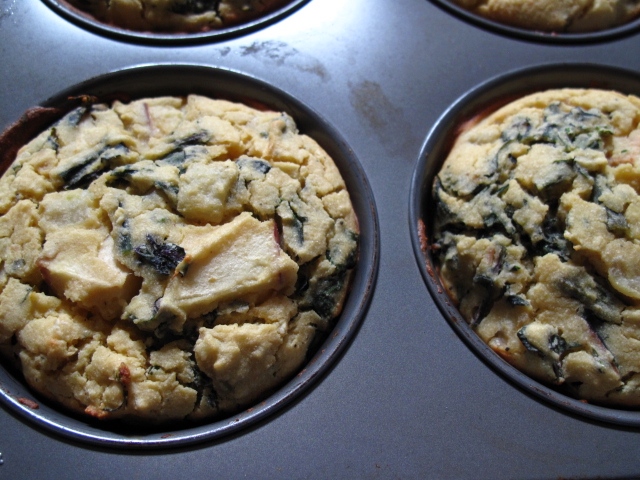
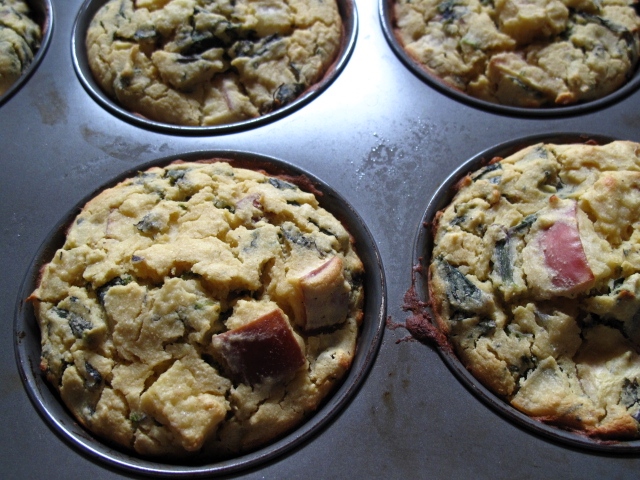
savory getaway run + picnic muffins, makes 6 jumbo size muffins
The vegetables in these can be easily changed up depending on what you have, but I find that adding just a little sweet apple really rounds out the savory flavors.

1 small onion, diced
2 cloves garlic, minced
1/2 tsp. dried thyme
1/4 tsp. ground black pepper
1 large apple, diced
1 large bunch kale, diced
3/4 cup cooked white beans
9 Tbs. aquafaba or 3 flax eggs
1 Tbs. coconut oil
1 Tbs. honey
3/4-1 cup / 180-240 ml non-dairy milk
2 tsp. apple cider vinegar
2 cups / 210 grams chickpea flour
1 tsp. mustard powder or 1 Tbs. Dijon mustard
2 tsp. baking powder
1 tsp. sea salt, divided

  • Preheat the oven to 400ºF (200ºC ), oil a jumbo 6-hole muffin tin or line with paper cup liners.
  • Heat a little oil of your choice in a skillet over medium heat. Add the chopped onion and sauté until soft, about 5 minutes. Add the garlic, thyme, black pepper, and 1/2 tsp. salt and sauté for a further 5 minutes. Then, add the apple and the kale and sauté until the apple is just barely beginning to soften and the kale has wilted. Remove from the heat and set aside while preparing the other ingredients.
  • In a food processor or blender, puree the cooked beans until they form a smooth paste. You might need to add a little water to them. Once pureed, they should measure out to about a 1/2 cup. Add them along with the other liquids to a small bowl and then set aside.
  • In another medium mixing bowl, measure out and mix the flour, baking powder, and remaining spices.
  • Pour the wet ingredients into the flour mixture and using a spatula, start folding them together, along with the onion, kale, and apple. Mix just until combined.
  • Divide the batter evenly between the cups of the muffin tin and bake for about 20 minutes or until golden and a toothpick inserted in the center of one of the muffins comes out clean.
  • Remove the muffins from the oven and set aside to cool slightly in their pan before transferring to a wire rack to cool completely.
  • They will keep for a few days if stored in an airtight container either at room temperature or in the fridge, and they also freeze well.

recipe-redux-linky-logo

Sweet Beet + Elderberry Oatmeal

IMG_7181

 
Happy Easter Friends!

Today I have a recipe I’ve been making on repeat for the last couple months, and one I’ve been meaning to share for weeks. But in truth, I’ve been busy. And stressed.

In what I knew would be a packed late-winter season, my class schedule was on overload for what ended up being six weeks. When I signed up for them, I thought it would be three to four, and knew I could get through for one jam-packed month. But then a job opportunity landed that I decided to take, my running coach decided I could handle more miles (and thus time), and one of those classes was taught by a professor that was amazing, but intense. Even for grad school.

So in light of all the action happening at once, I took a class extension. I dropped creative projects and unproductive activities like social media, I spent all my waking hours working or running save a precious few in the early mornings and evenings, and I just got through.

I’m still recovering, trying to prioritize down time, read some good books, bake (currently experimenting with gluten-free/vegan hot cross buns!!), and run with joy and gratitude. And also, feed myself well.

And while it’s spring break for many, I’ve a couple more weeks before I get there.


So today, let’s talk a little more about stress, overwork, and the nutrients that are necessary always, but even more so when we’re trying to bulldoze forward at full speed. The first are the entire friendly group of B Vitamins. 

The essential B vitamins are necessary in every step along the pathway of converting food into energy. When the body undergoes any kind of stress, whether it is physical or emotional, and feels depleted, the B vitamins are likely needed to restore balance and energy. In addition to converting food into energy and helping to cope with stress, many of the B vitamins can also help alleviate symptoms of insomnia, nervousness, PMS, and mood swings.

Each of the B vitamins (B1, B2, B3, B5, B6, B7, B9, B12, and their friend Choline) have their own specific roles, but they function quite well as a group. They are found abundantly in whole foods, particularly in whole grains, legumes, seeds and nuts, fruits, and vegetables–except for B12 and Choline, which each deserve their own discussion another day. In order to incorporate the spectrum of all of these essential nutrients into your diet, it is important to eat a wide variety of fresh, colorful, whole foods.

Most of us are actually getting sub-optimal levels of these nutrients, especially when we are overworked and very active.


Next up in importance in times of stress is Magnesium

Magnesium is a key player in over 300 biochemical reactions and is essential for creating and maintaining healthy bones, energy production, nervous system balance, and blood sugar control. And it is anti-inflammatory. Magnesium is required for DNA and RNA synthesis as well as the synthesis of glutathione, which is a powerhouse antioxidant that combats free radicals and cellular damage.

Like the B-vitamins, Magnesium is often lacking in the modern diet, our needs are more when we are stressed either physically or mentally, and it’s abundant in whole foods like leafy greens, beans, nuts, and seeds, and whole grains.


Finally, when we are overworked, our immune system takes a hit, and it’s during these times that we often fall victim to colds and flus. While winter flu season theoretically should be winding down, the mega virus(s) that’s been hitting hard these past few months is still going strong. Enter my favorite immune booster, elderberries.

Elderberries have strong antiviral properties and have been shown to shorten the duration of cold and flu outbreaks in research. They also have a very long history of use in traditional medicine. Made into a delicious syrup and combined with anti-inflammatory ginger (which I’m now making and selling in my shop), a daily small dose during times of increased stress gives a good immune boost*. I’ve been taking it all winter and especially these last few weeks, and even with exposure to a whole lot of sick kids, have been staying healthy.


IMG_7203


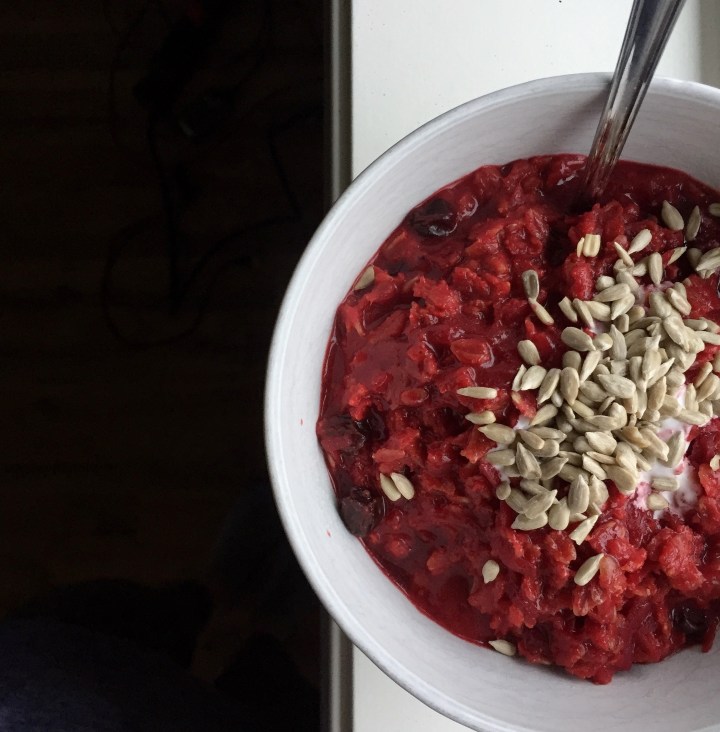
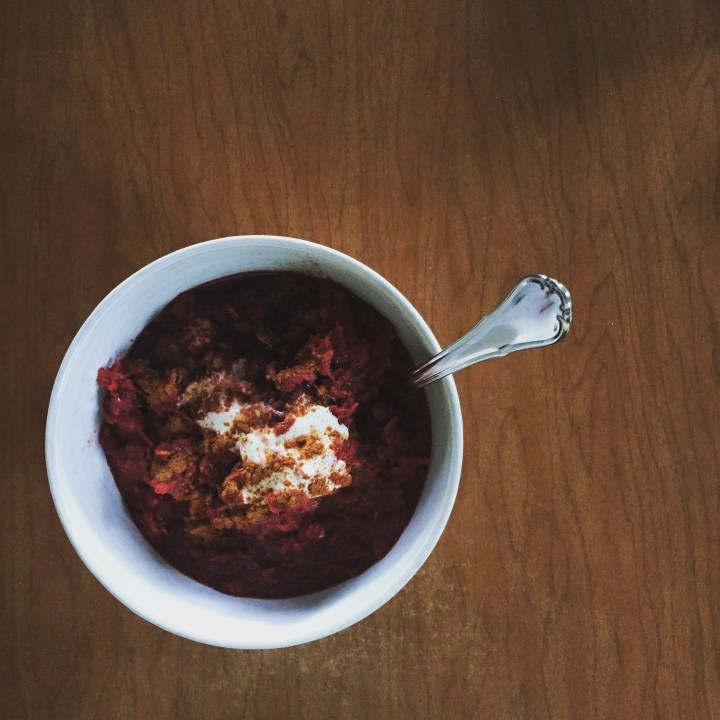
Sweet Beet + Elderberry Oatmeal, serves 1-2
Due to all the aforementioned whole foods I’ve packed into this delicious breakfast bowl including oats, beets, flax seeds, sunflower seed butter, as well as a little drizzle of elderberry syrup, this makes for a really nice start to the day. It’s one of my favorite breakfasts lately, and definitely feels like a meal that brings to life the meaning of self-care and stress reduction. For busy mornings, I like to prep all the ingredients, save the oatmeal and toppings in a saucepan the night before, and then store it in the fridge. In the morning, bring the pan to a boil, add the oats, cook until done, and then add toppings and serve. 

1 1/2 cups water
1 medium-ish beet, finely grated
3/4 cup old-fashioned oatmeal
1/8 tsp. sea salt
1-2 Tbs. raisins
1/2 Tbs. sunflower butter
1 tsp. elderberry syrup
a dash of cinnamon, optional
1 tsp. ground flax seed, optional
additional sunflower seeds to top

  • Bring the water to a boil in a small saucepan. Add the finely grated beet, salt, raisins, and oatmeal. Turn down to medium-low and cook until soft and to desired consistency, about 8-10 minutes. You might need to add more water, as needed.
  • Then stir through the sunflower butter, remove from heat, and add the syrup and any additional desired toppings. Enjoy, ideally in a non-distracted setting for the ultimate self-care.


*These statements have not been evaluated by the FDA. This product does not intend to treat, diagnose, cure, or prevent any disease.

Cooling Kitchari + End of Summer Notes

Cooling Kitchari + End of Summer Notes

IMG_1904


After sharing about my experience with eating at the relay, I got a request to share the kitchari that I made and ate during the race. As I’ve told more than a few people, it is a variation on dozens of “beans and rice” meals that I regularly make and consume. One thing that is different, however, is that I’ve been paying a little more attention to the energetics of food these past few months, how certain things make me feel, physically and emotionally, and really asking myself, What do I need today? to feel my best. Part of this is perhaps just where I’m at in life, with my relationship to food and my body, and the other part is that I find when it comes to healing complex health concerns, which I’ve struggled with for a number of years, I believe we each individually have the internal knowledge of what is best for us, if only we tune in and acknowledge it.

I’ll share a little more about what I have adapted, and suggestions for how you can do the same in the recipe notes below, but first a few good articles, a video, and a podcast episode that I particularly enjoyed these past few weeks.


IMG_1867


Nutrition + Food:
Superfood or Super-Hype?: ‘My advice is to think twice before you succumb to the next cure-du-jour and run out to buy this week’s superfood. It might cure what ails you (though probably not). Better to take a thorough look at your lifestyle, habits, and diet. Choose from the widely available healthy foods and go for a long walk!’

The Antioxidant Effects of Acai versus Apples

A Vegan Dietitian Reviews “What the Health”: There has been A LOT of discussion and controversy over this new documentary, but I think Virginia Messina does the best job detailing the problematic nature with how the information was presented.

Microbiome: Increase Your Diversity: ‘However good your diet and gut health, it is not nearly as good as our ancestors’. Everyone should make the effort to improve their gut health by re-wilding their diet and lifestyle. Being more adventurous in your normal cuisine plus reconnecting with nature and its associated microbial life, may be what we all need.’

This Is Your Brain on Cheese: When I first learned I was reacting negatively to gluten and dairy and eliminated them from my diet, I found dairy was much more difficult to remove, and I went through weeks of anger and frustration at the sudden lack. After that ‘detox’ period was over, I have never craved cheese or other dairy again. Some of the evidence in this article explains why.

Are Endurance Athletes More Susceptible to Getting Diabetes? ‘If you’re eating like a Tour de France rider, just make sure you’re training like one too.’

A Cook’s Remedy: I absolutely loved Aran’s video showcasing her Spanish Roots and relationship to food and body, and her journey over the years. It is episode Three, parts one and two.

And Lastly, a podcast episode to really get you thinking about your relationship to food and buying in to diet culture–I know it certainly has been the start of a paradigm shift for me: Isabel Foxen Duke on Sanity around Food, Surrender, Diet Culture, Fat Phobia as a Social Justice Concept + So Much More


IMG_1882


Self-Care + Mindfulness:
The Mindfulness of Pure Experience

Turning Softly Towards Your Pain Rather Than Avoiding It: ‘I began to alter my relationship to negative selective memories and go towards them and soften them rather than avoid them. I would notice how they made me feel, where I felt them, breathing deeply, anchoring myself around the thought or memory in order to reduce the impact it had on me.’

The Tomorrow List: ‘Instead of listing what I was grateful for that day, which despite my inability to articulate was still aplenty, I made a list of what I would be grateful to have realised tomorrow. If all went according to my desire’s and the sake of my safety, how I would feel at the end of my day.’

I’ll shoot you straight: ‘If you are resentful and do nothing to change either your exterior or interior, you have not met yourself. If you go back to the same coping mechanisms over and over again with the same results over and over again, you have not met yourself. If you keep opening the same doors over and over and OVER again, there’s a whole untouched hallway ahead of you – and you have not met yourself.’ 

‘I sit here knowing my body will go through so many incarnations and I’m going to treat it like it’s royalty no matter what. I smile because I have not only a yoga practice on the mat but off the mat as well (life, yo) that strives to be authentic, layer-peeling, free of addiction and crutches and sameness, and I feel as if I am gliding down the hallway, door by door. And I realize I am free, I am whole, I am love. And I am not afraid.’

And to end on a slightly lighter note, I love Sophie’s suggestions on 12 Ways to Make Your Kitchen a Hippie Haven, combining both food, nutrition, and mindfulness topics.


IMG_1913


Cooling Kitchari
, serves 4
Adapted from What to Eat for How You Feel

Kitchari is a creamy porridge-like blend of beans and rice that has been a staple of Ayurvedic cuisine for many centuries. It is often consumed during times of healing or for detox, as simple frugal fare, and as a comfort meal. There are countless variations on it, and I adapted my own, choosing to cook the beans and rice separate for a less porridge-like texture in lieu of a more soupy curry served over brown rice. I’ve made it with both split yellow mung dal and red lentils. Both are lovely but the red lentils will break down more into that porridge consistency, and the split mung beans will retain a little more texture. The spices used here are more in favor of consuming this during the summer heatwave we are once again experiencing, with cooling and digestion-friendly fennel, and smaller amounts of the heating and pungent ginger and turmeric spices. Additionally, use whatever seasonal vegetables you have on hand. I chose to use more grounding vegetables from my garden like golden beets, yellow summer squash, carrots, and white ‘salad’ turnips and their greens. My garden is bursting with tomatoes, peppers, and eggplant too, and though I really do enjoy those foods, I’m noticing that they’re not leaving me feeling my best so I left them out. If you choose to make this, I invite you to adapt it as needed, adding in one or two minced chili peppers if you’re feeling a little stuck or sluggish, or taking out the black pepper if you’ve been overheated.

1 cup yellow split mung dal or red lentils
3 cups water or vegetable broth
2 cups diced seasonal vegetables
1-2 cups dark leafy greens
2 bay leaves
1 teaspoon fennel seeds, ground in a spice/coffee grinder
1 teaspoon fresh grated ginger
1/2 teaspoon ground turmeric
1 teaspoon salt
1/4 teaspoon black pepper, if desired
1 Tablespoon olive oil
1 cup long grain or basmati brown rice
2 cups water or vegetable broth
1/4 cup fresh chopped cilantro, basil, or parsley
lime wedges, to serve

  • Soak the mung dal or red lentils for at least 30 minutes, then drain, wash well, and and drain again. Do the same in a separate dish with the brown rice.
  • In a small saucepan, bring the rice and water to a boil, cover, turn down to a simmer, and cook for about 40 minutes or until all the liquid is completely absorbed and the rice is plump.
  • Combine the mung dal or red lentils and broth or water in a medium saucepan and bring it to a boil over high heat. Stir occassionally and skim off the froth that comes to the surface.
  • Add the vegetables and fennel, bay leaves, ginger and turmeric, leaving out the greens for now, and mix well. Reduce the heat to medium-low, cover, and simmer for 20-25 minutes, or until the beans are soft and fully cooked. Stir occasionally as needed so nothing sticks to the bottom of the pan.
  • Then stir in the greens, oil, and salt and pepper to taste. Cook just a little longer until the greens soften.
  • To serve, spoon the kitchari over a bowl of rice and top with minced cilantro or other cooling fresh herbs and a few squeezes of lime juice.