Pumpkin Pie + Holiday Thoughts

Pumpkin Pie + Holiday Thoughts

img_0915


The Recipe Redux theme for November is healthy holiday baking. If you’re new to this space, The Recipe Redux is a monthly recipe challenge, founded by three registered dietitians, which I participate in. The challenges are always focused on taking delicious dishes, keeping them delicious, but making them better for us.


image


In light of this season, I’ve been doing a bit of reflection on where I stand in the interchange between decadent holiday foods and how I eat from day to day. Should I splurge and not worry about some of those really not healthy ingredients because it is the holidays, or should I try to capture the essence of health in enjoyable foods because it is the holidays –and we all tend to overeat and regret it later?

Additionally, as a result of all that I’ve been learning of health and nutrition and where I stand right now in aiming to maintain a healthy relationship with food, I’ve been returning to passages from Annemarie Colbin’s Food and Healing: 

With all the recent emphasis on “healthy” eating, it is important to remember one thing: Food does not make us healthy. The right kind of food will allow us to reach our maximum health potential, to become as healthy as our genes and constitution may permit. It will support what we are at our best. It will not interfere with our development, but it will also not make us more than what we can be. In short, good food is effective because it is passive. The wrong kind of food will act like a block or a dam, deflecting our growth and thwarting our unfolding. In other words, it will actively create trouble, and make us unhealthy…Good food will nourish us without causing stress, and thus allow our immune system to spend its energy in healing. Thus many different diets will have healing effects. Often it is not just what we eat, but also what we don’t eat that helps us become healthy again. 

So my theory right now? Stressing about eating the right kinds of food is not healthful. But neither is eating foods that overtax and/or stress our bodies, foods like highly refined sugars, refined flours/grains, and rancid oils, to name a few. Sure, they’re fine in small quantities infrequently. For the most part however, they’re best avoided, even (and maybe especially) during the holidays. Aren’t we all a little too stressed in this season? Don’t we deserve to feed ourselves and our loved ones foods that have healing qualities?


img_0923

img_0886


My advice is to do what you can with what you have. But maybe as you venture into this holiday season, do so a little more mindfully, thinking to yourself, How do I want my body to feel after eating? What foods will nourish me best? 


img_0875


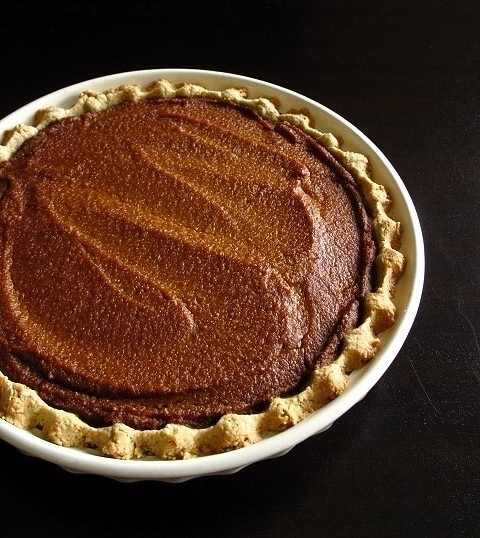
Pumpkin Pie, makes one 9-inch pie
Truthfully, I never liked pumpkin pie until I stopped eating dairy and enjoyed a vegan version of the classic. The creamy custard base always turned me off. Now I love pumpkin pie and count it as one of my favorite flavors. While there are innumerable versions swirling about this time of year, this is the one I make and enjoy. It is adapted from Gena Hamshaw’s pie in
Food52 Vegan and while I enjoy her version, I’ve changed it a bit so dates are the primary sweetener and, in my years-long quest to find a good gluten-free and vegan pie crust with no coconut oil (which I cannot stand in fat-heavy pastry doughs), I’ve finally come to a closer-to-whole-foods crust that tastes like what I think a pie crust should. It gets extra points for not needing to be rolled, chilled, or being difficult to work with. Enjoy!

filling:
2 1/2 cups baked + pureed pumpkin or winter squash, or canned puree
1 cup cashews, soaked for at least 4 hours
1 cup medjool dates (about 10)
2 tsp. pure vanilla extract
1/4 tsp. sea salt
2 Tbs. tapioca starch
2 Tbs. blackstrap molasses
1 tsp. cinnamon
1/2 tsp. ginger
1/4 tsp. nutmeg
a couple good pinches of cloves

crust:
1 cup rolled oats
1/4  cup + 2 Tbs. almond meal/flour
3/4 cup millet flour
pinch of sea salt
4 1/2 Tbs. good quality canola oil
3 Tbs. maple syrup
3/4 tsp. vanilla

  • Begin by baking the pumpkin or squash, if using, and soaking the cashews in water a few hours ahead of time.
  • Then, soak the dates in warm water for about an hour to soften up. Once the dates have soaked, keep 1/2 cup of their soaking liquid and put in a food processor along with the pitted dates, vanilla, and salt. Puree until completely smooth.
  • Into the food processor with the date puree, add the soaked and drained cashews, starch, molasses, and spices. Puree again, until completely smooth. Then add the pumpkin and puree once again until completely mixed. Then set aside to make the crust.
  • At this point, preheat the oven to 350 degrees F.
  • Finely grind the oats into a flour using either a food processor or coffee grinder.
  • Then, in a mixing bowl, whisk together the oats, almond and millet flours and salt.
  • In a liquid measuring cup, stir together the oil, maple syrup and vanilla. Then pour the liquids over the dry ingredients and mix together with a fork until the dough is evenly moistened.
  • Dump the entire mixture into a 9-inch pie pan, and with your fingers, spread the dough across the bottom and up the sides. A flat-bottomed measuring cup, glass, or mini rolling pin helps smooth the bottom.
  • Crimp the edges, and then fill the crust with the pumpkin mixture.
  • Bake for 35-40 minutes, until the filling is a golden brown.
  • Remove from the oven and let cool completely before serving.

Apple, Fennel + Pomegranate Quinoa Salad

Apple, Fennel + Pomegranate Quinoa Salad

img_0779


For my birthday in May 2006, my college roommate and good friend gave me a paper bag full of apples. To this day, I  consider it to be one of the simplest and most thoughtful of gifts.

Though I tend to avoid using them in recipes (because I eat them all fresh), apples are my all-time favorite food and I tend to be persnickety about what a good apple tastes like. I have a slight obsession with the kind of apples that can’t be found in most grocery stores and with unique names like Zabergau Reinette, Poundsweet, and Sheepnose. There used to be an old-timer named Joe at the Corvallis market this time of year who would talk my ear off about the 100+ heirloom apple varieties in his orchard while handing me slices to taste, each with a different complex flavor. Basically, I looked forward to market day just to hear his apple stories.


img_0765img_0760


When I was working in Ireland several summers back, I traipsed around counting, weighing, and mostly eating berries all day but one of my highlights was the day Andy asked if I’d like a tour of the orchard. I practically jumped in the jeep before the words were out of his mouth. Prior to that, I toured a couple orchards in northern Washington during my experience at the farm & cooking school, Quilasascut. I was the nerdy annoying girl asking too many complex questions the day we visited the apple trees. And before that in pomology, my favorite class at UCD, we visited farmers who, like Joe, had orchards filled with hundreds of varieties. On our farm tours, we walked and talked, eating apples all the while.

Basically, I love any chance to follow farmers around all day letting them share some of their wisdom about apples.


img_0783img_0786


If ever I come into possession of a few acres to plant a gazillion ancient apple varieties, I might be on to a new calling. In the meantime, I’m trying to convince William to tear out all the worthless pretty flowering cherry trees in our front yard and replace them with apples. He’s basically the yard maintenance guy in this household and after all the work he put into those cherries this summer with no payout, he’s mostly convinced.


img_0799img_0798


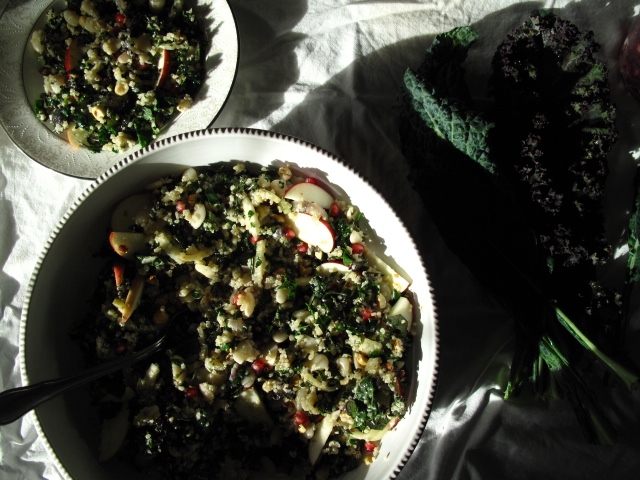
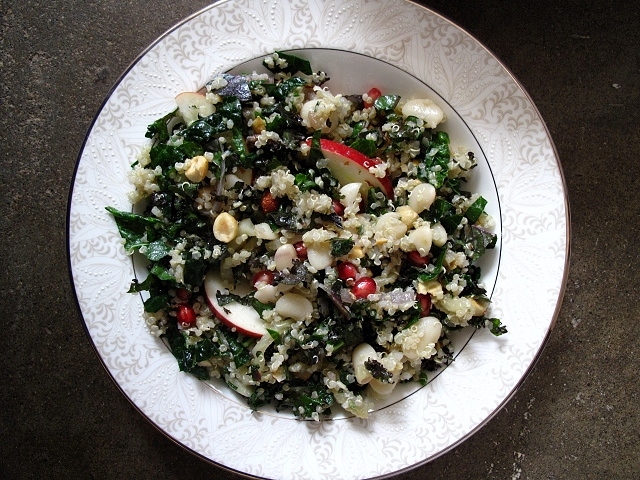
Apple, Fennel + Pomegranate Quinoa Salad, serves 4

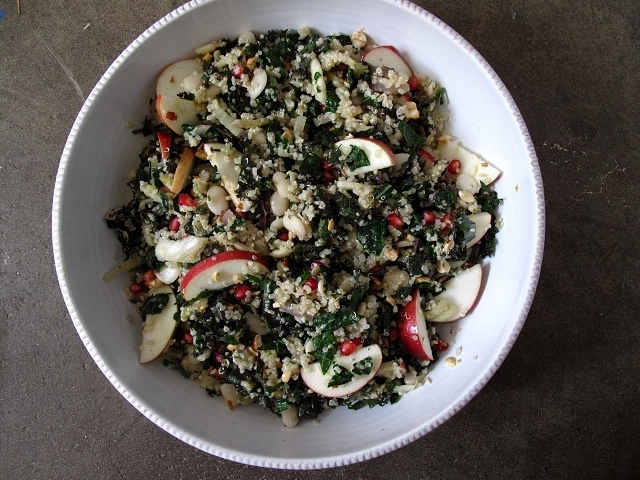
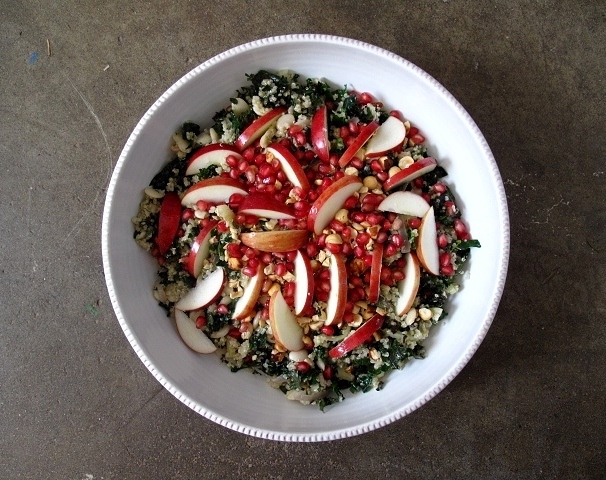
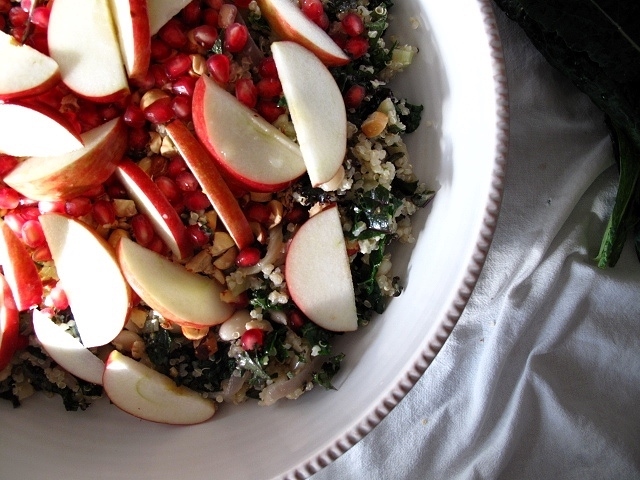
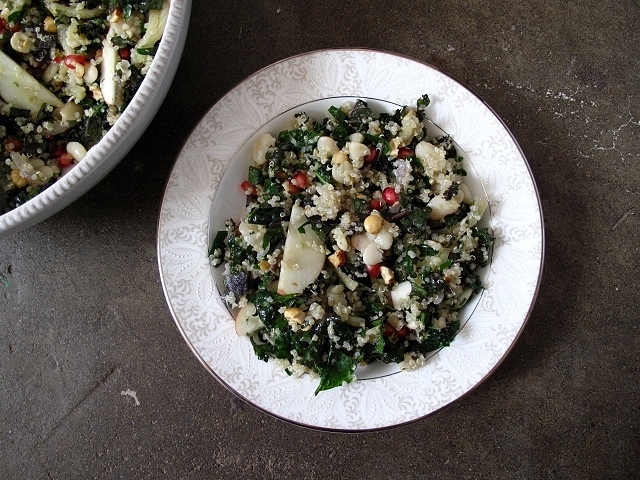
For this month’s Recipe Redux, we were asked to show what’s in our Plant Protein Power Bowls, or what I refer to as grain salads. Packed with protein, fiber and color, plant power bowls are trendy and delicious. William and I happen to eat some variation of a one-dish grain salad for dinner at least a couple times each week and have been since way before eating plant-based or from a power/Buddha/yoga/nourish/etc.-bowl became a thing. This one, with it’s seemingly interesting ingredient combination, came together out of what was on hand one evening–and because from previous experience, I love the caramelizy-sweet fennel, fresh sage and apple combination. The kale, quinoa, and baby lima beans just happen to be good additions and the pomegranate seeds provide a little festive something extra. I made this twice in a row and much to my dismay and delight, William (who avoids leftovers) took most of what was left for lunch. This little well-rounded salad was so good, colorful, and as I said, festive, that I might just be making it again for some of our upcoming holidays. Enjoy!

3/4 cup quinoa
1 1/2 cups water
1 1/2 Tbs. olive oil, divided
1/2 red onion, thinly sliced
1 small fennel bulb, thinly sliced
2 cups cooked baby lima beans (or other white bean)
2-3 cups finely chopped kale
1-2 Tbs. fresh sage leaves, minced
1 small apple, sliced thin
1/2 cup pomegranate seeds
1/2 cup roasted/toasted hazelnuts, coarsely chopped
1-3 Tbs. apple cider vinegar, use to taste
sea salt + pepper, to taste

  • Rinse and drain the quinoa and then place it, along with the 1 1/2 cups water in a small saucepan. Bring to a boil, lower the heat, cover, and simmer for 15-20 minutes. Set aside to cool.
  • In a sauté pan over medium-high, heat 1/2 Tbs. olive oil and then sauté the onion and fennel, about 5-8 minutes, until both are soft and golden. Remove from the heat and slide into a big bowl, along with the cooled quinoa, and lima beans.
  • In a small bowl, combine the chopped kale and remaining tablespoon of oil with your hands, gently squeezing the kale to soften it up a bit. Then combine it, along with the sage, sliced apple, pomegranate and hazelnuts, to the quinoa mixture.
  • Add 1-3 Tbs. apple cider vinegar, tasting as you go, and season with salt and pepper as needed.

early autumn collard wraps with beet hummus, orange quinoa salad + apple slices

early autumn collard wraps with beet hummus, orange quinoa salad + apple slices

img_0689


I cooked my first winter squash this week, a delicata from the garden. I added it into the lovely split pea, rhubarb and apple soup from Vegetarian Everyday/Green Kitchen Stories. I sipped a rendition of Izy’s autumn-spiced coffee, planted purple sprouting broccoli for a late winter/early spring harvest, and kicked the heat on to a measly 62 degrees in the house. It ran almost all day while I wore my down vest and a blanket and powered through week four of term three–grad school life; the workload is intense; it calls for blankets and my first coffee in well over a year–and yet I love it. I’ve scheduled myself to take one-two days off from the material right now and I still wake up on those mornings ready to dive back in.


img_0683img_0696


It’s safe to say  summer is well on its way out. Ever the seasonal sleeper, I’m waking much later in the mornings. And catching up on processing my recent transition out of school garden education. I also began writing in more detail about my experience with running, eating disorder recovery, faith, and mental health in general–topics that might be a little too intense here. If you first came to this blog for those posts, feel free to read more on my new blog. Otherwise, below are a sampling of the many short and longer reading I’ve enjoyed these past months, a couple podcast episodes I feel are worth sharing, and a few seasonal meals we’ve been enjoying.


img_0716img_0725img_0739


Reading
How to Build an Empire
The Salkantay Trek to Machu Piccho: perspective +  privilege

David has been cooking with and sharing/photodocumenting the stories of Syrian refugees in Turkey this last week. It is a beautiful experience, important to share, and I think relates a lot to the point made by Ashlae, above.

Why I haven’t weighed myself in 2 1/2 years
The Starvation Study that Changed the World, I’m still reflecting on these last two but they are both well worth reading in terms of body image, eating, and/or weight struggles.


Longer Reading
Food and Healing by Annemarie Colbin. I just finished. I loved it.


Listening to
Up Your Game
How to Cultivate Non-Judgment
Andrew Wheating on Strengthening Your Winning Muscle (I’ve listened to this on repeat for weeks!)


Seasonal Eating–
Basically, I only want to eat Moroccan or Middle Eastern flavors and/or eggplants so we’ve been enjoying these:
Moroccan Eggplant Mini-Galettes with Chickpeas + Harissa
Moroccan Tagine with Sweet Potatoes + Beets
Roasted Vegetable Pizza
Eggplant & Olive Caponata
We also enjoyed the Eggplant Meatballs from Love & Lemon’s new cookbook at a friend’s last weekend. They were delicious.
And I’m eating all the pears from my favorite pear farmer and these Chai-Spiced Pear Oats, daily.


img_0749img_0722

early autumn collard wraps with beet hummus, orange quinoa salad + apples, makes 4
Every once in a while I get a craving for collard wraps, always with beets and a grain salad of sorts and perhaps some fruit. Wrapped up tight, they make for a delicious and nourishing lunch. This version is inspired by a recipe in Vegetarian Everyday with my own beet hummus (still delicious and addicting), thinly sliced crunchy apples, and locally grown chickpeas. 

1-2 batches Beet Hummus
1 cup quinoa
1 tsp. fennel seeds
zest and juice of 1/2 an orange
1/2 cup raisins
1/2 cup toasted, chopped walnuts
2-3 spring onions or baby leeks, thinly sliced
2-4 Tbs. minced parsley
sea salt, to taste
2 cups cooked chickpeas
8 large collard green leaves
3-4 small apples, thinly sliced

  • To make the quinoa salad, bring 2 cups water and quinoa to a boil in a small pot. Add the fennel seeds, turn down to a simmer, cover and cook for 15-20 minutes. Set aside to cool.
  • Add orange juice and zest, raisins, walnuts, leeks or spring onions, parsley and salt to the quinoa.
  • To assemble the wraps, trim the base of the stem off the collard leaves and take a serrated knife and thinly shave down the remaining stem, getting it to the same thickness as the rest of the leaf. Then soften the leaves by either drenching in warm water briefly or heating in the microwave for a few seconds.
  • For each wrap, arrange two collard leaves head to foot, overlapping them halfway. Spread a generous amount of beet hummus, then quinoa salad, garbanzos, and finally a few apple slices in the center. Fold over each end, tuck one side under, and roll tightly like a burrito. If it’s in danger of coming apart, use a few toothpicks to hold it together, and slice in half.
  • Continue as above to create the remaining three wraps. There should be apple slices leftover which are great eaten on the side.