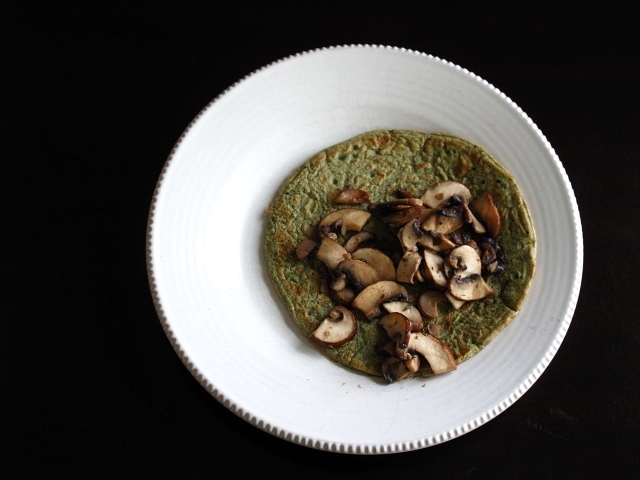
Savory Spinach Crepes with Sautéed Mushrooms

IMG_2278

When I was on study abroad several years ago, my roommates and I frequented  a handful of restaurants semi-regularly, one of which was a creperie in Dublin’s city center. Like many that cater to the brunch crowd, this was an order at the counter establishment, and all the cooking was done just to the right of the till, behind the counter. I remember watching each time as the cook spread buckwheat or regular batter across the big crepe pan, let it sizzle, flipped, and then added toppings. Ever the one to favor vegetables, I often reverted to the menu options that leaned heavily towards spinach and mushrooms.
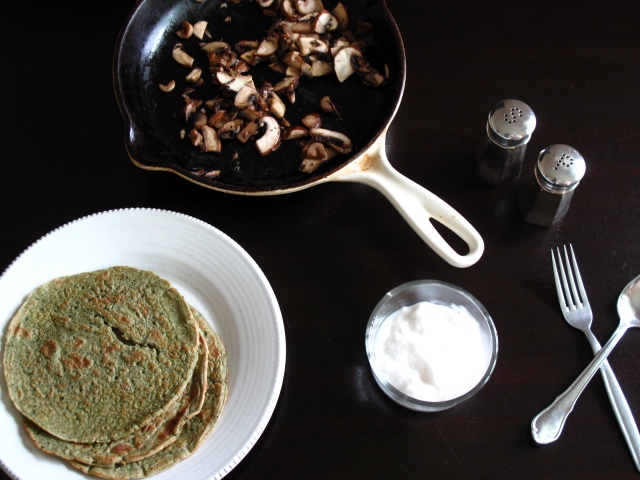
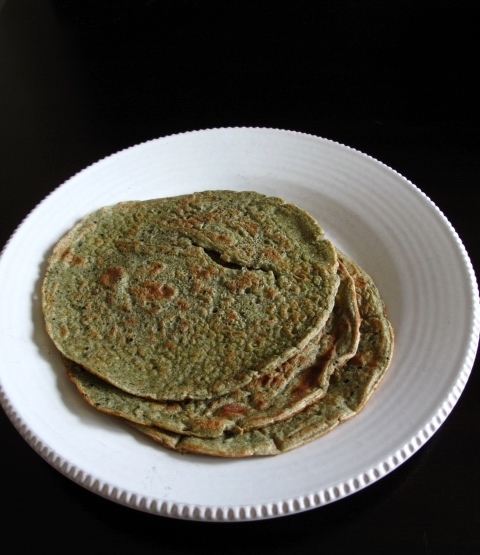
IMG_2254IMG_2255IMG_2258IMG_2263

Like in years past, The Recipe Redux challenged us to Grab a Book and Cook this month and because I wouldn’t want to break from tradition too terribly much, I reached for my newest Green Kitchen Stories cookbook and found a recipe on page 127 I’ve been tweaking for quite some time. I had even transferred my version to a word document, dated last from July. Of course it was a quick and savory green crepe recipe, leaning heavily on spinach and mushrooms. Apparently my preferred crepe flavors have changed remarkably little in all these years.

David and Luise use rice flour and eggs in their crepes, and then they dress them up with an extra step of tahini, apple, and garbanzo salad. I never did favor that particular combination, the extra step involved, or the heavy egg flavor that came through, as I’m often particular about how and when I’ll take my eggs. Instead, I tweaked the recipe over time to include buckwheat, garbanzo or garbanzo/fava flour for extra protein without another topping, and aquafaba as an egg alternative.

Being quick and easy, these are weeknight friendly and the batter will keep for a couple days in the fridge if needed. As an extra note for those who have allergy/intolerance restrictions or prefer to avoid purchasing unnecessary ingredients, I realized a few months back that my favored buckwheat flour was no longer being milled in a gluten-free facility. I tend to opt for metrics when working with flours anyway, and if you do too and have a semi well-stocked pantry and a coffee grinder, unroasted buckwheat groats (not kasha) will grind into a fine flour as quick as can be and doing so mostly skips the gluten-contamination issue. I also tend to keep leftover aquafaba (chickpea cooking water) in the freezer for occasions that call for quick crepe meals like this one, but if you’re partial to eggs and/or have flax or chia, those options work as well.
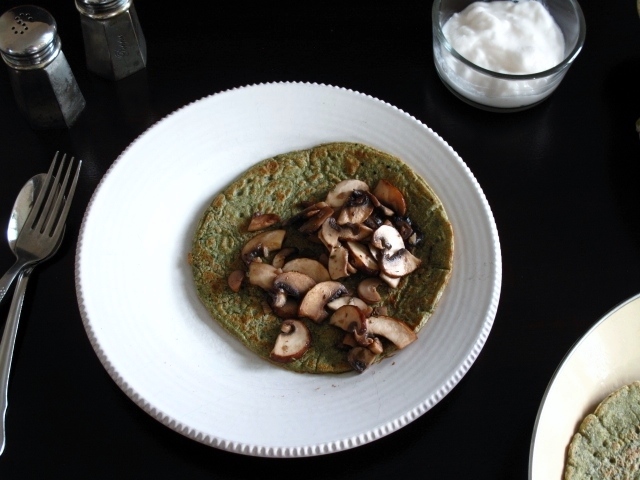
IMG_2273


Savory Spinach Crepes with Sautéed Mushrooms
, serves 3-4
adapted from Green Kitchen at Home

Crepe batter

¾ cup / 70 g buckwheat flour
¾ cup / 90 g garbanzo or garfava flour
6 Tbs. aquafaba (or 2 eggs, or 2 Tbs. ground flax or chia plus 6 Tbs. water)
2 cups / 500 ml non-dairy milk
1 cup / 250 ml water
a pinch of sea salt
1 1/2 cups fresh spinach, rinsed
1-2 tsp. coconut oil, for sautéeing

Mushrooms
1 lb./450 g mushrooms, cleaned and thinly sliced
2 cloves garlic, minced
1 Tbs. coconut oil
a couple sprigs fresh or dried thyme
salt and pepper

Optional Accompaniments
plain coconut yogurt
additional spinach
toasted sunflower seeds

  • Place the crepe ingredients in a large mixing bowl and blend, using a hand (immersion) blender, until smooth and green. Alternatively, mix the batter ingredients together in a blender. Refrigerate for about 30 minutes while you prep and cook the mushrooms.
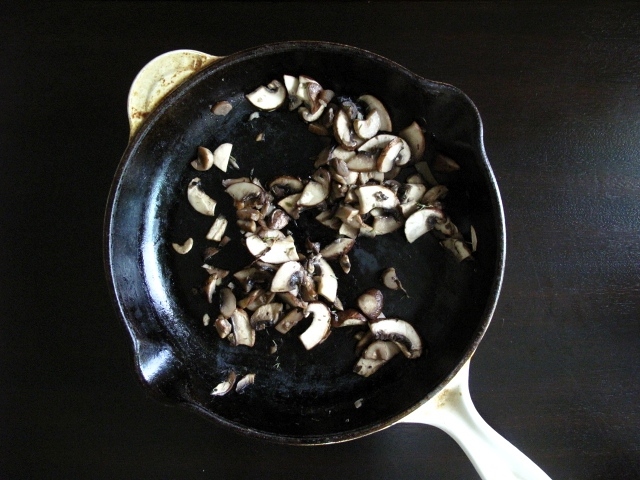
  • For the mushrooms, heat a large sauté pan over medium-high heat. Add coconut oil, garlic, sliced mushrooms, thyme, and a couple pinches of salt and pepper. Cook until the mushrooms are soft and glistening, about 8-10 minutes, stirring occasionally. Remove from heat and set aside while cooking the crepes.
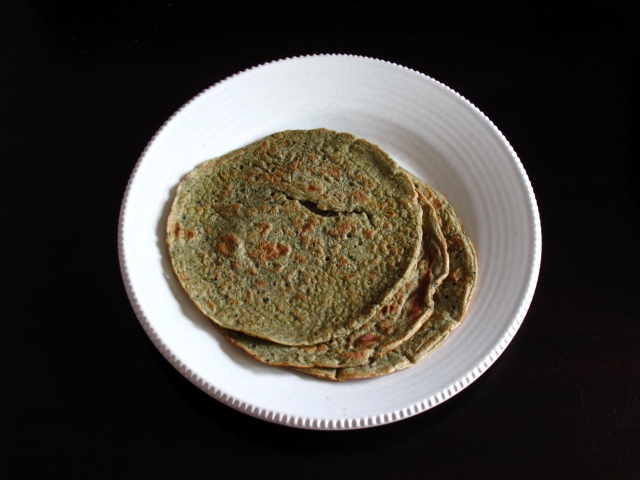
  • To cook the crepes, heat an 8 inch (20 cm) sauté pan over medium heat. Add a pinch of oil and when it is melted, about 1/3 cup (80 ml) of the crepe batter. Tilt the pan until the batter is evenly distributed. Cook for 2-3 minutes per side, until each crepe is golden and can be turned easily. Repeat with the remaining batter until all the crepes are cooked. There will be about 12 in total. Place the finished crepes on a plate in the oven on the lowest setting while cooking the remaining batter.
  • To serve, top each crepe with yogurt, if desired, and mushrooms. Feel free to add a small handful of additional spinach and/or some toasted sunflower seeds alongside to round out the meal.

If you’re of the mind, check out past December Recipe Redux posts:
Toasted Oat Porridge with Chamomile, Walnuts + Spiced Apples, from Chefs on the Farm
Chili with Chocolate and Walnuts, from Green Kitchen Travels
Quinoa + Chorizo Wintry Salad, from Vegetarian Everyday

recipe-redux-linky-logo

buttercup squash soup with coconut, sage + quince

buttercup squash soup with coconut, sage + quince

IMG_2164


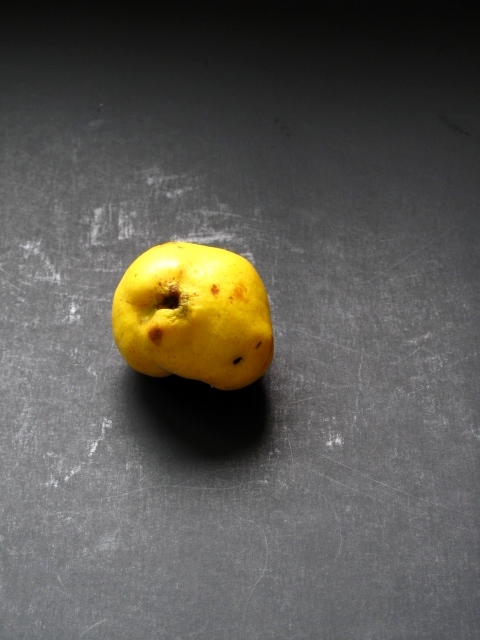
a few weeks ago, i discovered there’s a seemingly abandoned quince tree a couple streets over from us. instead of inquiring about picking the fruit to the nearby house or walking my ladder down the neighborhood and being for real about the situation, i instead ended my marathon-season track workouts for weeks by practicing my plyometric jumps into the lower branches, snagging one golden floral fruit each time, and smuggling it’s precious but ugly self back home to add to my for-soup collection.

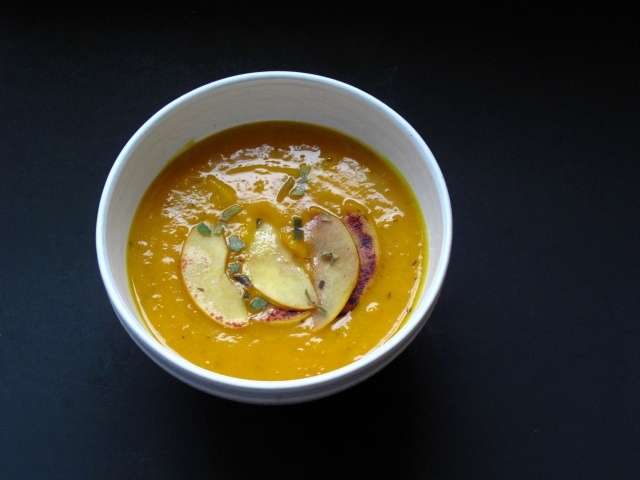
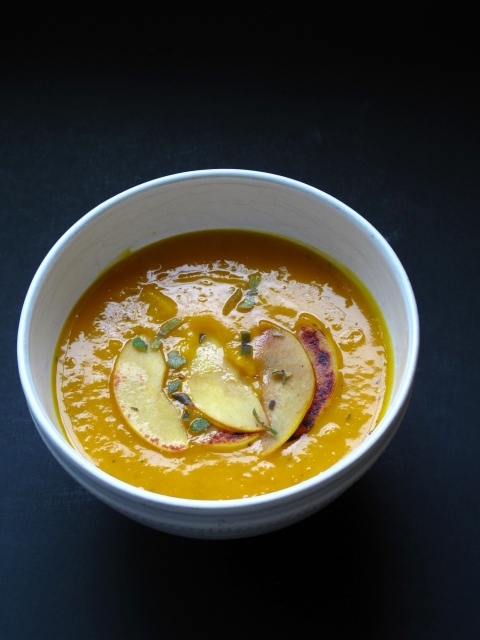
i had an idea in my head about updating this soup and instead of sending the floral quince notes throughout, piling a few thin sauteed slices on top with fresh sage. the result is absolutely holiday (or just really nice self-care) worthy.


IMG_2141IMG_2142


speaking of holidays, here is what i’m making for the Thanksgiving weekend:

i. a brussels-heavy variation of this salad.

ii. apple pie. i’m planning to recreate the best gluten + dairy free pie crust i’ve made so far, adapted from Alanna’s recipe and fill it with apples + spice inspiration from Renee.

iii. if the weekend calls for more cozy time in the kitchen, i’ll be making cornbread stuffing (per William’s request), and/or pumpkin, sage + rosemary baked risotto, or perhaps just end the weekend with that cornbread alongside my favorite deep/rich vegetable-heavy chili with chocolate and walnuts.

iv. and more of this soup! the Recipe Redux challenge this month is to add some naturally colored holiday treats and trimmings to the table and this soup is definitely colorful! and, importantly, it’s also tasty. i gobbled up the first and then second batch before i took time for photos, so the third round, whipped up in the final days before we head to eastern oregon for family time, is going home to share.


IMG_2155


buttercup squash soup with coconut, sage + quince, serves about 4

Curious about quince? They’re a seriously old fruit, similar in many ways to pears, but much more floral in flavor and aroma. They require cooking too, as their heavy tannins and raw texture will dissuade even the hungriest neighborhood scavenger! Since they’re slightly precious and can be difficult to find outside of local shops and markets, a pear or apple can be substituted, or completely left out for a less sweet/interesting ending. For a little more substance, I’ve often been stirring in either cooked garbanzos or sometimes marinated/seasoned tempeh to my soup and rounding it out with some whole grain sourdough bread for a full meal deal. Also, use any squash you like. I used the last of the Buttercup from my garden. It’s a sweet, dense, slightly dry flesh variety, and any of the Kabocha, Hubbard and Butternut varieties are also good alternatives. 

2 lb. buttercup winter squash, exterior rinsed of any remaining soil
1 + tsp. coconut oil, divided
1 large onion, medium-diced
1 tsp. dried thyme
3 cups water or vegetable broth
2/3 cups full-fat coconut milk
1 1/2 Tbs. apple cider vinegar
3/4 tsp. sea salt
ground black pepper
1 quince, cored and thinly sliced
1-2 tsp. minced fresh sage

  1. Preheat oven to 375F. Slice the squash in half and turn cut-side-down on a baking dish. Add 1/2- to 1-inch water to bottom of pan and roast for about 45-60 minutes, until a fork slides easily through the skin and flesh of the squash. Let cool at least 5 minutes before handling.
  2. Set a large pot on medium heat and add coconut oil. Add the chopped onion and sauté 5-8 minutes, stirring occasionally, until it softens and becomes translucent. Then stir in the thyme and water or broth.
  3. Once the squash is done roasting and is cool enough to handle, scoop out the seeds and discard. Then scoop the flesh into the pot. You can either discard the skin or toss it in, as it is definitely edible and will add a little texture towards the end result.
  4. Add the coconut milk and apple cider vinegar.  Bring to a boil and then turn down to simmer for 5 minutes. Let cool slightly, and then using either a blender or food processor, puree in batches until you have a smooth consistency. Turn it back into the pot, and add salt and ground black pepper and taste to adjust seasoning.
  5. For the quince, heat a sauté pan over medium-high heat. Add a small amount of coconut oil, sliced quince, and minced sage. Try to spread the slices out over the pan so they are not overlapping and cook for about 2-3 minutes on each side, until they are becoming golden and crispy on the edges.
  6. Serve the soup hot with the sauteed quince scattered on top. Enjoy!


recipe-redux-linky-logo

tempeh tikka masala

tempeh tikka masala


IMG_2013


Do you remember when I talked about my shame/pride of buying my tofu in bulk or that I was actually in the anti-tofu and soy foods camp for a whole lot of years? Well…let me tell you about the first time I bought tempeh, the fermented soy product that I now love and enjoy often.

At some point in mid-college I purchased a package of this wonky, brown and slightly moldy-looking fermented tempeh at my co-op since it was different and not meat. I was still eating meat regularly then but was also very veg/health foods curious. I took the tempeh home, cut it up and used it in something…and I thought it was gross. I didn’t try it again for a good number of years until after Deborah Madison in The New Vegetarian Cooking For Everyone convinced me it was actually quite good for me and not a “fake meat.” And following her cooking suggestions, I tried again and found I enjoyed it a whole lot!

One of the reasons tempeh is good for us is because it is fermented and it helps to inoculate our gut with good microbes. If you haven’t heard me gushing about the microbiome in past posts, well…you probably haven’t also spent an hour or two in my presence because I’m pretty sure the topic makes its way into everyday conversation on the regular. The two big reasons I’m pretty darn fascinated with the topic is that much of our immune system is housed in the gastrointestinal tract, thanks to the plethora of microbes that make their homes there AND about 90 percent of serotonin, one of the feel-good neurotransmitters responsible for regulating mood, relaxation, sleep, and even appetite, is also made and housed in the gut. I’ve struggled with immune dysfunction for a number of years, thanks largely to food sensitivities and compromised gut health, and also with anxiety in various forms for much of my life.

This month, The Recipe Redux challenged us to share a recipe that promotes gut health, and good timing too, because cold and flu season is upon us, as are the dark, damp, and cold days of late fall and winter when moods tend to take a nosedive.


Before I do, I want to share three important things you can do to enhance your internal microbial community, and thus immune health (and likely mood too!)

The first is eating more fiber. The good bacteria that promote health need fiber, which they digest into short-chain fatty acids (SCFAs) like butyrate and propionate. SCFAs are not otherwise available in the diet, and they’re responsible for a whole host of disease preventative effects, one of which is combatting inflammation. The more fiber we consume, the more diverse our microbial life (a good thing), the more short chain fatty acids that are produced, and the more health tends to improve. Fiber in foods comes in the form of fruits and vegetables, whole, unprocessed grains, beans and legumes, and nuts and seeds. If you have trouble digesting fiber-rich foods, it likely means you just need a little time to increase them in your diet gradually, as the good bacteria that digest them will grow prolifically if only given their preferred foods, and this can happen in a matter of just a few days!

The second thing to promote gut health, as I hinted above, is to eat more fermented foods like tempeh, miso, sourdough bread, raw sauerkraut and kimchi, and fermented unsweetened yogurt. When we eat fermented foods, we’re introducing the beneficial bacteria instead of feeding the ones already there. Aim for a large variety of fermented foods as this further promotes diversity of bacteria populations and optimal health.

The tempeh that I’m now so fond of is made from organic soybeans that are inoculated with a spore and then fermented. The fermentation process breaks down phytates, which are anti-nutrients and bind minerals and vitamins, so we can digest them. Tempeh is also rich in protein, B vitamins, fiber, phytonutrients, and minerals such as manganese, phosphorus, and copper. What’s more, tempeh doesn’t actually have to be cooked so it makes for a quick addition to meals. What Deborah Madison taught me is that steaming it for about 10 minutes before adding into a dish does make it tastier, as it can sometimes be a little bitter without this extra step. I tend to steam when I have the time and just dice and toss into recipes when I’m ready for food on the quick!

Lastly for optimal gut health, reduce sugar and refined carbohydrates, as they promote the proliferation of bad bacteria. Like a kid on too much Halloween candy, more sugar makes the disease-promoting bacteria really happy and they grow in number and increase inflammation and a whole host of less than ideal health outcomes.


IMG_2019


Now, for the recipe! Tikka Masala is actually a British dish that came about when a tomato sauce was combined with Indian-spiced vegetables and meat. It is super popular in Britain and Ireland as simply “Chicken Curry,” and this recipe began a number of years ago as a quick dairy-free chicken curry that William and I loved. Over the years, I dropped the chicken, added tempeh, and made several gentle tweaks, and we now have a gut and immune-friendly tempeh tikka masala that can be adapted depending on the season, and comes together quickly without all the marinating and spice rubs of a traditional tikka. Any type of canned coconut milk can be used here, but the whole fat kind will obviously make for a richer, more-rounded dish, and it’s the type I favor these days.


IMG_2017


Tempeh Tikka Masala, serves four
16-oz. tempeh, cut into about 48 pieces
1 tsp. coconut oil
1 large onion, diced
3 cloves garlic, minced
1-inch knob of fresh ginger
2-3 cups chopped seasonal vegetables (yellow/orange/red bell peppers, mushrooms, cauliflower, broccoli, turnips, peas, etc.)
1/4 teaspoon cayenne pepper
1 teaspoon ground cumin
1 teaspoon smoked paprika
1 teaspoon ground coriander
1 teaspoon turmeric
¼ tsp. ground black pepper
1 teaspoon salt
3-4 medium garden-ripe tomatoes or 14 oz. canned unsalted whole tomatoes
1 cup coconut milk
juice from one lime
cooked brown rice to serve

  • In a small saucepan with steamer basket and 1-2 inches of water in bottom, steam the diced tempeh for about 10 minutes. Remove from heat and set aside.
  • In a large skillet over medium heat, warm the coconut oil, and then add the onion, garlic, and ginger. Once the onions have begun to caramelize and turn golden, add the remaining vegetables and cook for an additional 5-8 minutes. Then add the spices and mix in.
  • Give the mixture a minute or two and then add the tomatoes and stir. Simmer for another 10 minutes or so, and then add the coconut milk, tempeh, and lime juice.
  • Stir everything together, let the flavors meld for an additional 10 minutes or so, taste and adjust seasonings as necessary, and enjoy over steamed rice.

recipe-redux-linky-logo

References:

BMJ. (2015). High dietary fiber intake linked to health promoting short chain fatty acids: Beneficial effects not limited to vegetarian or vegan diets. ScienceDaily. Retrieved from www.sciencedaily.com/releases/2015/09/150929070122.htm.

Cresci, G.A. and Bawden, E. (2015). The gut microbiome: What we do and don’t know. Nutrition in Clinical Practice, 30(6), 734-746. doi: 10.1177/0994533615609899.

Rich, P. (2017). Gut science is radically changing what we know of the human body. University Affairs. Retrieved from: http://www.universityaffairs.ca/features/feature-article/gut-research/.