


I made it to the end of a whole year of nutrition grad school and on the last day of finals I made doughnuts to celebrate bake off the mad I experienced when the server went down and locked me out of my four-hour final.
If this sounds overly dramatic, it is. I had really been looking forward to resting my mind from amines, amides, carboxyls, thiols, esters, etc., and waking up on a Saturday morning to finish it all off was last on my favorite list when all I really wanted was to go visit farmers at the market and finally get in the holiday spirit. In any case, I eventually got to take my final and do all of that because I finally regained access at 8:00 pm Friday evening and I decided to forge on and finish the class rather than waiting another day. Perhaps it was the extra study time, that I was better prepared than I thought, or that some of my fellow students are even more dramatic than me, but the final only took a little over three hours, wasn’t nearly as painful as I was envisioning, and I landed a solid score off the whole ordeal.
Or maybe it was the doughnuts.
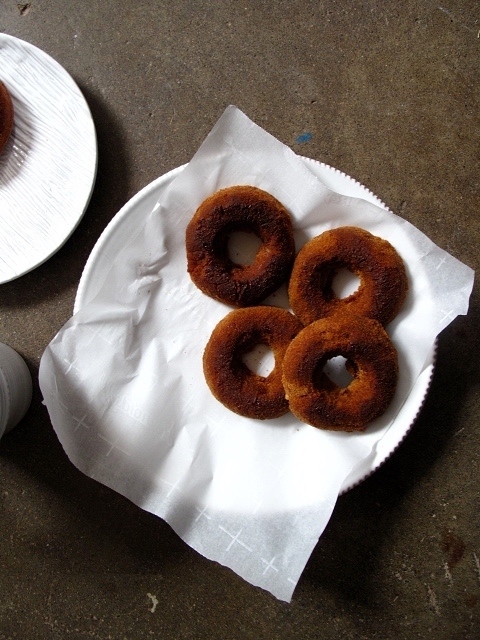
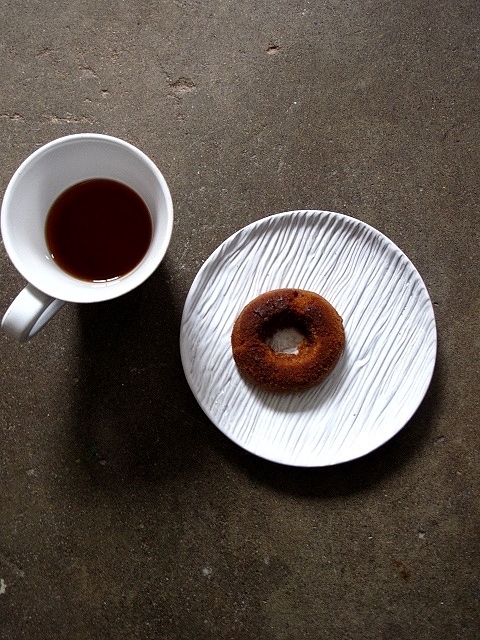
These apple cinnamon doughnuts are brought to you by my forced change of plans and at 2:30 pm on a Friday before the big final, they 1. tasted absolutely delicious 2. did not cause a sugar rush/crash that would have made a fun* experience even better and 3. may or may not taste exactly like a bakery doughnut because I haven’t had one since early high school.
You have been warned.


As I mentioned in my last post with pie, and also back when I made cookies, I’ve really been torn when it comes to sugary, indulgent treats around the holidays–but also generally. I tend to eat a “treat” every single day after dinner, but often it is fruit and cereal or a bit of dark chocolate. When I do indulge in the more decadent desserts, I’m often shocked at how sweet they are and I retreat back to fruit pretty quickly. This wasn’t always the case.
Also, I get the urge to experiment for this space every few weeks or William requests some sort of dessert or friends bring over treats–so my life is not entirely devoid of sweets.
I learned about carbohydrate and sugar metabolism this last term and also did a bunch of research on which alternative sugars to recommend. The important thing is that all types of sugar are hard on our systems in too high amounts and we as a society eat way too much of them. Second, I favor alternative sugars because they contain just enough other nutrients to not tax our systems quite as much and most are a little less sweet. Fructose in its refined state, (think high fructose corn syrup and/or white table sugar) heavily taxes the liver and according to some research, leads to decreased leptin, our satiety hormone, and increased grehlin, which is our hunger hormone. So we crave more and more and are never really satisfied. Unlike refined fructose, the sugar in whole fruits doesn’t have the same effect and there is evidence that this is the case because some of the phyto (plant) nutrients like quercetin in whole fruits block or slow down sugar absorption.
One of the less processed sugars that I hadn’t tried until recently was coconut sugar. I had avoided mostly because I’ve slowly been reducing all sugar over the years but also because the coconut craze has had me questioning the sustainability of coconut water, oil, sugar, flour, etc., with it all being so popular. I was handed a big bag of coconut sugar recently, however, and after trying it out here, I liked the results. It didn’t make me jittery or crave more like regular white sugar and the doughnuts were quite sweet enough, but not too much so. Coconut sugar does have a lower glycemic index and more nutrients than regular sugar, and can be used cup for cup in recipes. If you’re baking this season, it might be a nice ingredient to experiment with.

Apple Cinnamon Doughnuts, makes 4-5
1 Tbs. ground flax
3 Tbs. warm water
1/4 cup millet flour
1/4 cup brown rice flour
2 Tbs. coconut sugar
2 Tbs. almond meal
1/2 tsp. baking powder
1/4 tsp. baking soda
1/2 tsp. cinnamon
1/4 tsp. sea salt
1/4 cup almond milk
2 Tbs. applesauce
1 Tbs. coconut oil
1 tsp. vanilla
1/2 an apple, peeled + medium-diced
2 Tbs. coconut sugar + heaping 1/4 tsp cinnamon for the topping
1-2 tsp. coconut oil, melted
- Oil and flour the doughnut pan and preheat the oven to 350 degrees F. If you’ve no doughnut pan, these can be made in a standard muffin pan; they won’t be doughnut shaped but they’ll taste just the same.
- Whisk the ground flax together with the water in a small bowl and set aside for a few minutes.
- Combine the dry ingredients in a large bowl and mix well and then go back to the flax mixture and add the remaining liquids to it. Stir it all together to combine.
- Pour the liquids into the dry ingredients and stir briefly until the whole thing is just combined. Gently fold in the apples.
- Spoon the batter into the doughnut pan, making sure not to overfill. Bake for 15-18 minutes until they are lightly golden brown at the edges. Remove from the oven and pan, and cool.
- For the topping, switch the oven over to broil and then place a bowl of melted coconut oil and a plate of cinnamon sugar in an assembly line next to the doughnuts.
- Dip the top of each doughnut into the oil mixture briefly and then dip and roll it in the cinnamon sugar. Set on a baking sheet or sturdy foil and repeat with the others. Then transfer them all to the oven, just under the broiler, and allow the sugars to caramelize briefly. This should take no more than 2-3 minutes and may take less. Be careful not to scorch their tops!
- Remove from the oven and serve warm, if possible.




 GUTSy Performance Nutrition