Making Beans More Digestible – And the Fiber Connection

When it comes to digesting beans and legumes, complaints about not being able to digest them, or suffering with a painful balloon belly is a common concern. 

One of the common reasons for this has to do with your gut microbiome — all those microorganisms that live in the GI tract.

Your digestive system is home to trillions of beneficial bacteria that ideally live in a symbiotic relationship with you. This means you and they both benefit from them being there. Just like you, the microbes need to eat to live and grow, so they obtain nourishment from the food you eat. In the case of beneficial bacteria, they feed on the undigested part of the food, (fiber,) that is passing through your large intestine by fermenting it into short chain fatty acids such as Butyrate. And beans and legumes are rich in fiber. 

When we introduce any food that we haven’t routinely been eating into our diet, what often occurs is a readjustment period at the microbiome level. Think of it like the first day of a new job or school year. There’s going to be some shakeup to the internal routine and homeostasis. This means there might be more uncomfortable symptoms before optimal digestion occurs because the type of bacteria that eat the food you’re eating is growing its population, while die off of the type that no longer has a food source is also happening. 

But if we can make that transition smoother and get to the optimal digestion that occurs when we can tolerate eating beans and other fiber-rich foods, we’re setting ourselves up for increased intestinal health. This is because short chain fatty acids, produced by those beneficial bacteria in the intestine, play an important role in the maintenance of the intestinal barrier. 

Whereas we don’t want an overgrowth of bad bacteria, having ample and diverse beneficial bacteria is a hallmark for optimal health. Low beneficial bacteria can impact your protective mucus lining in the intestinal tract, which supports up to 80% of our immunity. The commonly used phrase “leaky gut” comes into play here when the interplay between a low fiber diet, low beneficial bacteria count, and difficult to digest macromolecules poke holes in the cheesecloth-like fragility of the intestinal lining and then opens the way for the immune system to do its job –in overdrive – resulting in sensitivities, intolerances, and allergies to many foods that are in your normal routine. 
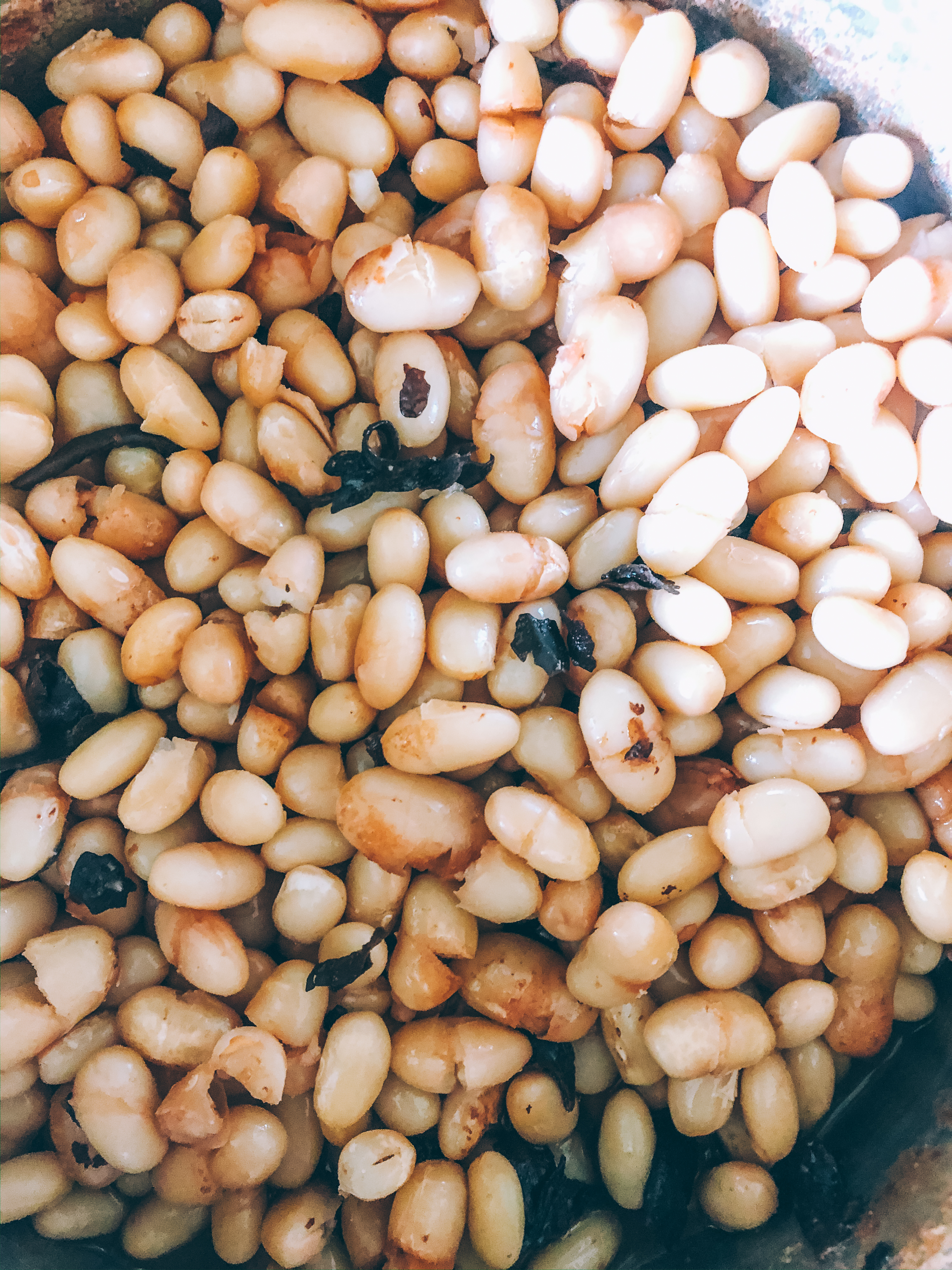
Tips for Increasing Digestibility of Beans and Legumes

If you struggle with tolerating beans and legumes, first try out the smallest, quick-cook split mung beans, red lentils, and whole green mung beans. They are easiest to digest. The larger beans are more drying in nature, and tougher for the body to break down. Red lentils and split mung beans break down and cook quickly in 20-30 minutes, and they don’t usually need soaking or planning ahead. However, if you are already having tummy troubles, soaking is a good idea. 

Below are a few more tips to help make lentils and beans more digestible:

– Introduce beans and lentils into your diet slowly. Because beans are rich in fiber and will take a few days or couple weeks to repopulate the type of bacteria in your gut that will break them down and digest them, introduce them in small amounts. If you’re particularly sensitive, start with 1-2 tablespoons per meal, and work up from there to a standard ½ – ¾ cup serving.

– Soak and rinse in a big bowl of water, overnight or for 1-6 hours, depending on the type of legume. For large beans, you’ll need an overnight soak. For smaller beans such as adzuki and mung beans, a six hour soak will do. And for lentils and split mung, a soak of an hour is sufficient. Discard the soaking water before using in your recipe.

– If there is foam that rises to the top of the pot while cooking, skim it off. The foam contains a type of protein that is hard on your digestive system. When in nutrition school, my cooking instructor Eleonora constantly repeated, ‘skim your beans’ so often that I hear her voice every time I see foam! 

– Make sure the lentils – or other beans – are cooked thoroughly. This means they are soft, not al dente. One of the biggest challenges with digesting canned canned beans is that most of them are not actually cooked as well as they should be for proper digestion. Cooking until the lentils or beans begin to break apart, or in the case of red lentils and split mung, turn into mush completely, is the best way to know they’re done.

– Add spices! Carminative spices, meaning they boost the digestive capacity, makes meals more digestible. This is why a big soup pot with beans and meat often contains a bay leaf. Other carminative spices include ginger, cumin, coriander, fennel seed, thyme, rosemary, oregano, basil, allspice, black pepper, cardamom, cloves, and more. Virtually every cuisine of the world is ripe with carminatives in the traditional recipes for the exact purpose of not only adding flavor, but also boosting digestion!

– Add a squeeze of lemon, lime juice, or vinegar. Ideally every meal contains a slightly sour flavor addition, since sour helps to activate digestive enzymes. Most meals don’t need to taste outright sour, however. A little addition at the end of cooking goes a long way and often balances the recipe that’s missing ‘just a little something.’

– Eat your foods warm. If you think of an ideal digestive scenario as a nice little cozy fire in the digestive system, eating cold foods is like throwing cold water on it. Not so great for turning food into nutrients and energy! 

– Reduce stimulus during mealtime. Eating while multitasking with your phone, computer, while reading or watching a video, and eating in a loud, overstimulated environment or while upset or anxious is a recipe for continued GI problems. Our gut and brain are incredibly closely linked. We can go a long way to improve tolerance to the foods we eat just by eating slowly, chewing each bite upwards of 30 times (yes, really!), and not doing anything else while eating, other than eating. If you try these tips, you might also find you enjoy your food more, which is always an added bonus.
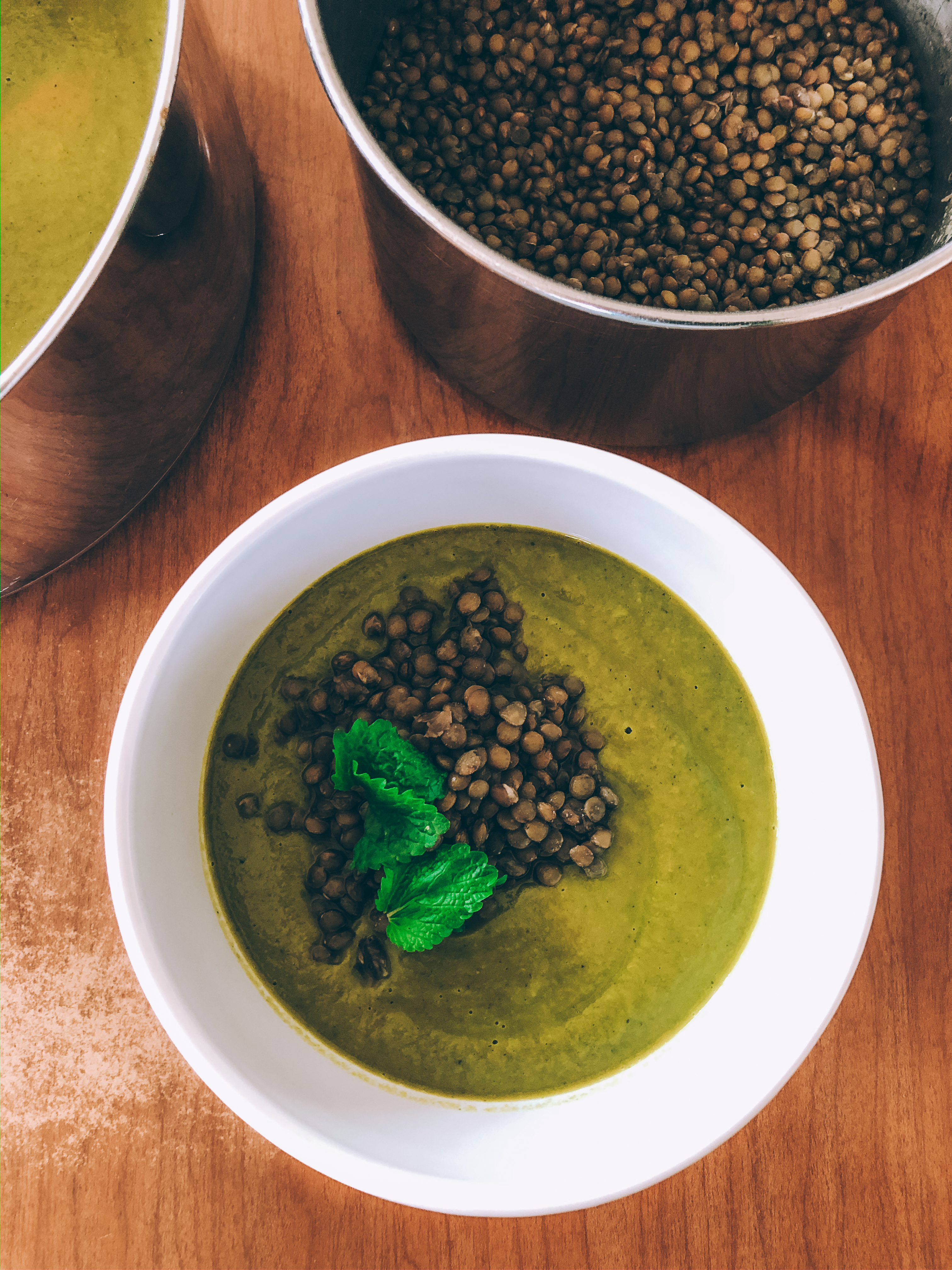
Signs of Balance and Imbalance

Ultimately, the goal is to feel good in your body and mind. Signs of imbalance include lack of appetite, bloating or gas, pain or cramps, chronic fatigue, sluggish or rapid digestion, extreme Appetite, bodily aches, skin irritations, itching and rashes, brain fog, and irritability. 

Reach Out 

If you’re ready for more individualized nutritional guidance, I invite you to reach out to me for more personalized support on digestion, sports nutrition, or both. 

What Does Your Tongue Say About Your Digestion?

Sometimes our bodies are really weird. And sometimes they’re super cool.

Today let’s chat about how they’re cool. Did you know our bodies have all sorts of ways to indicate and reflect externally, what is going on internally?

One of these ways is by looking at your tongue. Let’s take a look at what we can learn from assessing our tongues today!

But first, if you’re a regular reader in this space, yes, I changed my website and business name. But, it’s the same old mostly serious, sometimes goofy me (Rebecca). I’ll continue to share recipes here interspersed with more just-plain-nutrition-topics. Thanks for continuing to read and follow. Now let’s get to learning about your tongue!

When you look at your tongue, you can see clues about internal moisture (or lack thereof), heat and cold, tissue integrity and health, and overall vitality. All of this begins in the digestive tract, since the food you eat literally becomes the cells and tissues of your body within the following days and weeks. 

There are several aspects of the tongue that clue us into what is going on, including: 
Color
Shape, including width and vertical thickness
Cracks
Marks (spots, swollen papillae)
Coat (its presence, thickness, color, and how rooted it is)
Tension
Under tongue vein conditions and/or teeth indentations

For instance: The color of a healthy tongue is generally a moderate shade of pink. If yours is darker or paler, that indicates there may be something going on with the blood and/or blood circulation, such as excess heat and internal inflammation, or anemia (which at its most basic definition means lack of blood). A tongue that is purple or bluish, or has spots of those colors tells us the blood isn’t moving. You might really be suffering from a lack of circulation and feel particularly cold compared to others. Adding warmer spices to your foods and circulation-promoting herbs can particularly help cold, stagnant blood circulation. 

The tongue size and shape indicates the state of fluids and hydration within the body, as well as overall tissue nourishment and balance. A swollen, wide tongue usually indicates there’s excess moisture, mucus, or edema, and a dry, thin, tongue is often the opposite. A tongue that’s thick vertically often indicates excess heat and internal inflammation. 

Likewise, lack of vertical or horizontal cracks indicate there is adequate bodily moisture. Are you routinely dehydrated? Do you have cracks on your tongue? 

The tongue’s coat and the color of the coat in particular are tell-tale signs of how digestion has become imbalanced and can be improved. If there is no coat at all or it’s present in patches, this tells us your digestive capacity is a bit insufficient. We need to work on helping the digestive system assimilate and absorb those nutrients from your foods!

And a particularly thick coating tells us there’s some sort of excess going on, in the way of imbalanced gut bacteria, excess moisture which often presents as bloating after meals, or stagnant digestion, where you feel like your food just sits in your gut. 

One of the most common indications of imbalance I see is tooth marks or indentations or ripples on the sides of the tongue. This means the digestive fire is low, and you’re not assimilating the foods you’ve eaten, leading to poor tissue quality and all sorts of bodily presentations of feeling not optimal.

Take a look at your tongue. What do you see? 

Here’s mine. What can you determine about my digestion by looking at it?

My tongue assessment:
Shape: A little wide, indicating possible lymphatic stagnation or mucus.

Color: Somewhat pale (not shown super well in this photo); indicating possible anemia and/or malnourishment.
I tend to float back and forth on the line between clinical anemia and low-normal red blood cells, have fairly chronic low digestive ability, and need for a ton of supplements to stay in “health” despite consistent focus on optimizing digestion and food first. This clue checks out with my actual lab data and long-term health tendencies.

Thickness and Color of the Tongue Coat: Spotty. Mostly absent from the front; thicker than ideal in the back, indicating poor digestive capacity in the middle and lower GI (stomach and small intestine), and excess mucus or stagnation in the lower GI (colon), probably as a result of the under functioning section above. The color is a transparent white which is ideal!

Tongue Moisture: Moist – which is ideal.

Cracks on the Tongue Body: none – ideal.

Lastly, I tend to have mild indentations or tooth marks on the sides of my tongue in the middle to front; particularly in the morning when I wake up. This indicates I’m likely not digesting the last meal of the day well and could use simpler to digest evening meals – and a little more help in getting digestive functioning to optimal: as reflected in the above areas.

Overall, my tongue indicates fairly exactly what I tend to find with my digestion, and what long-term lab data has shown: Sub-optimal digestion with a tendency to not digest and assimilate nutrients well.

I will say with consistent work at it, my digestion has improved substantially from what it used to be, and I’m less super-obviously symptomatic. I rarely experience bloating, sharp or low-grade GI pain, etc.

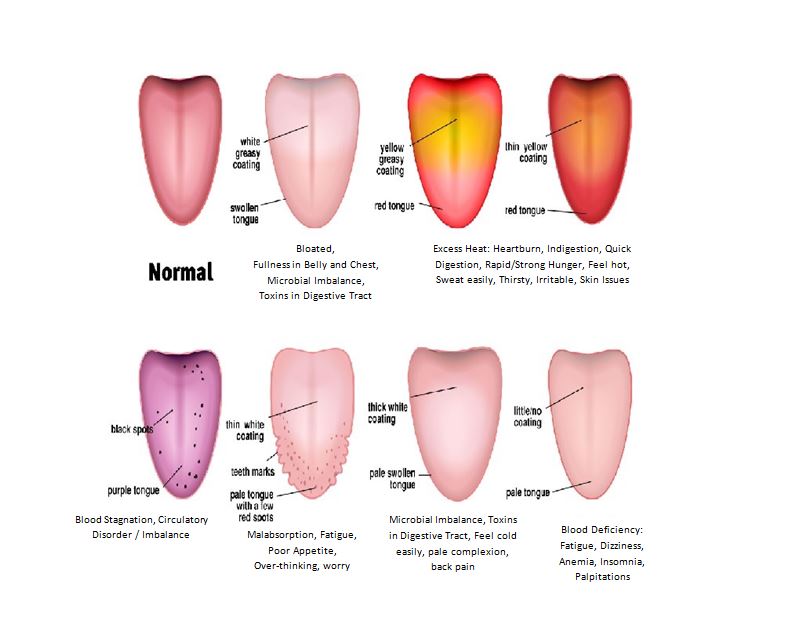
Here’s another illustration with notes about what the presentation is indicating in terms of digestion and health: 

Tongue Types – Digestive Health

Does your tongue suggest your digestion is functioning optimally? Or do you find indications that reflect exactly what you’ve had going on in there? If you’d like to learn more about how you can fix it, I’d love to speak with you in a quick phone consultation! Or learn more about your digestion in my other articles on the topic of optimal digestion and gut health

References:
Bunce, L. (2017). Tongue Assessment for Western Herbalists: A Primer.
Coatzee, O. (2017). NUTR 663: Sports Nutrition; Eastern Medicine Tongues. [Lecture]. Maryland University of Integrative Health. Retrieved from: https://learn.muih.edu

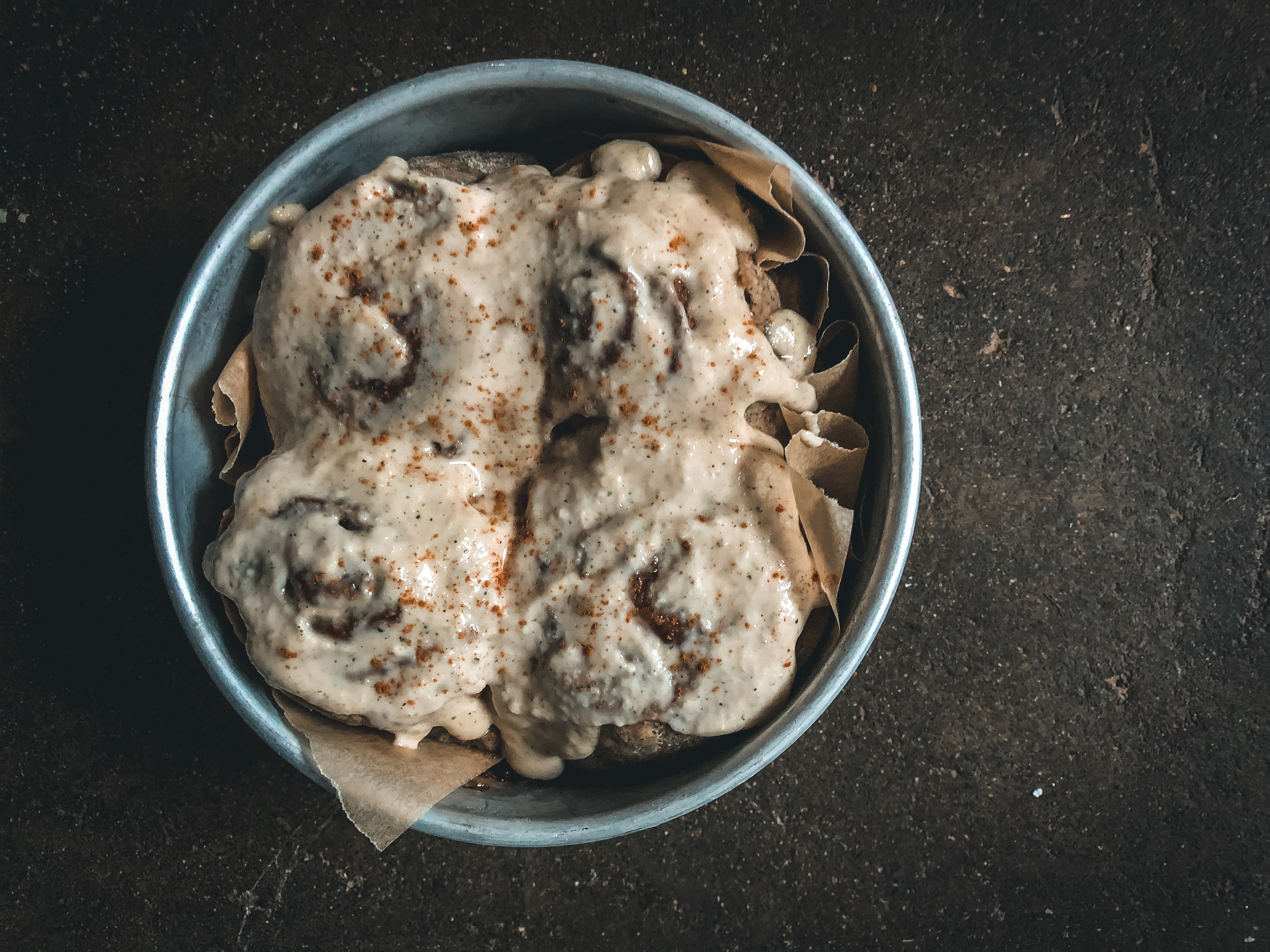
Holiday Cinnamon Rolls {gluten + dairy-free + vegan}

At the beginning of advent, William and I had an after-dinner discussion on holiday traditions and the ones that are most important to each of us. One of mine is baking and making gifts of the season to share. My grandma’s Apple Cake, my great grandmother’s Cinnamon Roll Cookies, the stereotypical fruitcake and mince tarts packed with dried fruit and spices that seemingly only me and my dad like. And cinnamon rolls, a new tradition in the past few years. For me, baking during the holidays is more about the joy it brings to others than really wanting or needing to eat all the foods myself. I grew up in an active, ranching family whose busy season happens to be in the winter (“spring” calving usually starts around Christmas, and regardless, animals always need fed first), so some sweet treats after being outside for hours in the cold and dark are always welcome.

After being mostly removed from that lifestyle for more than a decade, I still love to bake and send treats in the mail when I’m not visiting my parents. That’ll be the case this year. And of course, I still bake for myself and William as well. What I’ve found over the years is that most of us have a disjointed relationship to the treats that often come with the holiday season. They bring nostalgic feelings of happy memories, fill the house with comforting scents, and generally taste amazing. And then comes the guilt. We really shouldn’t. It’ll mess with our ‘diet’ or our ‘active lifestyle’ or our ‘new improved body’ we’ve worked so hard for. Or, the high sugar and inflammatory ingredients will hamper our healing process. I’ve been there on all accounts: the guilt, the feeling of needing to control my body, and in recent years, the awareness of hampering my healing.

But the other thing that severely hampers healing is stress. And stressing about every morsel that enters our mouth severely interferes with healing – of any type. We’re going to delve more into intuitive eating and what that really means (intuition versus cravings) here in the coming weeks, but first, let’s pause for the holiday season. Make, bake, and enjoy your favorite treats if you’d like, be mindful about what you really want and enjoy them with all your senses. Continue to chew your food. And generally let go of the guilt.

And if your body is in some stage of healing and you still would enjoy Cinnamon Rolls, these ones are just a bit more nourishing than most, yet still leave room for being slightly decadent, celebratory and delicious.

Happy solstice, yule, Christmas, and holiday season. I hope you enjoy in whatever way you can, and above all, remember to take care of you.

Holiday Cinnamon Rolls {gluten-free + vegan}, makes 4
A few notes on method and ingredients:
– The trick to really good GF bread and pastry is a binder and the best one(s) are a combination of ground chia or flax and psyllium seed husks. Both can usually be found in natural food stores or ordered from herbal companies online.
I’ve only made these with my gluten-free flour mix so any store bought mixes will have different textures/results. Measure flour by weight if you’re substituting. For the frosting, the hemp seeds are optional but provide a little flavor contrast. Just add in the same amount of additional cashews if you’d rather. I’ve tried all types of sugar in these, both in the filling and in the frosting. While I’ve given options, the first one listed is my favorite and first recommendation.
– These can be prepped ahead of time. Prepare them in the evening, and then place the rolls in their pan in the fridge during the rise time overnight. In the morning, let them warm up on the counter while pre-heating the oven. The baking time will likely need to be longer.

Wet Ingredients:
6.5 oz. / 185 ml / 13 Tbs. non-dairy milk
1 1/8 tsp. dry active yeast
1 Tbs. ground chia seeds 
1 Tbs. psyllium seed husk
2 Tbsp. coconut oil, melted
½ Tbsp. apple cider vinegar (or lemon juice)

Dry ingredients:
170 g / 6 oz. / 1 ½ cups gluten-free all-purpose blend
¾ tsp. baking powder
¼ tsp. baking soda
¼ tsp. sea salt
¼ tsp. cardamom, optional

Holiday Spice Filling:
6 Tbs. brown sugar or coconut sugar
¼ tsp. each cinnamon, nutmeg, ginger, and allspice OR 1 tsp. cinnamon
pinch of sea salt
1 Tbsp. coconut oil, melted

Frosting:
¼ cup cashews, soaked
2 Tbs. hemp seeds
2 Tbs. non-dairy milk
1 Tbs. brown rice syrup, honey, or maple syrup
1 tsp. coconut oil
¼ tsp. vanilla extract
a pinch of salt

  1. Warm up the non-dairy milk until lukewarm or at 100 degrees F / 38 degrees C. Whisk in the yeast and allow to froth up for 10 minutes. Add the chia seeds, psyllium, oil and vinegar. Whisk together and set aside so it can thicken a little.
  2. In a large bowl, stir together the dry ingredients. Dump the wet ingredients into the middle of the flour mix and stir with a wooden spoon. Your dough will begin to look scrappy. When this happens, set aside the wooden spoon and start kneading the dough in the bowl with your hands. Knead it lightly until it gets manageable and somewhat smooth.
  3. Roll out the dough on your counter or large cutting board that’s lightly floured. The dough should be easy to roll and not too sticky. Roll it into a large rectangle, a little more than  ¼ inch /3 mm. Combine the spice and sugar filling in a small bowl and spread it out evenly on top of the dough.
  4. Tightly roll the dough up from the short side so you have 4 1 ½-2-inch rolls. Line a small 6-inch or similar cake pan with parchment paper, and then place the rolls inside, cut-side up. Cover lightly with a tea towel, and allow to rise for 1 hour in a warm, non-drafty space in your kitchen. These should rise enough to be touching each other in the pan now. They will not double in size.
  5. Preheat the oven to 375 degrees F. Bake for 15-25 minutes or until the edges have firmed up. (Check after 15 minutes but my oven usually needs the full 25). Place the pan on a wire rack to briefly cool down.
  6. While the rolls are cooling slightly, blend together the frosting in a high-speed blender, and then pour and smooth over the cinnamon rolls. Add a light dusting of cinnamon on top if you’d like.
  7. These taste best when eaten warm and straight out of the oven but can be stored (covered) for about three days.