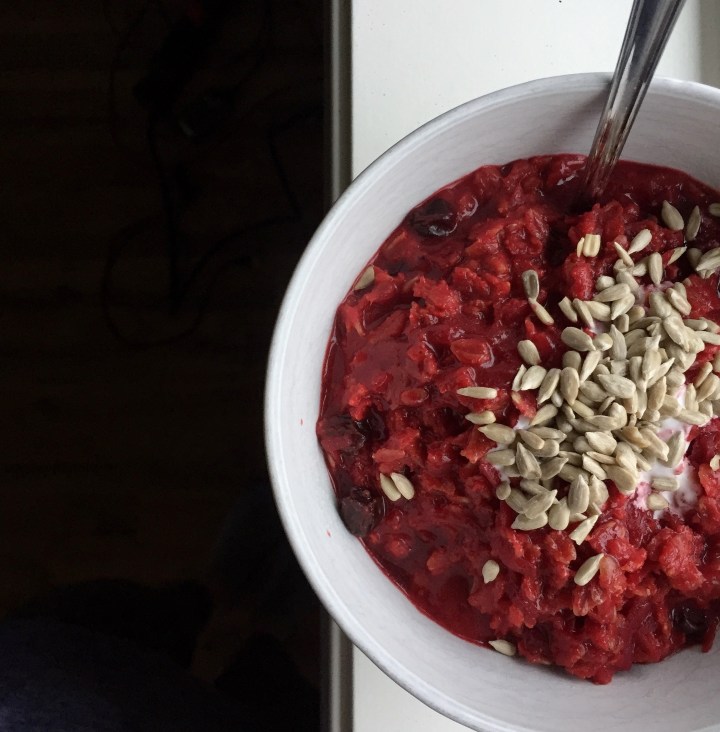
Sweet Beet + Elderberry Oatmeal

IMG_7181

 
Happy Easter Friends!

Today I have a recipe I’ve been making on repeat for the last couple months, and one I’ve been meaning to share for weeks. But in truth, I’ve been busy. And stressed.

In what I knew would be a packed late-winter season, my class schedule was on overload for what ended up being six weeks. When I signed up for them, I thought it would be three to four, and knew I could get through for one jam-packed month. But then a job opportunity landed that I decided to take, my running coach decided I could handle more miles (and thus time), and one of those classes was taught by a professor that was amazing, but intense. Even for grad school.

So in light of all the action happening at once, I took a class extension. I dropped creative projects and unproductive activities like social media, I spent all my waking hours working or running save a precious few in the early mornings and evenings, and I just got through.

I’m still recovering, trying to prioritize down time, read some good books, bake (currently experimenting with gluten-free/vegan hot cross buns!!), and run with joy and gratitude. And also, feed myself well.

And while it’s spring break for many, I’ve a couple more weeks before I get there.


So today, let’s talk a little more about stress, overwork, and the nutrients that are necessary always, but even more so when we’re trying to bulldoze forward at full speed. The first are the entire friendly group of B Vitamins. 

The essential B vitamins are necessary in every step along the pathway of converting food into energy. When the body undergoes any kind of stress, whether it is physical or emotional, and feels depleted, the B vitamins are likely needed to restore balance and energy. In addition to converting food into energy and helping to cope with stress, many of the B vitamins can also help alleviate symptoms of insomnia, nervousness, PMS, and mood swings.

Each of the B vitamins (B1, B2, B3, B5, B6, B7, B9, B12, and their friend Choline) have their own specific roles, but they function quite well as a group. They are found abundantly in whole foods, particularly in whole grains, legumes, seeds and nuts, fruits, and vegetables–except for B12 and Choline, which each deserve their own discussion another day. In order to incorporate the spectrum of all of these essential nutrients into your diet, it is important to eat a wide variety of fresh, colorful, whole foods.

Most of us are actually getting sub-optimal levels of these nutrients, especially when we are overworked and very active.


Next up in importance in times of stress is Magnesium

Magnesium is a key player in over 300 biochemical reactions and is essential for creating and maintaining healthy bones, energy production, nervous system balance, and blood sugar control. And it is anti-inflammatory. Magnesium is required for DNA and RNA synthesis as well as the synthesis of glutathione, which is a powerhouse antioxidant that combats free radicals and cellular damage.

Like the B-vitamins, Magnesium is often lacking in the modern diet, our needs are more when we are stressed either physically or mentally, and it’s abundant in whole foods like leafy greens, beans, nuts, and seeds, and whole grains.


Finally, when we are overworked, our immune system takes a hit, and it’s during these times that we often fall victim to colds and flus. While winter flu season theoretically should be winding down, the mega virus(s) that’s been hitting hard these past few months is still going strong. Enter my favorite immune booster, elderberries.

Elderberries have strong antiviral properties and have been shown to shorten the duration of cold and flu outbreaks in research. They also have a very long history of use in traditional medicine. Made into a delicious syrup and combined with anti-inflammatory ginger (which I’m now making and selling in my shop), a daily small dose during times of increased stress gives a good immune boost*. I’ve been taking it all winter and especially these last few weeks, and even with exposure to a whole lot of sick kids, have been staying healthy.
 

IMG_7203


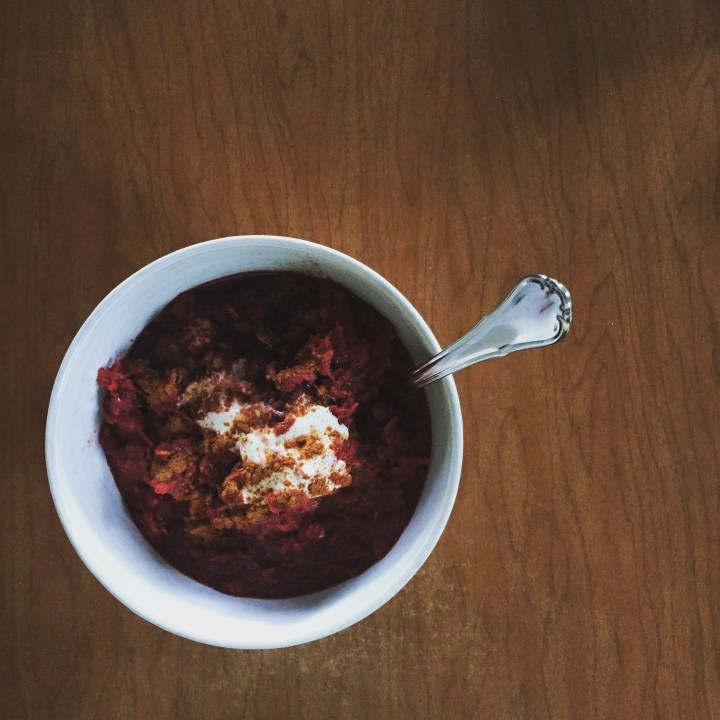
Sweet Beet + Elderberry Oatmeal, serves 1-2
Due to all the aforementioned whole foods I’ve packed into this delicious breakfast bowl including oats, beets, flax seeds, sunflower seed butter, as well as a little drizzle of elderberry syrup, this makes for a really nice start to the day. It’s one of my favorite breakfasts lately, and definitely feels like a meal that brings to life the meaning of self-care and stress reduction. For busy mornings, I like to prep all the ingredients, save the oatmeal and toppings in a saucepan the night before, and then store it in the fridge. In the morning, bring the pan to a boil, add the oats, cook until done, and then add toppings and serve. 

1 1/2 cups water
1 medium-ish beet, finely grated
3/4 cup old-fashioned oatmeal
1/8 tsp. sea salt
1-2 Tbs. raisins
1/2 Tbs. sunflower butter
1 tsp. elderberry syrup
a dash of cinnamon, optional
1 tsp. ground flax seed, optional
additional sunflower seeds to top

  • Bring the water to a boil in a small saucepan. Add the finely grated beet, salt, raisins, and oatmeal. Turn down to medium-low and cook until soft and to desired consistency, about 8-10 minutes. You might need to add more water, as needed.
  • Then stir through the sunflower butter, remove from heat, and add the syrup and any additional desired toppings. Enjoy, ideally in a non-distracted setting for the ultimate self-care.


*These statements have not been evaluated by the FDA. This product does not intend to treat, diagnose, cure, or prevent any disease.
summer calm herbal latte

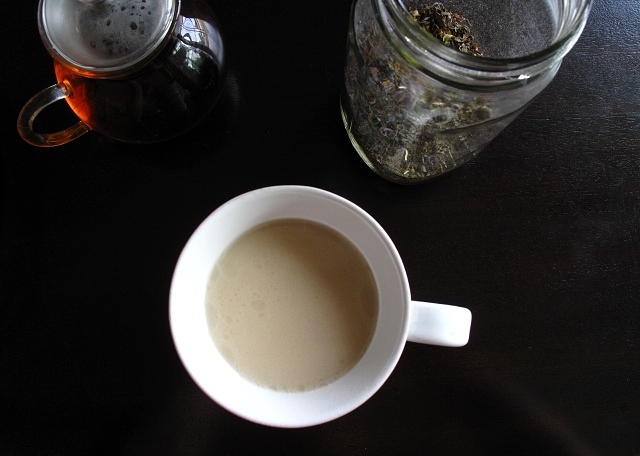
summer calm herbal latte

IMG_1856


Did I tell you my summer term was a real whopper? I probably did because I complained and/or used it as a (valid) reason to opt out of a whole host of summer social activities that I wanted to partake in on many an occasion these past weeks. If I’m remembering correctly, I was singing the same tune last summer too so clearly I need to learn how to say no more to heavy lifting during the long seasons when I want to relax, socialize, and travel more. I somehow ended up taking three of the best but most time-intensive classes and most of my weekends for May/June/July were spent polishing off weekly deadlines and term checkpoints.

Realistically though, it wasn’t all bad. My herbal class textbook went along well with both my pathophysiology and personal life learnings, and I found myself scribbling this recipe for a summer calm herbal tea blend and latte in my notebook while reading the nervous system chapter on herbs on a day that I was also laying on the grass under the tree in our backyard, listening to the buzz of insects and children playing nearby, and feeling generally rather chill. So yeah, it wasn’t all tough going. I had a lot of relaxing afternoons where I could read or study from anywhere as long as I got it done. Many days, I chose outside in the backyard or the local forest.

And then it got hot and term project deadlines brought me indoors and reliant on the internet. And I forgot all about my recipe that includes a few nice herbs to infuse calm.


IMG_1849


Since we’re now closing in on just a few last weeks of summer and the back to school or work frenzy has got some of us a little higher strung, it’s definitely time to bring out this recipe. I might just be sipping on it a ways into the next season as well as it will be perfect for those cool, dark afternoons and evenings that are sadly coming our way. It’s got a few perhaps new-to-you herbs that are really good ones too.


IMG_1846IMG_1847IMG_1844


Skullcap, Scutellaria lateriflora // One of the best anxiolytic/nervine herbs for calming a racing mind, or at least I think so! Skullcap is one of the original herbs used in herbal medicine in the United States, and has a rich history of use here since at least the early 1800’s. In addition to being useful for anxious, nervous, and stressed mindsets, it is also a great anti-spasmodic for tight, painful muscles–both of these reasons are why I love it so much! Personally, however, I think its flavor is one that “grows on you.” When I first began working with skullcap, I found its stronger flavor slightly off-putting, but now I use it so much I tend to really favor it.

Holy Basil/Tulsi, Ocimum sanctum // With a very long history of use as a revered herb in India, and used there as a rasayana or rejuvenative, Holy Basil brings about health and long life. It is known as an adaptogen, meaning it will restore stress levels back to a balanced state, and also has antioxidant and neuroprotective qualities.

Lemon Balm, Melissa officinalis // In the springtime on my trail runs, I often stop along the way and rub my hands in the lemon balm, especially if I’m in need of a mood lift. The fresh herb smells and tastes very lemony, but in the dried form, it is much more subtle, and acts like a gentle mood elevator. Some studies also show it enhances cognitive function, and may even relieve some symptoms of Alzheimer’s disease like forgetfulness and irritability. It’s also great for stress headaches and improving focus.

Lavender, Lavendula angustifolia // Lavender is a mild nootropic herb, which means it “acts on the mind,” helping cognitive function. Additionally, it is good for nervous headaches, exhaustion, or anxiety. The essential oils in the flowers have antioxidant and anti-inflammatory properties as well, and I find their aroma just lovely.


IMG_1862


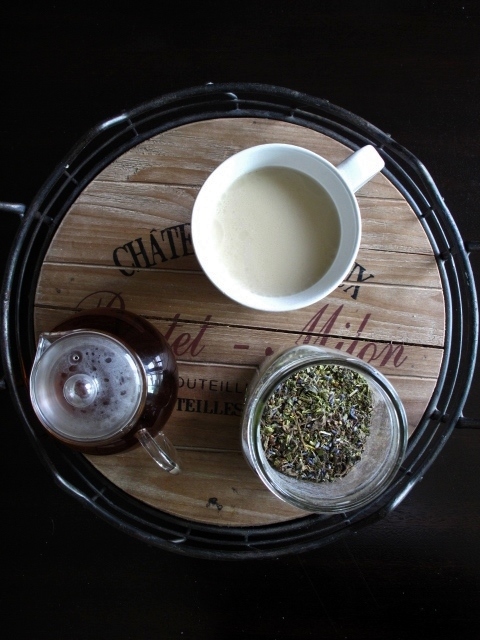
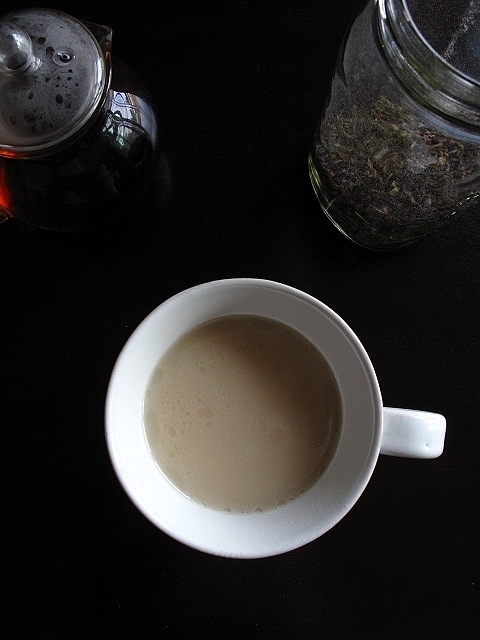
Summer Calm Herbal Latte, makes 1 large drink (18-ounces)
In the last step, I like to combine the steeped tea and warm milk in a liquid measuring cup and then have about a mug and a half of latte, as it tends to be the perfect amount for me. 

1 Tbs. summer calm herb blend (below, or herbal tea of choice)
3/4 cup nut milk
1 tsp. coconut butter
1/2 tsp. pure vanilla extract

  • Add herb blend to a tea ball or basket and then pour 12 ounces freshly boiled water over the herbs, cover or cap the mug or pot to capture all the beneficial essential oils, and allow to infuse for at least 10-20 minutes.
  • While the herbs are steeping, gently warm the nut milk, coconut butter, and vanilla extract on the stovetop or in a microwave safe dish.
  • Remove the tea ball or basket and carefully combine the tea and nut milk blend.


Summer Calm Herbal Blend

Dried herbs are best purchased in small quantities in bulk from a natural foods store, if you have access. Alternatively, an excellent place to source them online is from Mountain Rose Herbs.

2 parts skullcap
2 parts holy basil
2 parts lemon balm
1 part lavender flowers

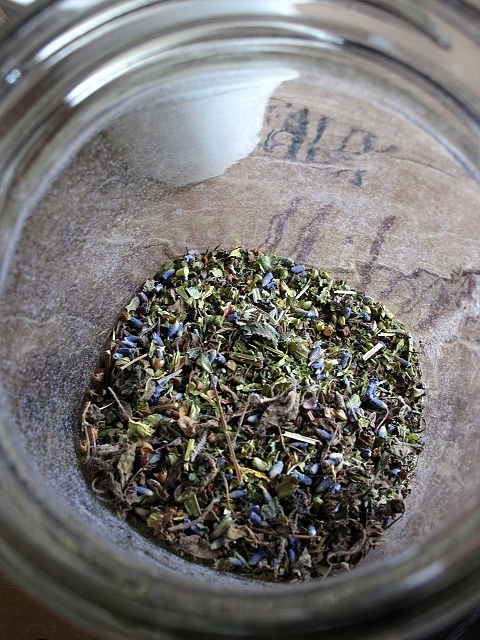
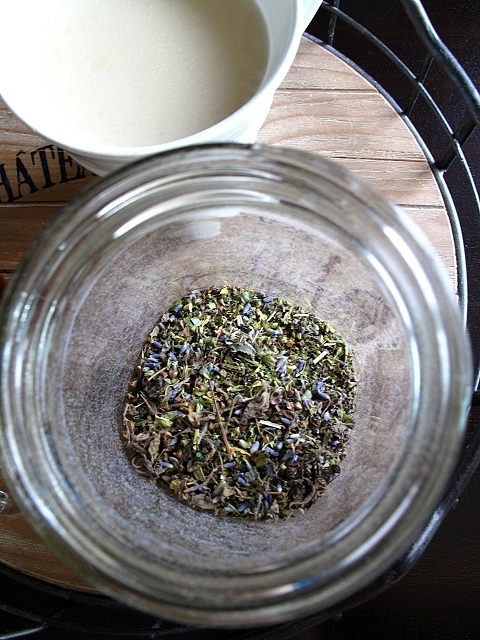
  • In a jar, or other glass container, combine the dried herbs in parts, either by volume using tablespoons or measuring cups, or by weight. Then gently shake or stir the herbs, cap, and label with ingredients and amounts for future reference.


Rhubarb + Ginger Shrub (Drinking Vinegar)

IMG_1666


It is Recipe Redux time again(!) This month’s theme is Cocktails and Mocktails for May Celebrations. Since showers and celebrations with friends abound this time of year, we were challenged to share our healthy, colorful drink concoctions for festivities like bridal showers and graduation celebrations.

Generally, due to having a slightly finicky relationship with both alcohol and drinking my calories, I’m more in favor of drinking water, lemon water, or (hot, unsweetened) tea for most occasions. It is why I share few drinks here. Occasionally however, I enjoy a nice glass of something special at social events. Cider, wine, or slightly sweet and vinegary lemon ginger kombucha are then my go-to special occasion drinks.


Aside from those options, have you heard of drinking vinegars/shrubs? They are a quite old way to preserve seasonal fruits–and then drink them with or without alcohol. Shrubs have become quite popular in recent years as a flavor add-in to mixed beverages at nicer restaurants and drinking establishments, and when I first discovered them a few years ago, I went through a short phase of experimenting with vinegary blackberry, pomegranate, and orange concoctions. And then I forgot all about them.

We experimented with many traditional folk methods of using herbs last term in my herbal pharmacy class and the base recipe for a fruit + herbal shrub was the showcase during one week, so I went with the old-time method of reaching for the flavors of the season. What resulted was this rhubarb + ginger shrub which has equal hints of rhubarb, ginger, and vinegar, and is very mildly sweetened up with honey. I prefer the very plain jane method of enjoying just a splash of it in a glass of ice water, but it is often added to sparkling water, and in various ways to enhance cocktails.


IMG_1682


Rhubarb + Ginger Shrub (Drinking Vinegar)
The amount of ingredients here are part of the base recipe for fruit and herb shrubs, so if you’d like to experiment with other flavor combinations, choose any other fruits and herbs/spices to use in the same amounts. There are also several methods of macerating the fruit, which will yield slightly different flavor profiles. Here is a good video, if you’re interesting in exploring. 

1 cup chopped rhubarb
2 Tbs. freshly grated or minced ginger
1 cup apple cider vinegar
1/4 cup raw honey or maple syrup

  • Add the chopped rhubarb and ginger to a clean pint jar. Add vinegar and honey and stir well.
  • Put a small square of parchment paper over the top of the jar and then cap the lid. The parchment will prevent the vinegar from breaking down the metal of the lid.
  • Let the jar macerate (infuse) in the fridge for one week. Try to shake up the jar about once a day for a better infusion.
  • After at least a week, strain the rhubarb and ginger from the vinegar mixture using a fine mesh strainer. Press out as much of the liquid as possible. If you have cheesecloth, putting a square of it over the strainer and then squeezing the rhubarb in your hands in the cheesecloth ball to finish straining will help get all the liquid out.
  • Then use right away or pour the liquids back into the jar and store in the fridge for up to a couple months.

recipe-redux-linky-logo