Creamy Rutabaga (Swede) Mash with Mushrooms, Sage + Hazelnuts

For the past couple months, I’ve been cooking and taking a lot of inspiration from Gill Meller’s Root, Stem, Leaf, Flower cookbook. I say “cooking” but I rarely cook the recipes as written. Instead, I’ve learned my own energetics and the energetics of the season, and I adjust ingredients and amounts accordingly. Or the recipe technique doesn’t seem quite what I’m looking for and I adjust it somehow.

This is the type of cooking and eating that is the goal for all the individuals I work with in the nutrition clinic, but admittedly, it can take a long time to get there when one’s intuition is overwhelmed by inflammation, chronic pain, nutrition and food confusion, etc.

But back to the cookbook – Root, Stem, Leaf, Flower has been my favorite inspiration to cook from for the past few years. It’s hyper seasonal with produce common of the climate I live in, exceptionally British (meaning the seasonings and ingredients are very much of the region), and uses simple high quality ingredients in often novel and creative ways. The ingredient lists tend to be short and don’t require much beyond the produce and pantry staples at hand.

This creamy rutabaga mash with mushrooms is one such example of inspiration I took from Gill Meller last year. I first shared and published this recipe locally with a farming and food organization that I served on the board of for the last few years, the Willamette Farm & Food Coalition (WFFC).

Each year, WFFC publishes what is called the Locally Grown Guide, a printed and online directory of all the local food resources: farms, farm stands, CSA’s, grocery stores that stock local, and the like. This recipe first appeared in the 2023 edition of the Locally Grown Guide, but since we’re gearing up for a 2024 release (with new inspiration within the pages), I want to share the recipe here.

Plus this combo of creamy mashed rutabagas (also called Swede), mushrooms, sage and hazelnuts is incredibly tasty. It’s a true comfort dish using local–to Western Oregon as well as the UK–fall and winter ingredients. And it’s a good one for mid to late winter, when our ideas for novel and healthful (and seasonal) eating tend to wear out.

As you’ll see, this recipe is either a side-dish or a meatless “main component,” and it will need a protein on the side to balance out the meal. Even though many vegetarians tend to recommend mushrooms as an alternative to a protein source (and they do contain some protein), I don’t recommend just eating this on it’s own–most individuals will benefit from 20 to 35 grams of protein for main meals during the day–so pair it with a side of sauteed or baked tempeh, stewed and sage-ey garbanzos, or your choice of animal-based protein on the side. Another option is to pair it with a simple and delicious pot of lentils.

P.S. Lentils have been my often go-to the last few months. If you follow me on Instagram or read my newsletter, you’ll know why I’ve had them on repeat. :)
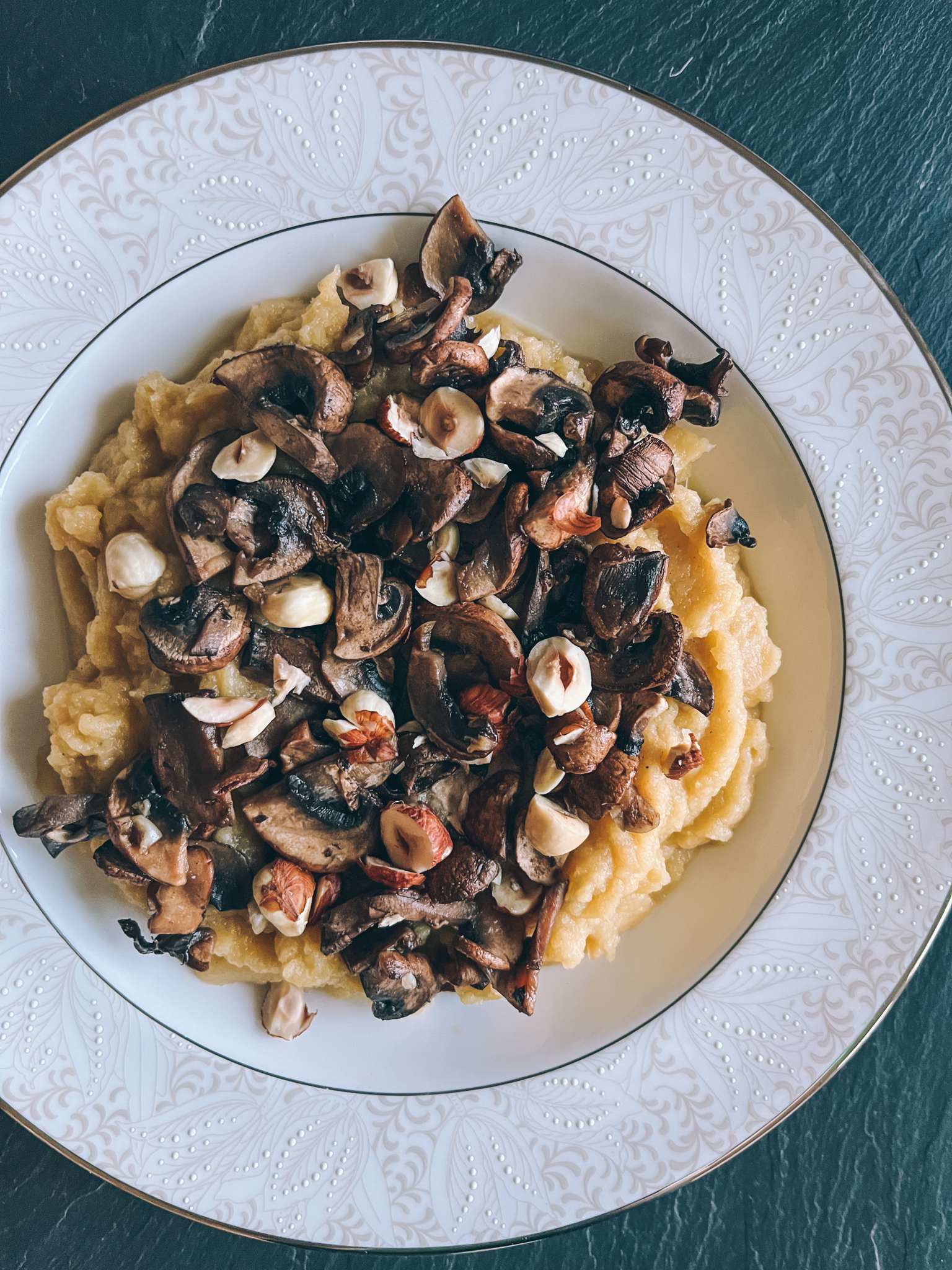
Creamy Rutabaga Mash with Mushrooms, Sage + Hazelnuts
inspired and adapted from Root Stem Leaf Flower by Gill Meller

Prep:  10-15 minutes  | Cook: 40 minutes  | Serves: 4

1 large ~ 1 ½ lb. (600 gr) rutabaga, peeled and chopped
1 Tbs. ghee or butter
8-12 fresh sage leaves
½ tsp. mineral salt, divided
⅛ tsp. ground black pepper
1 Tbs. olive oil or ghee
2 garlic cloves, minced
1 pound (450 gr) mushrooms, thickly sliced
A small handful of toasted hazelnuts, roughly chopped

  1. Place the chopped rutabaga in a medium pot and cover with water. Bring to a boil, then turn down to a simmer and cook for 25-35 minutes, until the pieces are completely soft when pierced.
  2. Drain the rutabaga with a colander, then transfer to a food processor or a blender. Add the butter or ghee, ¼ tsp. salt, about four small sage leaves, and black pepper. Puree until smooth, adding a splash of water if it is too dry. Set aside and keep warm. 
  3. Mince the remaining sage leaves. 
  4. Then heat the remaining olive oil or ghee in a large saute pan and bring to medium-high heat. Add the sliced mushrooms. remaining ¼ tsp. salt, minced sage leaves, and garlic. Cook the mushrooms for about 6-8 minutes, until they are tender, dark, and the moisture has cooked off. Then stir in the chopped hazelnuts and give it all a good stir. 
  5. To serve, spoon the rutabaga puree onto plates and top with the mushroom and hazelnut mixture. 

Notes:
– Rutabagas, which are also called swede in some countries, are truly underrated but you can swap them out for nearly any other root vegetable for a variation.
– Rutabaga belongs to the same family as broccoli and has compounds called glucosinolates, which can help with liver detoxification and can help
prevent conditions like heart disease and cancer. Hint: it looks like a large turnip but the interior flesh is more yellow.
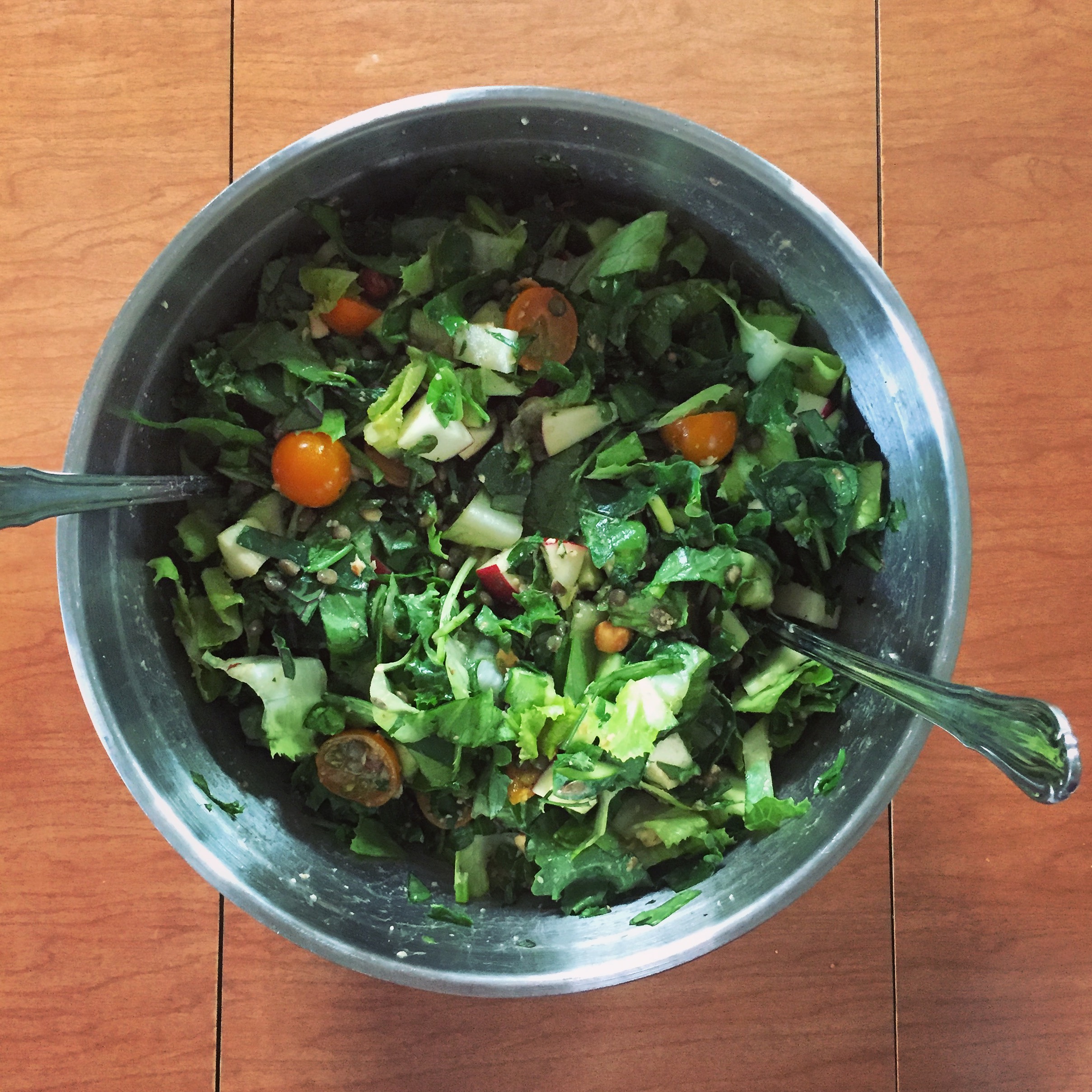
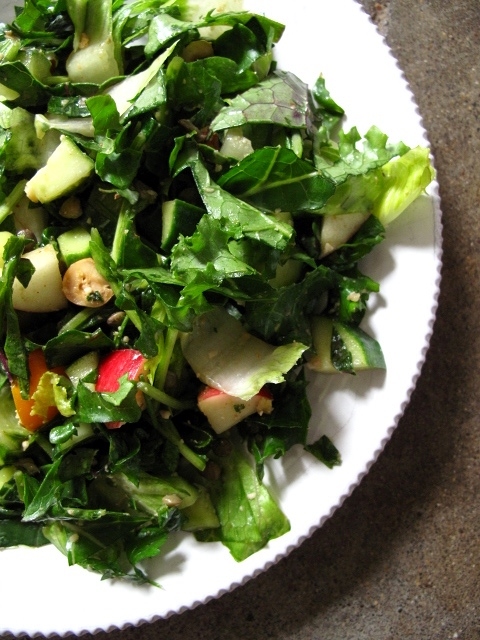
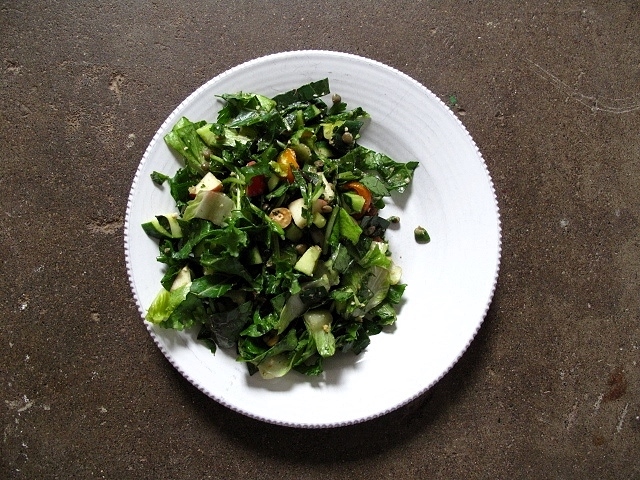
Spanish Salad with Hazelnut + Paprika Dressing

IMG_8005.JPG


In the last couple weeks, I’ve had a strong inclination to be more mindful when shopping for food and to put more emphasis on supporting local growers, producers, and processors. Part of this, I think, stems from the recent fires here in the west, and several conversations about a warming climate and how we will have to adapt some of our food and/or growing conditions now and on into the future. I count myself very fortunate to live in an area of the world that is rich in agricultural and ecological diversity, and one in where a strong local food scene is thriving, but I also know the many hands that go into supporting the kind of community I want to live in, and how much consistent work it takes to advocate for a local food system–as well as the flip side of how we rely so much on the status quo with generally no thought to what will happen if… natural disaster, climate change, soil degradation and nutrient depletion, loss of community due to choosing mass-market businesses, etc.


IMG_2736.JPG


On this topic I’m inspired lately by Andrea’s plan for a locally grown September, and her invitation for others to share in a similar challenge, which I’m structuring in my own way. If you’ve been reading long, or read back into the archives, you’ll know that for me, developing a connection to what is produced locally and in relationship with the producers in my community kick-started and supported me out of my disordered relationship to eating many years ago, and it’s this connection to place and community through food that always assists me when I begin to fall even a little back into old habits.

This salad came about because of my refocus on mindful consuming, using what I have grown and what’s produced nearby, while at the same time taking inspiration from Sara Forte’s Spanish chopped salad in her Bowl + Spoon cookbook.

Before I get there though, this article shares some of the conversations in California (and likely elsewhere) about long-term crop planning and climate change.

And this article, in which I’m interviewed, speaks a little to the impact of our dietary choices on our environment.

Enjoy, or just enjoy this salad. It’s a good one!


IMG_2732.JPG


Hazelnut + Paprika Spanish Salad
1 small bunch kale, chopped
1 head romaine lettuce, chopped
3-4 cups arugula, torn into small pieces
2-3 green onions, finely diced
1 cup halved cherry tomatoes
1 small, diced apple
1-2 medium cucumbers, diced
1/2 cup cooked lentils
1/4 cup toasted hazelnuts, chopped
2-4 Tbs. parsley, minced

Hazelnut + Paprika Vinaigrette
1 clove garlic
3 Tbs. sherry or wine vinegar
3 Tbs. toasted hazelnuts
3/4 tsp. smoked paprika
2 tsp. honey
2 Tbs. parsley, minced
3 Tbs. extra virgin olive oil
1/2 tsp. sea salt
freshly ground black pepper, to taste
1-2 Tbs. water, to reach desired consistency

  • Blend the vinaigrette ingredients until smooth in a food processor or blender. Add a little water at the end to thin, as necessary.
  • Combine the salad ingredients in a large bowl. Drizzle atop 2/3 to 3/4 of the vinaigrette and toss to coat. Add a little more until you’ve reached your desired dressing level.
  • Serve immediately, while nice and fresh!

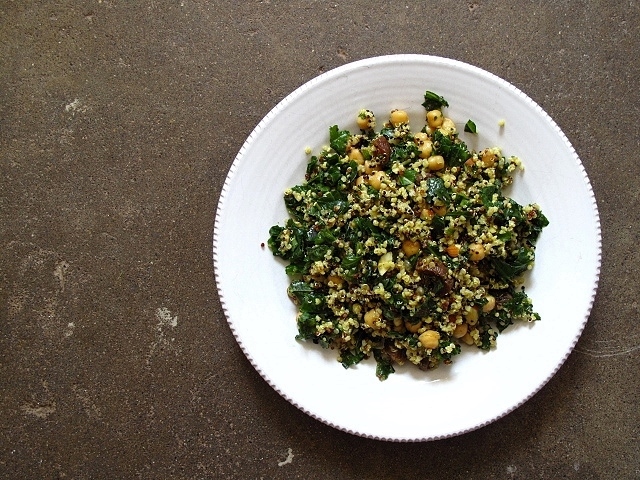
Moroccan Quinoa Salad, a favorite

IMG_1515

I cannot count the number of times I’ve made this main-dish salad the day before a race, gobbled it up as my night-before meal, and then happily gone back for the leftovers in the hours after the effort was over. Though I’ve eaten so many kale and quinoa salad combinations over the years–and perchance you have too–this one is my personal favorite this past year. Similar in many ways to this dish, I’ve changed up most of the ingredients and quantities, as I tend to, and now it is simply the kind of food I like to eat all the time, but especially when the weather begins to turn back to cool and the days shorten. Oof, I think we’re getting there.

Moroccan Quinoa Salad, serves 3-4 as a main dish
1 cup quinoa, rinsed and soaked
2 3/4 cups cooked garbanzo beans (from 1 cup dry beans, or use 2 cans, drained and rinsed)
1 large bunch kale, diced
1/4 cup hazelnuts, roughly chopped
1/4 cup dried apricots, diced
1/4 cup raisins
2-3 Tbs. capers, rinsed and drained
a couple small handfuls of mint leaves, minced
salt as needed

Dressing:
2 Tbs. extra virgin olive oil
2 Tbs. apple cider vinegar
1 tsp. Dijon mustard
1-2 tsp. maple syrup or honey
1/4 tsp. black pepper
3/4 tsp. cumin
3/4 tsp. cinnamon
1/2 tsp. turmeric
1/4 tsp. cardamom
1/4 tsp. coriander
1/16 tsp. clove
1/8 tsp. nutmeg
1-2 Tbs. water, as needed to thin

  • A few hours before making, soak the quinoa in water and add a splash of apple cider vinegar. This will reduce some of the phytates, making its minerals more available and digestible. Then, drain and rinse the quinoa and add it to a small pot with 1 1/2 cups water, a pinch of salt, a splash of the dressing, and the raisins and chopped apricots. Bring to a boil, cover, and turn down to low. Cook for 20 minutes and then remove from heat and set aside to cool.
  • While the quinoa is cooking whisk together the dressing ingredients and chop and toast the nuts.
  • In a large sauté pan over medium heat, add a splash of the dressing and warm until it starts to develop an aroma. Then add the kale, a pinch of salt, and a little water. Stir and cover to steam sauté for just a couple minutes. Remove from the heat.
  • To a large salad bowl, combine the cooked and cooled quinoa, garbanzos, chopped hazelnuts, dried fruit, and capers. Then, to the top add the cooked kale and dressing. Stir it all together gently and top with the mint leaves to finish.

NOTES:
– Balances Pitta and Kapha Doshas
– Six Flavors:
Sweet – quinoa, honey/maple syrup, apricots, raisins
Salty – salt, capers
Sour – apple cider vinegar, lime juice
Bitter – kale, mustard, turmeric
Astringent – kale, garbanzo beans, quinoa, hazelnuts, mint
Pungent – mint, mustard, black pepper, cumin, cinnamon, cardamom, turmeric, coriander, clove, nutmeg