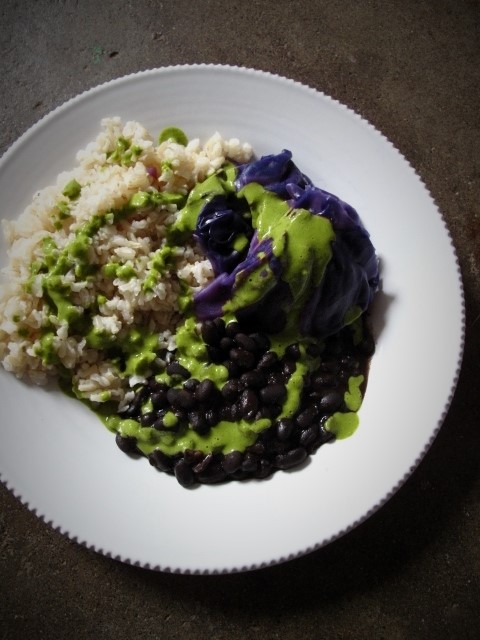
Simple Black Bean and Rice Bowls with Cilantro Green Sauce

img_3206


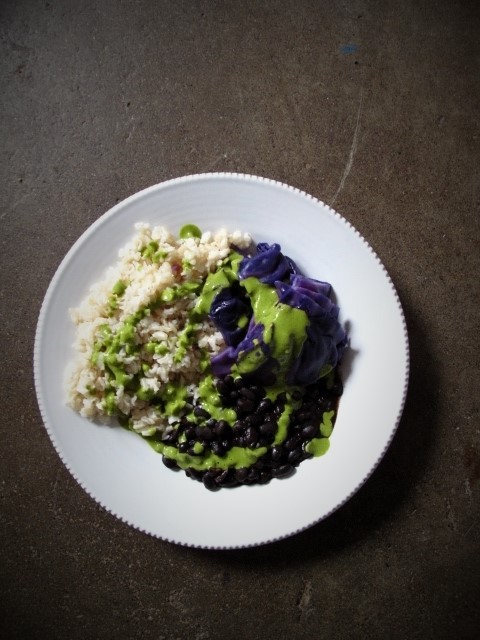
Sometimes the simplest is the best. I threw together this easy black bean and rice plate a few days ago using leftovers already on hand, and it turns out I liked it better than any of the original meals. It was a reminder to keep things simple, but also, creamy black beans, well cooked rice, steamed cabbage, and a good sauce are probably one of the best combinations for a deliciously quick winter meal.
 

img_3202


One thing I do want to mention is that for optimal nutrient absorption, it is an incredibly good idea to soak your beans and grains prior to cooking.

Whole grains, nuts, seeds, and legumes contain antioxidants called phytic acids (or phytates) which are the plants’ primary form of stored phosphorus. Phytates tends to bind minerals like zinc, magnesium, calcium, potassium and iron, making them more difficult for us to absorb. Soaking these foods for several hours prior to cooking initiates the sprouting process, which makes many of the minerals more digestible.

There is some debate as to whether we should worry about phytates or bother taking the time to soak our whole grains and nuts, as many experts suggest we simply eat a balanced diet and we’ll get enough of these minerals anyway. However, based on my personal experience as well as many individuals I’ve worked with, those of us that tend to eat primarily vegan or plant-based meals comprised mostly of these phytate-rich plants also show routine need for the very minerals that are bound up by phytates.

This is also one of the reasons why beans cooked from dried are a little more nutritious (not to mention having better flavor and texture) over their speed-cooked canned counterparts. To soak grains like rice, quinoa, and others, simply take the amount you’ll prepare, soak for a few hours, rinse, drain, and then cook as normal in 3/4 the amount of water. So for 1 cup brown rice, cook in 1 1/2 cups water for 40 minutes instead of 2 cups water. I find the texture is improved by this method as well.


img_3203


To make this delicious plate, I made my go-to pot of creamy black beans which makes enough for several meals, soaked and then cooked brown rice, purple cabbage cut into large chunks and steamed for about 10 minutes, and this delicious cilantro green sauce. Enjoy!

Cashew Cilantro Green Sauce
40 g / 2 1/2 Tbs. cashew butter
45 g / 1 bunch cilantro, rinsed and slightly chopped
1 clove garlic
1/4 tsp. sea salt
90 ml / 6 Tbs. orange juice
1 Tbs. white wine or apple cider vinegar
water to thin, if necessary

  • Combine all the sauce ingredients in a blender or food processor, and blend until combined. Add water, 1 tablespoon at a time, to achieve desired consistency, if you find it a little too thick.


References:
Frølich, W. (n.d.) Phytate–a natural component in plant food. Whole Grains Council. Retrieved from:  http://wholegrainscouncil.org/files/backup_migrate/PhytateProsCons_0910_DK-WGC.pdf.
Sparvoli, F. and Cominelli, E. (2015). Seed biofortication and phytic acid reduction: A conflict of interest for the plant? Plants. 4 (4): 728-755. doi:  10.3390/plants4040728.
Weil, A. (2010). Are phytates bad or good? Retrieved from: http://www.drweil.com/drw/u/QAA400758/Are-Phytates-Bad-or-Good.html.
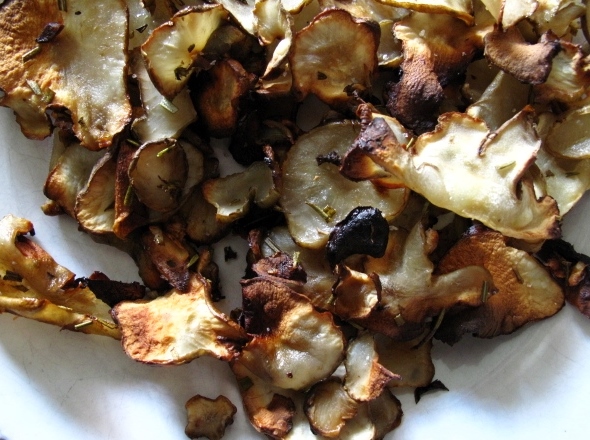
Rosemary-Balsamic Roasted Jerusalem Artichoke Chips

img_3198

I’ve been a long-time participant in the monthly Recipe Redux challenge, a recipe challenge founded by registered dieticians and focused on making healthy, delicious meals. One of the things I love about the monthly themes is that it challenges me to keep trying new foods or techniques, and to be open-minded when sometimes I want to fall back on the same old thing. In fact, one thing I’ve noticed this winter is that William and I have regularly taken to relying on “oatmeal night” on weeknights when nothing else sounds good and we want a quick and easy comfort meal. We both love oatmeal, me even more than him, and I’d gladly eat it for several meals a day.

But there’s one thing we all need more of in our meal routines, and that’s diversity, because the more different whole foods we eat, the better our gut and overall health tends to be. So I’m glad for the extra push to focus on diversity. This month, our theme also speaks to this idea, with the idea of adding in a new ingredient with the new year.

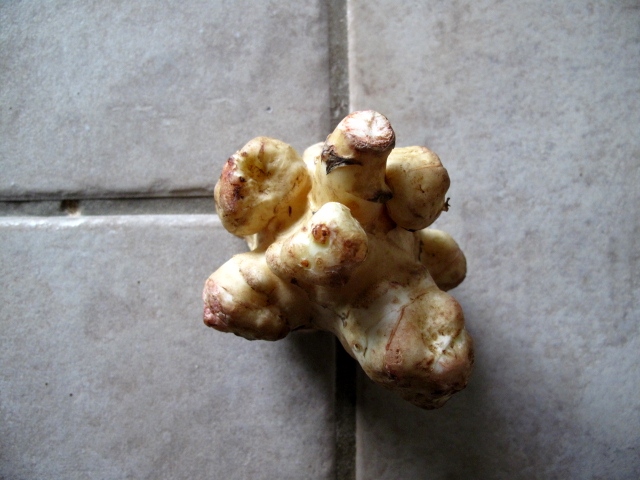
Since I’m always trying to work on adding whole foods and encouraging others to do so, I focused on seasonally appropriate locally grown Jerusalem Artichokes, which are also known as sunchokes. Even though they’re not entirely new to me, Jerusalem artichokes are just about the only locally grown vegetable I don’t regularly add into my winter routine, for no particular reason. If they’re new to you, they are not artichokes, nor from Jerusalem, and they’re actually from the sunflower family. Many years ago when I was managing school gardens, we grew sunchokes, and the plant was a truly towering, sunflower-esque behemoth. In the late fall, we dug up the tubers, which are quite knobby and look like ginger roots. Texturally, they’re somewhat akin to a waxy potato and jicama, and the flavor is mild and just a touch nutty. I’ve had them before in soups, but thinly sliced and roasted is where their flavor and texture really shines!

img_3186

Now, beyond just tracking down a novel vegetable, Jerusalem artichokes have some unique nutritional aspects that make them worth eating more often. That’s because they are particularly rich in inulin, a type of fiber that assists the digestive system, particularly because it feeds the good bacteria in our lower gut. We can think of inulin as fertilizer for the digestive system! In addition to their digestive health benefits, sunchokes also host an impressive amount of iron, calcium, and potassium. For those of us ladies (or men) who are super active and always in need of good sources of iron and calcium, this is a great vegetable to add into the winter rotation!

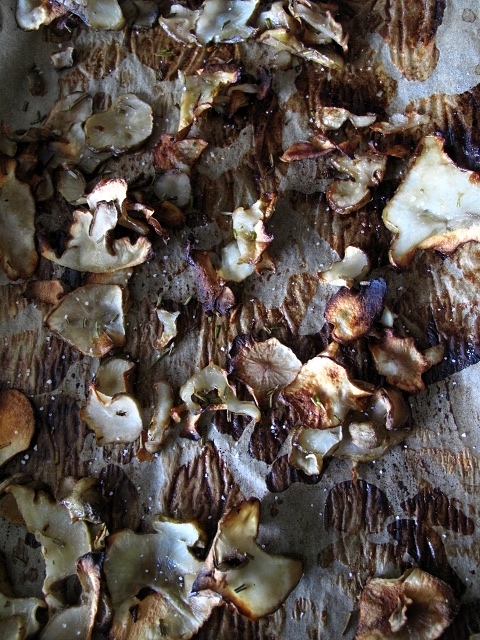
Here, I’ve sliced the tubers into thin chips and roasted them on low with a little water for 30 minutes, to help make them more digestible. Since they are so high in inulin compared to what most of us regularly ingest, it can initially cause some GI upset, and this method of slower-roasting helps. Then I upped the heat and added rosemary, sea salt, and balsamic vinegar to finish them out and get the right crisp-tender texture. Once they’re done, they are absolutely delicious.

img_3193

Rosemary-Balsamic Roasted Jerusalem Artichoke Chips, serves about 4
20 oz. Jerusalem artichokes, scrubbed clean and thinly sliced
1/2 cup water
a couple good pinches of sea salt and freshly ground black pepper
2 sprigs of fresh rosemary, minced
2 tsp. coconut oil
2 Tbs. balsamic vinegar

  • Preheat oven to 325 degrees F. On a baking sheet lined with parchment, spread out the sliced sunchokes and add the water. Bake for 30 minutes. Then turn up the heat to 425 degrees.
  • Add the salt and pepper, minced rosemary, oil and balsamic. Toss to coat and then bake for another 15-20 minutes, until crispy but still soft. They’ll have some crispy golden edges but still slightly soft centers.
  • Remove from the oven and cool slightly before serving.

recipe-redux-linky-logo

Gingerbread No-Bake Cookies

IMG_3033.JPG

If you’ve been doing the seasonal thing lately, this month has already brought an onslaught of cookies and holiday treats to be baked, eaten, and shared. Making cookies is my favorite December tradition but I definitely prefer making to eating them. This is because inevitably after eating cookies and all the other traditional baked goods, I feel bogged down, lethargic, and mentally all over the place. This is often true even despite my bent towards making goodies that are leaning towards healthier over traditional.

Late in the summer, I decided to buy myself a new cookbook for the year and I chose the one I had been eyeing for quite some time, Kate O’Donnell’s Everyday Ayurveda Cooking for a Calm, Clear Mind. The first 100 or so pages are actually about ayurveda and the energies in the body that contribute to wellbeing, as well as everyday practices for living a balanced, sattvic lifestyle. Even before getting to the recipes, this information is an approachable guide to how to truly promote one’s health. There are also a ton of recipes of course, but what I’ve made again and again, both following the recipe and deviating sharply, are the No Donut Holes. Despite making and eating them nearly weekly for months, this after dinner treat has never once left me in cookieland feeling less than thriving.

In annual tradition, The Recipe Redux challenge for December is a recipe remake from a cookbook, and so naturally I decided to put a festive spin on those no donut holes with a molasses and gingerbread infusion–flavors I love this time of year.

IMG_3027

When it comes to molasses, there are several different types. I grew up with Brer Rabbit Full-Flavored, which is the second boiling formed as a by-product when sugar is processed. Molasses from the first boiling is the lightest and sweetest, often called mild molasses. Beyond these two, the third boiling results in blackstrap molasses, which is the darkest, least sweet, and most mineral rich type. It is the type I favor now. Blackstrap is a great source of dietary iron and sometimes recommended as a food source iron supplement (1) since one tablespoon can contain as much as 20% of a woman’s daily needs. Additionally, it contains considerable amounts of manganese, magnesium, potassium, vitamin B6, selenium, copper, and calcium. Even though it is still a sugar and should be treated as such, there is actually evidence that adding molasses to carbohydrate-rich meals results in a lower blood sugar rise compared to the meal without molasses (2).

When purchasing, look for unsulfured and pure full-flavored or blackstrap molasses. Sulfur dioxide is sometimes added as a preservative and can make the taste bitter, and some companies dilute their bottles down with corn syrup.

IMG_3017

Before I get to the recipe, Kate says on the no-donut page: Pastries are an instigator of tamas in the mind. [Tamas is heavy, slow, sleepy, stubborn, and unmotivated and can lead to sadness, pessimism, low self-esteem, hopelessness and fear.] The combination of white flour, white sugar, and butter or questionable oils makes a trifecta of heavy, indigestible qualities that gunk up the gut. For most, a daily habit of eating pastries is a ticket to slow, dull qualities.

Now, I have nothing against the occasional full blown refined-everything treat, especially this time of year. But I’m also simply glad to add these as an option to the holiday cookie tray.

Gingerbread No-Bake Cookies, makes about 12
Though I use blackstrap molasses, regular ‘full-flavor’ molasses works great too. Additionally, finely ground oatmeal or oat bran are great alternatives to the oat flour.
These can also be made as squares instead of bonbons. Simply press into a square container and chill for about an hour before cutting.

60 g / 1/4 cup cashew butter
40 g / 2 Tbs. molasses
40 g/ 2 Tbs. maple syrup
1 tsp. pure vanilla extract
55 g / 1/2 cup almond meal
140 g / 1 1/2 cups oat flour
1/4 tsp. sea salt
1/2 tsp. ginger
1/4 tsp. cinnamon
1/8 tsp. nutmeg
dash of cloves

  • In a large mixing bowl, combine the cashew butter, molasses, maple syrup, and vanilla. Add the almond meal, oat flour, and spices and mix until it all comes evenly together. Put the bowl in the freezer for about 5 minutes to firm up.
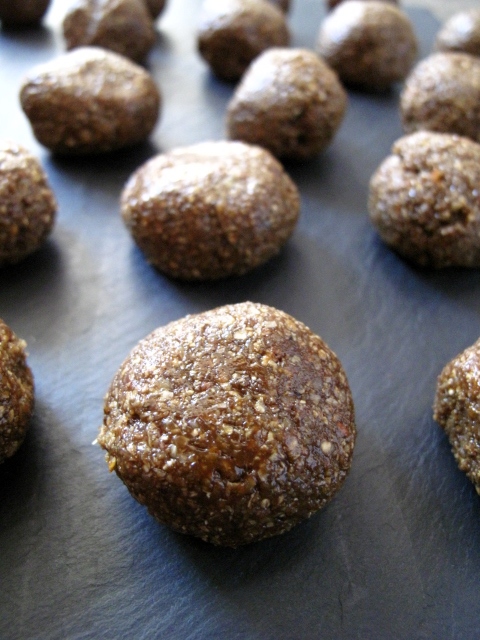
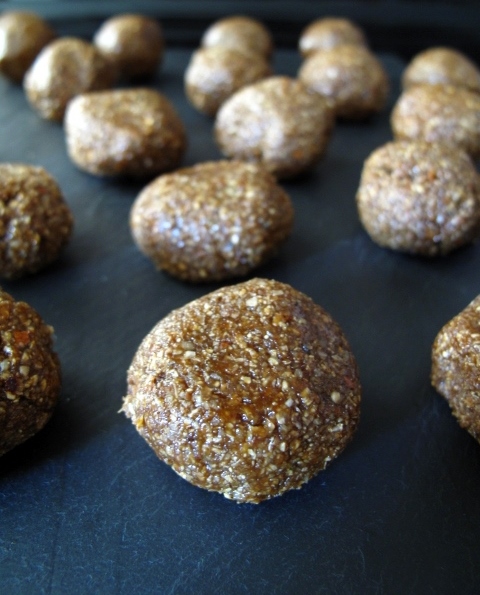
  • Roll heaping tablespoons of the dough into balls, and then place them on a plate or in a storage container.
  • Store in the fridge for up to 1 week, or in the freezer for longer term. Allow them to come to room temperature before enjoying.

recipe-redux-linky-logo

References:
1) Jain, R. and Venkatasubramanian, P. (2017). Sugarcane Molasses – A potential dietary supplement in the management of iron deficiency anemia.
2) Ellis, T.P., Wright, A.G., Clifton, P.M., and Ilag, L.L. (2016). Postprandial insulin and glucose levels are reduced in healthy subjects when a standardised breakfast meal is supplemented with a filtered sugarcane molasses concentrate.