Gut Health 101: Adding More in the age of Cutting Out 

How to improve your gut health naturally and sustainably 

woman feeling good, with balanced gut health, standing in kitchen

Hi there. Just a quick message today that’s been on my mind lately. As many of you know, within the nutrition clinic, I specialize in digestion and gut health. In reality, even though someone might show up with health goals that don’t seem to do with gut health, nearly everyone with a health condition or imbalance has a gut health imbalance. 

That’s because, if your hormones or endocrine system are out of wack, there’s a gastrointestinal component that’s involved too. 

Or if you can’t lose weight (or can’t gain weight), there’s usually a gut and inflammation component to that weight resistance. 

Or if your issue is blood sugar dysregulation or some sort of cardiovascular health issue, the gut is involved, and at the microbial level, is often a big component of healing and returning to balance. 

What about common health concerns in athletes?

What about common concerns in athletes, such as low iron or iron deficiency anemia, fatigue without an iron deficiency, or poor workout recovery? First, it’s often as likely that you have an issue absorbing iron as that you’re not eating or supplementing enough, particularly because as your iron needs goes up, the digestive system, when functioning well, will preferentially absorb more iron of every bit you consume. That is true for many other minerals too. 

Inflammation – The Common Culprit

At the heart of nearly every physical ailment is inflammation. Inflammation can be systemic or localized to one body system or part, but it often begins in the gut. 
Gut Healing – Adding More Types of Foods

Over the years, I’ve given out lots of simple to-dos that one can implement to help digestive healing or rebalancing health in general (check out my last post because it’s a really good one!). 

Today, I’ll share something we don’t often hear enough about from Dr. Google or all those companies marketing their products or special diets. And to be fully honest, no single tactic you implement to heal the gut is going to solve the whole issue. This is why it’s a good idea to work with a functional nutritionist (CNS), because then you’ll get unique guidance based on your presentation of symptoms and health imbalance.

But for today, let’s just touch on the importance of eating diversely. 

Many of my clients come to me eating extremely  routine meals from day to day with little variation. That can be because they don’t feel well and don’t know what to eat. Or because they’ve gotten into a routine, or they feel overwhelmed when grocery shopping.  Or they don’t meal plan or prep.

Rather than taking away more foods and restricting your diet more when you don’t feel well or don’t know what to do, when I’m in a clinic with an individual client, I’m often encouraging him or her to be adding more foods. 

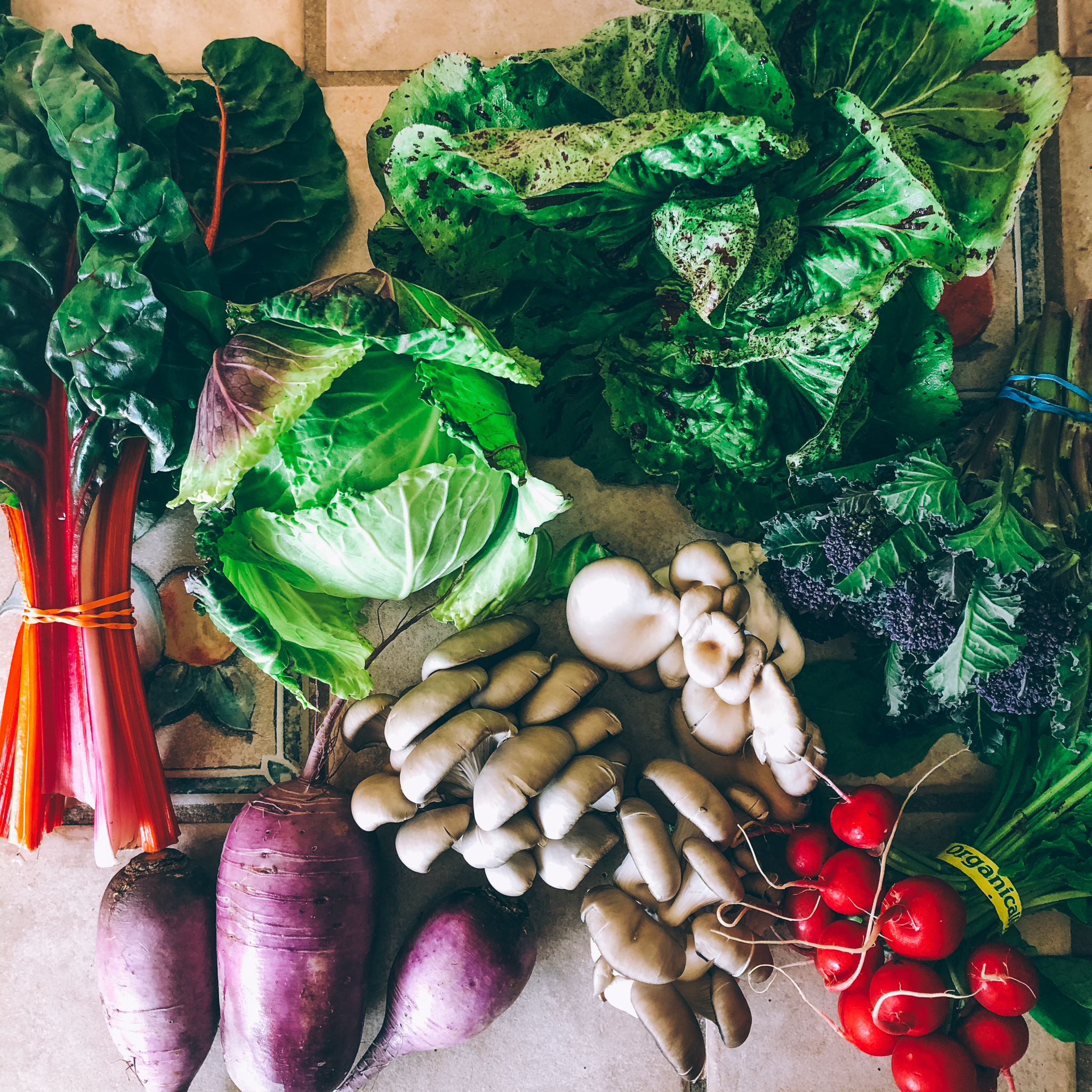
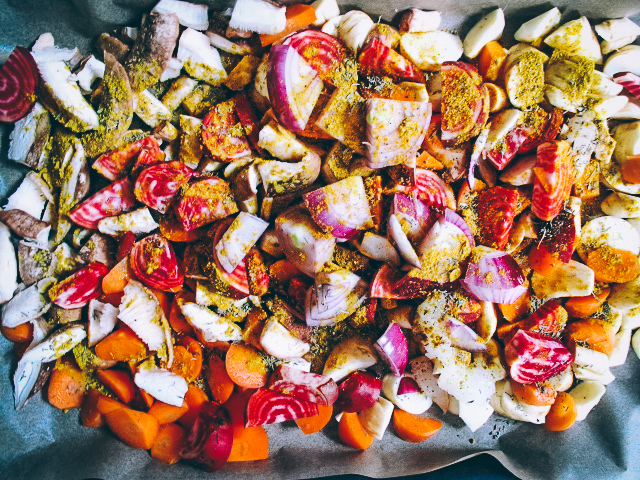
Yes, we will screen for reactivity to top foods of concern and then eliminate them when needed, for as long as needed (which doesn’t necessarily mean forever!) But beyond that, a big to-do for clients is to start adding more diversity. Instead of eating just one or two grains, like rice or wheat, I’ll have them start adding a whole host of the many other grains. Instead of eating the same small handful of vegetables from day to day, they’ll begin experimenting and adding in more colors, textures, and flavors of in-season vegetables. Instead of just eating the same almonds or pecans or cashews in their breakfast or snack, I’ll ask them to rotate every day or every time they shop. 

Why is all this important? 

A big component of both gut health and overall health is having high diversity in beneficial gut microbiome species (1,2). And you only get high diversity if you’re eating lots of different (mostly plant) foods. That’s because the food for the bacteria is what you are eating, and each species or strain will have a preferred food, meaning if you feed them what they eat, they’ll thrive, but if you don’t, their population will disappear. 

Now, if you think about the “Standard American Diet,” individuals are often eating different foods like pizza, tacos, pasta, burgers, meat and potatoes…but they’re eating mostly ultra processed foods that are the same small rotation of foods at the ingredient level: corn, soy, wheat, sugar, beef, pork, chicken, cow’s dairy, a small handful of processed oils. 

With a diet with minimal diversity, there’s not much to work with at the gut microbial level, particularly because the balance of microbes that’s going to help the gut thrive, are mostly species that feed on plants.
Eating the Rainbow

When working with clients, a tactic I often recommend is to eat the rainbow – shopping for and preparing foods that are in season, and different from week to week and season to season.


In the nutrition clinic, I work with clients in individual nutrition consultations, and as a Licensed Dietician / Nutritionist (LDN/LD) and Board-Certified Nutrition Specialist (CNS), use medical nutrition therapy, integrative health measures, and a root cause approach to heal imbalanced health conditions. 

If you’d like to learn more about how you can improve your symptoms of imbalance, I’d love to speak with you in a quick phone consultation

References:
1. Gomaa E. Z. (2020). Human gut microbiota/microbiome in health and diseases: a review. Antonie van Leeuwenhoek, 113(12), 2019–2040. https://doi.org/10.1007/s10482-020-01474-7 2. Hills, R. D., Jr, Pontefract, B. A., Mishcon, H. R., Black, C. A., Sutton, S. C., & Theberge, C. R. (2019). Gut Microbiome: Profound Implications for Diet and Disease. Nutrients, 11(7), 1613. https://doi.org/10.3390/nu11071613
Transitioning Your Eating into Spring

When it comes to eating and ingredient choices, eating in tune with the seasons can go a long way towards creating an internal environment that leads to lasting health.

You know you don’t choose the same foods on a hot, sticky summer day as you do in the middle of winter. But what about a blustery spring day when the options at the farmers market (or grocery store) can be a little lackluster?

Below are a few tips for transitioning your eating into spring, as well as a deeper look at the why behind them.

Tips for Eating in the Spring

  1. Avoid congestive foods – these are generally foods that are heavy, cold, and wet.
    This includes refined grains and sugar, dairy (especially cold, sweetened dairy products, like ice cream, and fruit-sweetened yogurt), processed / pre-packaged meals and takeout, high fat foods, excessively salty foods (miso, soy sauce, restaurant meals), wheat products – a heavier grain that is inflammatory when digestion is compromised.
  2. Add in more dark leafy greens!
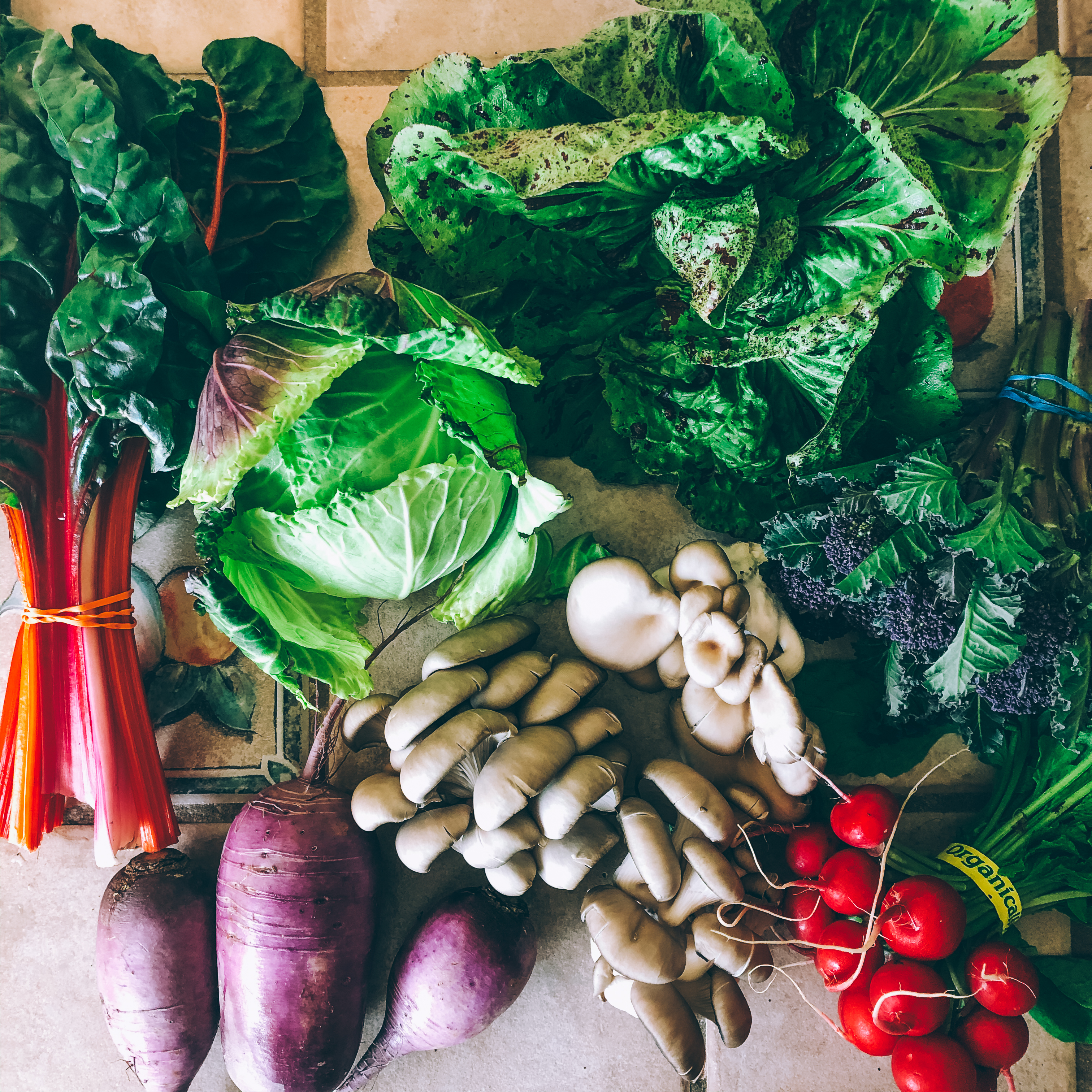
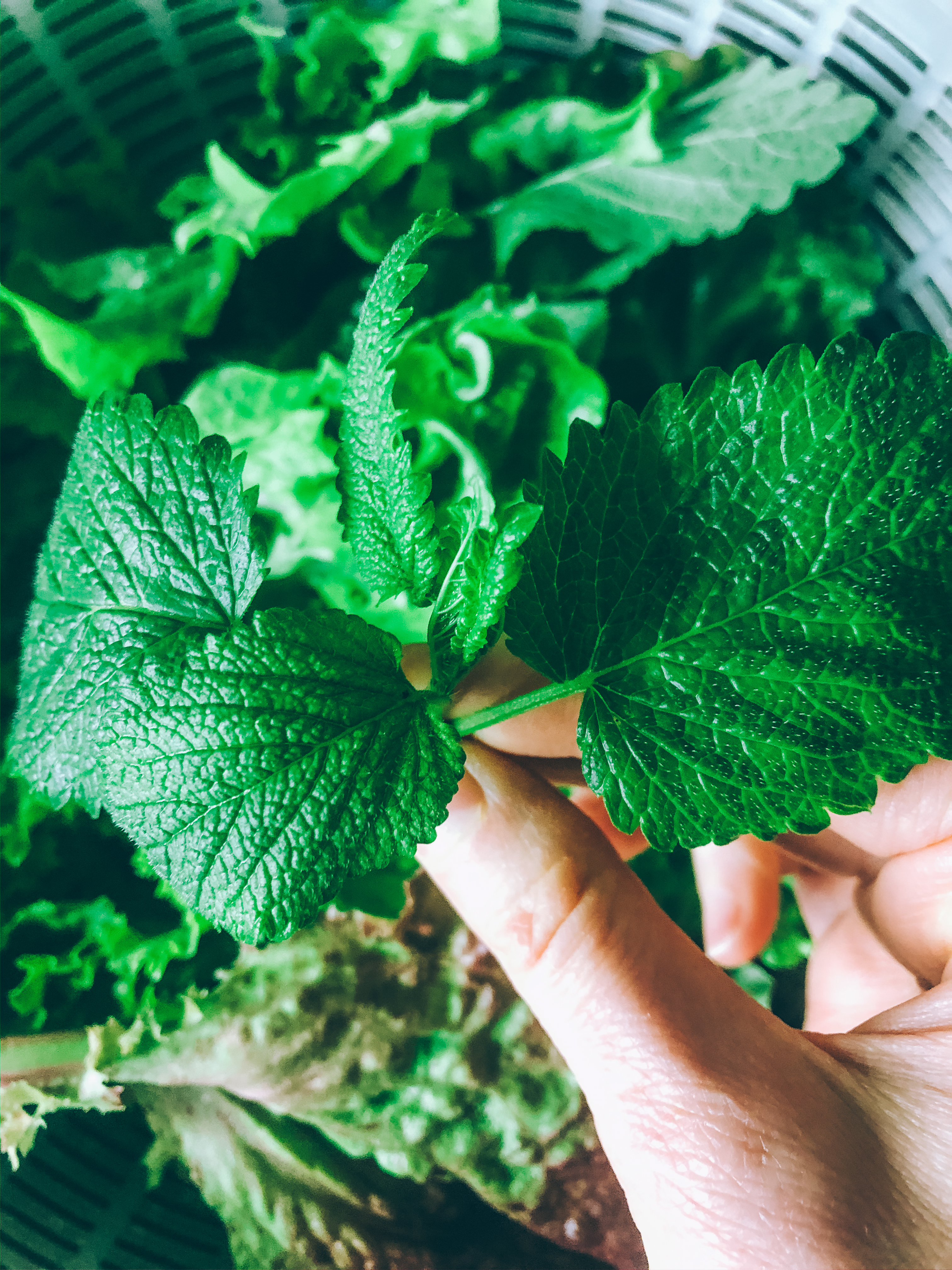
    What grows in spring? GREENS! Early spring greens tend to be bitter, pungent and cleansing. They’re perfectly designed to balance us after a winter of heartier fare.
  3. Sip on warm beverages rather than cold water and drinks.
    For many individuals with compromised digestion, this tip will always be true, but spring is a time of year when this is true for everyone.
  4. Sip on dandelion and/or burdock tea.
    These are bitter, detoxifying roots, and are nearly always included in any herbal “detox” formula. They support healthy liver function and help the body get rid of unwanted waste products and excess moisture.
  5. Try to eat three meals each day with little snacking.
    Or if you’re quite active, four balanced meals with no snacking in between. Giving the digestive system time to rest by about 3.5-6 hours after each meal really supports its ability to fully digest the last meal before the body has to begin digestion again.
  6. Get Moving!
    Getting your heart rate and circulation up and breaking a sweat regularly is an excellent way to promote optimal detoxification – of environmental toxins and pollens, of hormones, of inflammatory substances from foods. Moving promotes lymph flow, which when stagnated leads to congestion, mucous, retaining water, and sluggish digestion.
    If you’re already active, and perhaps training for a spring race, make sure you balance some of that heavier training with slower movement, and gentle yoga or daily self-massage that can gently move out some of the extra inflammation that can accumulate during this season.
  7. Up your spices!
    In the springtime, spices help the body to warm up and remove mucus. They also promote optimal digestion, and help to digest more difficult foods such as beans and legumes.

Broccoli Olive Sourdough Pizza – emphasis on the broccoli topping!

The Why: Energetics of Early Spring

First, look at the energetics of the season, or the energetics of the weather outside today. Energetics means the quality that is present in the environment, your body, or the ingredient, and the effect it has. The most basic energetics to work with are hot, cold, (and thus heating or cooling), and wet, dry (and thus (moistening/dampening, or drying).

In most places in the northern hemisphere, late winter and early spring tends to be cool or cold, and wet or damp. When we’re using a food as medicine approach, we do so by eating in a way that has the opposite quality of the body or of the seasonal environment that we’re a part of – eating in this opposite approach then provides balance for the body to be at, or return to equilibrium, where health occurs.

So in the cool, damp weeks of early spring, we want to eat meals that are warm and perhaps slightly drying in nature. One of the easiest ways to work with this component is by eating all meals cooked, and adding in more spices as we’re preparing foods. In terms of spices, nearly every common cooking spice will be drying in effect. Many of them will also be warming, and some will be more warming, or just plain hot, than others –like garlic, chilies, onion, and ginger.  

Energetics of Your Body

Now take a look at what’s going on in your body. Do you tend towards having symptoms of spring allergies, mucus, a wet phlegmy cough, swelling of the lower legs, retaining water, lack of appetite, or sluggish digestion where you eat and feel full for hours, like food is heavy and just sitting in your belly? This means you can use more warm and drying foods and spices! 

Key spices to incorporate into meals in late winter and early spring season include black pepper, cinnamon, ginger, cloves, nutmeg, horseradish, cayenne and chili in small amounts, garlic in small amounts, fenugreek, mustard seed, cumin, turmeric, ajwain, rosemary, thyme, sage, and oregano.

Putting Them Together: Cook with Three Spices


One of the best ways to start spicing your foods without it becoming an overwhelming task is to choose three spices to use in each meal. For breakfast, if you’re having something warm and porridge-like, such as oatmeal, incorporating a trio of spices in the total amount of ¼ – ⅜ teaspoon is just about right.

A couple combinations to start with include:
⅛ teaspoon each of ginger, cinnamon, and nutmeg
⅛ teaspoon each of ginger, anise seed, and cardamom
⅛ teaspoon each of ginger, turmeric, and cinnamon

In midday and evening meals, we can slightly increase the total amount of spices to about ½ – ¾ teaspoon total per person.

Some Spring Spice Combinations include (amounts per serving):
¼ fresh garlic clove, ¼ teaspoon each of rosemary, and oregano
¼ teaspoon each of cumin, mustard seed, turmeric
¼ teaspoon each of fenugreek, sage, and rosemary
¼ teaspoon each of fresh ginger, turmeric, and a pinch of black pepper

If you’re using other people’s recipes to cook with, adjust the spicing according to what you’ve learned above, particularly about your body. Most modern recipes over-rely on heating spices and condiments. 

An example is a recipe with several cloves of garlic, chilies, several tablespoons of fresh ginger, tamari, soy sauce, or miso, all in one. This is a recipe that’s probably going to burn us up internally, even if you and the season is running cold! You can tame the recipe and spice level by slowly reducing the amounts of each spice, or switching an ingredient out for one that has a milder effect of the same quality, such as using a pinch of black pepper instead of a ½ teaspoon of cayenne, or using 1-2 teaspoons of finely grated fresh ginger in a recipe that calls for 3-inches of the fresh root.

Signs of Balance and Imbalance

Ultimately, the goal is to feel good in your body and mind in each season. 

During this time of year, signs of balance include slowing down more than other times of year to rest more, having steady energy throughout the daylight hours, maintaining a healthy immune system and response, and eating to nourish yourself with no signs of impaired digestion.

Signs of imbalance include over committing, feeling depleted throughout the day, stagnation (mentally or physically), depression, mucus in the respiratory system, overeating  (especially high sugar, extremely rich, or cold foods), and having heavy, sluggish digestion with reduced or no appetite.

What exactly is intuitive eating? Cravings vs. intuition

This is the time of year when it’s common to think about ways to improve our health. And if you are one of the majority that has a long and unsavory history with your relationship to food and/or your body, you just might be thinking more about intuitive eating this year. Or perhaps you assume you’re already eating intuitively by eating what you want when you want to.

For many of us with a history of rigid food beliefs, chronic dieting, or disordered eating behaviors, that step of tuning into and actually honoring our hunger, cravings, and food desires is a BIG start — and leads to less feast and famine mentality, peace around food and less guilt in indulging once in a while. It also can mean finally stepping away from the chronic calorie and macro tracking which tend to fuel the rigid behaviors, and dare I say it, throwing out your scale or having your partner/roommate hide it far away where you just might forget about it for a while – I mean several months, or longer.

One thing I noticed as I became less of a disordered eater and more of an athlete focused on feeling good in my body and recovering from workouts, is that I naturally began honoring my hunger more and focusing less on what my body looked like or what I thought I should be eating. It’s like I opened the fridge, took a look around, and then closed it, thinking nope none of this, a peanut butter sandwich sounds good right nowas well as a couple big handfuls (completely unmeasured and probably ate more than that) of tortilla chips.

And truthfully, I ate two pieces of pie every day for nearly a week around Thanksgiving this year on top of my “normal eating” meals and semi-reduced athletic activity, and I didn’t think about my weight or the scale or calorie tracking once. I also haven’t thought about pie at all in the weeks since then. But is that intuitive eating?

As a nutritionist, I always want the best for every person I work with, and quite honestly, everyone else too. And I always fall back on individualized support. Because for many people that have a long history of not tuning in to their body and hunger signals, the eat what I want when I want it, and maybe that means two slices of pie a day approach is okay with me. It’s a start. But it’s probably more appropriate to call it the honoring your cravings and letting go of guilt and diet-culture beliefs about food approach, rather than truly eating intuitively. I’ll put my pie-eating habits at Thanksgiving into this category.

What is Intuitive Eating?

I think the best way to share what intuitive eating is is to go back to just basic intuition. We often talk about intuition when we say we have a gut feeling, or “we just know something” and logically, it may not always make a ton of sense. We make these gut-feeling decisions when we choose a job that pushes us out of our comfort zone, or we make a big move, or choose a medical procedure (or opt not to), when it’s not the most logical thing to do.

But how do we “just know” that a food is right for us or is what we need? One of the best ways to begin to learn this is to pay attention to how you feel afterwards. Intuitive eating can best be described as paying attention to and honoring what your body is telling you it wants and needs, rather than what your mind wants or craves.

Signs that Your Body Didn’t Approve the Meal

When you’re done eating and in the three to five hours after, how do feel? How is your energy? Did you get really tired, or alternatively, super stimulated? Did you start to get some of those not-so-optimal digestive symptoms, like bloating, gas, pain, gurgling, reflux, heartburn, nausea, feeling just plain heavy and lethargic, etc.? Were you running to the bathroom or didn’t have a bowel movement today (also known as constipation)? How was your mood? Were you wired, anxious, scattered, fearful or angry, frustrated, short-tempered and snappy? All of those are influenced by what we’re eating and how we’re eating and whether we’re digesting and assimilating foods and nutrients optimally.

If what sounds good is a giant bowl of popcorn for a snack or dessert every day, and then we’re mentally scattered, gassy, constipated, and anxious afterward or the next day, then maybe our craving for popcorn is being influenced by our imbalance, rather than our intuition.

Another example is a desire for particularly salty or spicy foods with lots of onion and garlic. If those are more of what the mind is craving versus what the body is truly desiring, then we might be particularly short-tempered, easily frustrated, have acne or skin rashes, heartburn or nausea, and have loose stools or diarrhea.

One more example goes back to my pie, and in previous life phases, daily ice cream routine. Frequently eating heavy, cold foods often tends to make us feel heavy, lethargic, have sluggish or incomplete bowel movements, feel depressed or have a low mood, promote inflammation, and develop a lot of extra mucus in our sinuses and elsewhere. Many years ago now, I ate ice cream basically daily, and during a certain period, multiple times a day. During the multiple times per day phase, it probably began as my closest interpretation of my intuition–because I was way too light and undernourished, and my brain just simply needed kcals. But after some time, my weight had definitely stabilized and swung back in the direction of my heaviest, and I began to be extremely anxious all the time, craved more sugar (of course), and finally had a major candida outbreak. Candida is a yeast that feeds on sugar! My cravings were coming from the not-so-beneficial organisms in my GI tract – not my intuition.

So it can be a little difficult to graduate to true intuitive eating once we’ve mastered honoring our hunger and shoving off the influences of dieting culture, and are no longer just following cravings and feel like ice cream every day, popcorn and peanut butter on repeat, or grazing all day instead of three solid meals.

Why is all of this even more important? Much of what I write about here is in the realm of digestive health – and/or eating appropriately to fuel our athletic lifestyles. And when I work with individuals, I often encourage them to honor their intuition. But sometimes we need a little more help in deciphering, are we eating enough despite what we think is intuitive eating?, Is that food that I’m craving helping or harming my return to balanced digestion?, Is my daily pie or ice cream habit giving me the calories I need, but encouraging future imbalanced health down the road, and/or already showing signs of imbalance? And admittedly, the more symptoms of imbalanced health that we have (such as some of the above), the more challenging it becomes to self-determine cravings that fuel the imbalance versus eating intuitively that returns us to true, optimal health.

A good way to start to tune in is to keep a little journal of how you felt in the hours after meals for a few days, and see if you have more of the sub-optimal symptoms and moods than you were aware of before. And if you suspect you’re more in the realm of honoring cravings right now and want support in starting to eat more intuitively, feel free to reach out and chat with me in a nutrition consult.