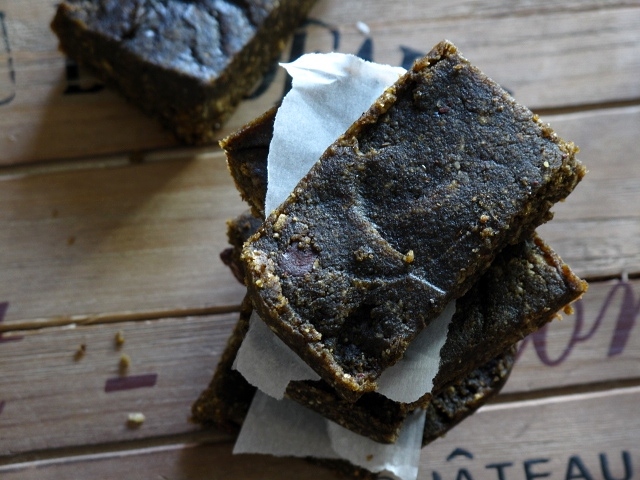
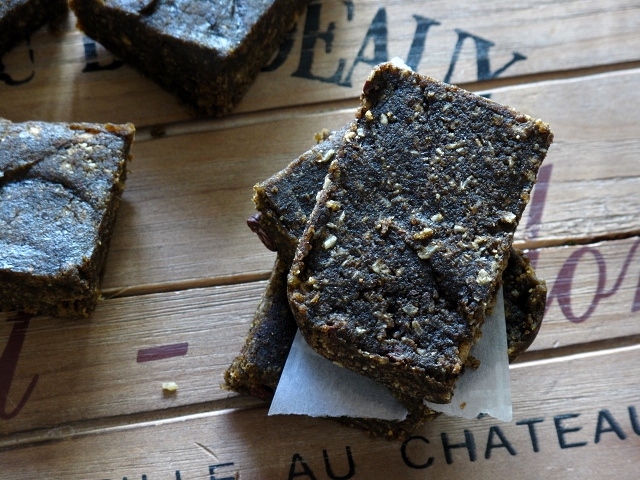
chocolate energy bars, 2 ways: coconut mocha & chocolate, peanut butter + sea salt

chocolate energy bars, 2 ways: coconut mocha & chocolate, peanut butter + sea salt

img_1339

img_1343


When I first changed my diet fairly drastically by removing gluten and then dairy, I did so with a totalitarian “whole foods only” frame of my mind. It was back in 2012, sort of at the onset of the gluten-free fad, when all sorts of new gluten-free processed foods were really starting to become mainstream. If I were going to be eating almost vegan and free of “normal flours,” I thought, I was going to do it all the way. I did not purchase or try gluten-free baked goods or vegan cheese.  If the ingredient wasn’t in basically the same form I could find it in nature, it wasn’t something I ate.

But there was also a double standard because I was really into baking then and still had a strong taste for sugar, so there were exceptions. Namely, I went through a phase of being obsessed with figuring out how to bake bread, pizza crust, desserts, etc. free of gluten and then dairy as well. Even though I don’t bake a lot anymore, and my flour cupboard generally gets much less use than ever before, I’m thankful for that baking phase because when I want it now, I have some really good staple recipes to draw from and the basic science of whole grain gluten-free and vegan baking down.
 

img_1333


These days, I’ve ventured into a way of eating that is a little less rigid than it was then–or perhaps it’s rigid in a different way and I can’t quite see it. In any case, I’m okay with a little more processing making its way into my recipes and meals. I began that because I recognized rigidity and eating perfectly is a hallmark of my disordered eating behavior. So recognizing that and doing something about it is why I started eating tofu and tempeh on an occasional basis. It’s why I nearly always have nutritional yeast in the pantry now, though I don’t use it super often. It’s why I made myself a big batch of Valentine’s cookies that were exactly what I wanted and then proceeded to eat the entire batch over the next two weeks, each day asking myself if I actually wanted a cookie, or perhaps many cookies, and each day eating exactly how many I was desiring. It’s also why I began to warm a little more to the idea of protein powder.

It turns out too that I might actually need more protein in my diet. Despite the general consensus (in the plant-based nutrition community anyway) that almost no one in the US actually needs more protein, I’m one of the few that might actually gain from eating more of it–for a couple of different reasons that have nothing to do with generally avoiding animal products but still add up to: providing our bodies with the right amount and types of foods is personal, and definitely not a constant. Adding more protein to my diet, strategically, is a current experiment I’m running. I’m not entirely sure it is necessary or will have the effects I’m looking for. But the protein powder is an easy way for me to adjust my eating patterns without making a drastic dietary overhaul.
 

img_1255


I want to mention too, I’m sharing these bars purposefully during #NEDAwareness week. If you aren’t familiar with NEDA, it is the National Eating Disorders Association and February 26-March 3rd is a week of increased advocacy about eating disorder recovery and awareness. If you’ve been visiting this space for some time or have read my About section, you’ll know I struggled with the eating side of that equation for several years, sometimes still do, and have since been doing much of the mental side of recovery more recently. Probably similar to many who have struggled with disordered eating behavior, I did not have much in the way of emotional support in the early years following reaching a restored weight. In fact, I often received, and still do to some extent, a lot of push-back about coming to a way of eating that works for me, and there were many individuals who really pushed me into stressful situations around food, for the sheer fact that they were completely unaware of my history or that struggling with food is about much more than a desire/dislike for eating too little or too much. And it is the part that tends to linger on. Often quite invisibly.

NEDA’s theme this year is It’s Time to Talk About It. As NEDA has stated:
It’s time we take eating disorders seriously as public health concerns. It’s time we bust the myths and get the facts. It’s time to celebrate recovery and the heroes who make it possible. It’s time to take action and fight for change. It’s time to shatter the stigma and increase access to care.

I couldn’t agree more. In the interest of keeping it really real for just a moment more, a few of you know I started writing even a little more personally about my continued recovery process in this last year. My general theme has been using that space as an online journal to completely lay out what I’m working with because writing and releasing it beyond me is immensely helpful. It has been the most intensely scary and sometimes challenging writing I’ve done. It has made me feel incredibly embarrassed and ashamed of the beliefs and views I hold on to. But acknowledging those challenging feelings has helped me to release and slowly grow beyond them as well. This is all to say, feel free to catch up with me there. And if you find that you, or someone you care for, is struggling with what might be an eating disorder, please reach out to someone. It ended up making all the difference for me.    


img_1351


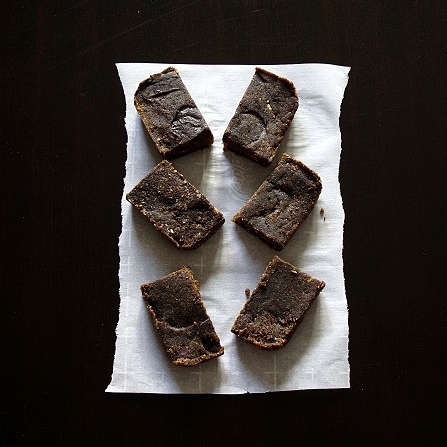
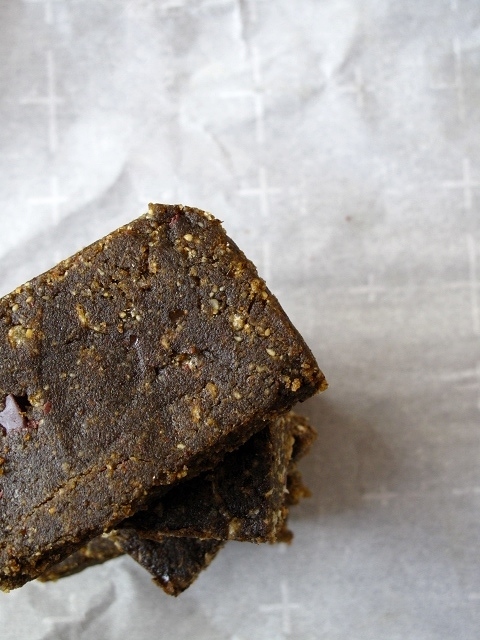
Now, I’m sharing these energy bars because I think of them as my recovery snacks. I tend to eat granola/energy bars in the mid-mornings or mid-afternoons on a fairly regular basis and generally I make my own. I designed these with the idea of eating them after a run to kickstart the recovery process when a larger meal isn’t coming super soon. So they have more of the suggested endurance recovery carbohydrate to protein ratio of 3 or 4:1. But I also find I can handle a portion of a bar 30-45 minutes before a hard effort too with no problems. And because of the slightly higher protein content, I also have been using them whenever I just need a snack in general since they are a slightly better option right now than my old stand-by of mesa sunrise and almond milk.

I recognize these are specialty bars, designed for a specific person and purpose. But if you like the idea of a Coconut Mocha or Chocolate Peanut Butter Bar that is delicious and nutritious, these might be for you too. If you’re not overly concerned about needing more protein, there are options for alternatives as well.


Peanut Butter, Dark Chocolate + Sea Salt Bars, makes 8
1/2 cup (100 g) peanut butter
6 (100 g) pitted Medjool dates
6 Tbs. (50 g) hemp protein powder*
1/4 tsp. sea salt
1/2 tsp. cinnamon
2 tsp. (10 ml) raw honey or maple syrup
1 1/2 cups (50 g) crispy rice cereal, gluten-free if necessary
2 Tbs. +2 tsp. (40 ml) water
1 square (10 g) dark chocolate, broken into chunks
additional sea salt for topping

  • Puree the peanut butter, dates, hemp, salt, vanilla, cinnamon and honey in a food processor until completely combined.
  • Add cereal and 2 Tbs. water and pulse a few times more until it just comes together. Add a little more water as needed. Then stir in the chocolate chunks.
  • Turn out and press into a 8×8-inch baking pan, or something of similar size. Then, sprinkle with a few shakes of additional sea salt, and gently press in. Chill in the fridge for at least 30 minutes, and then cut into individual bars, store, and eat as needed. They will last in the fridge for at least two weeks with no change in texture/consistency.

Coconut Mocha Bars, makes 8
1/4 cup (50 g) cashew butter
2 Tbs. (10 g) coffee beans, finely ground
1/4 cup (30 g) shredded unsweetened coconut
6 (100 g) pitted Medjool dates
6 Tbs. (50 g) hemp protein powder*
1/4 tsp. sea salt
1 tsp. vanilla extract
1 tsp. (5 ml) coconut oil
1 Tbs. (15 ml) maple syrup
2 cups (65 g) crispy rice cereal, gluten-free if necessary
2 Tbs. + 2 tsp. (40 ml) water
2 squares (20 g) dark chocolate, broken into chunks

  • Puree the cashew butter, ground coffee beans, coconut, dates, hemp, salt, vanilla, coconut oil, and syrup in a food processor until completely combined.
  • Then add the cereal and 2 Tbs. water as needed. It should come together easily when you pinch the ingredients with your fingers. Add a little more water if needed.
  • Then stir in the chocolate chunks.
  • Turn out and press into a 8×8-inch baking pan, or something of similar size. Chill in the fridge for at least 30 minutes before cutting, storing or eating.

*Notes: For a hemp protein alternative, try another plain plant protein powder such as pea or rice, or use the same quantity (by weight) of hemp, sunflower, or pumpkin seeds.
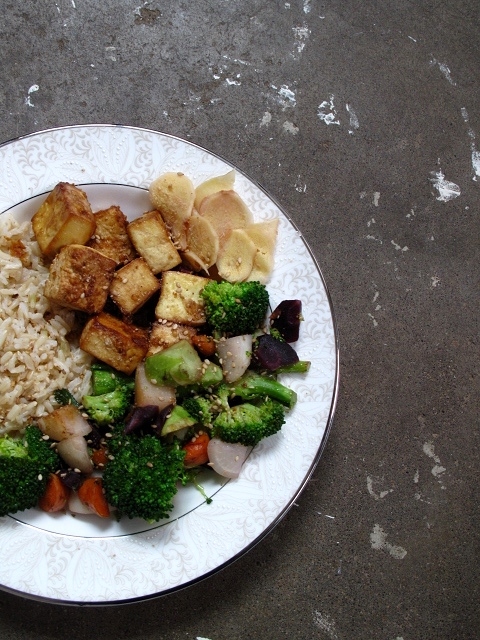
sesame garlic tofu + rice bowl with pickled ginger

sesame garlic tofu + rice bowl with pickled ginger

img_1204

William and I met up with a friend for dinner a few weeks back in the middle of our travels home after Christmas. He and I have been together for seven plus years now and that dinner happened to be the first (and so far only) time we’ve ever ordered exactly the same thing at a meal out.

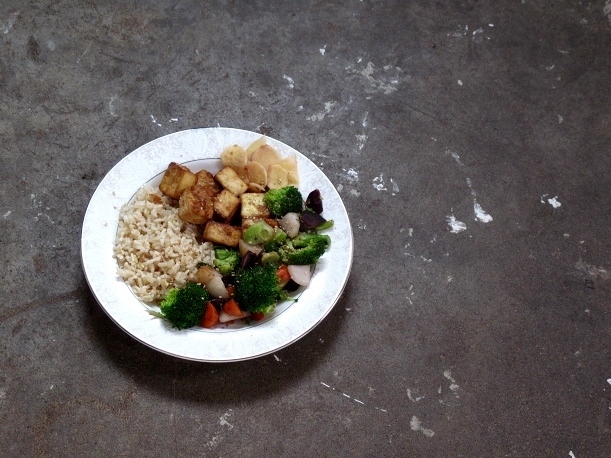
I just about hyperventilated as he ordered the exact same sesame garlic tofu bowl with pickled ginger and seasonal vegetables. To make a quick summary of what I’ve been learning from observing William’s eating patterns throughout the years, behavior and food preferences change. For most of us, it definitely doesn’t happen overnight. This meal is an example of that. When we met, there was no way William was going to pick a tofu and vegetable bowl off an ample and varied menu, but he would have picked something with Asian flavors.

img_1173

This recipe is my contribution to The Recipe Redux theme for this month, to create and share a budget-friendly meal. I’ve spoken about my experiences with creating meals out of resourcefulness in the past and so I won’t go into specifics again here. I tend to think I eat budget meals most days but that is also a matter of perspective, since the majority of our at-home food spending goes to fruit, and during the winter season, vegetables from local farms. I also have access to several co-ops/natural food stores where I can source nearly all my ingredients save produce in bulk–including the sesame oil, tamari, rice, and vinegar featured here. I know this is not an option for many, but if there are two tips I can share, purchase from the bulk bins when you can and be resourceful; think of recipes as a template and be courageous enough to make substitutions depending on what’s on hand.

img_1170

Since we’re talking budget meals, below are a handful of recipes I’ve created over the years that are also friendly for frugal eating in this winter season:

Beans + Rice with Turmeric Special Sauce
Mejadra with Swiss Chard + Tahini
Polenta with Lemon-Garlic Raab + Chickpeas
All-the-Greens Interchangeable Pesto
Black Bean + Corn Chilaquiles
Black Bean + Vegetable Grain Bowl

img_1180

Sesame Garlic Tofu + Rice Bowl with Pickled Ginger and Gomasio, serves 4
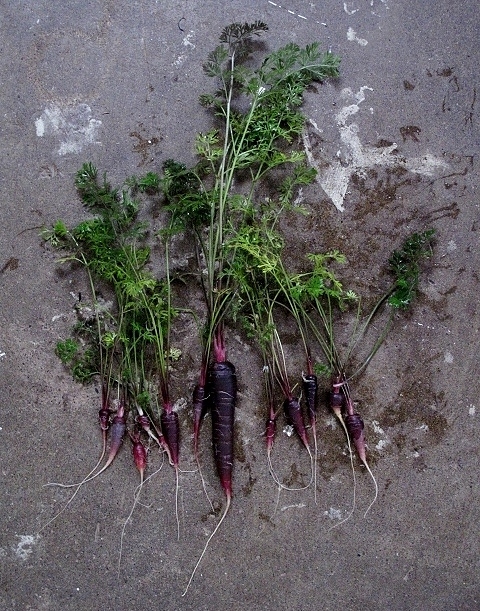
You’ll notice this is a meal of many components. I said it’s budget-friendly but I didn’t say it is super quick! :)  You can purchase the pickled ginger and gomasio rather than make them, or even leave them out, to simplify and speed things up. If you do choose to make them, the pickled ginger will need to be made ahead so it can “pickle” for a couple days. Both it and the gomasio make big batches for many future uses. Also, definitely use any vegetables of choice. I went out to harvest the last of my carrots (the vibrant purple ones!) and found a couple little salad turnips remaining so I tossed those in the mix as well. 

Sesame Garlic Tofu
1 16-oz. package firm tofu
2 cloves garlic, minced
2-inch piece of fresh ginger, peeled and grated
1 1/2 Tbs. toasted sesame oil
1 1/2 Tbs. apple cider or brown rice vinegar
1 1/2 Tbs. reduced sodium tamari

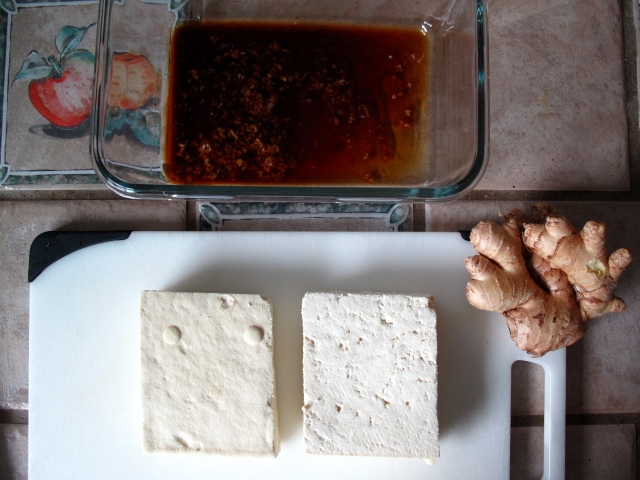
  • Begin by cutting the tofu in half through it’s width, so you have two rectangles. Then wrap in paper towel and press between two cutting boards for at least 30 minutes. Remove the towels, and cut into pieces.
  • Stir together the remaining ingredients in a large container with a lid and add the pressed tofu. Stir or close the lid and shake briefly. Then, allow the tofu to marinate in the fridge for at least 30 minutes or longer.
  • Preheat the oven to 400 degrees F and line a baking pan with parchment paper.
  • When the tofu is ready to be baked, remove it from its container onto the parchment. Reserve the marinade because you’ll use it for the vegetables.
  • Bake for 30 minutes or until the edges are beginning to get nice and crispy, turning halfway through.

Pickled Ginger, makes 1 small jar
1 large hand fresh ginger
2 tsp. sea salt
1/4 cup apple cider or rice vinegar
1/2 cup water

  • Peel the ginger and thinly slice with a sharp knife or on a mandolin.
  • Then combine the ginger and salt in a small bowl and set aside for 30 minutes.
  • Add the ginger to a small jar and pack it tightly.
  • Make the pickling brine by combining the vinegar and water and then pour it over the ginger, filling the jar to within 1/2 inch of the top.
  • Gently tap the jar against the counter a few times to remove all the air bubbles, then seal it tightly.
  • Let the jar cool to room temperature and then store the pickles in the refrigerator; they will improve their flavor as they age — try to wait at least 48 hours before cracking them open.
  • They can be stored in the refrigerator for up to two months.

Gomasio
1 cup sesame seeds
2 tsp. sea salt

  • Toast the sesame seeds in a dry skillet over medium heat until lightly browned. Set aside to cool and toss with 1 teaspoon of the salt.
  • Put 1/3 cup of the seeds into a food processor and process until broken down into a powder. Remove and put into a jar or other container, add the remaining whole seeds and remaining salt and mix together.
  • Use by the spoonful to top finished dishes and store the extra in the fridge. It will keep for many weeks!

Other bowl components
4 cups cooked long-grain or basmati brown rice
4-6 cups seasonal vegetables of choice, diced (I chose carrots, broccoli, and turnips)

To bring the bowl together:

  • When the tofu and rice are nearly done, add the diced vegetables to a steamer basket in a large pan filled with water. Steam until they’re nearly soft but still have a little bit of a bite.
  • Then, remove the steamer basket, drain the water from the pan, and add in the reserved tofu marinade, along with a little extra sesame oil, if needed. Turn the pan up to medium-high and sear-sauté the vegetables in the marinade until just done.
  • For each bowl, arrange cooked rice, tofu, vegetables along with the pickled ginger, and top with the gomasio.

recipe-redux-linky-logo

Delicata Squash, Rosemary + Cranberry Flatbread

img_1165

Like many people, I struggle in winter and it usually hits full force in early to mid-February. This year, it hit along with our first snow/ice storm before winter had technically even begun. This time around, I think the combination of having to set aside plans repeatedly due to weather, feeling trapped at home, and the end of a successful training cycle and race (my first marathon), all culminated in a bit of feeling glum and fearful about the what’s next–as I inevitably tend to be fearful that there’s no way I can possibly live up to my own expectations in each new year.

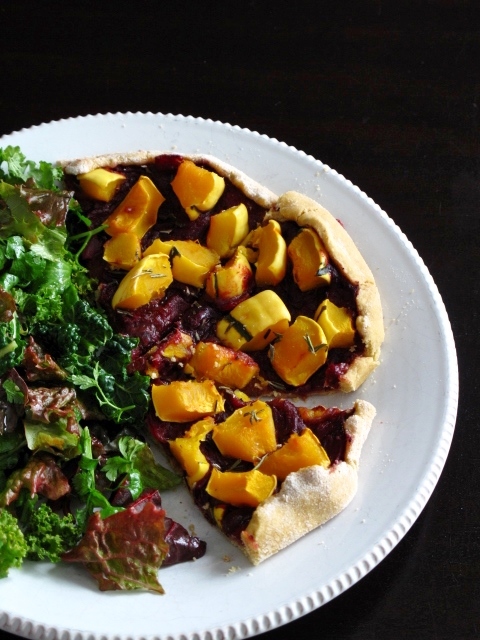
To be sure, I’m slowly working my way out, and coming up with colorful, yet seasonal meals is one outlet for doing so. Along with this super tasty flatbread, I’ve got a few links to share that have been helpful in this “season.” Enjoy!

img_1152

a

In this New Year:
Trust the light, face the darkness, and live with the questions.
The One Thing.  Absolutely love this video.
17 Recovery Goals for 2017
I don’t have a resolution for the new year, per se, as I’m continuing what I’ve been working on for the last couple years. One of the little things that feeds into that process is Filtering Out the Noise.

Nutrition:
Sugar is the ‘alcohol of the child’, yet we let it dominate the breakfast table
Big Sugar’s Secret Ally? Nutritionists

Social Skills:
Tired and not wonder woman. Applauding and nodding along to Emma’s frustration about the blogging world these days. I’ve had similar experiences. And while expecting and/or demanding instant replies is endemic in our current culture, I’m glad Emma was willing to speak out against it.
On having conversations with those from a different perspective. And progress.

a

img_1163


A good book:

The Whole-Food Guide to Strong Bones by Annemarie ColbinLike her previous book, Food and Healing, this one calls into question our skewed reliance on dairy for bone health. As an individual who was allergic to cow’s dairy as a baby, “grew out of it,” and then had many symptoms come back in my early twenties, I’ve long been taking calcium supplements and have been fearful that I’m not getting enough, even as I’ve researched and constantly questioned whether I need to take a supplement. After reading this book, which is supported by all the research I have read, I finally feel comfortable and confident that my calcium supplement is not necessary and may be doing more harm than good. This is an individual journey for sure, but if you’re interested in nutrition and bone health in particular, it is a great read.

To Eat:
Grapefruit-Roasted Beets with White Beans– I made this with a cashew cream thinned with additional grapefruit juice instead of the pistachio butter. Yum!
Moroccan Butternut Squash, Wild Rice + Garbanzos
Moroccan Quinoa Salad– This was the meal that fueled the before and after of my December marathon. Add a little kale and garbanzos (my go-to’s) and it becomes a full meal. The best.

 img_1153

Delicata Squash, Rosemary + Cranberry Flatbread, serves 2-3
There are three components here, but they’re each easy and can be made ahead. Combined, they make a nutritious post-holiday meal that tastes like winter should, in my opinion. Sub out any other type of winter squash but if you do, you might want to remove the peel. If you can no longer find fresh or frozen cranberries, dried can be used, but you’ll want to use less and add more liquid. 

Cranberry Chutney:
1 tsp. good quality canola oil
1/2 large or 1 small onion, diced
1 clove garlic, minced
1/4 cup sherry, vegetable broth, or water
2 Tbs. balsamic vinegar
1 1/2 cups fresh or frozen cranberries
3 medjool dates, pitted and chopped
1/4 tsp. each salt and pepper

1 large delicata squash, halved, deseeded, and chopped
1 sprig fresh rosemary, minced

Flatbread:
2/3 cup garbanzo flour
1/3 cup brown rice flour, plus more for dusting
1 Tbs. good quality canola or other high-heat oil
1/2 tsp. baking powder
1/2 tsp. sea salt
1/4 tsp. poultry seasoning or combination of dried sage, oregano + thyme
1/4-1/3 cup water

  • Make the chutney by heating the oil in a small saucepan over medium heat. Add in the onion and saute until soft and translucent. Add in the garlic and cook just until fragrant, about 30 more seconds. Then add in the remaining ingredients, bring to a strong simmer and then turn down to low and cook until it becomes thick and chutney-like, about 15-20 minutes. Remove from heat and set aside.
  • While the chutney is simmering, roast the squash on a parchment lined baking sheet with a little water added at 400 degrees F. It should take 20-25 minutes to become soft. Remove and set aside.
  • Then make the flatbread dough: Mix the flours, oil, baking powder, poultry seasoning, salt, and water. Add enough water to make a dough that can be handled and rolled. Then allow the mixture to rest for about 10 minutes.
  • Roll out the dough on a lightly floured work surface. Transfer to a baking pan or pizza stone and top with the cranberry chutney. Depending on your preference, you will likely only use half of the chutney.
  • Then top the dough with the roasted squash and minced rosemary, and bake at 400 degrees F for 16 minutes.
  • Remove from the oven, slice, and serve.