Butternut Buckwheat Porridge from Living Ayurveda

About a year ago near the solstice, I wrote the words grounded/focused on a bookmark. The back was painted with a small cross-section of watercolor tulips from a local artist; her cast-offs she’d cut into cards for an intention setting gathering. Grounded and focused were my intentions for how I wanted to feel by the end of this year. Little did we know then what 2020 would entail, but what I did know was that I struggle with being mentally cluttered and scattered, sometimes switching topics mid-sentence in conversation, and often letting my thoughts and ideas run away from me and having nothing to show for it minutes (and sometimes hours) later. I also knew that the internal atmosphere of being grounded and focused wasn’t so much an end goal for months away, but a daily, and sometimes minute by minute practice.

It’s safe to say I have succeeded and failed in my intention, multiple times a day.

But I’ve also been able to add a lot of tools and practices for how to gain a less scattered mind and actions over the years. One of which is continually learning from Ayurveda.

Ayurveda is the indigenous health system of India, and arguably the oldest health system (or one of the oldest) in the world. While I didn’t learn Ayurveda outright in nutrition graduate school, mine was a program that married traditional systems of health with the latest nutritional and medical sciences, and thus incorporating components of Ayurveda in my nutrition classes and clinic was widely accepted – and especially in my herbal classes. In the meantime, as if I didn’t need to study more, I was studying it on the side and incorporating increasingly more aspects of Ayurveda in my own life, helping to get closer to healing many of my GI and autoimmune struggles.

The cluttered and scattered mind is a common feature of imbalanced vata in the body, and like many people in our modern lifestyles, I struggle with this imbalance, a lot. As well as many other high-vata tendencies. Vata is one of the three energies or forces which can be observed in all things, and which are ideally in balance. Pitta and Kapha are the other two energies. Eating foods that support high vata or perhaps foods that support one of the other two doshas that make up our body and mind, is a primary way we can return our ailments to balance, but it’s certainly not the only practice.
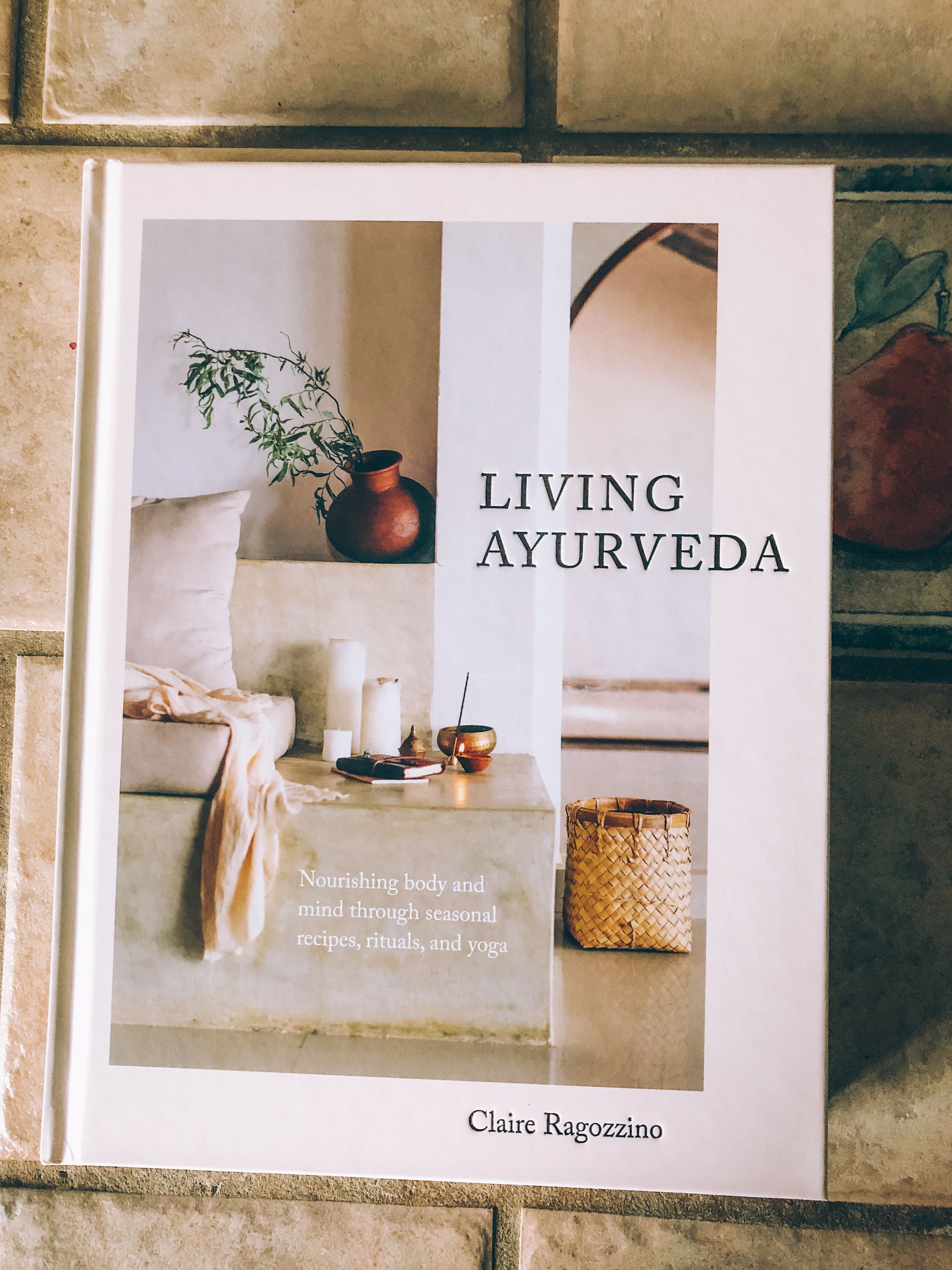
So many years ago that I don’t remember, but around the time I first learned of Ayurveda, I discovered Claire’s blog with simple delicious Ayurvedic recipes. Claire has recently released her gorgeous book, Living Ayurveda, which is full of the kind of guidance that helps us achieve a little more balance in our lives. It encourages us to make the connection between time of year and patterns that afflict us (but don’t have to), incorporating building and lightening ingredients in the right ratios in our meals, and recipes that can be adapted depending on the season and our individual doshas or imbalances. Likewise, there are yoga sequences for each season too.

Some of the recipes that I’ve already tried and truly will make again and again include:
Pumpkin Empanadas with Cashew Crema
Shakti Chai
Simple Stewed Apples
and this Butternut Buckwheat Porridge

So many more are on my list – actually all of them really:
Warm Cinnamon Date Shake
Creamy Miso Tahini Dal
Delicata, Wild Rice & Pomegranate Salad
Kitchari Burgers
Fall Harvest Muffins
and most definitely the Yogi Bowl, a variation on something I could eat daily.

Butternut Buckwheat Porridge from Living Ayurveda, serves 2-4
To be completely transparent in portion sizes, I make this recipe as a half batch for one meal. That is a perfect amount for me, as a very active person, to go several hours between breakfast and the midday meal with excellent energy and ‘fuel’. Claire’s suggestions include adding an extra spoonful of ghee for vata support on very dry and cold days, reducing the cinnamon slightly for high pitta (cinnamon in large amounts is quite heating so good for some with high vata and kapha, but less so for others), and taking out the oats and doubling the buckwheat for high kapha. For a completely vegan and/or dairy-free version, I suggest using untoasted sesame oil, especially for vata/kapha, or coconut oil instead.

3 cups water
1/2 cup (untoasted) buckwheat groats or short-grain brown rice
1/2 cup steel-cut oats
1 cup peeled butternut squash, cut into 1-inch cubes
1/4 cup raisins
1 tsp. ghee
1 tsp. ground cinnamon
1/4 tsp. salt
milk of choice and maple syrup, for serving (optional)

  • In a medium pot, combine all ingredients and bring to a boil on high heat. Cover with a lid, reduce heat to medium, and simmer for 30 minutes, until butternut squash is tender and the grains are fully cooked. You might need to stir once or twice during that time. Toward the end, add a splash of water if needed.
  • If using a pressure cooker, reduce the water to 2 1/2 cups and follow instructions for pressure-cooking porridge. Once done, remove from heat and serve hot with a splash of milk of choice and a drizzle of maple syrup on top. I found the milk and syrup is a preference, and I enjoy this without either.
the simplest sourdough flatbread, and what probiotics and gut microbes have to do with it

“Why are you people always switching out sour cream for yogurt in all your recipes?”
This was the question I was asked a few weeks ago while teaching a (virtual) cooking store tour. The question had me pausing because it was so good and to be honest, I’m surprised no one has ever asked me before. I paused also because it’s been so many years since I’ve actually eaten sour cream – and years too since my yogurt-in-every-meal days.

So why do nutritionists and health-minded persons tend to switch out sour cream and add yogurt at every opportunity? Without jumping too deep into the science at first glance, I think we can look towards long histories of fermented foods in virtually all traditional ways of eating around the world. Our ancestors were fermenting foods in all sorts of ways for better health and as a way of food preservation. Yogurt products—whether they are dairy-based or non-dairy—all have the same culture of bacteria added, and as most of us have learned from countless yogurt advertisements, it’s good for gut health. Plain old sour cream, and other creamy dairy foods, can’t generally say the same.


Fiber Nourishes Your Gut – Prebiotics

What we’ve learned in the science and nutrition community over the last couple decades is that what we eat affects our gut bacteria. Our digestive system is home to trillions of beneficial bacteria, called the gut microbiota or microbiome. These bacteria live in an (ideally) symbiotic relationship with us. In the case of beneficial bacteria, they feed on the undigested part of the food, (fiber), that is passing through the large intestine by fermenting it into short chain fatty acids such as N-Butyrate. That’s a good thing.

When we eat fibrous plant-foods, we are essentially feeding many species of beneficial bacteria from the fiber that we ourselves cannot digest. And when we don’t eat the foods that beneficial bacteria need, we lose harmony and balance between beneficial and disruptive bacteria, and dysbiosis occurs. Often with all sorts of negative symptoms that we experience. This beneficial fiber-rich food is what we’ll often call ‘pre-biotics.’


A healthy gut microbiome can protect us against disease-causing bacteria because the good bacteria competes for space in the intestines, blocking the bad guys from establishing a strong community. Beneficial bacteria can also help us absorb otherwise non-absorbable nutrients like certain antioxidant polyphenols, produce some micronutrients like vitamin K, and provide needed fuel for the cells in the colon. Production of short chain fatty acids by bacteria in the intestine also plays an important role in the maintenance of the intestinal barrier. Butyrate, the short chain fatty acid I mentioned above, has been shown to be protective against colon cancer.

Whereas we don’t want an overgrown of bacteria in the small intestine, having ample beneficial bacteria in the colon is a hallmark for optimal health. Low beneficial bacteria can impact your protective mucus lining in the intestinal tract, which supports up to 70% of our immunity. The commonly used phrase “leaky gut” comes in here when the interplay between a low fiber diet, low beneficial bacteria count, and difficult to digest macromolecules poke holes in the cheesecloth-like fragility of the intestinal lining and then opens the way for the immune system to do its job –in overdrive – resulting in sensitivities, intolerances, and allergies to many foods. 


Fermented Foods and Probiotics

On the flip side of the prebiotic/fiber-rich food equation is a term we’ve all heard. Probiotics. That stuff that makes yogurt and other fermented and/or bacteria-containing foods like sauerkraut, kimchi, miso, tempeh, raw vinegar, raw honey, and (traditional) sourdough bread health-promoting. Probiotic-rich foods essentially mean we’re eating the beneficial bacteria rather than feeding the good bacteria we already have.

When to Supplement

Probiotic supplements, especially in high doses, are often extremely helpful for individuals with an autoimmune flare, food or environmental allergies, metabolic concerns, hormone imbalance, skin health, cognitive and/or mental health, long-term and/or frequent antibiotic use, and of course, any sort of symptom that’s related to negative digestion—which tends to be a precursor to many of the other health challenges. When we’re using probiotics that occur naturally in fermented foods, we’re trying to maintain the balance of beneficial bacteria in our system (not just our gut either, our skin and many other areas of the body also have a microbiome). But when we’ve been in a pattern of long-term distress, we often need a little help from more bacteria than we can ingest through food. So a supplement might be necessary—ideally one of a reputable brand and with strains and quantities of bacteria that are scientifically founded for the symptoms or imbalance.


Going back to that question I received about sour cream and yogurt. I don’t tend to push a lot of yogurt as a preferred probiotic food source. Many individuals don’t tolerate dairy at all and the dairy industry is sadly pretty corporate and non-supportive of small producers these days. If you tolerate dairy products, and can source from a small dairy producing yogurt from grass-fed cows, then yes, it can be healthful. And while non-dairy yogurts contain some bacteria cultures, they often don’t provide much else in the way of protein or micronutrients. Flavored varieties of all types of yogurt are problematic due to all the other added ingredients, such as fillers, gums, sweeteners, and preservatives. Instead, I definitely encourage choosing a range of all the bacteria-containing foods.

One of my favorites is whole-grain sourdough. If you need a home project this fall and winter, starting your own sourdough mother (and naming it), will be immensely rewarding. My sourdough mother’s name is Esmerelda. Even if you’re not a baker. The flatbread below has become one of my five-minute favorites as a bready lunch side when I’m short on pre-made options, and with just the mother, you never actually have to launch off into sourdough baking (but I certainly recommend it if you’re ready for a next step).

Enjoy!

Dysbiosis in the gut microbiome is one of the five primary categories of digestive imbalances I look for when working with individuals clinically. Often when we’re experiencing chronic GI distress, there will be imbalances in several categories, and we begin working on the areas that appear most pertinent. I previously shared about the nervous system’s role, and the immune system leading to inflammation and food reactions, a tip to support impaired digestion and absorption in part four, and I’ll explain remaining topics of digestive imbalance in future articles.

And If you’re tired of dealing with your wonky GI and would like to get back to feeling and training well, I invite you to reach out to me for more personalized support.

Simple Sourdough Flatbread, makes 1
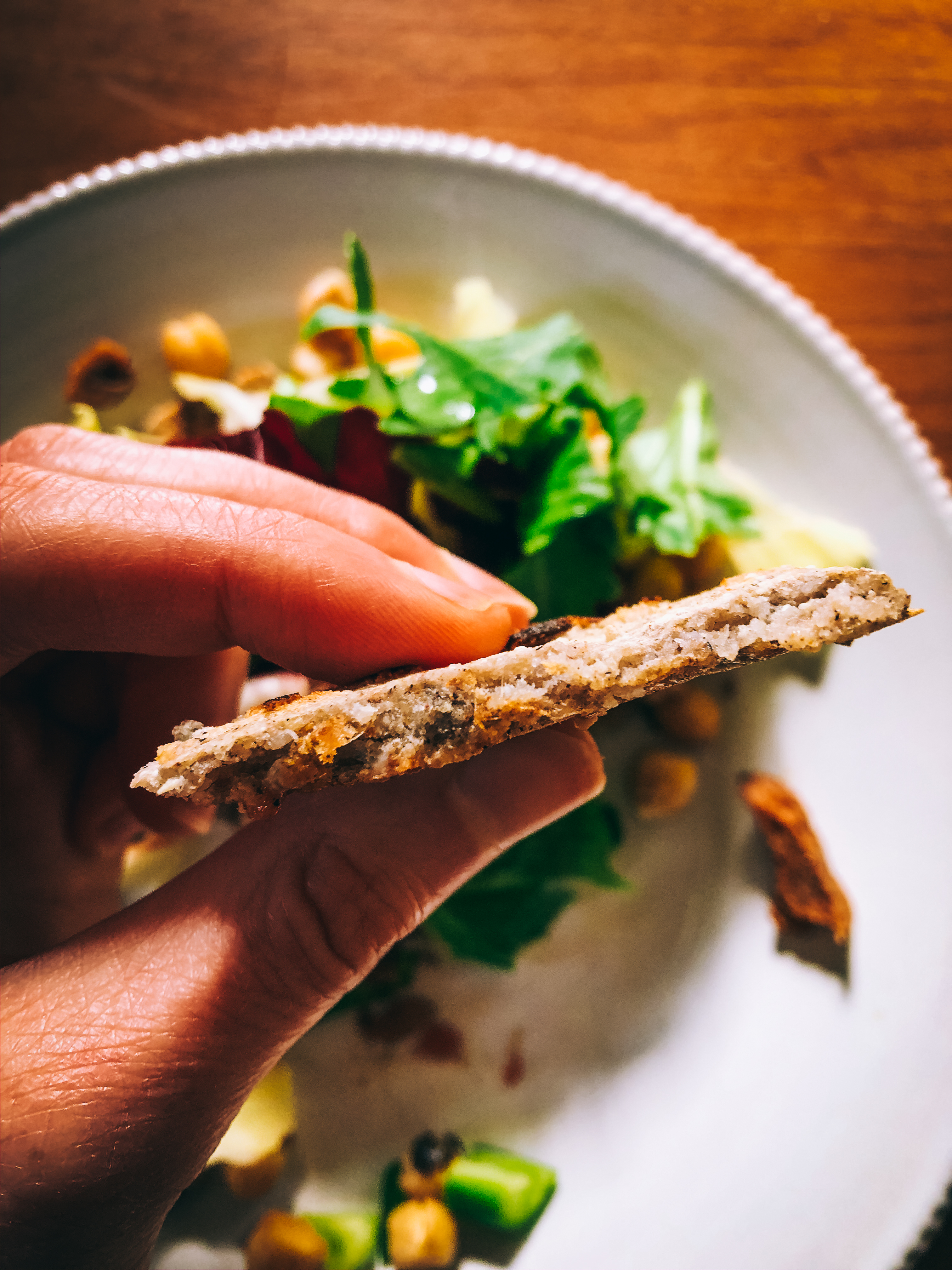
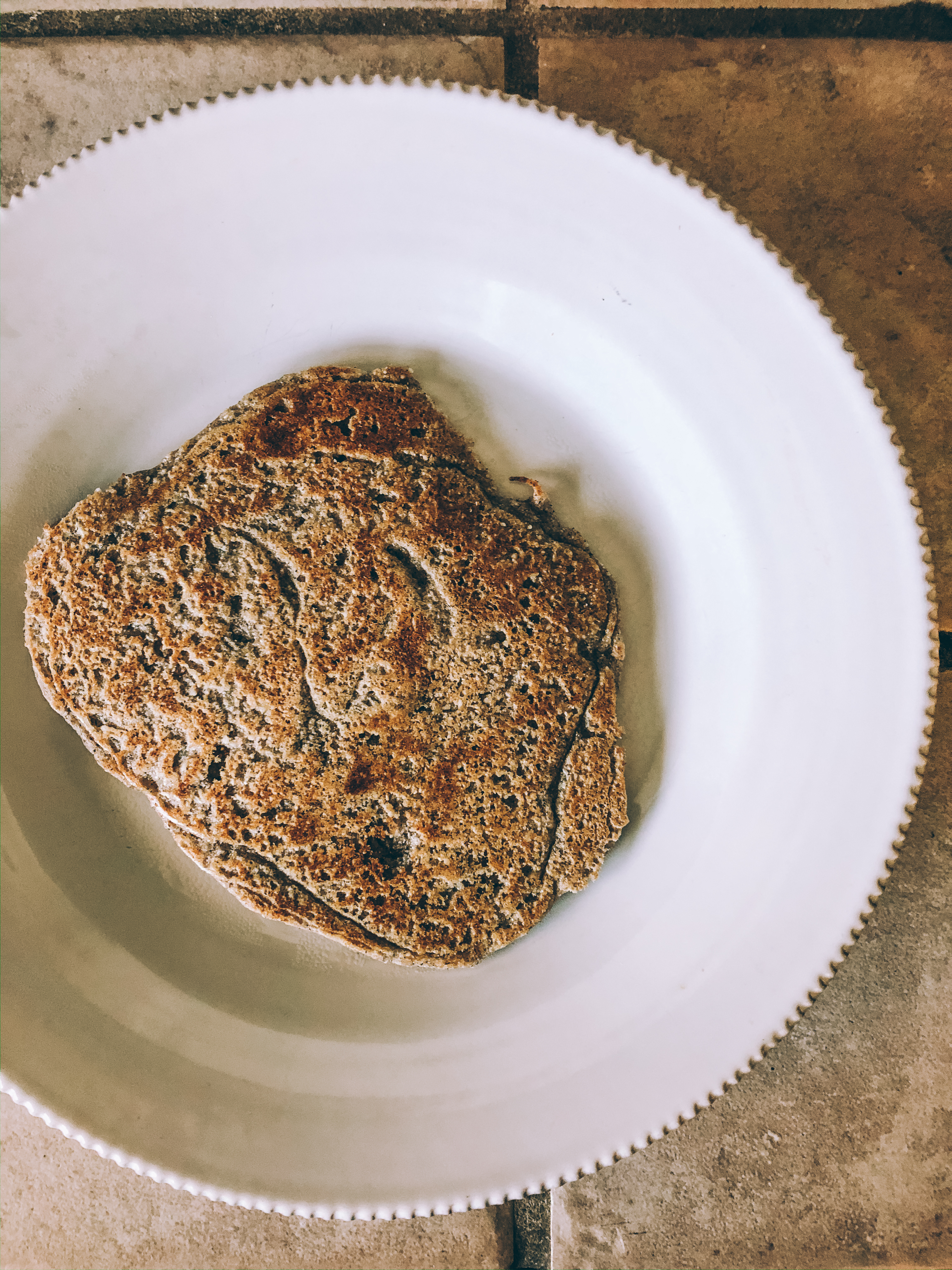
This is the absolutely simplest flatbread made from the sourdough mother. It’s rich and delicious, tastes bready and substantial, and can be flavored in many ways beyond the simple (plain) way I’ve made it. For a few more ideas, see this video which was the original that clued me into this delicious bread idea. For a larger amount, just use more starter. If you do not have a sourdough starter, I made mine from Baking Magique’s instructions. Instead of a mix of buckwheat and brown rice flour, my starter is 100 percent buckwheat. It keeps feeding Esmerelda super simple that way.

70 grams / ~1/2 cup sourdough starter
a little oil for your pan

  • Heat a medium to large skillet over medium-high heat. Add a little oil of choice, such as olive or coconut oil.
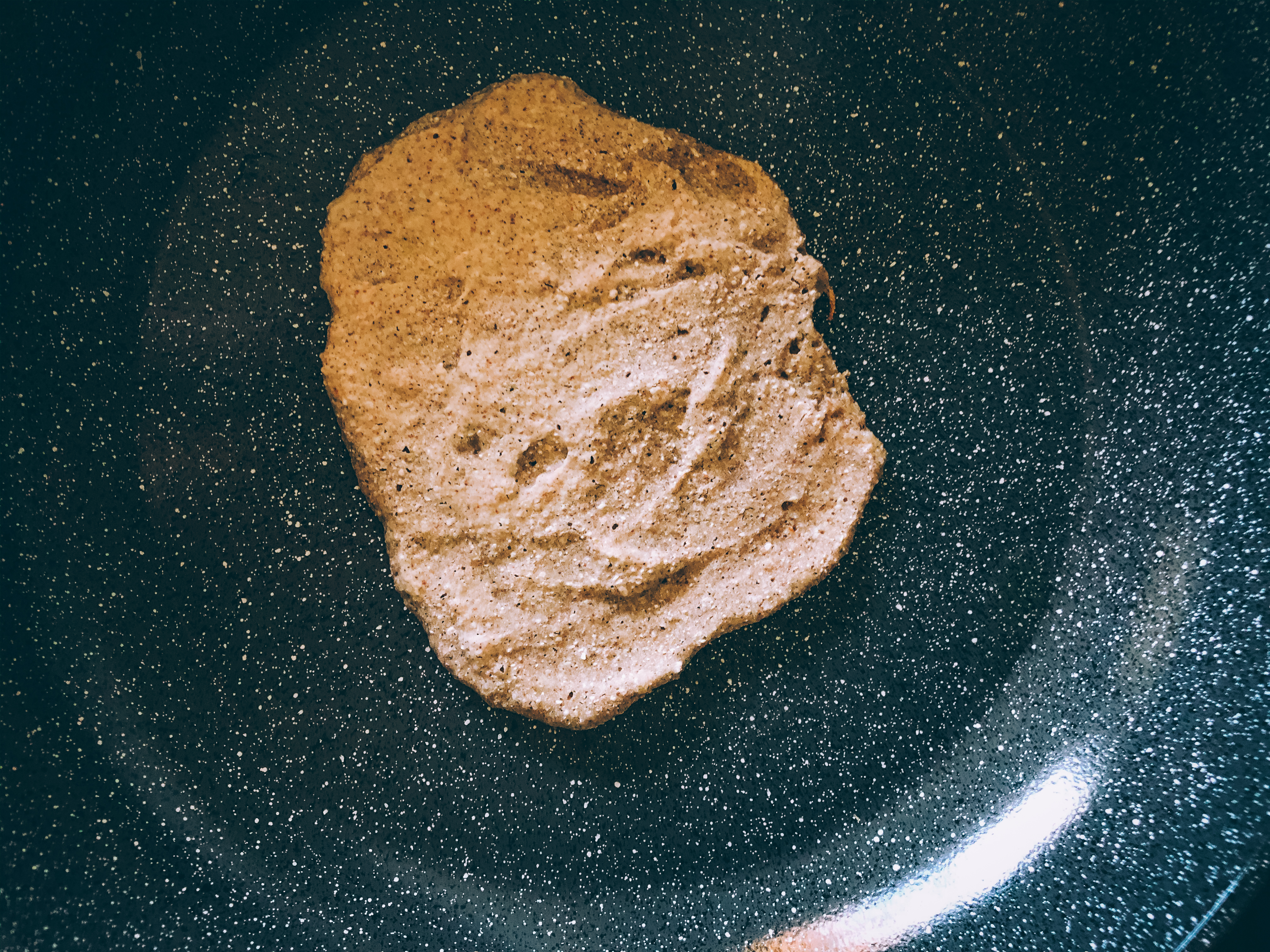
  • Pour your measured sourdough starter directly onto the pan and with a rubber spatula, gently spread it out so it’s smooth. Cook for about 3-4 minutes; then flip and cook 3-4 minutes more. You might need to turn your pan down a little, as this bread is slightly thick and you want to make sure you cook it all the way through.
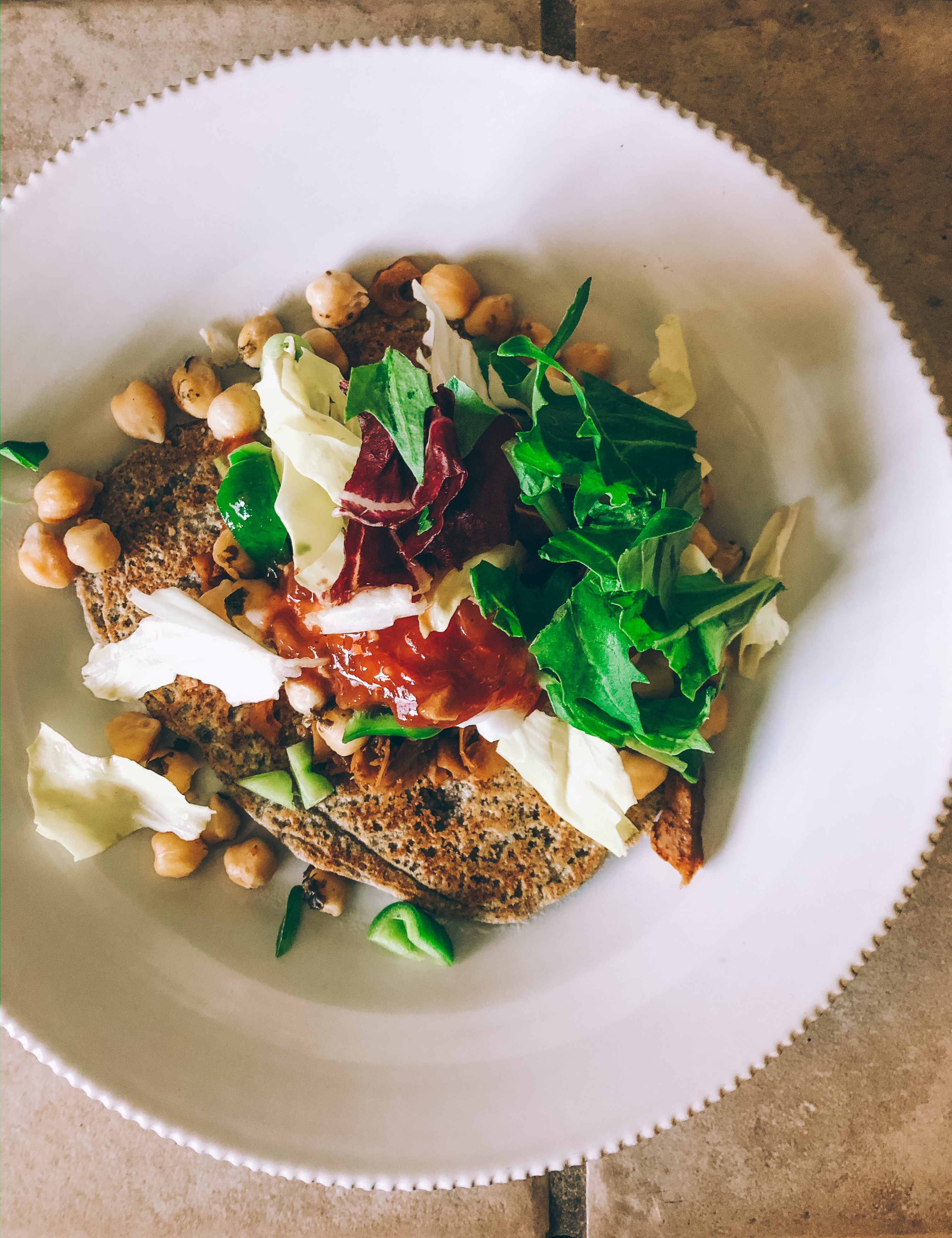
  • Remove from pan, and add to your meal. I often eat it as a side like naan, but sometimes use it as a base for random other toppings that I have on hand for a quick lunch.

Better than the Bakery GF/DF Blackberry Muffins

During my senior year of high school, my agricultural science class focused on business and economics principles, and in one unit on our future in the workforce, I did some business planning on starting a cake bakery. I don’t know if we were focusing on entrepreneurship specifically, or if I’ve always had a streak of planning to run my own business, but to my way of thinking, I was owning, managing, baking, selling, etc. The whole dang thing. Never mind that I was in agricultural class, not growing or milling wheat or other grains, or just using an example from the then business I had at the time of raising and selling club lambs. Nope. Instead I did an abrupt turn and planned for baking artistic cakes in my future.

To this day, I often joke that if the pay were better and other things didn’t work out, I’d be baking and handing over the goods to other happy people instead. Oh and starting a porridge and brunch restaurant. Which is where my love for baking muffins comes in. If you go ahead and browse the recipe section, you’ll see I’ve published more than a handful of muffin recipes over the years. Along with cake, muffins are one of my favorite baked foods to experiment with.

When it’s up to me, I often tend to go for the heavily spiced, oat-rich, morning glory-type muffins that are stuffed with ingredients like raisins, shredded zucchini or carrots, mashed pumpkin, or other fruit. But not everyone favors that kind of porridge reincarnation. William, for instance, is a plain vanilla cake / vanilla frosting person, and likewise prefers simple berry muffins without the frills and extra ingredients. Since he’s been stopping by a local bakery before work many mornings for exactly that type of muffin, we settled on me making him some that are a little more wholesome and he can grab and take instead.

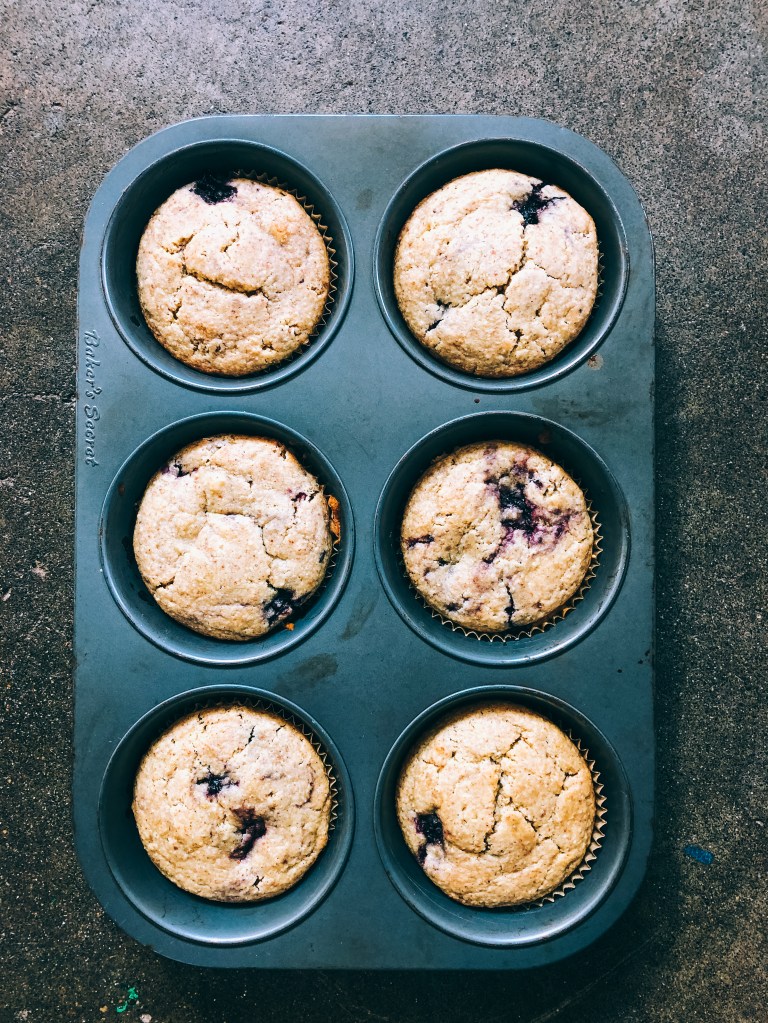
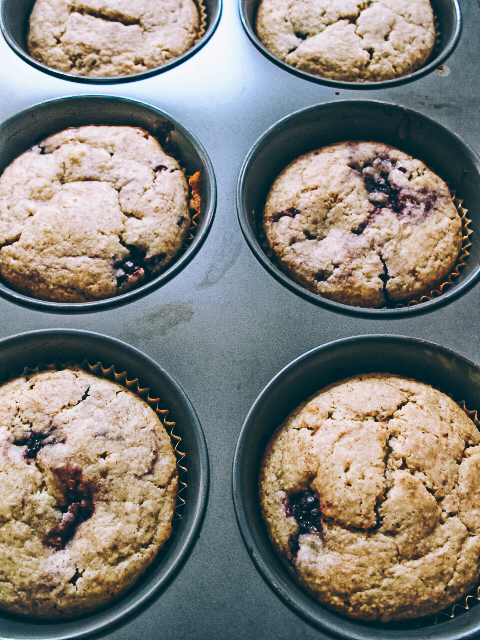
That’s where these come in. These are blackberry muffins made from milling oats, buckwheat, and almonds in my spice / coffee grinder. But they can easily become blueberry or raspberry-flavored instead, and if you have more of the flours than I do, start with oat, buckwheat, and almond flours for one less step. Either way, they’re an early morning treat that stands up to the bakery muffins with more whole foods, and especially whole-grains and reduced sugar. A big win and less of the side effects of refined sugars and flours, etc.

Blackberry Muffins, makes 6

65 grams / ¾ cup gf-certified oatmeal
65 grams / a little less than 1/2 cup raw buckwheat groats
60 grams / ½ cup raw almonds
8 grams / 1 Tbs. arrowroot flour
1 ½ tsp. baking powder
¼ tsp. baking soda
¼ tsp. sea salt
70 grams / 6 Tbs. organic cane sugar
25 grams / 2 Tbs. coconut oil
1 large egg or a vegan alternative (1 Tbs. ground flax mixed with 3 Tbs. water)
½ tsp. grated lemon zest, optional
1 tsp. lemon juice or apple cider vinegar
½ tsp. vanilla extract
170 grams / ¾ cup plain non-dairy yogurt (unsweetened coconut yogurt is best)
150 grams / 1 cup fresh or frozen blackberries

  1. Begin by weighing or measuring out the oats, buckwheat and almonds, and then finely grind them to a flour mixture in a spice / coffee grinder. Alternatively, if you already have light buckwheat flour, oat flour and almond meal, you can skip this step.
  2. Preheat the oven to 375 degrees and prepare a muffin pan by adding the paper liners, or lightly wipe the insides with oil and dust with flour. Set aside.
  3. In a small bowl, mix the flours, baking powder and soda, and salt. Then set it aside.
  4. In a medium bowl, mix the coconut oil and sugar with a spoon until light and fluffy. Then beat in the egg, lemon zest and juice, and vanilla.
  5. Add in about 1/3 of the flour mixture to the sugar and oil and stir. Then add in ¼ cup of yogurt. Stir in another third of flour and another ¼ cup of yogurt, and then add the rest of the flour and the final ¼ cup of yogurt. The batter should be slightly fluffy. Don’t overmix.
  6. Gently stir in the blackberries, and then evenly divide the batter into the six muffins cups.
  7. Bake for 25-30 minutes, or until a toothpick comes out clean. Cool them slightly in the pan, before tipping out and eating