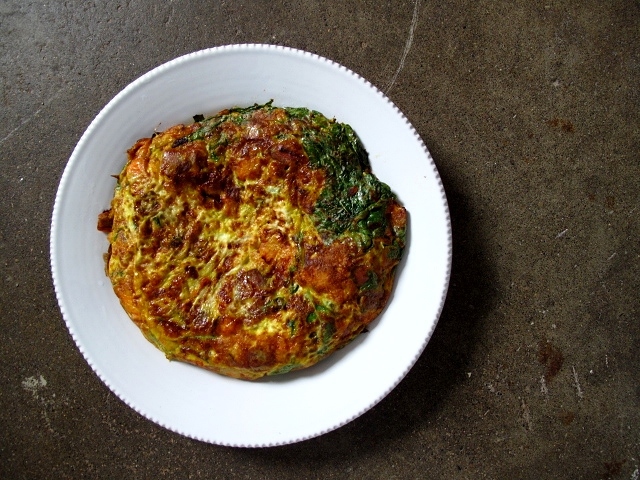
Sweet Potato Spanish Tortilla

IMG_2862.JPG


Almost 10 years ago to the day, I spent a whirlwind weekend in Madrid, having said yes along with my roommate when our neighbor down the hall asked if we wanted to go. I was on study abroad that term so Spain literally was a hop, skip, and two-ish hour plane ride away. So of course I said yes.

Even though the weekend was short, it took me a long time to get over it, and having also started my first foray into blogging that term, I wrote about the experience for all the friends and family back home. At the very beginning of that three days I ended up getting my purse stolen, along with virtually everything important to an international tourist save my phone–which ended up being a real saving grace.

What was supposed to be a joyful jaunt to explore the history of another culture became spending much of that time in a tourist police station getting my passport back (thank God!), and trying to be optimistic about how to manage the next few days devoid of spending money. Hostel white bread toast with jam, cheap tea, and relying on my kind but also college-student-budget traveling partners for real meals meant my Spanish food memories are dampened for the hunger pangs. Truthfully, I barely remember the food in Spain save a late night bite of churro (too much sugar), shops with large hams and sausages hanging and full of the neighborhood men, and a solo street cart on a cold, gray October afternoon selling freshly roasted sweet potatoes, warm and sweet, and made even better for the pieces were shared amongst us three as we walked, our bellies and hands growing warmer as we went.
 

IMG_2856


Despite the more stereotypical and/or well known Spanish foods, warm roasted sweet potatoes from a street cart eaten plain will always be my memory of the place.

And for whatever reason 10 years on, I started to get a craving for a simple Spanish meal on a cold and gray October day. So a tortilla with roasted sweet potato it is.
 

IMG_2845


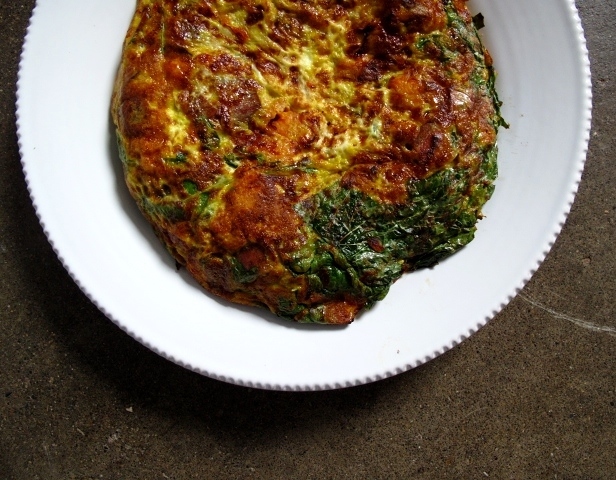
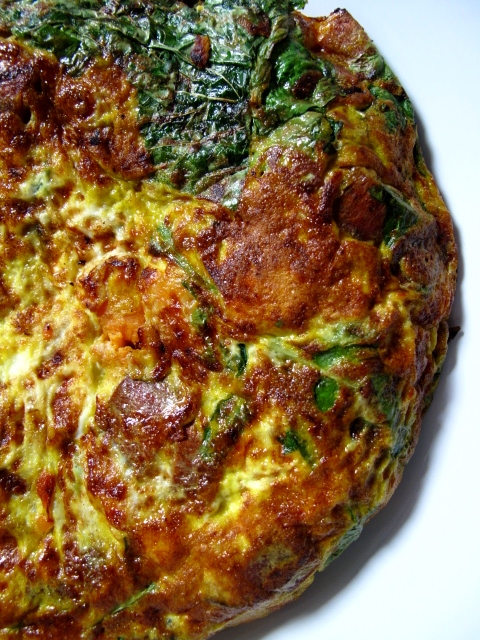
Tortilla, which is really a Spanish omelette, is quite a common dish and one I vaguely recall having for tapas one night of my stay. Generally it’s made with white potatoes and cooked in lots of olive oil in the pan before the eggs are added, but I deviated and like to roast the sweet potato ahead, and then dice and gently crisp the edges in only a little oil. This method also makes this come together in a flash–perfect for a busy night and equally good as a to-go meal for days that call for a rush.
 

IMG_2877

Sweet Potato Spanish Tortilla, serves 2
1 large sweet potato
olive oil
1/2-3/4 tsp. sea salt
4 eggs
1 handful dark greens such as amaranth, arugula, spinach or kale, chopped

  • Preheat the oven to 400°F / 200°C. Scrub the sweet potato and stab a few times with a fork or knife to allow steam to escape. Roast in the oven until just soft, about 40 minutes.
  • When potato is cooked, dice into 1/2 inch / 1-2 cm cubes. Then heat a little olive oil in a 7 to 8-inch saute pan over medium heat. Sauté the diced sweet potato for 3-5 minutes, just until the edges begin to turn golden. Season with the salt and remove from heat.
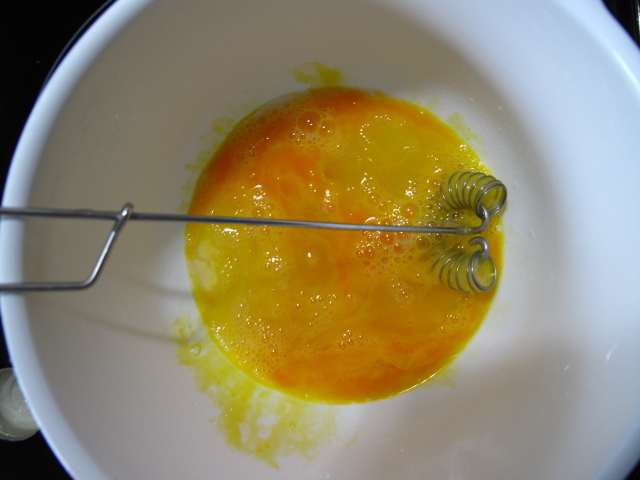
  • Meanwhile, whisk the eggs in a bowl and stir in the chopped greens. Then stir the sautéed sweet potatoes into this egg mixture and stir well.
  • Return the pan to medium heat, add a little additional oil if necessary, and then pour the egg mixture into the pan. Let it cook for about two minutes and then place a clean plate over the pan, flip the tortilla onto the plate, and then slide the uncooked side back into the pan. Heat for 3-4 more minutes until cooked through. It should be firm and golden once ready.
  • Remove from heat and let it cool for a few minutes. Cut into wedges and serve with a side salad, roasted vegetables, or as is for a light meal.
  • The tortilla can also be stored in the fridge for a couple of days and taken as a to-go meal.

Moroccan Potato + Summer Vegetable Tagine: Performance Meal Planning with Potatoes

IMG_2823
By posting this recipe I am entering a recipe contest sponsored by Potatoes USA and am eligible to win prizes associated with the contest. I was not compensated for my time.

In one of my first nutrition classes, we read the book Nourishing Wisdom and I distinctly recall a section about the flavor of place, and how the author found himself loving and craving pizza when living in New York, avocados when in San Diego, and Gravenstein apples when in Sebastopol, California, a place where they’re particularly grown. When I read that section of the book, it took me back to fall term of my senior year as an undergraduate. I lived in Ireland that semester and for the first time in my life, could gladly eat potatoes every single day. My favorite was to buy the smaller baby potatoes, slide a few into a pot of cold water on the stove, bring to a boil and cook until soft, and then serve plain as a side with no additional flavorings except a little heavy-on-the-vinegar Irish ketchup and a dash of salt. It was heaven.

And then I returned home and my affinity for potatoes dropped away just as quickly, even though I grew up eating them a whole bunch.

I haven’t craved a single potato-based meal since living in Ireland. Enjoyed, yes. But never craved in that same way.

IMG_2796

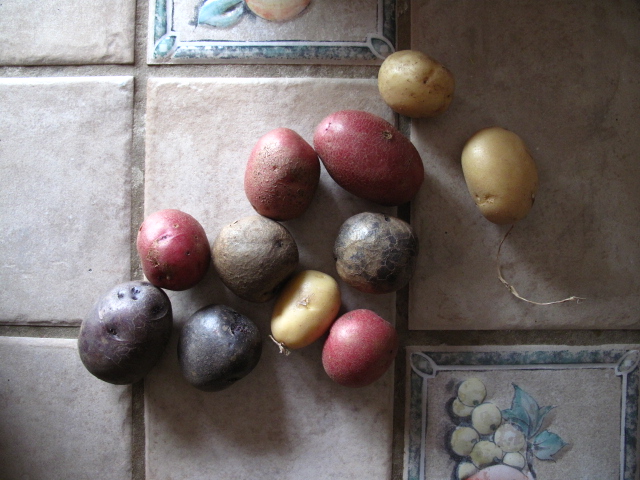
Which is really too bad because my local farmers grow some particularly lovely and flavorful potatoes, baby size and all.

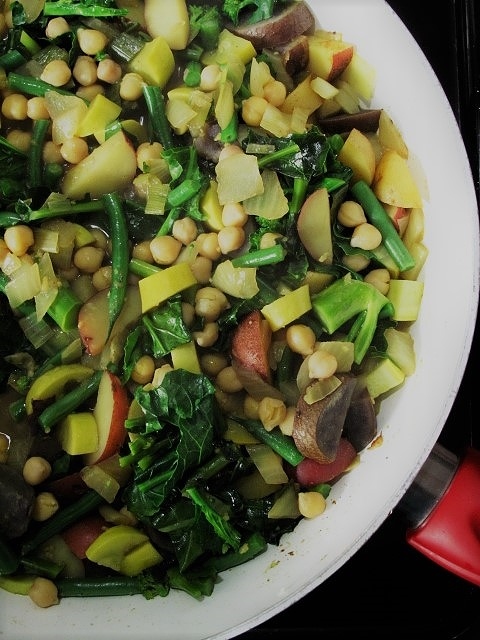
I’ve an intention to focus more on making the main components of my meals from local ingredients for the next couple months, and that means exploring some great foods I don’t always rely on. While at my local farm the other day, I noticed all the different potato varieties lining a whole section of the stand and I quickly grabbed up several handfuls of each, envisioning all the different ways I’d like to enjoy them. While simple can often be best, I decided to center them in a savory sweet Moroccan Tagine. If you’ve never tried a tagine, I think this version is the Northern African equivalent to the very-Irish Potato Stew I grew up on.

So completely different, but also so similar.

IMG_2818

And while still on the topic of flavors of place, there’s actually a good reason why we crave foods grown in our regions, those in season, or what is super super fresh. They’re the foods that are often packed full of all the nutrients!

This is particularly important for us athletes who are trying to maximize our nutrient intake, pack in some quality meals to enhance recovery, and eat for flavor, texture, and enjoyment. For me anyway, even several years beyond the Ireland potato phase, this meal hits all those spots.

IMG_2774

While I don’t generally go into nutrients and calories and nutritionism in detail in this space, I recognize that some of you actually do want this information, and to be honest, I live in this world for at least half my time right now so I do understand.

And to be clear, I also once thought potatoes weren’t a very nutritionally sound food choice but that’s generally only true if they’re eaten without their skin, are fried in rancid oil or processed beyond recognition.

For athletes especially, potatoes provide a good source of carbohydrates and potassium, as well as several trace minerals, and if super colorful like the one below, phytonutrients needed to perform at one’s best. A medium potato with the skin provides just 110 calories and a good hit of the daily value of vitamin C, which is an antioxidant needed for optimal athletic recovery. They also provide more potassium than a medium banana, which aids in muscle, cardiovascular and nervous system function. And nearly all of us–athletes or non-athletes–fail to get enough of this essential electrolyte!

Lastly, potatoes provide as much — if not more — of several essential vitamins and minerals found in spaghetti, brown rice or whole wheat bread, making them a smart addition to the other favorite performance foods. This is especially true because the more diversity in our whole-food choices, the happier our gut microbes–and thus health! And even more important for athletes who stress the GI to the max in all our fun but grueling endurance pursuits.

IMG_2784

1 Nutritional data is based on a 5.2 ounce skin-on potato.
2 Gelibter, A., et al. Satiety following intake of potatoes and other carbohydrate test meals. Ann Nutr Metab. 2013;62:37-43.

IMG_2804


Moroccan Potato + Summer Vegetable Tagine, 
serves 3-4
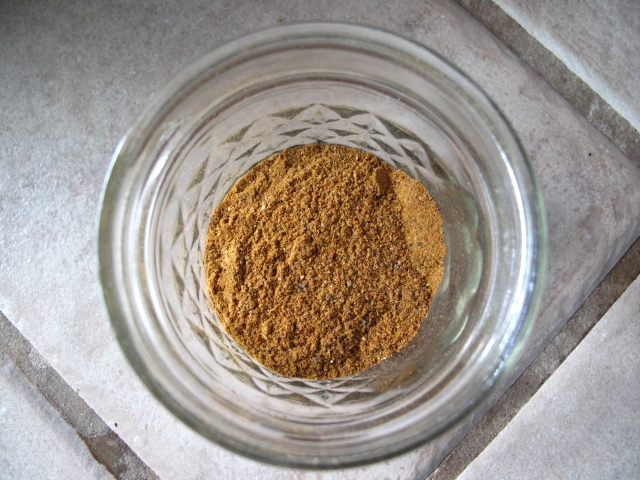
– Ras el Hanout is a Moroccan spice blend, somewhat similar to a garam masala. The name actually means “Top of the Shop” and each spice house will usually have their own blend which features their best spices. I made my own (see below), but there are several good ones available to purchase, or improvise with a garam masala knowing it won’t provide quite the same flavor profile.
-Other than the potatoes, any summer vegetables will work in this and I encourage you to use what is fresh and available near you!

2 Tbs. coconut oil
3 cloves garlic, minced
1 large onion, diced
1 Tbs. ras el hanout
1 tsp. sea salt
1 lb. small potatoes, sliced 3/4-in thick
1/2 lb. yellow summer squash, diced
small bunch / 4 oz. broccoli, chopped
3 cups water
small handful / 4 oz. green beans, ends trimmed and diced
2 cups cooked garbanzo beans
4 dried plums or dates, diced
Juice of 1/2 to 1 lemon, to taste
cooked quinoa, optional

  • In a large pot or dutch oven, warm the oil over medium heat and add the garlic and onion. Cook until the onions begin to soften.
  • Then add the ras el hanout spice, salt, potatoes, summer squash and broccoli. Stir to coat, and then add enough water to barely cover most of the vegetables. Bring to a boil and then turn down the heat to a low simmer, cover, and cook until the potatoes are tender, about 20 minutes.
  • About 10 minutes before the potatoes are done, stir in the green beans, garbanzo beans, and dried plums.
  • As the vegetables are done, add in the lemon juice to balance the flavors and then taste and adjust seasonings.
  • Serve it as is, or alongside some quinoa.


IMG_2788


Ras el Hanout seasoning
Blend this up by weight or by teaspoons.

4 parts cumin
4 parts ginger
4 parts turmeric
3 parts black pepper
2 parts coriander
2 parts cinnamon
2 parts cayenne
1 part cloves
1 part allspice
1 part cardamom
1 part rose petal powder


Nutrition Information // Based on 1/3 of recipe served without quinoa
Calories 475 | Fat 12.8 g | Cholesterol 0 mg | Sodium 830 mg | Total Carbohydrates 79 g | Fiber 16 g | Sugar 18 g | Added Sugar 0 g | Potassium 1563 mg / 33% DV | Protein 17g | Vitamin C 93 mg


recipe-redux-linky-logo