A simple digestion tip for when you’re struggling

The last few weeks, I’ve dropped back into a pattern I always wish to avoid. Feeling those frequent low-grade, lower belly aches, and sometimes feeling simultaneously heavy and like a giant airy balloon resides in my midsection. It’s most noticeable two to three hours after a meal, when the food has left my stomach and reached my small intestine, and around the time I’m either about to begin or am in the first few miles of my daily run or workout. 

Not so enjoyable.

This used to be my norm. It used to be so much my norm that if it were just these mild symptoms, I wouldn’t have noticed it  or done anything about it at all. I wasn’t quite as in tune with my body then, you could say. But then it became chronic. And got a lot worse before I figured out, with help, how to make the sour, painful digestion situation better.

So when you come to me and say, “I can’t believe I’m telling you this,” well, I know what you’re talking about and it’s not something that should be hush hush or shameful — at least not when you’re talking to a nutritionist. 

In the interest of providing some guidance before you start removing random foods, purchasing specialty digestive products or just holding your belly and whimpering / running to the bathroom, here’s one quick tip to improve digestion for you. 

Try One Simple Shift

It’s a shift that worked for me the last couple weeks as I switched from eating more cold/raw summer meals to putting those same foods in meals and gently cooking them.

That’s right. That’s the shift. 

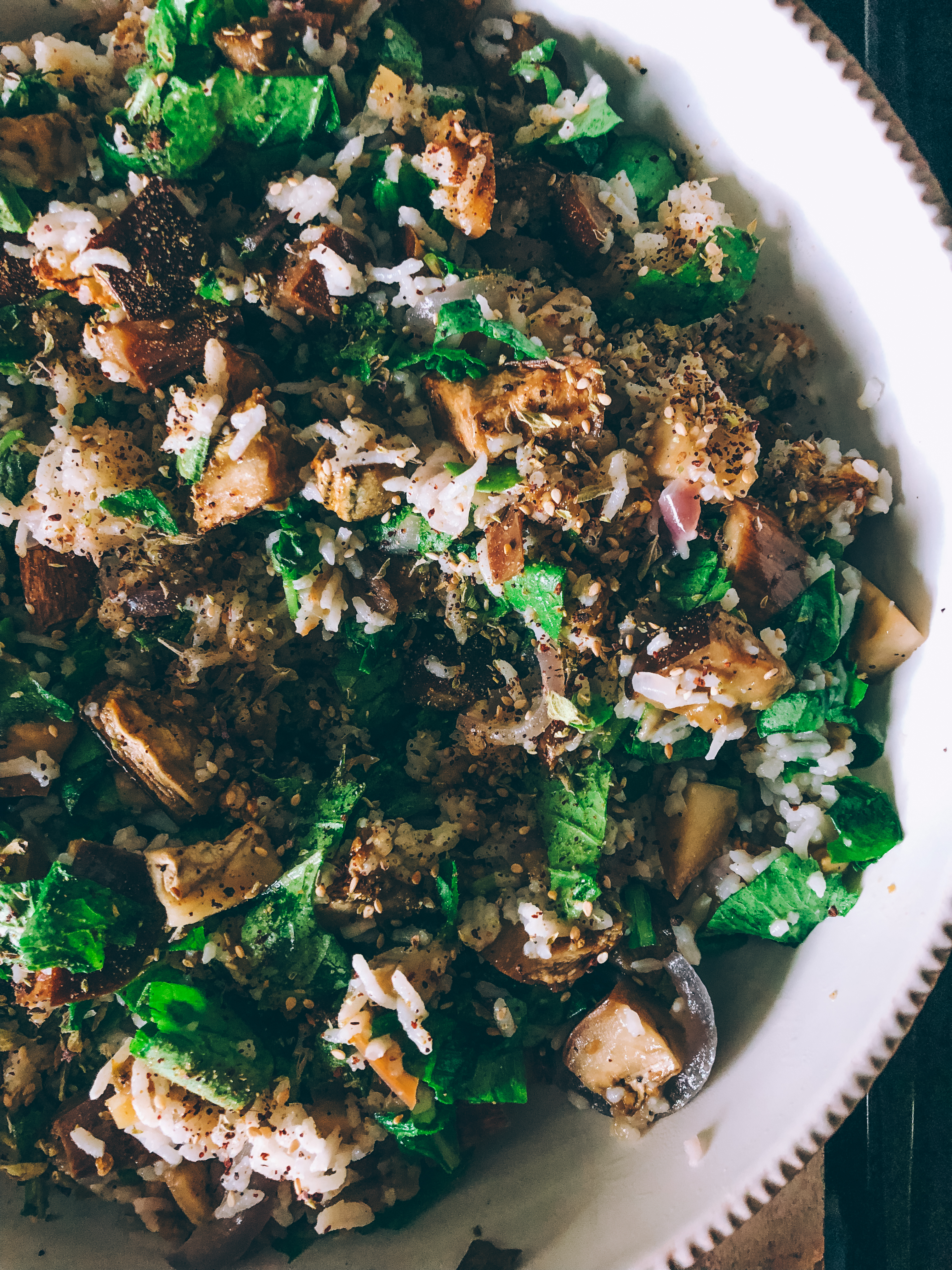
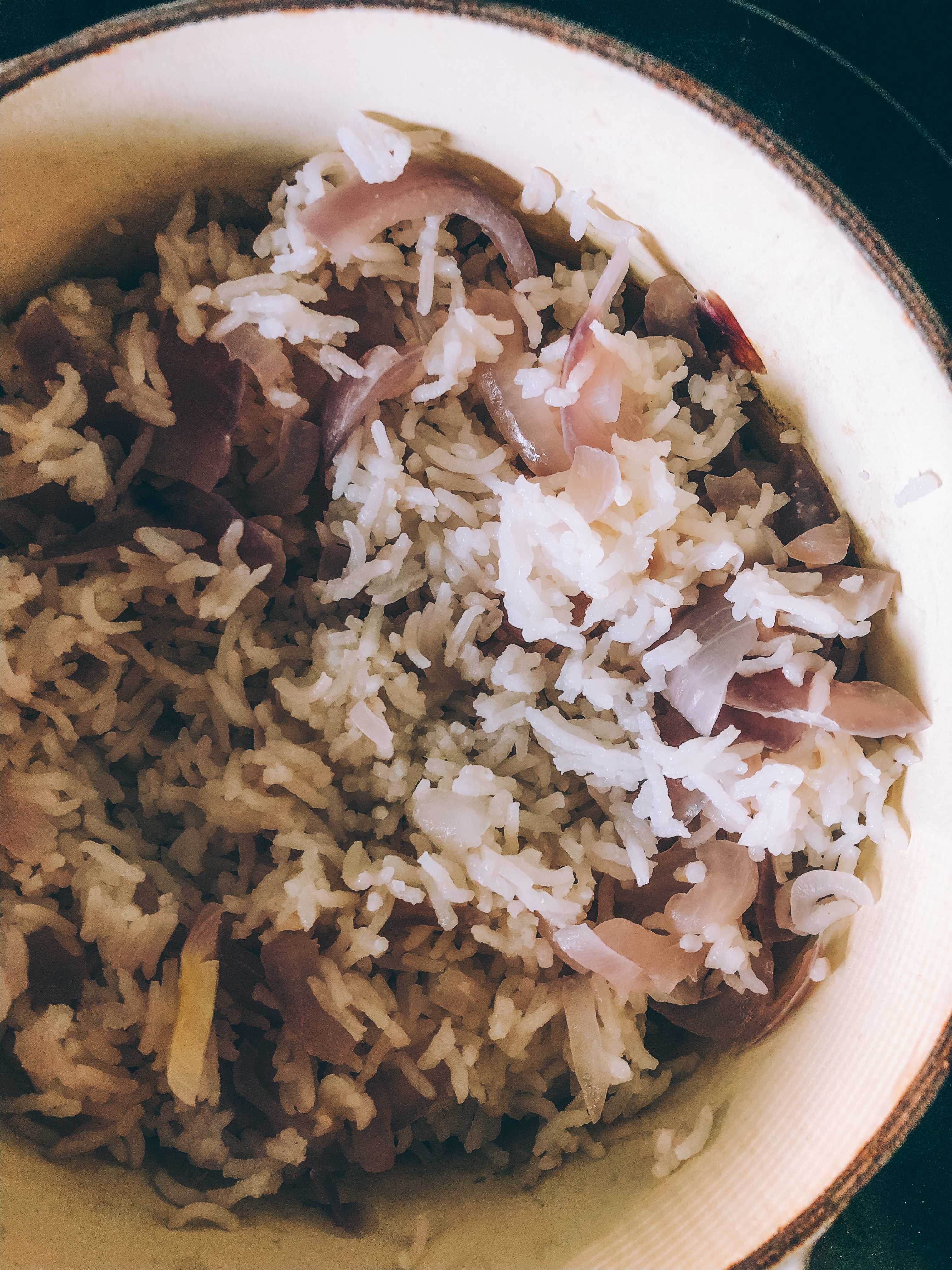
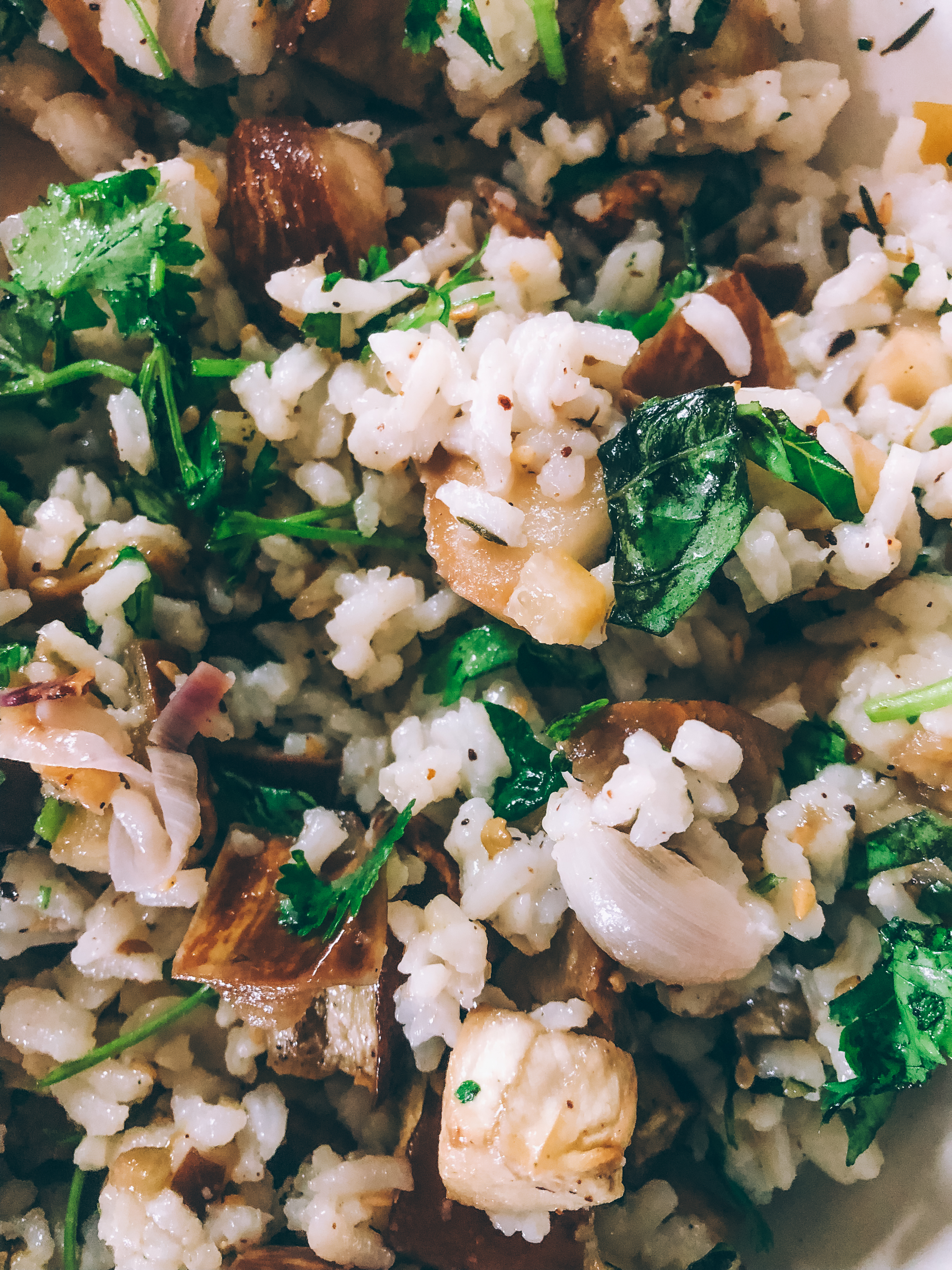
Just switch to eating all your meals warm and gently cooked. 

It’s simple but especially in the end-of-summer warm days, you might have to remind yourself daily, if not with every meal, to just heat everything up. I don’t heat up some foods, and eat others raw, like including a side salad with a meal. Warm all of it up. Do a quick 30 second to 1 minute sauté of your salad ingredients in your vinaigrette in a sauté pan, if that’s easiest. Oh, and chew it all well.

Think of your digestive ability like a campfire. Too hot and everything burns up and gets singed too quickly, like that marshmallow or hot dog you’re roasting. Too cold and nothing really cooks at all. It just smolders along half-heartedly. That smoldering is what we’re trying to avoid here, since it’s most common when you struggle with symptoms of the lower GI.

If you’re interested in more simple digestion shifts, I wrote a mini-guide for improved digestion featuring no products, special foods, or diets which you can download. Or check out the last few blog articles on improving digestion for more ideas.

Salad Sandwich

In the last year, the amount of questions I’ve gotten about food confusion–confusion about what to eat, how much to eat, what is intuitive eating vs. what is actually just following cravings, what makes up an ideal proportion of meal components–has increased a lot. I don’t know if it’s a cumulation of way too much focus on nutrition-ism, fad diets and sensationalism in the media, an increase in individuals transitioning to vegetarian or plant-based ways of eating, long months of COVID stay-at-homes, or something else.

But just know, if you’re confused about what a healthy way of eating looks like, or you struggle a lot with food and your body, or you’ve followed so many restrictive ways of eating in order to heal but are still in chronic illness, you are definitely not alone.

But also, settling for an unhappy status quo or giving up is not the answer.

One thing that’s safe to say is that most of us are better at making little changes gradually rather than making sweeping overhauls in how we eat. And another is it’s likely you eat less vegetables than you think. As much as exotic and trendy superfoods seem so much more exciting, most vegetables are actually the real superfoods on our everyday plates.

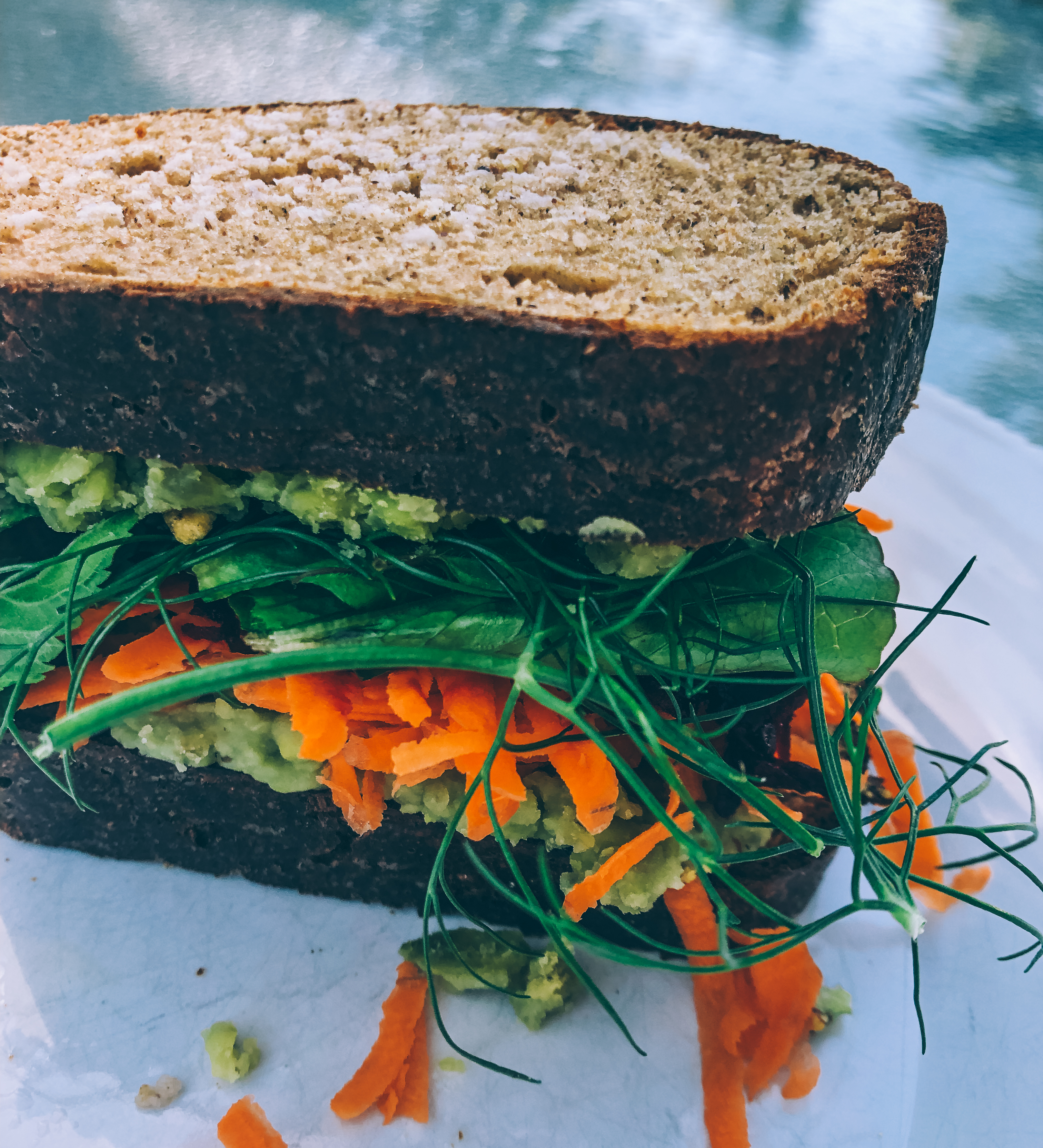
So as you wind down your summer, have a few meals on the go after active summer adventures, or transition into a more structured back-to-school / back-to-work schedule, here’s an update on a fairly standard mid-day lunch. The Salad Sandwich.

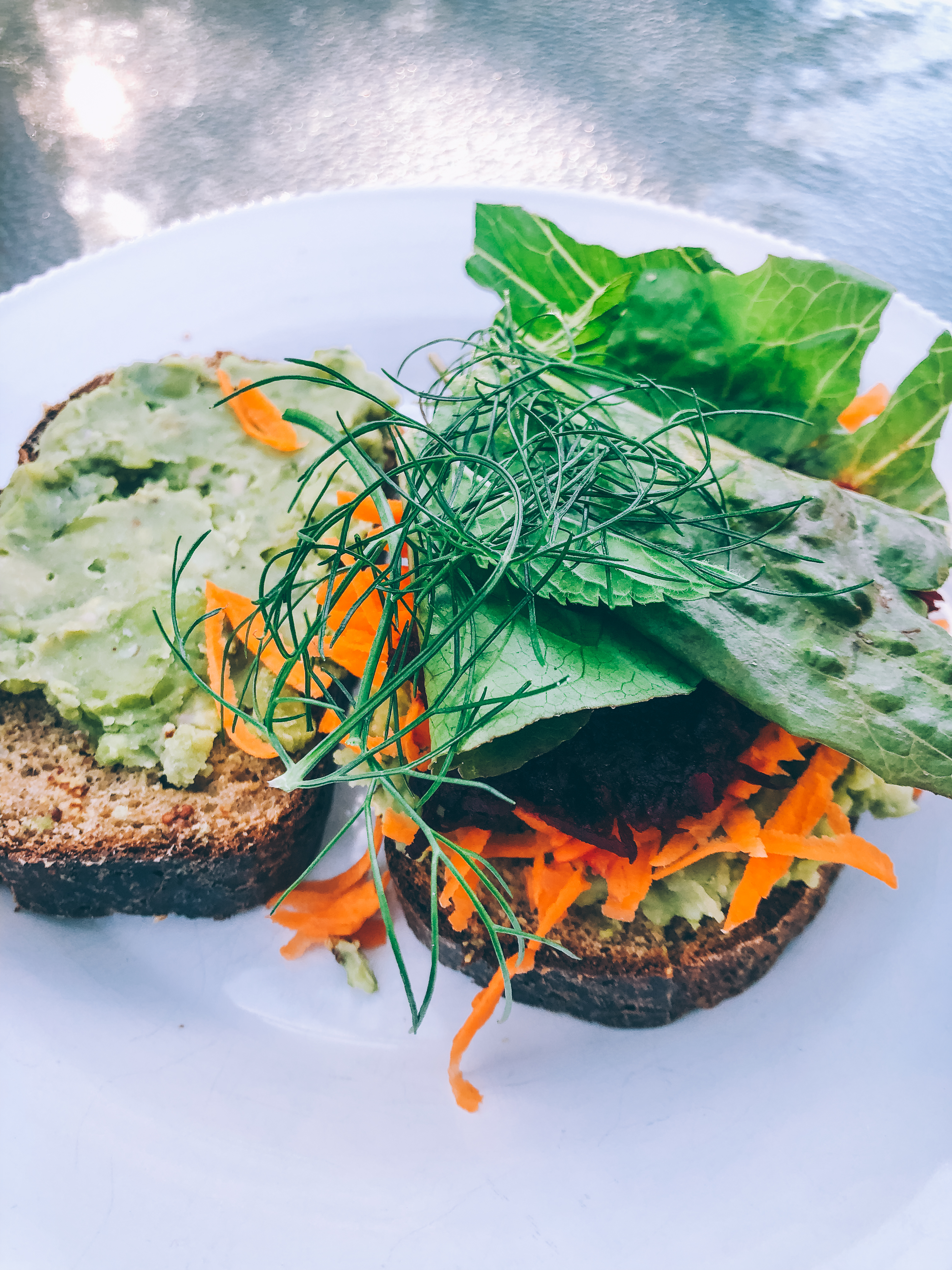
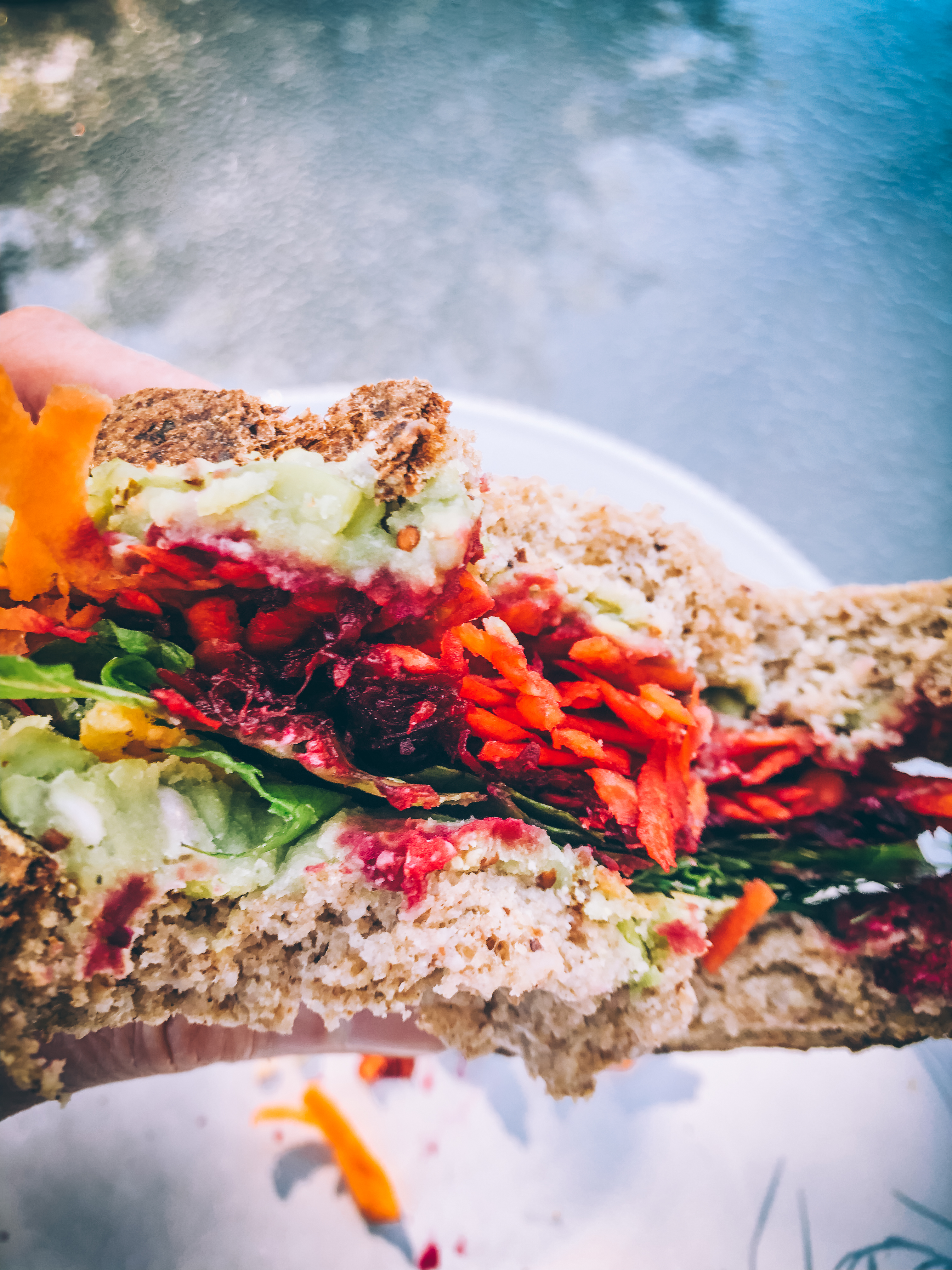
There are many ways to go about making this, but the idea is that you’re eating a balanced plate meal in sandwich form. Whole grain bread, shredded root vegetables, lots of leafy greens and a hummus spread. Condiments to add texture, the six flavors to satisfy taste buds and to help digest the meal, and if you can’t stuff your sandwich quite so full to add *enough* veg, a side salad with the remaining filling components to balance the meal out.

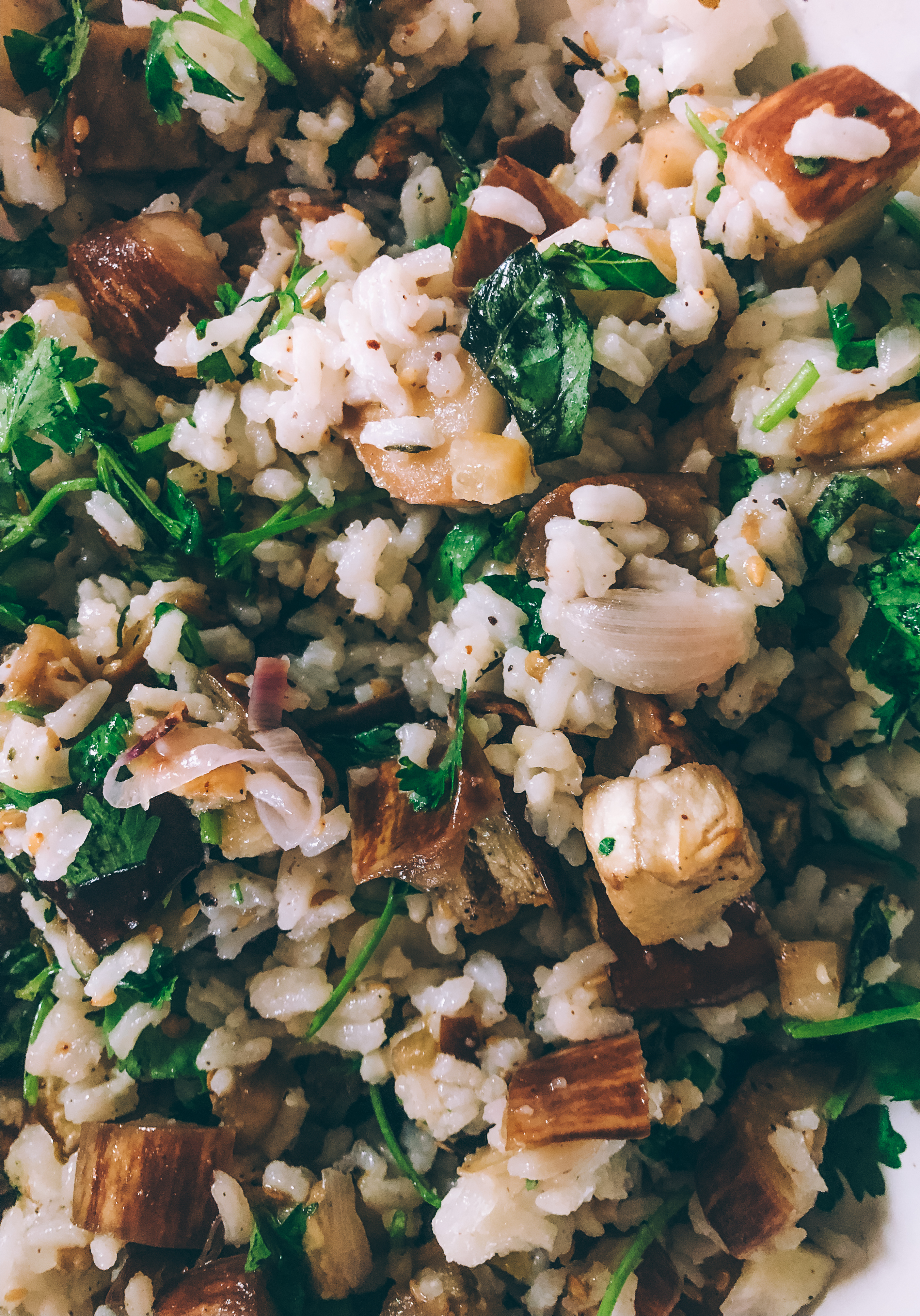
That’s the idea anyway. Every summer of late, I’ve had an ideal repeat meal. Below is a brief list of some of my past ones. This salad sandwich is the 2021 rendition.

Roasted Zucchini and Crookneck Squash with Pumpkin Seeds, Oregano and Olives
Sourdough Pizza
Cooling Kitchari
All-Healing Anti-Inflammatory Green Soup and Sourdough
Zucchini Noodles, Crookneck Squash, Garlic, and Pesto using All-The-Greens Interchangeable Pesto

Salad Sandwich, Serves 1

1 cup Hummus, my favorite recipe below
1 medium beet, finely shredded
1 large carrot, finely shredded
2 cups romaine or other leafy greens
1-2 Tbs. herbs of choice – Mint, Basil, Fennel Tops, finely minced
1-2 tsp. Dijon mustard, optional
1-2 Tbs. of something pickled, such as quick-pickled onions or radish, sliced olives, or sauerkraut
2-4 tortilla chips, optional
2 slices thick, whole-grain (preferably sourdough) bread

  • Wash hands with soap and water.
  •  Prepare your toppings. Then make the sandwiches by either toasting the bread to start, or leaving untoasted.
  • Spread the bread with a thick layer of hummus on each side, and a little Dijon mustard, as desired.
  • Then layer the shredded roots, herbs, pickled condiments, and greens. Top with a couple crunchy chips and then finish with your other slice of hummus-ed bread.
  • Combine any extra filling components in a small bowl and combine together. If you’d like a little dressing to finish it off, a little drizzle of olive oil and vinegar or lemon juice is often super nice.

Easy to Digest Hummus, serves 4

1 tsp. ghee (or use untoasted sesame oil)
2 tsp. untoasted sesame oil
1/2 tsp. mineral salt
1 tsp. kombu, wakame, or bladderwrack seaweed (dried)
1 tsp. ground cumin
1 tsp. ground coriander
1/2 tsp. ground fenugreek
1/4 tsp. ground black pepper
1 cup whole mung beans (soaked at least 6 hours)
3 Tbs. tahini
Juice from 1/4 lemon, or more to taste
Water

  • Wash hands with soap and water.
  •  Heat the ghee and sesame oil in a pot over medium heat.
  • Then add the salt, dried seaweed, and spices. Simmer until an aroma is present. Then add the soaked and drained mung beans; stir and simmer for another minute or two.
  • Add water to above the beans by a couple inches. Then bring to a boil; reduce heat, cover and simmer for about 25 minutes, until the beans are soft and breaking apart.
  • Remove from the heat and allow to cool for 5-10 minutes.
  • Then blend the beans and their cooking liquid with the tahini and lemon. Add additional water to thin if needed.

Training the Gut for and during Long Runs and Endurance Sports

Now that it’s full on summer, let’s check in about a topic that is pertinent for all the endurance athletes, and particularly runners, with wonky guts and/or rigid beliefs about fueling during longer efforts. 

I’ve heard so many variations on the following over my years as a runner:
“I can’t eat anything before a run, ever.”
“I can’t eat anything during a run.”
“ I can’t drink anything more than a little water during a run.”
“I have no appetite for hours (or days) after a run and my GI is messed up for several days.”
“I’m not recovering from long runs or races as well as I used to.”

If you currently relate to any of those statements, I want you to know that the digestive system is highly adaptable. Gastric emptying as well as stomach comfort can be ‘trained’ during endurance activities.

Stored glycogen, or the amount of carbohydrates in our system already, are depleted after about 80 minutes at marathon pace, so for most athletes training for longer efforts, fueling with some sort of carbohydrate during exercise is essential. This training of the gut can improve the delivery of nutrients during exercise so during these long efforts, your system gets the fuel you need and are ingesting, and alleviates some (and perhaps all) of your negative GI symptoms.

How Can I Train my Gut? 

What we currently know is that the stomach can adapt to ingesting large volumes of  both solids, fluids, or combinations of the two. 

Just think about those competitive eaters who can down dozens of hot dogs in a matter of minutes. Disgusting thought, I know, but they have to train their systems to do it!  For endurance athletes needing fuel for the long run, we need to do our own version of gut training. 

This happens both during and outside of exercise because eating a higher carbohydrate diet leads to our intestinal cells, called enterocytes, being able to absorb and utilize carbohydrates as fuel more efficiently. 

To get sugar (carbohydrates) from our small intestine where absorption occurs into our blood, the sugar molecules mostly have to be transported across the membrane by glucose or fructose transporters. Think of a taxi transporting you from the airport to your destination. When we eat a diet high in carbohydrates, our body naturally increases the number of sugar taxis (glucose and fructose transporters). 

You’ll notice some of these taxis are sodium-dependent, which is a super essential nutrient for endurance exercise, particularly in the summer, but a topic for another day. 

We also know that increasing dietary intake of carbohydrates increases the rate of gastric emptying. This occurs rapidly with a change in diet, within just a few days. So what this means is that you can fuel with more carbohydrate before exercise, fuel with more carbohydrate during exercise, not feel like you’re running around with a giant, full, sloshy gut, and perform the training run or race better, because you were using the fuel you needed to perform adequately. 

And, we also now have evidence that when you fuel with the appropriate amount of carbohydrates before, during and after an exercise bout, recovery from hard efforts is substantially improved. 

When your body has all the sugar taxis it needs to get carbohydrates out of the digestive system and into the blood stream for circulation and use as fuel as quickly and efficiently as possible, and our body gets used to using carbohydrates added on the go as fuel, the chances of developing GI complaints during exercise are much smaller.

Win, win, and win, in my opinion. 

How Much Carbohydrate Can and Should I Be able to Tolerate ?

How much carbohydrates you need or should consume during exercise depends on a few factors. One, how long you’re going to be out there. Two, the intensity of the effort. And three, your gender. 

Exogenous carbohydrate oxidation, or the amount of carbohydrates we can use during exercise, peaks around 60 grams per hour when it comes from glucose only.  When fructose is ingested in addition to glucose, carbohydrate oxidation rates are elevated above 60 grams per hour, to 90 to 120 grams per hour (when the gut has been trained). In women, however, we have evidence that carbohydrate oxidation rates appear to be maximized at about 60 grams of carbohydrates per hour (2). If you’re a female and looking to maximize your fueling and racing/recovering capacity, you can experiment with ingesting more than 60 grams per hour. This upper limit will likely be individual.

The current guidelines for fueling are to take in up to about 60 grams per hour of carbohydrates for exercise lasting up to two hours. 

And when the effort lasts longer than 2 hours, men should experiment with increasing their intake to slightly greater amounts of carbohydrate (90g/hr), but women may feel best at sticking with 60 grams per hour. These carbohydrates should be a mix of glucose and fructose or maltodextrin and fructose. Virtually every sports nutrition product for use during exercise includes a mixture of carbohydrates these days so most people will not need to worry about getting the different sources. And most do-it-yourself whole food fuel sources will also include both fructose and glucose. 

Note that sucrose, which is contained within many whole foods and is also what makes up simple table sugar, is a disaccharide, meaning it has two different sugar compounds, fructose and glucose.

Here’s another way to look at the timeline of fueling needs:

Exercise Duration0-59 minutes1 hour2 hours2.5 hours3 hours
Grams of Carbohydrate Per Hournone3030-60g : women
Up to 70 g/hr: men
(higher intensity = higher need)
30-60g : women
Up to 70 g/hr: men
60 g: women (can experiment with more)
Up to 90 g: men
(can experiment with up to 120 g)

How Long Does Training the Gut Take? 


If you’re training for a race and practicing fueling during long efforts, it doesn’t take more than a few days to a couple weeks to increase those sugar taxis in your gut. Based on animal data, an increase in dietary carbohydrate from 40 to 70% could result in a doubling of SGLT1 transporters over a period of two weeks (1).

But it’s important to practice your race nutritional strategy in training, get used to higher volumes of solid or liquid intakes, and higher carbohydrate intakes both during and outside of training. 


As always with fueling for sports, it will take a little individual experimenting and tweaking to find what works for you so you’re less likely to end up looking like this during your next long run or race:

Will Training My Gut Fix all my Exercise-Related Digestive Woes? 

Perhaps following the above recommendations will be a simple answer to fixing all your exercise-caused angry/sad midsection woes. 

But many people with digestive systems that are more prone to upset also need to pay special attention to what you are and aren’t consuming, and how much you’re eating in all the hours outside of training. This can be very individual. 

Want to Know More?

Within my nutrition practice, I specialize in digestive imbalances. Often when we’re experiencing chronic GI distress, fatigue, and/or malabsorption of foods and nutrients, there will be imbalances in several systems of the body simultaneously. I shared more about this topic in the nervous system’s role in part 1, the immune response and subsequent inflammation in part two, gut microbes and dysbiosis in part three and the importance of chewing our food in part four. Check those out or reach out to me for more personalized support for gut healing, or to go from not being able to tolerate fueling, to training your gut for the amount you need.

References:

1). Jeukendrup, A.E. (2017). Training the Gut for Athletes. Sports Medicine, 47(Suppl 1): S101-S110. https://doi.org/10.1007/s40279-017-0690-6  
2). Wallis, G.A, et al. (2007). Dose-response effects of ingested carbohydrate on exercise metabolism in women. Medicine and Science in Sports and Exercise, 39(1): 131-8. https://doi.org/10.1249/01.mss.0000241645.28467.d3.