Transitioning Your Eating into Spring

When it comes to eating and ingredient choices, eating in tune with the seasons can go a long way towards creating an internal environment that leads to lasting health.

You know you don’t choose the same foods on a hot, sticky summer day as you do in the middle of winter. But what about a blustery spring day when the options at the farmers market (or grocery store) can be a little lackluster?

Below are a few tips for transitioning your eating into spring, as well as a deeper look at the why behind them.

Tips for Eating in the Spring

  1. Avoid congestive foods – these are generally foods that are heavy, cold, and wet.
    This includes refined grains and sugar, dairy (especially cold, sweetened dairy products, like ice cream, and fruit-sweetened yogurt), processed / pre-packaged meals and takeout, high fat foods, excessively salty foods (miso, soy sauce, restaurant meals), wheat products – a heavier grain that is inflammatory when digestion is compromised.
  2. Add in more dark leafy greens!
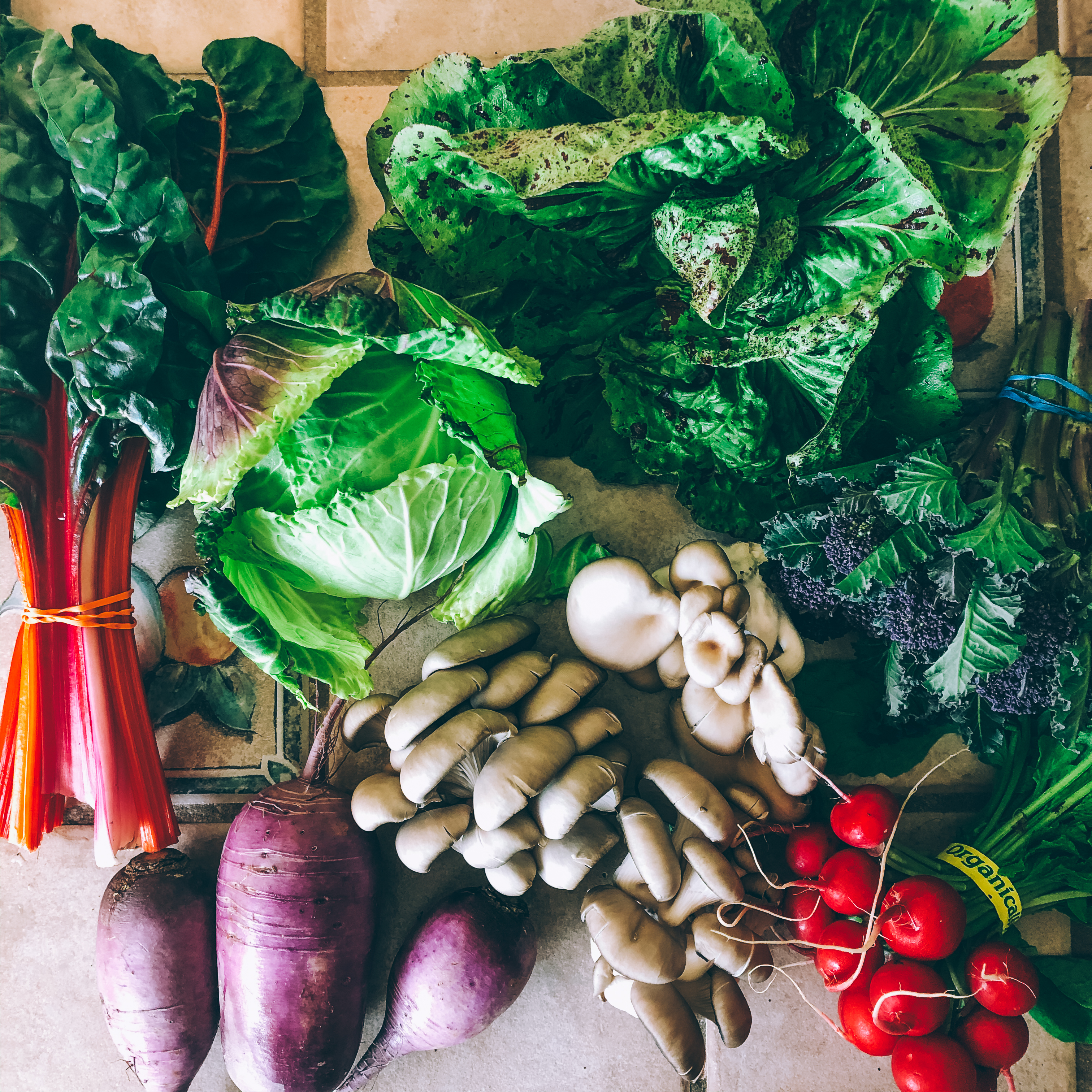
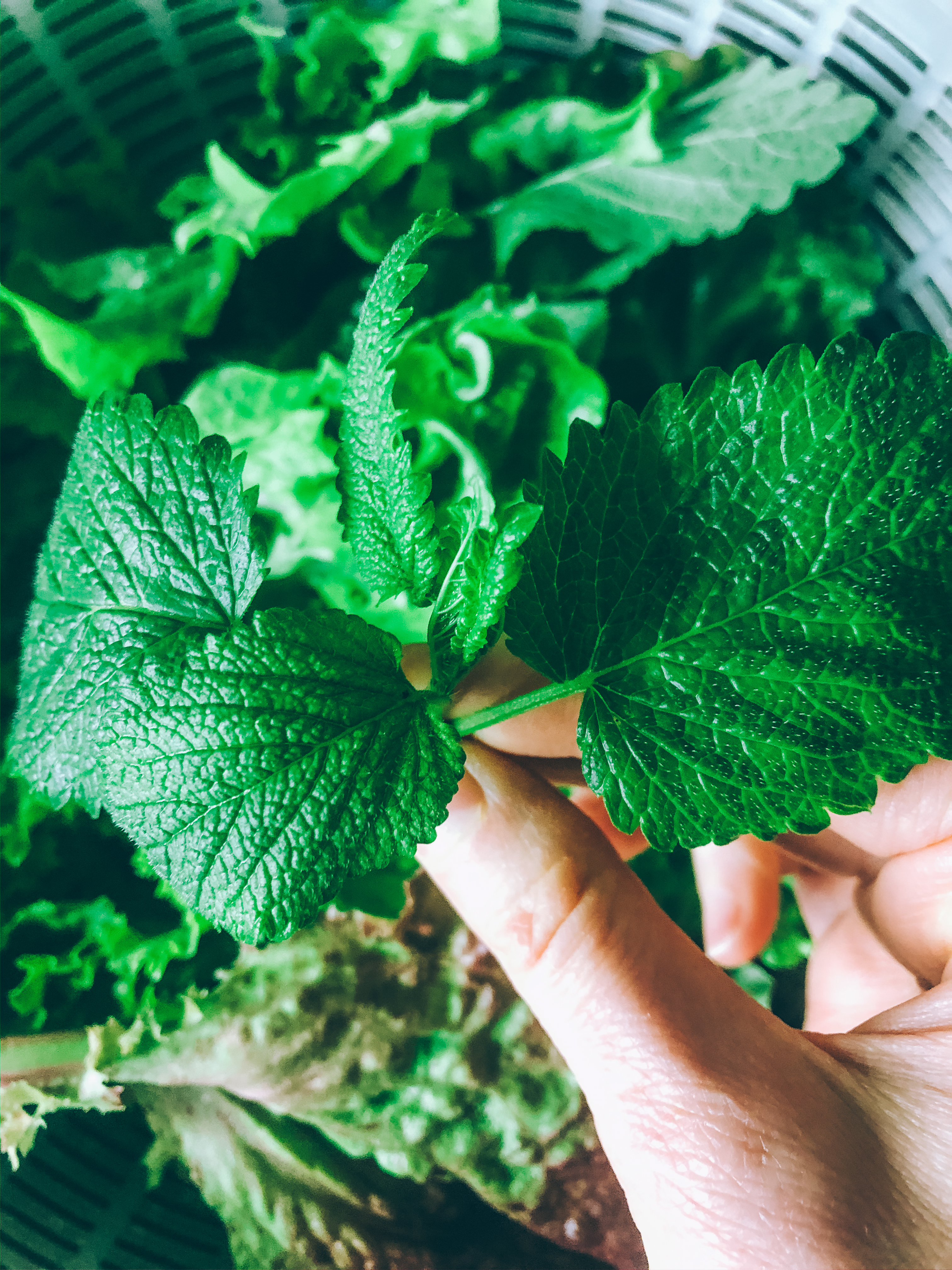
    What grows in spring? GREENS! Early spring greens tend to be bitter, pungent and cleansing. They’re perfectly designed to balance us after a winter of heartier fare.
  3. Sip on warm beverages rather than cold water and drinks.
    For many individuals with compromised digestion, this tip will always be true, but spring is a time of year when this is true for everyone.
  4. Sip on dandelion and/or burdock tea.
    These are bitter, detoxifying roots, and are nearly always included in any herbal “detox” formula. They support healthy liver function and help the body get rid of unwanted waste products and excess moisture.
  5. Try to eat three meals each day with little snacking.
    Or if you’re quite active, four balanced meals with no snacking in between. Giving the digestive system time to rest by about 3.5-6 hours after each meal really supports its ability to fully digest the last meal before the body has to begin digestion again.
  6. Get Moving!
    Getting your heart rate and circulation up and breaking a sweat regularly is an excellent way to promote optimal detoxification – of environmental toxins and pollens, of hormones, of inflammatory substances from foods. Moving promotes lymph flow, which when stagnated leads to congestion, mucous, retaining water, and sluggish digestion.
    If you’re already active, and perhaps training for a spring race, make sure you balance some of that heavier training with slower movement, and gentle yoga or daily self-massage that can gently move out some of the extra inflammation that can accumulate during this season.
  7. Up your spices!
    In the springtime, spices help the body to warm up and remove mucus. They also promote optimal digestion, and help to digest more difficult foods such as beans and legumes.

Broccoli Olive Sourdough Pizza – emphasis on the broccoli topping!

The Why: Energetics of Early Spring

First, look at the energetics of the season, or the energetics of the weather outside today. Energetics means the quality that is present in the environment, your body, or the ingredient, and the effect it has. The most basic energetics to work with are hot, cold, (and thus heating or cooling), and wet, dry (and thus (moistening/dampening, or drying).

In most places in the northern hemisphere, late winter and early spring tends to be cool or cold, and wet or damp. When we’re using a food as medicine approach, we do so by eating in a way that has the opposite quality of the body or of the seasonal environment that we’re a part of – eating in this opposite approach then provides balance for the body to be at, or return to equilibrium, where health occurs.

So in the cool, damp weeks of early spring, we want to eat meals that are warm and perhaps slightly drying in nature. One of the easiest ways to work with this component is by eating all meals cooked, and adding in more spices as we’re preparing foods. In terms of spices, nearly every common cooking spice will be drying in effect. Many of them will also be warming, and some will be more warming, or just plain hot, than others –like garlic, chilies, onion, and ginger.  

Energetics of Your Body

Now take a look at what’s going on in your body. Do you tend towards having symptoms of spring allergies, mucus, a wet phlegmy cough, swelling of the lower legs, retaining water, lack of appetite, or sluggish digestion where you eat and feel full for hours, like food is heavy and just sitting in your belly? This means you can use more warm and drying foods and spices! 

Key spices to incorporate into meals in late winter and early spring season include black pepper, cinnamon, ginger, cloves, nutmeg, horseradish, cayenne and chili in small amounts, garlic in small amounts, fenugreek, mustard seed, cumin, turmeric, ajwain, rosemary, thyme, sage, and oregano.

Putting Them Together: Cook with Three Spices


One of the best ways to start spicing your foods without it becoming an overwhelming task is to choose three spices to use in each meal. For breakfast, if you’re having something warm and porridge-like, such as oatmeal, incorporating a trio of spices in the total amount of ¼ – ⅜ teaspoon is just about right.

A couple combinations to start with include:
⅛ teaspoon each of ginger, cinnamon, and nutmeg
⅛ teaspoon each of ginger, anise seed, and cardamom
⅛ teaspoon each of ginger, turmeric, and cinnamon

In midday and evening meals, we can slightly increase the total amount of spices to about ½ – ¾ teaspoon total per person.

Some Spring Spice Combinations include (amounts per serving):
¼ fresh garlic clove, ¼ teaspoon each of rosemary, and oregano
¼ teaspoon each of cumin, mustard seed, turmeric
¼ teaspoon each of fenugreek, sage, and rosemary
¼ teaspoon each of fresh ginger, turmeric, and a pinch of black pepper

If you’re using other people’s recipes to cook with, adjust the spicing according to what you’ve learned above, particularly about your body. Most modern recipes over-rely on heating spices and condiments. 

An example is a recipe with several cloves of garlic, chilies, several tablespoons of fresh ginger, tamari, soy sauce, or miso, all in one. This is a recipe that’s probably going to burn us up internally, even if you and the season is running cold! You can tame the recipe and spice level by slowly reducing the amounts of each spice, or switching an ingredient out for one that has a milder effect of the same quality, such as using a pinch of black pepper instead of a ½ teaspoon of cayenne, or using 1-2 teaspoons of finely grated fresh ginger in a recipe that calls for 3-inches of the fresh root.

Signs of Balance and Imbalance

Ultimately, the goal is to feel good in your body and mind in each season. 

During this time of year, signs of balance include slowing down more than other times of year to rest more, having steady energy throughout the daylight hours, maintaining a healthy immune system and response, and eating to nourish yourself with no signs of impaired digestion.

Signs of imbalance include over committing, feeling depleted throughout the day, stagnation (mentally or physically), depression, mucus in the respiratory system, overeating  (especially high sugar, extremely rich, or cold foods), and having heavy, sluggish digestion with reduced or no appetite.

Making Beans More Digestible – And the Fiber Connection

When it comes to digesting beans and legumes, complaints about not being able to digest them, or suffering with a painful balloon belly is a common concern. 

One of the common reasons for this has to do with your gut microbiome — all those microorganisms that live in the GI tract.

Your digestive system is home to trillions of beneficial bacteria that ideally live in a symbiotic relationship with you. This means you and they both benefit from them being there. Just like you, the microbes need to eat to live and grow, so they obtain nourishment from the food you eat. In the case of beneficial bacteria, they feed on the undigested part of the food, (fiber,) that is passing through your large intestine by fermenting it into short chain fatty acids such as Butyrate. And beans and legumes are rich in fiber. 

When we introduce any food that we haven’t routinely been eating into our diet, what often occurs is a readjustment period at the microbiome level. Think of it like the first day of a new job or school year. There’s going to be some shakeup to the internal routine and homeostasis. This means there might be more uncomfortable symptoms before optimal digestion occurs because the type of bacteria that eat the food you’re eating is growing its population, while die off of the type that no longer has a food source is also happening. 

But if we can make that transition smoother and get to the optimal digestion that occurs when we can tolerate eating beans and other fiber-rich foods, we’re setting ourselves up for increased intestinal health. This is because short chain fatty acids, produced by those beneficial bacteria in the intestine, play an important role in the maintenance of the intestinal barrier. 

Whereas we don’t want an overgrowth of bad bacteria, having ample and diverse beneficial bacteria is a hallmark for optimal health. Low beneficial bacteria can impact your protective mucus lining in the intestinal tract, which supports up to 80% of our immunity. The commonly used phrase “leaky gut” comes into play here when the interplay between a low fiber diet, low beneficial bacteria count, and difficult to digest macromolecules poke holes in the cheesecloth-like fragility of the intestinal lining and then opens the way for the immune system to do its job –in overdrive – resulting in sensitivities, intolerances, and allergies to many foods that are in your normal routine. 

Tips for Increasing Digestibility of Beans and Legumes

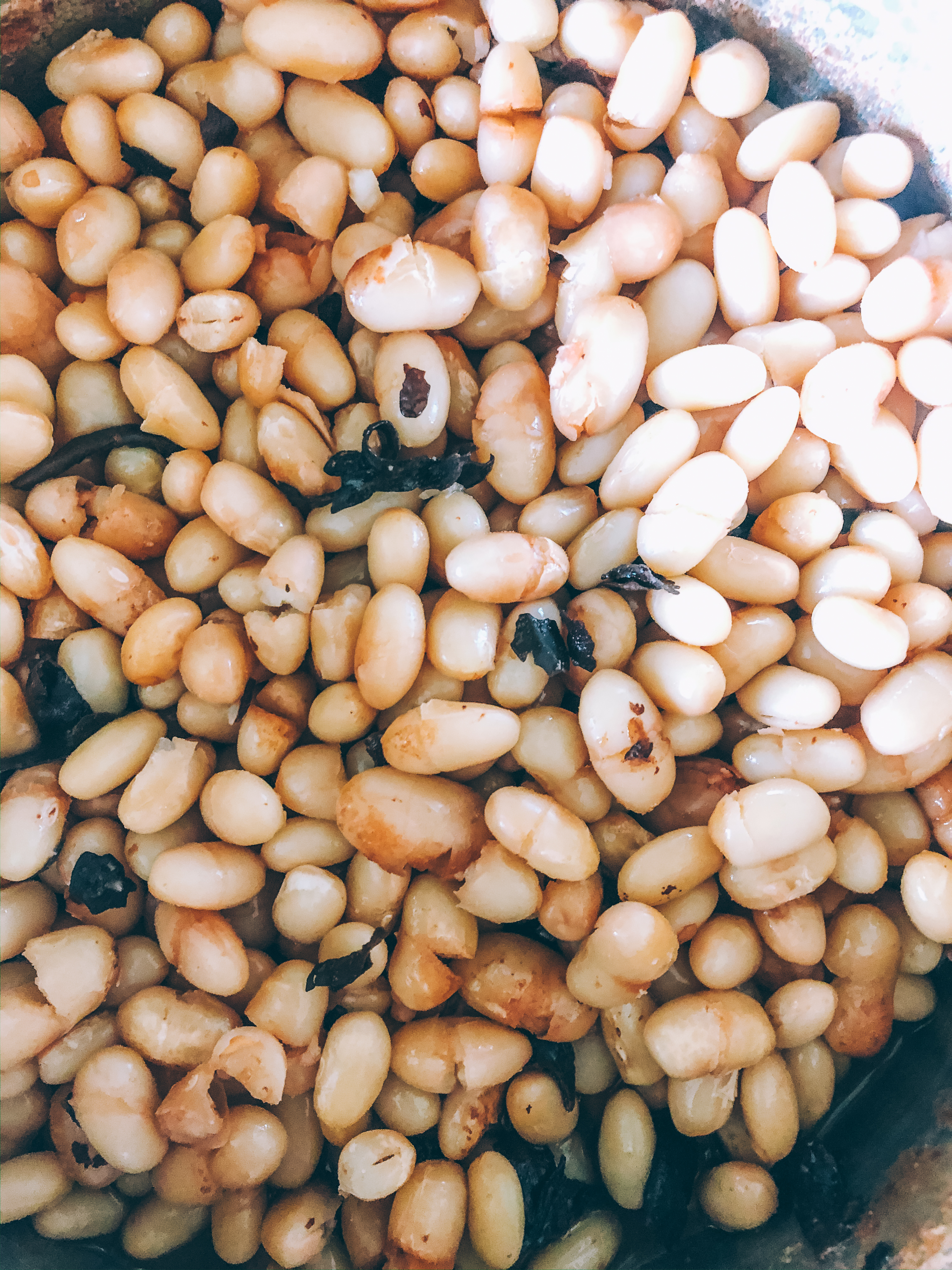
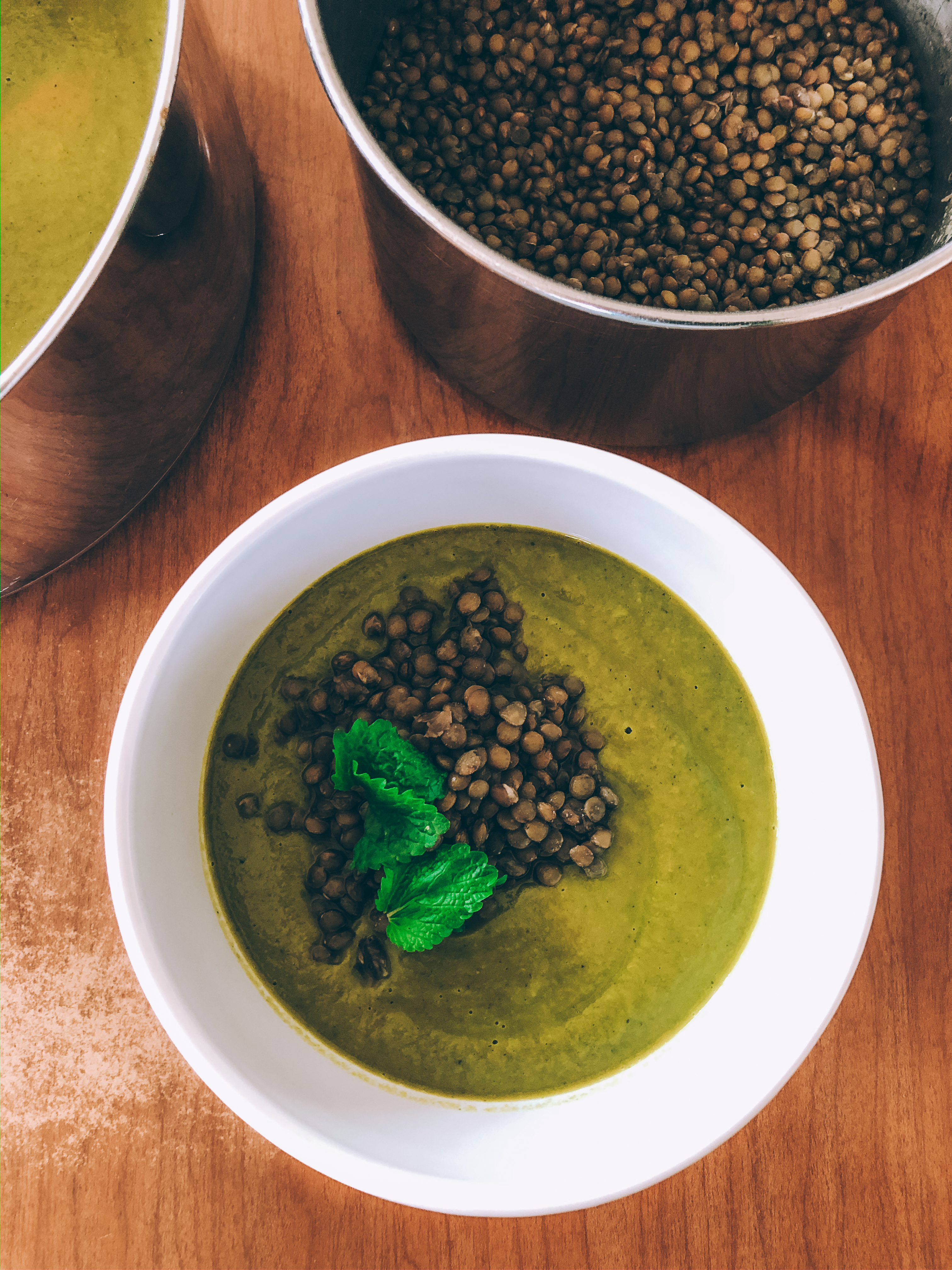
If you struggle with tolerating beans and legumes, first try out the smallest, quick-cook split mung beans, red lentils, and whole green mung beans. They are easiest to digest. The larger beans are more drying in nature, and tougher for the body to break down. Red lentils and split mung beans break down and cook quickly in 20-30 minutes, and they don’t usually need soaking or planning ahead. However, if you are already having tummy troubles, soaking is a good idea. 

Below are a few more tips to help make lentils and beans more digestible:

– Introduce beans and lentils into your diet slowly. Because beans are rich in fiber and will take a few days or couple weeks to repopulate the type of bacteria in your gut that will break them down and digest them, introduce them in small amounts. If you’re particularly sensitive, start with 1-2 tablespoons per meal, and work up from there to a standard ½ – ¾ cup serving.

– Soak and rinse in a big bowl of water, overnight or for 1-6 hours, depending on the type of legume. For large beans, you’ll need an overnight soak. For smaller beans such as adzuki and mung beans, a six hour soak will do. And for lentils and split mung, a soak of an hour is sufficient. Discard the soaking water before using in your recipe.

– If there is foam that rises to the top of the pot while cooking, skim it off. The foam contains a type of protein that is hard on your digestive system. When in nutrition school, my cooking instructor Eleonora constantly repeated, ‘skim your beans’ so often that I hear her voice every time I see foam! 

– Make sure the lentils – or other beans – are cooked thoroughly. This means they are soft, not al dente. One of the biggest challenges with digesting canned canned beans is that most of them are not actually cooked as well as they should be for proper digestion. Cooking until the lentils or beans begin to break apart, or in the case of red lentils and split mung, turn into mush completely, is the best way to know they’re done.

– Add spices! Carminative spices, meaning they boost the digestive capacity, makes meals more digestible. This is why a big soup pot with beans and meat often contains a bay leaf. Other carminative spices include ginger, cumin, coriander, fennel seed, thyme, rosemary, oregano, basil, allspice, black pepper, cardamom, cloves, and more. Virtually every cuisine of the world is ripe with carminatives in the traditional recipes for the exact purpose of not only adding flavor, but also boosting digestion!

– Add a squeeze of lemon, lime juice, or vinegar. Ideally every meal contains a slightly sour flavor addition, since sour helps to activate digestive enzymes. Most meals don’t need to taste outright sour, however. A little addition at the end of cooking goes a long way and often balances the recipe that’s missing ‘just a little something.’

– Eat your foods warm. If you think of an ideal digestive scenario as a nice little cozy fire in the digestive system, eating cold foods is like throwing cold water on it. Not so great for turning food into nutrients and energy! 

– Reduce stimulus during mealtime. Eating while multitasking with your phone, computer, while reading or watching a video, and eating in a loud, overstimulated environment or while upset or anxious is a recipe for continued GI problems. Our gut and brain are incredibly closely linked. We can go a long way to improve tolerance to the foods we eat just by eating slowly, chewing each bite upwards of 30 times (yes, really!), and not doing anything else while eating, other than eating. If you try these tips, you might also find you enjoy your food more, which is always an added bonus.

Signs of Balance and Imbalance

Ultimately, the goal is to feel good in your body and mind. Signs of imbalance include lack of appetite, bloating or gas, pain or cramps, chronic fatigue, sluggish or rapid digestion, extreme Appetite, bodily aches, skin irritations, itching and rashes, brain fog, and irritability. 

Reach Out 

If you’re ready for more individualized nutritional guidance, I invite you to reach out to me for more personalized support on digestion, sports nutrition, or both. 

Simple Non-Dairy Hemp Seed Milk

Spurred on by the realization that I was contributing a lot of plastic to the landfill since they were no longer recyclable, I stopped buying cartons of non-dairy milk a couple years ago. When I stopped, I didn’t like the waste or the time it took to soak, blend, and filter nuts to make traditional homemade nut milk. So I began using raw nut butters, such as cashew, to make an easy DIY nut milk in a quick minute.

But in the last few months, I suddenly remembered another option that is arguably even easier and more accessible.

Hemp seeds!

Hemp seeds as a food product are often overlooked in the nut and seed category. But what they’ve got going for them is that they are highly digestible, especially compared to most other nuts and seeds. And they contain a truly optimal fatty acid profile, with a 3:1 ratio of omega 6 to omega 3 fatty acids (1). 

It’s important for us to eat a variety of fatty acid types from foods, but when it comes to the polyunsaturated fats which contain omega-6s and omega-3s, our modern diets tend to be less diverse and mainly have an abundance of omega-6s. 

The omega 6 fats are found in large amounts in soy, corn, safflower, sunflower and peanut oils, as well as sesame, sunflower, and pumpkin seeds, and nearly all nuts. 

In whole food form, omega 6 containing fats are healthy and essential, but need to be balanced with omega-3 fats such as freshly ground flax, chia, walnuts, hemp, and if you eat fish, wild caught cold-water fish such as salmon, halibut, anchovies, cod, and sardines. The ratio of omega 6 to omega 3’s should be under 5:1 to be considered anti-inflammatory and for most individuals, this ratio is at least 20:1 or more in the daily diet.  

If you have an inflammatory condition such as a chronic gut health imbalance, autoimmune conditions, arthritis of any type, and/or you are an otherwise healthy athlete looking to improve recovery between workouts, eating an optimal balance of omega 3s and 6s can be incredibly helpful.

Adding hemp seeds, and this simple hemp milk, can be another way to do this.

One other note about hemp seeds: try not to boil the hemp milk or the seeds – since they contain more heat-sensitive omega 3s, the oils will break down and oxidize – becoming inflammatory – at higher than medium heat. 

Simple Non-Dairy Hemp Seed Milk
Prep:  5 minutes   | Makes: 4 cups

3 Tbs. hemp seeds
4 cups water, divided

  1.  Combine hemp seeds and 2 cups of water in a high-speed blender until smooth, about 1 minute. Then add in the remaining 2 cups of water and gently blend for a few seconds more. Pour into a quart jar with a lid and store in the fridge until ready to use.

NOTES: For a slightly richer milk, you can bump up the hemp seeds to use ¼ cup instead of 3 tablespoons.
If you have an extra large blender, add all 4 cups of liquid and blend, rather than separate them. I have a smaller blender and prefer to give it a smaller ratio of seed to liquid to blend well.

Other Recipes that Feature Hemp Seeds:

References:
1. Da Porto, C., Decorti, D., and Tubaro, F. (2011). Fatty acid composition and oxidation stability of hemp (Cannabis sativa L.) seed oil extracted by supercritical carbon dioxide. Industrial Crops and Products, 36(1), 401–404. https://doi.org/10.1016/j.indcrop.2011.09.015