Sourdough Pizza! {gluten + dairy-free}

img_8102.jpg

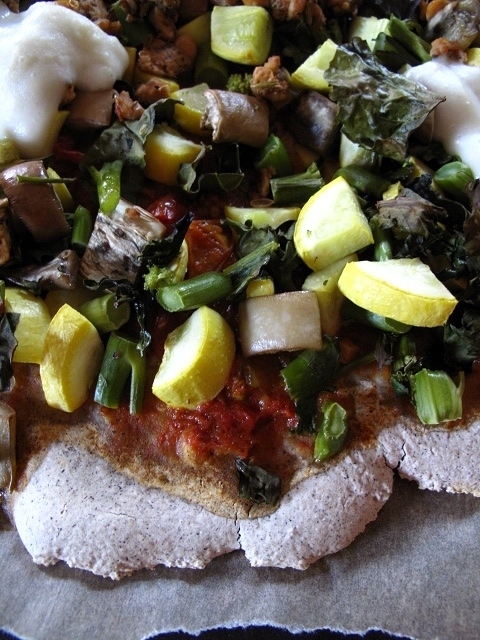
Every summer I have a meal that’s on repeat, usually as a way to use what’s coming in fast from the garden or otherwise to appease my cravings. Last summer that was kitchari and a green soup/sourdough pairing, the summer before that was zucchini noodles and pesto, and this summer it is this sourdough pizza with roasted vegetables. I’ve been making this pizza on the weekly for months and am not about to grow tired of it.
IMG_2756.JPGIMG_2759

If you’ve ever tried gluten-free pizza out on the town, you’ll likely know the experience is regularly disappointing and the ingredient list is fairly terrible. I’ve almost entirely given it up, especially too since there are very few establishments where cross-contamination is not a huge issue. (I once worked in a bakery. When working with flours, gluten is everywhere.) What I like about this recipe is that it’s super easy, takes only minimal planning ahead, is truly bready and delicious, allows me to feed my sourdough starter regularly without making way more bread than I can eat or throwing it out, and the sourdough fermentation allows for better mineral and vitamin absorption from the flours, leading to overall happier digestion and long-term health.

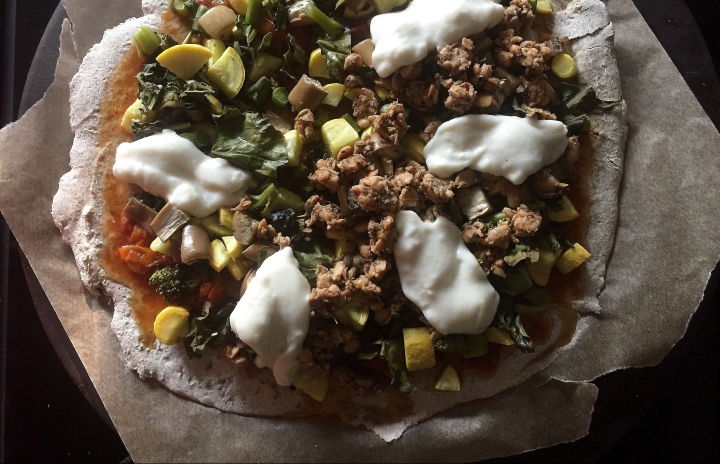
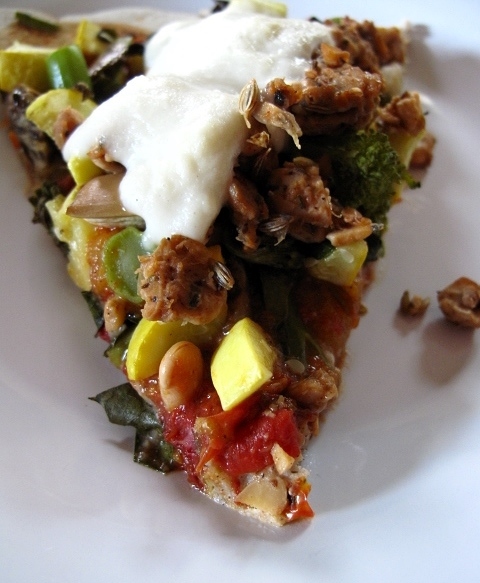
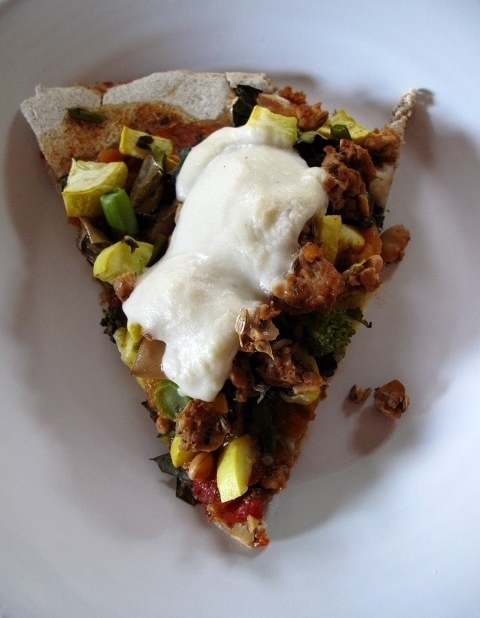
Prior to a few years ago, pizza was my long-time favorite food, and still is William’s, and this crust satisfies his discerning pizza palate enough that it actually qualifies as pizza, whereas most gluten and dairy free versions do not. Our favorite way to top this lately, in addition to the roasted vegetables and our house red sauce, is to slide a fried egg on top, but I deviated here and listed my topping ideas and recipes below.
IMG_2763

IMG_2761

Sourdough Pizza Crust {gf + vegan}, makes 1 medium pizza, enough for about 3 people
This is adapted from King Arthur Flour’s sourdough recipe, which uses wheat flour. If you’re not gluten-free, the recipe should still work in the same quantities by swapping out the flour types. 

120g sourdough starter (50:50 buckwheat flour:water)
100 g hot tap water
150 g all-purpose gluten free flour
½ teaspoon sea salt
¼ tsp. yeast

  • If any liquid has collected on top of your refrigerated starter, stir it back in. Spoon 120 grams starter into a mixing bowl. Note: Then feed the remainder of your starter.
  • Add the hot water, flour, salt, and yeast. Mix to combine. It will at first be fairly wet. Cover the bowl and allow to rise until it’s just about doubled in size. This will take about 2 to 4 hours. The time it takes to rise depends on when you last fed the starter; a starter that’s been fed rather recently will react to the addition of flour and water more quickly than one that’s been neglected for a while. For a faster rise, place the dough somewhere warm (or increase the yeast). To slow it down, put it somewhere cool.
  • When the dough is risen, but still fairly wet, pour it out onto a pizza stone or pan and shape it into a flattened disk. Sprinkle the dough with a small amount of flour and then with a rolling pin that also has been lightly floured, gently roll the dough towards the edge of the pan; when it starts to shrink back, let it rest again, for about 15 minutes. Finish pressing the dough to the edges of the pan. Cover the pan, and let the dough rise until it’s as thick as you like, or, if you’re impatient, beginning topping as it is.
  • Towards the end of the rising time, preheat your oven to 450°F.
  • Turn the edges of the dough over to give it a traditional crust, or if you forget as I did above, it will still turn out just great.
  • Top with your preferred sauce and toppings, and bake for 15-16 minutes, or until the toppings are as done as you like, and the bottom is cooked through.

My current favorite toppings:
Our house pizza/tomato sauce
Sophie’s Cashew Mozzarella
Tempeh Sausage
Seasonal Roasted Vegetables
A fried egg for each serving
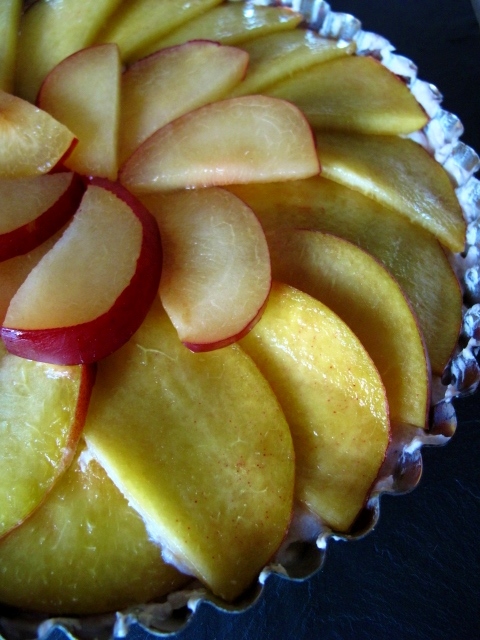
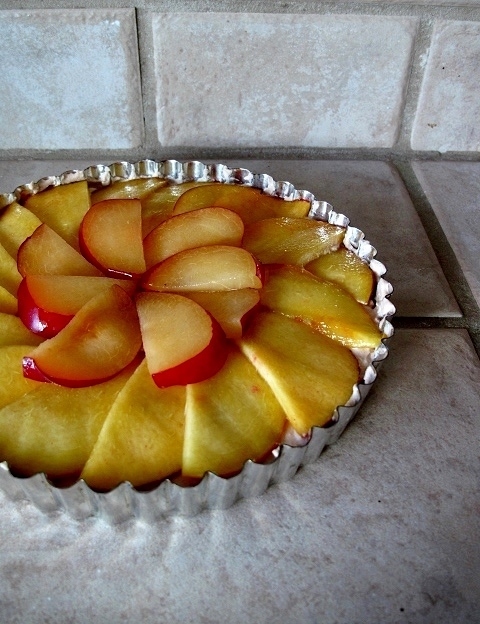
Peach + Pluot Tart with Lemon Coconut Cream

IMG_2715


Friday evening and William and I took each other to the county fair. He stood in line for a corndog, a really good one, he said, and then we headed away from all the noise to the barns, ambling through each aisle one by one, comparing the chickens to ours, wondering at whether the tagline saying aggressive! scrawled under the price for a $40 bunny was a comment about the price, the animal’s temperament, or some other reason I already forget. Then we went to the hog barn, the sheep, and then the cattle. I beelined us towards the champion animals, commenting about how when I was in high school a dozen or more years ago, the genetics were just leaning towards better in the sheep division, and now the champion lambs are packed, their muscles rippling with every move.


IMG_2699


After it all we headed a couple blocks over to Friendly’s, a neighborhood natural foods store. We bought small pots of expensive delicious ice cream, brought it back home, and sat in the near-dark on the couch, eating little spoonfuls slowly. When I scraped the last bit from my dish and nearly got up for more, William stopped me, saying no just wait a moment and you’ll realize you’re done. 

And I did.
And I did.

It was a fabulous and simple evening after a long week with more weekend work ahead. It was lovely to just set everything else down for a few hours and be present, enjoying summer, enjoying the magic, realizing the hunger we’re hungry for can be fed in small doses of treats and much larger heaps of time with a loved one and their caring hand and arm around the shoulders, their well-intended suggestions, and in taking the time to share snippets of a long-ago passion at the county fair.


IMG_2691

IMG_2681


The Recipe Redux asked for stone fruit this month. Even though I’ve been eating the various fruits daily, working apricots or plums into morning oatmeal, having a handful of cherries with afternoon snack, or gliding thin slices into whatever savory is up for dinner, this time of year calls for a treat, with stone fruits at their best.

This raw, barely sweet lemon and coconut cream tart is a real favorite, but one I often forget about. It’s one to make for a dinner party or a sunday feast. Or maybe, just because it’s summer and our weary selves need a little wholesome decadent goodness.


IMG_2720


Peach + Pluot Tart with Lemon Coconut Cream, adapted from my blackberry version
There are a few options here. The fruit can of course be changed up depending on preference, but the choice of nuts and sweetener can too. I used a mix of hazel and walnuts, the almond meal, and then used lucuma powder to sweeten. Lucuma is a Peruvian fruit that has a slightly mapley caramel flavor and the powder can be used as a natural sweetener. I had a nearly expired packet in the back of the pantry and put it to good use here, but the alternative of using about half the amount of regular or powdered sugar works well too and honestly isn’t added in enough quantity to do much harm.

5 medjool dates / 45 g, pitted and briefly soaked
1/2 cup / 50 g nuts of choice, toasted
1/2 cup / 50 g almond meal
1/2 tsp. cinnamon
pinch of salt
1 15 oz. / 400 mL can full-fat coconut milk, chilled
2-4 Tbs. lucuma or sugar
zest from 1/2 a lemon
1 tsp. vanilla extract
1-2 peaches and pluots
lemon juice

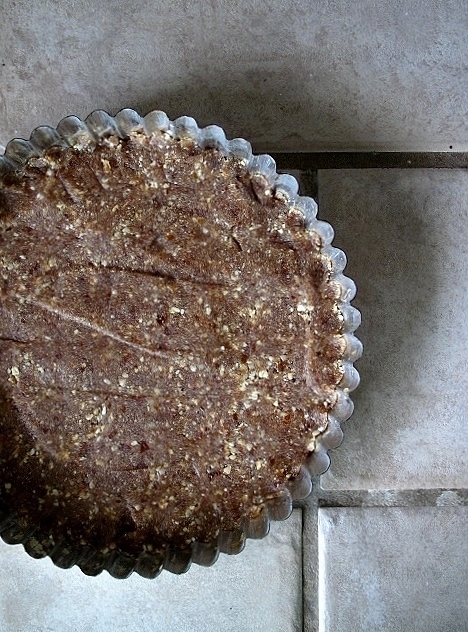
  • In a food processor, combine dates, nuts, cinnamon, and salt.  Puree until finely chopped and the mixture sticks together when pinched with your fingers.  Turn out into a 7-8 in tart pan.
  • Open the chilled coconut milk and without stirring, spoon out the cream layer into a medium bowl. Reserve the watery milk in the bottom of the can for another use.
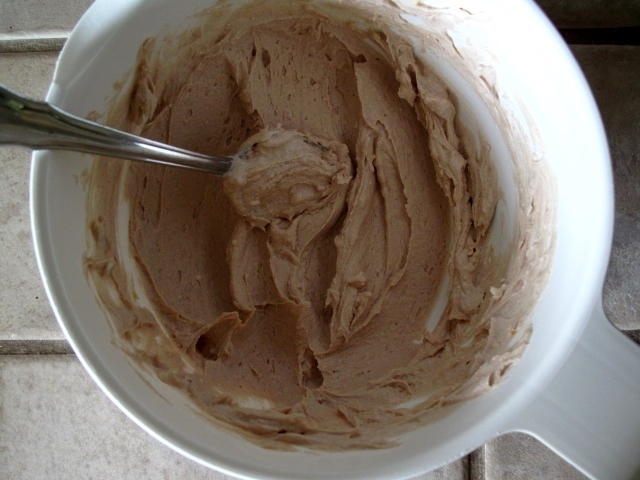
  • Whip the coconut cream along with the lucuma, lemon zest, and vanilla.  Spoon and smooth atop the nut layer.
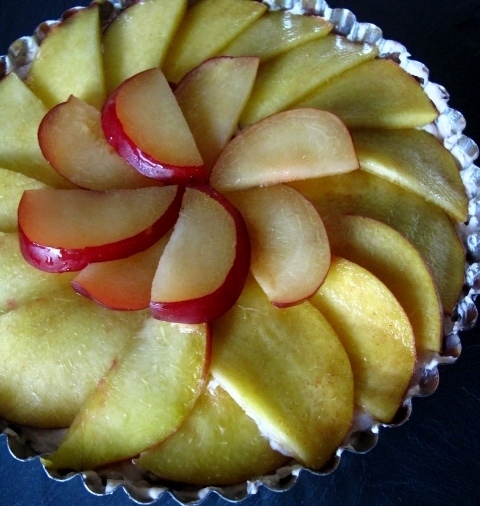
  • Thinly slice the peaches and pluots and layer around the top of the coconut filling, in circles, as desired. To preserve the color, brush a little lemon juice across the fruit layer, and then lightly cover and set the tart in the fridge to chill for at least 2 hours.

recipe-redux-linky-logo

strawberry cardamom lassi

IMG_2550


The dining room in our house is in a large room off the kitchen with taller, exposed beam ceilings in what is the converted garage.  Being on the south side of the house, all the plants grow prolifically here and this time of year, that combined with the shrubs and trees outside make the room private and my own personal plant sanctuary. In this room being surrounded by soothing, green life, I can palpably feel all my routinely wound up nerves and muscles relax.

With each passing term in my nutrition program, the interlink between stress and dis-ease comes up. In this last week, like so many others, my digestive health professor discussed a recommendation for a client with many digestive imbalances to take at least an hour of complete downtime twice each day, during daylight. With something like every other post here relating to my own stress in some way, I guess you can say each term, these sorts of recommendations hit home.

Beyond plants or downtime, technology breaks and soothing music, there’s a lot to do with food and nutrition that can reset our symptoms (whether physical or mental), since so much of the body’s mood-regulating transmitters like serotonin are manufactured and reside in our gut. The Recipe Redux theme this month calls for Probiotic Cocktails and Gut-Health Mocktails since they’re apparently popping up on trendy drink menus. I’m not particularly up on or following trends at this point in my life, but I do appreciate that I can request locally brewed kombucha in lieu of alcohol at basically every drinking establishment here in Eugene, and drinking that instead of alcohol helps me feel a lot better afterwards since the over-stimulation of going out, eating perhaps a little too much, and socializing for hours can definitely distress my system, even before sugary and alcoholic drinks are involved.

And beyond the sometimes necessity and enjoyment of going out to do all the above, often I simply would rather invite friends over for an intimate tea or lassi party in my plant room. I just need slightly cushier chairs and a gauzy curtain transitioning it to the main house and the space will be ready. For sure, I’ve got the gut-health friendly drinks all prepped.


IMG_2557


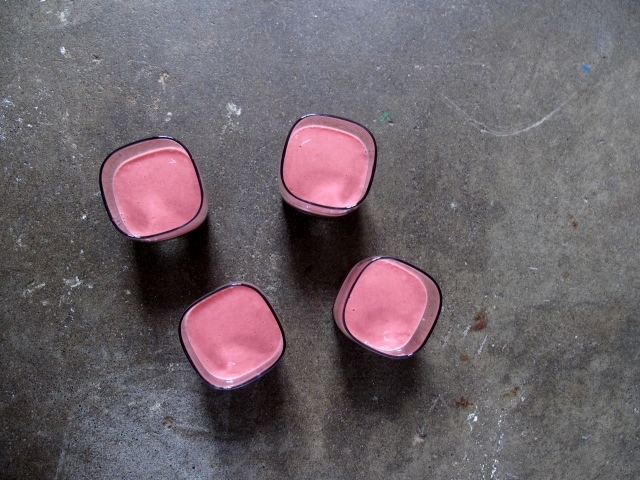
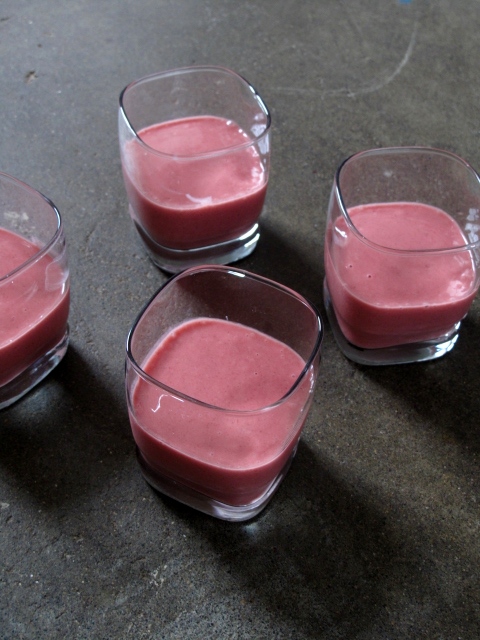
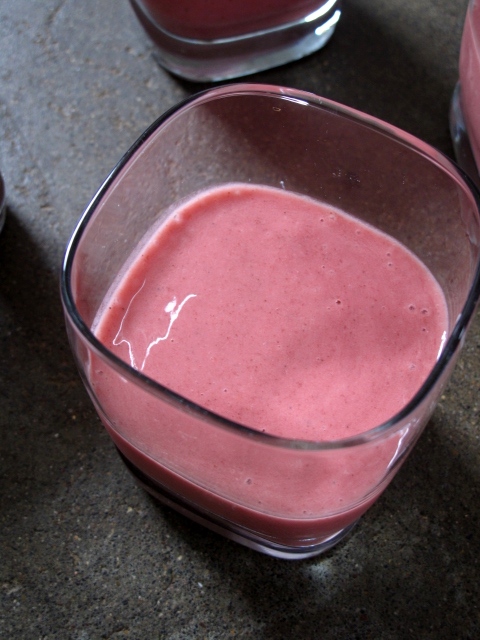
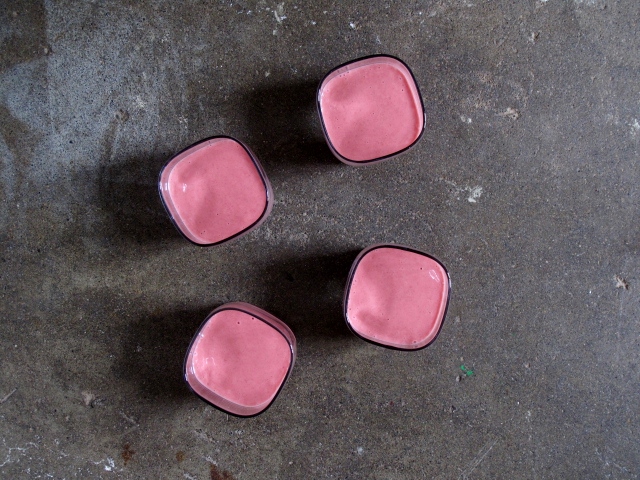
For the occasion, I’ve made strawberry lassi, amped up with hints of cardamom. Lassi is a traditionally Indian drink, and though I can’t say for sure, it’s base of yogurt makes me believe it originated to soothe and balance the digestive system. Beyond yogurt, foods with probiotics — those that contain live beneficial microbes — and prebiotics — those that feed those beneficial microbes, can do so much for our health including enhancing how we utilize nutrients, preventing infections and regulating the immune system, balancing or modulating metabolism,  regulating inflammation, appetite, cravings, mood, and bowel movement, and much, much more. Basically all the things that are off in us in our modern society can be significantly restored by rebalancing and feeding our beneficial gut bacteria.

In this drink, I started with a base of plain, unsweetened coconut yogurt. Cultured non-dairy yogurt is not only a live, fermented food which directly contributes healthy bacteria to our gut ecosystem, but it is also an exceptional alternative to dairy yogurt for those of us that have digestive health complaints, since both dairy’s protein and sugar (lactose) are highly problematic and inflammatory for large populations of individuals. It’s important to start with unsweetened yogurt too, since refined sugar is one of the best foods to enhance all the problematic microbes that also live in our systems.

Then I added cardamom, because it’s been calling my name, and cardamom is a spice that acts in many ways similar to ginger. It is mildly pungent and anti-inflammatory and in addition to adding a lovely taste to these lassi, it can help the digestion wake up, utilize digestive enzymes better, and combat bloat and nausea. Whereas ginger is a very heating spice, cardamom is more cooling for this warmer season we’re transitioning into.

Lastly, chia seeds and honey both contain non-digestible carbohydrates which serve as food for our gut bacteria, i.e. they’re known as pre-biotics. And raw unheated honey, used in small amounts, can be dually beneficial, since it contains over 1 billion colony forming units of 13 unique strains of Lactobacillus and Bifidobacterium species, making it both a probiotic and prebiotic, and containing nearly as many beneficial microbes as commercial yogurt!


IMG_2563


If you’re in the neighborhood and can use a little reprieve in my plant room with a glass of strawberry lassi in hand, let me know. I might just let you in. Or perhaps, I’ve given you food for thought on creating your own gut-healthy drink and sipping sanctuary situation.


IMG_2555


strawberry cardamom lassi
, makes 4 small glasses
1 pint whole strawberries, rinsed and halved
2 cups unsweetened plain coconut yogurt
1/2 tsp. freshly ground cardamom
1 Tbs. chia seeds
2 tsp. honey, use more or less to taste
a good squeeze from about 1/4 of a fresh lime

  • Combine all ingredients in a high speed blender and puree until evenly mixed. Start with a little less honey and add to taste.
  • Pour into glasses and enjoy right away. The longer it sits, the thicker it will get due to the chia, making it a little more spoonable rather than sippable.

recipe-redux-linky-logo