Beet Hummus

IMG_8122


I have a spirit vegetable; one for each season.


In the late summer, it is the blackest purple eggplant, with streaks of white for good measure, like the Prosperosa. Into late autumn and winter, I fall for winter squash, and I sway between the dramatic orange Red Kuri in those early months of the season, and the thin-skinned Delicata as the new year and deep winter approaches. As the soil warms in the early spring and makes for dramatic growth day by day, the sweet, tart, crimson rhubarb calls my name.


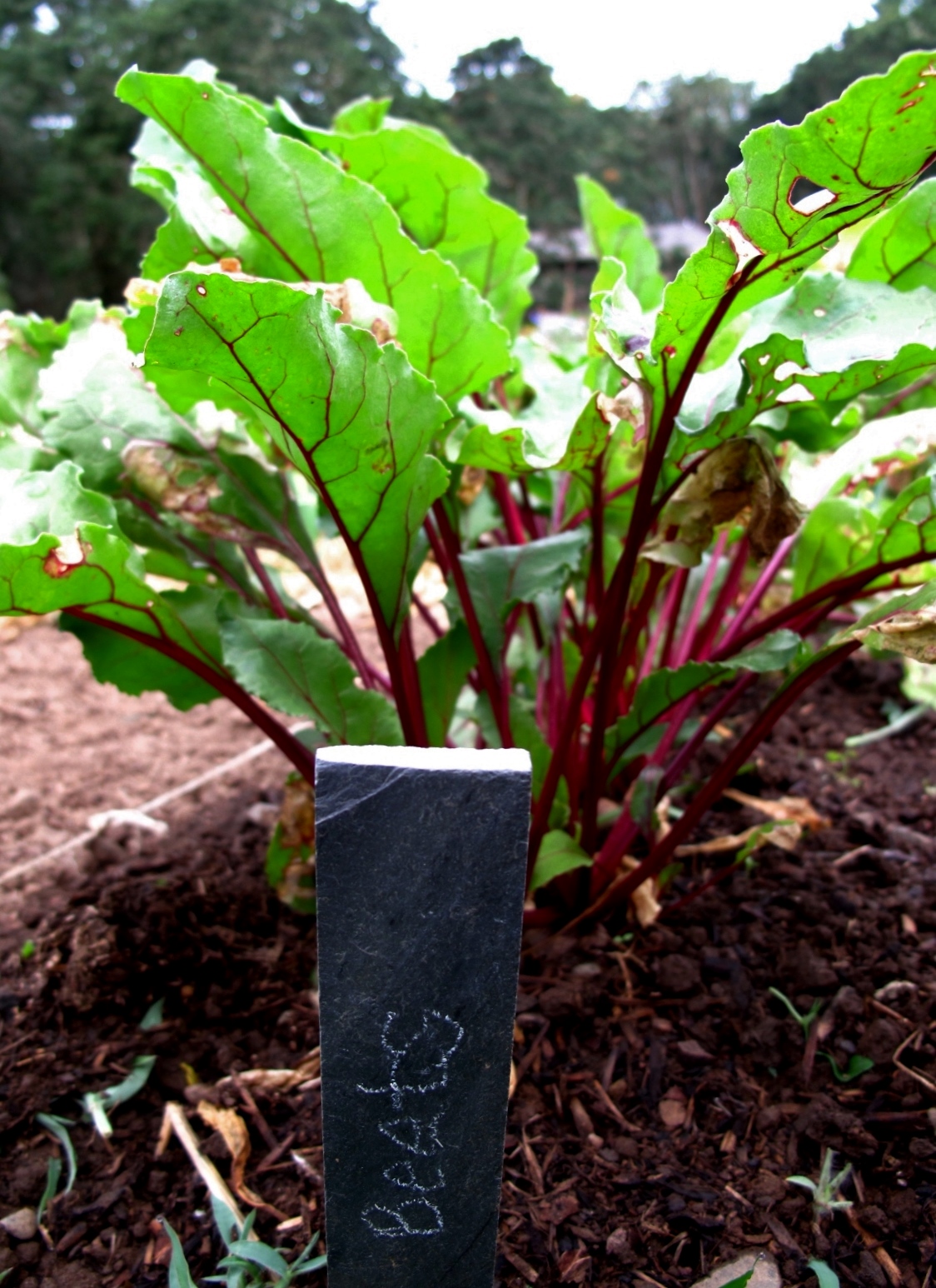
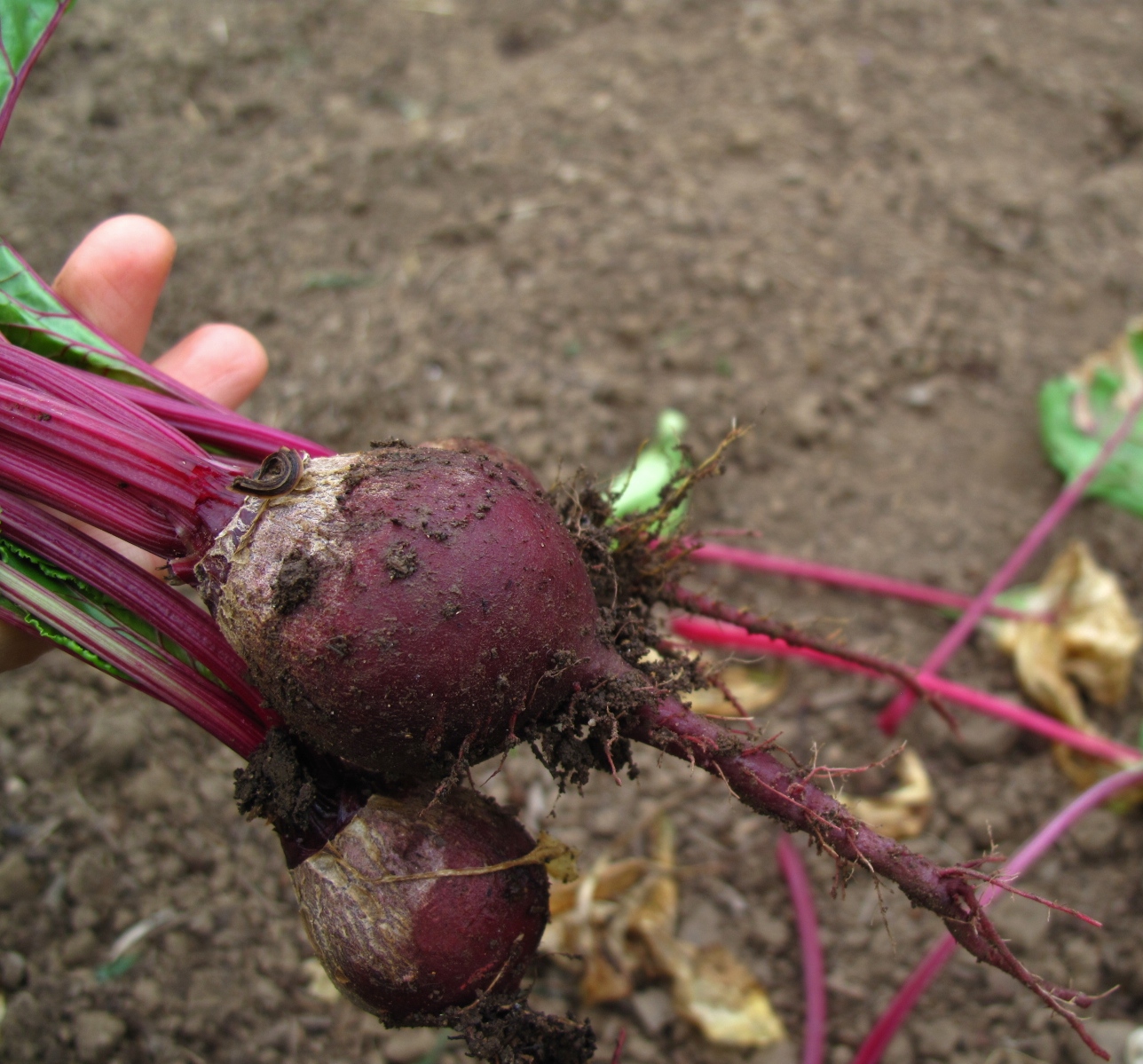
And in the heart of summer, when all the likely candidates wave their yellow-flowered flags before popping fruit upon fruit endlessly, I turn to the other side of the garden and pull the earthy beets from the ground, their soil-covered skins disguising the dramatic color within.
 

IMG_8155


I’ve mentioned this before, but I tend to identify with the harder-to-know vegetables, the ones that sometimes fall victim to knowing only one dish in most kitchens, or worse yet, never appearing. Like me, these vegetables might take a bit more work to understand, as what you see is certainly not what you get; they’re not the kind to be plucked from the vine and gobbled down there in the garden, warm and juicy from the sun.


I don’t revel in the hard-to-approach bits of my personality, nor do I love how I can remain so completely reserved to even my nearest and dearest friends. I don’t love how my first response to the teasing I get, for fun, is one of irritation and sharp-eyed fight-backing, before I slide my sassafras tongue back in, let out a smile, and just go with it.


I bet my spirit vegetables–with their thorny stems, prickly, then poisonous leaves, and dirty bottoms–feel the same way.
 

IMG_8164


Have you ever pulled a stalk of rhubarb from the ground, knocked that highly oxalated leaf off the stem, and sunk your teeth into the celery-like tartness, pure and raw and unadorned from sugar and strawberries? It is pungent; startling even. Have you ever greedily gobbled plain sweet roasted beets straight from their foil oven-packet before realizing you now don’t have enough for the recipe? Or done the exact same with a winter squash, thinking to yourself, this is the most magical candy on all the earth, as you’ve done so?


I don’t often share about my job, but one of my favorite things about it is wandering the garden with my high school students, giddily discovering a new vegetable is ready for harvest, like the spring’s first asparagus, cutting the new shoots from the ground, shoving stalks at them, and saying, try it. And there, with dirt on their hands, mud on their shoes, and weary eyes, they do and they discover a flavor they’ve never experienced before. It is one that you cannot get from a grocery store because it’s only there in that plant a short while before shipping and sitting on a shelf and waiting to be cooked in a fridge drains those flavors away. The students’ initial reluctance for something so green and unlike the usual packaged meals paves way for simple responses like, I’ve never tried asparagus before. I like it! Followed by their sitting in the log circle gnawing down an entire unruly, late-harvested, two-foot stalk.


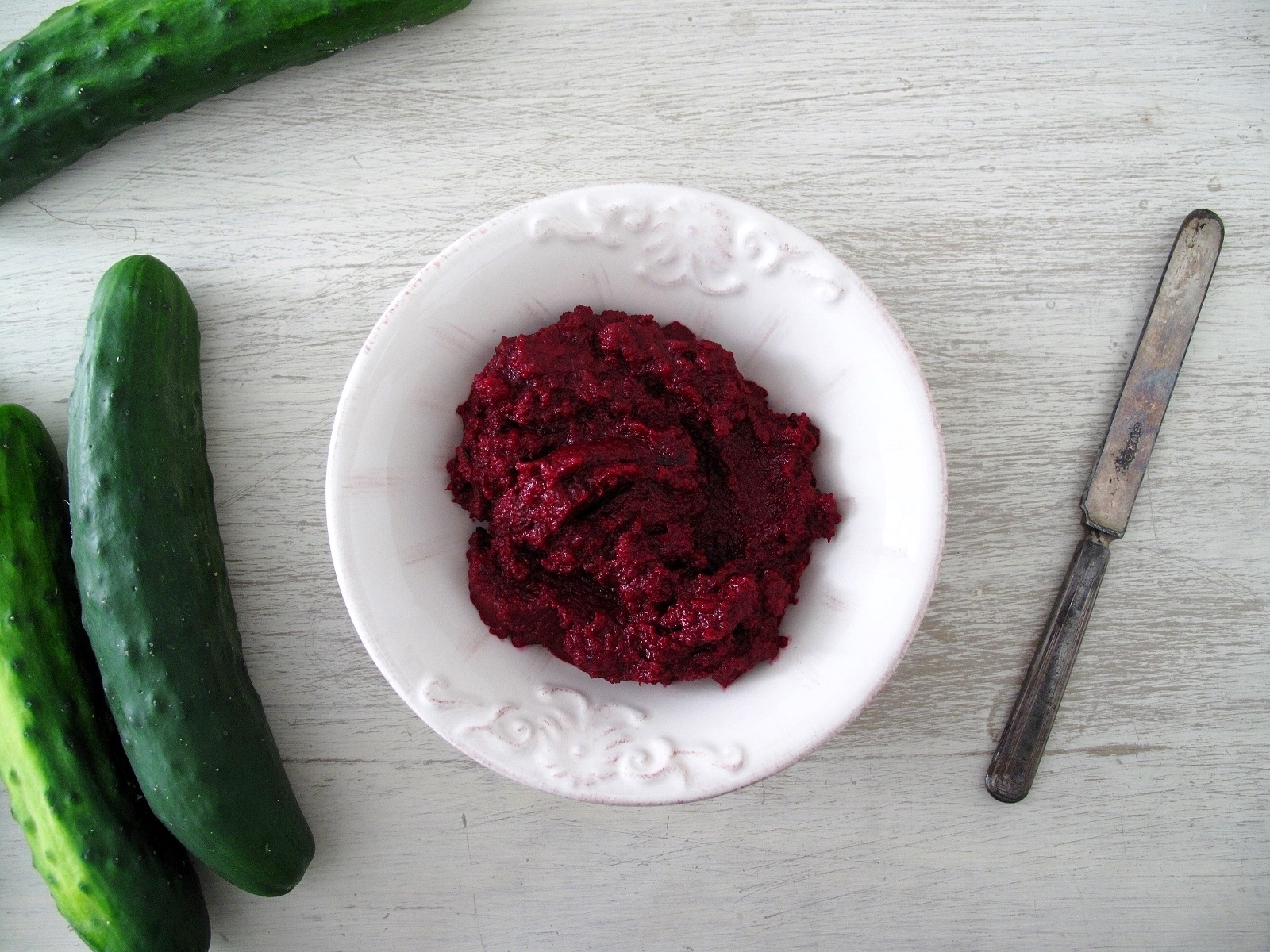
Since it is summer, I spend a good majority of my days outside in one garden or another, whether at work with students, or in my home garden. I tend to eat even more vegetables than usual to keep up with the harvest, and I end most days tired, hot, and ready for a shower the moment I walk in the door. I’ve taken, too, to eating random vegetable-y things at most meals, even rounding out the usual morning porridge with a spontaneous need for beet hummus “spooned” upon whole cucumbers. I harvested six last night and there are at least 10 more coming in the next couple of days–and when cucumbers are as snappy, crisp, and fresh as these ones, they are perfect vegetable dippers for beet hummus.
 

IMG_8114


Though beets can be harvested nearly year-round in these parts, beet hummus is what I love to make in this season to convert the earthy-crimson-root-weary to my summer spirit vegetable. Try it. You’ll like it.
 

IMG_8151


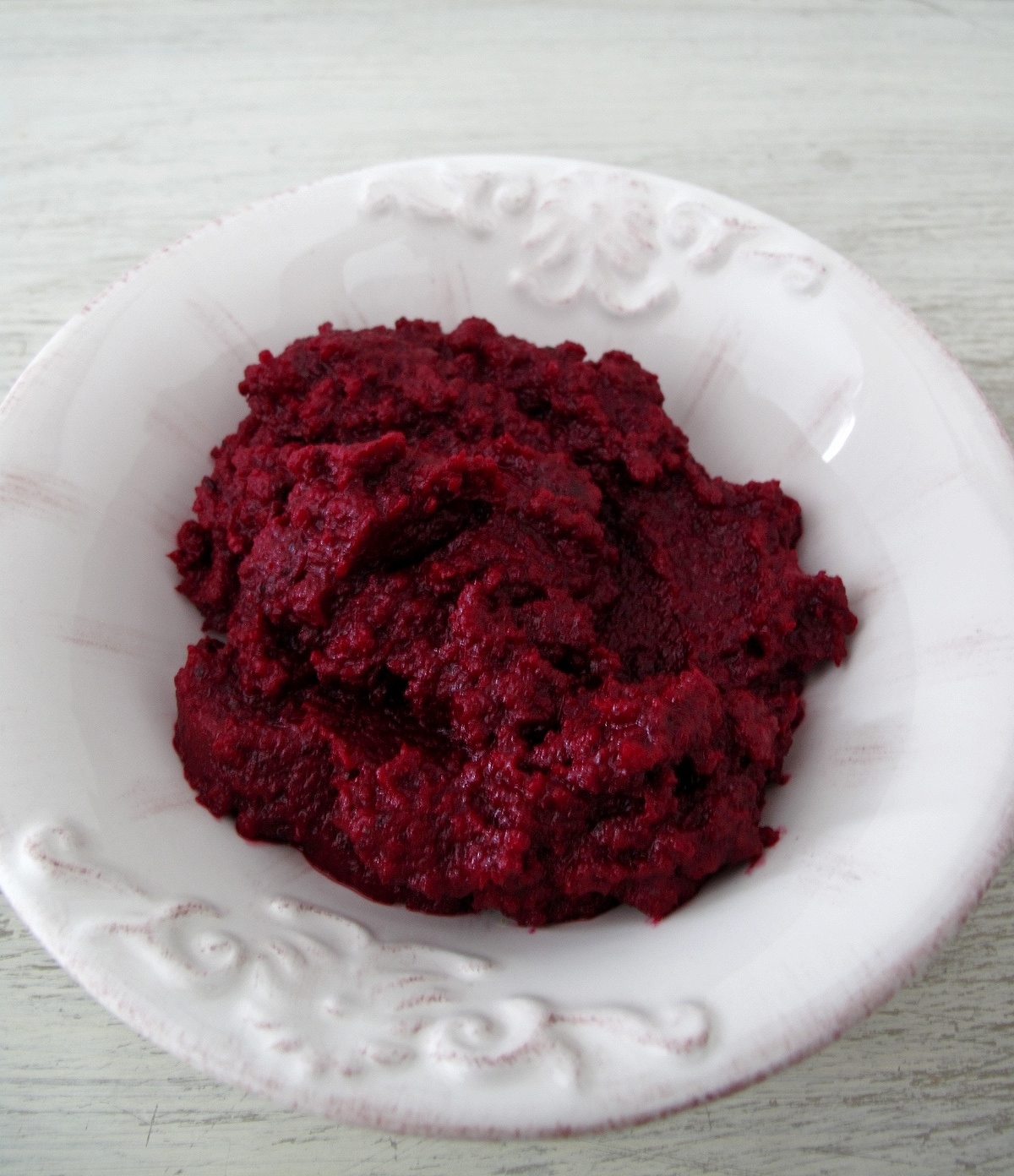
Beet Hummus, adapted from Ard Bia Cook Book
Makes about 1 cup or so. Double the recipe if you’re likely to gobble it up in one sitting.

4-5 beets (about half a pound)
1 garlic clove, peeled
1 1/2 tsp. ground cumin
1 1/2 tsp. pomegranate molasses
1 Tbs. tahini
2 Tbs. fresh lemon juice
1/2 tsp. sea salt
freshly ground black pepper

  • Scrub the beets and remove their tops and bottoms. Pile them into a large sheet of foil and fold until completely covered. Roast in a preheated oven at 400 degrees F until soft all the way through, about 40-50 minutes. Remove from the oven and let cool slightly. If they’re free from chemicals and grown in healthy soil, I don’t bother removing the peels.
  • In a food processor, puree the beets and remaining ingredients until they become a smooth paste. Add more lemon juice, salt, or pepper to taste.
  • Serve every which way atop the season’s fresh vegetables, or simply eat it straight from the spoon.

Boysenberry Pie

IMG_8082

Friday afternoon at the farm, Charlotte

and I exchanged dusty handshakes for

boysenberries, the farm dog circling

feet. You must be Rebecca, she

said, the hose shifting

shoulders, reminding

again

IMG_8040

this eating breathing living takes a

community to grow soil, berries,

pie.

farmer hands and bee sweat sweet

IMG_8061

and summer, tastes.

IMG_8101

It takes a community to do it yourself.

IMG_8071

Boysenberry Pie
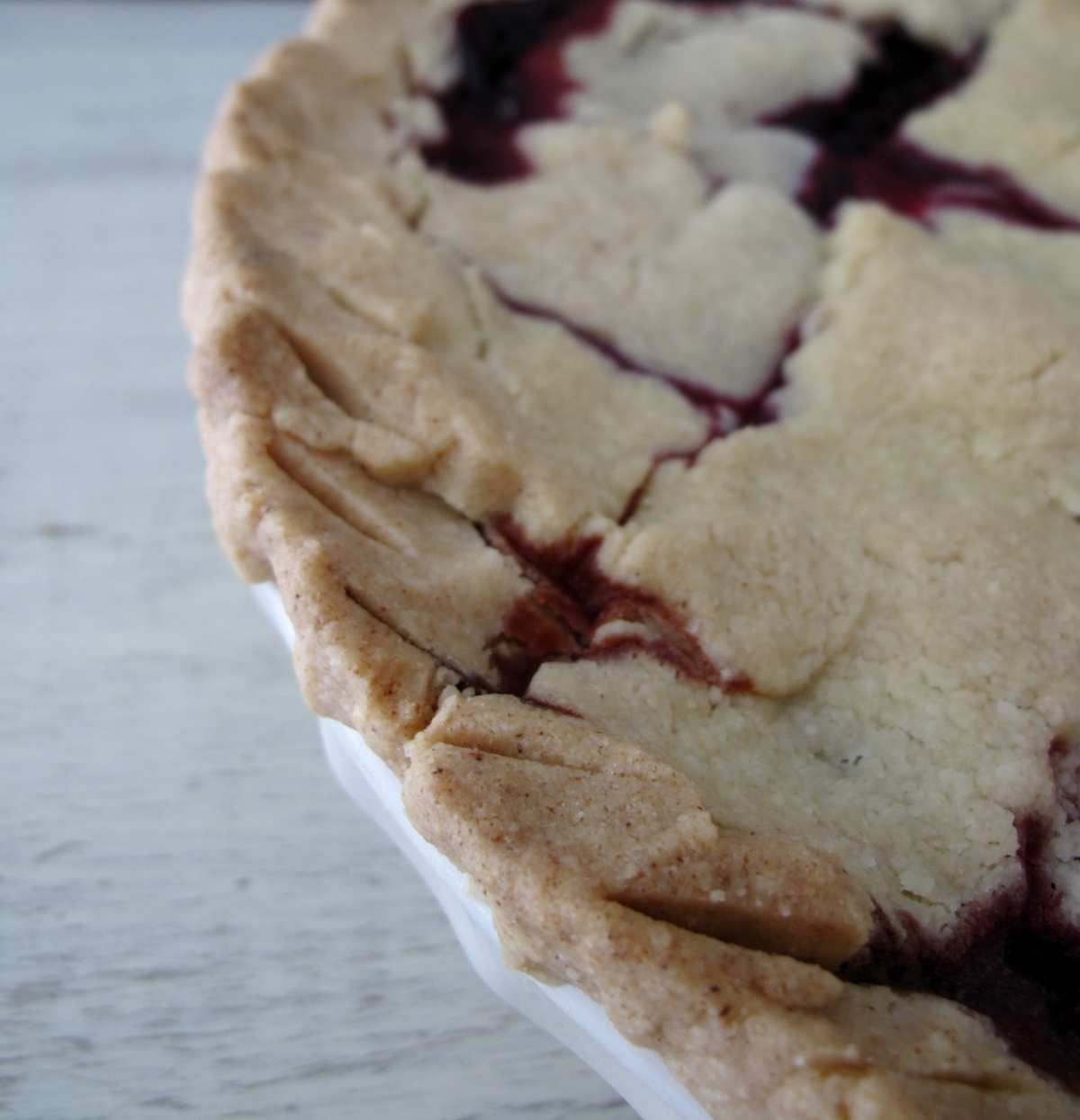
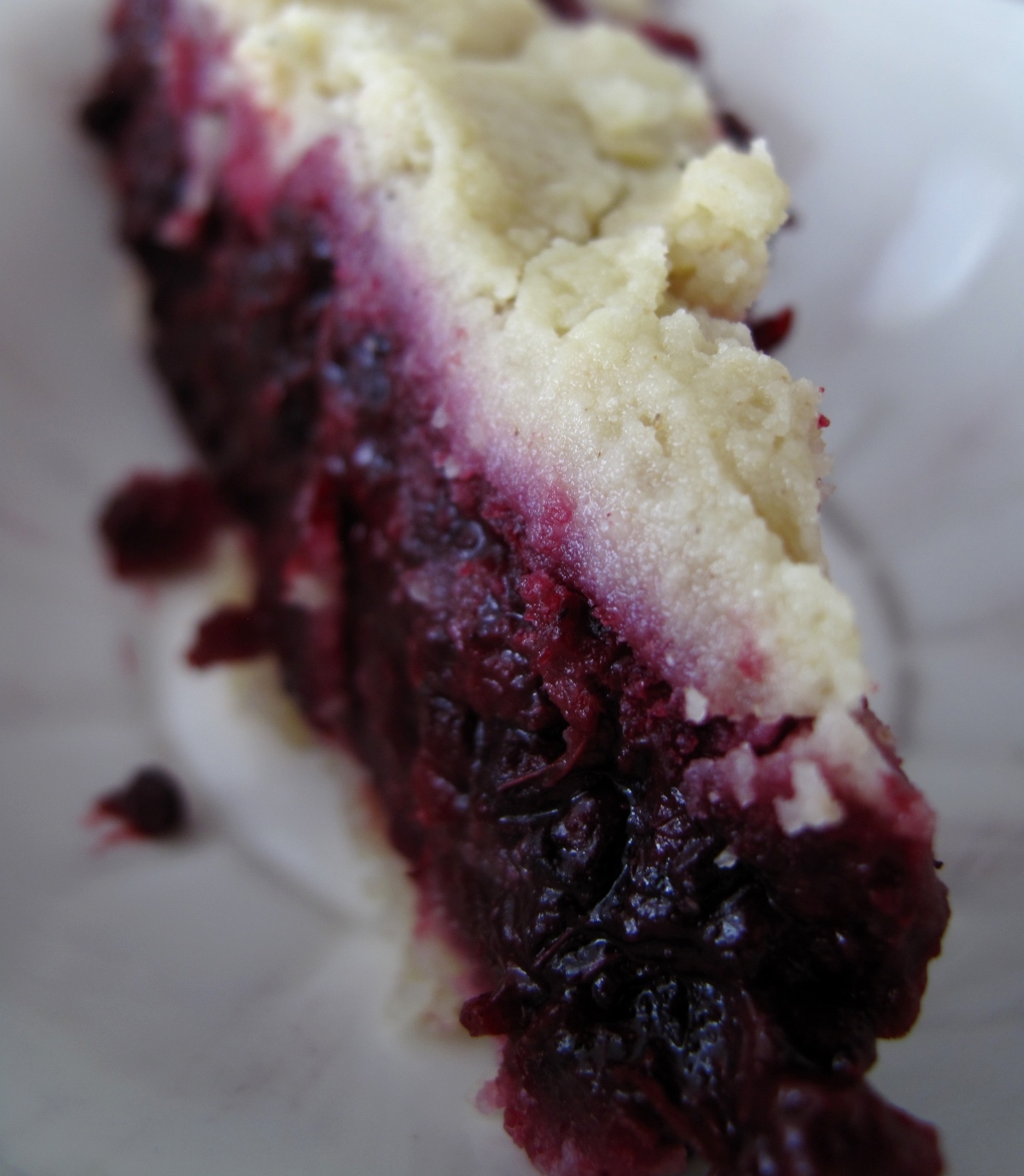
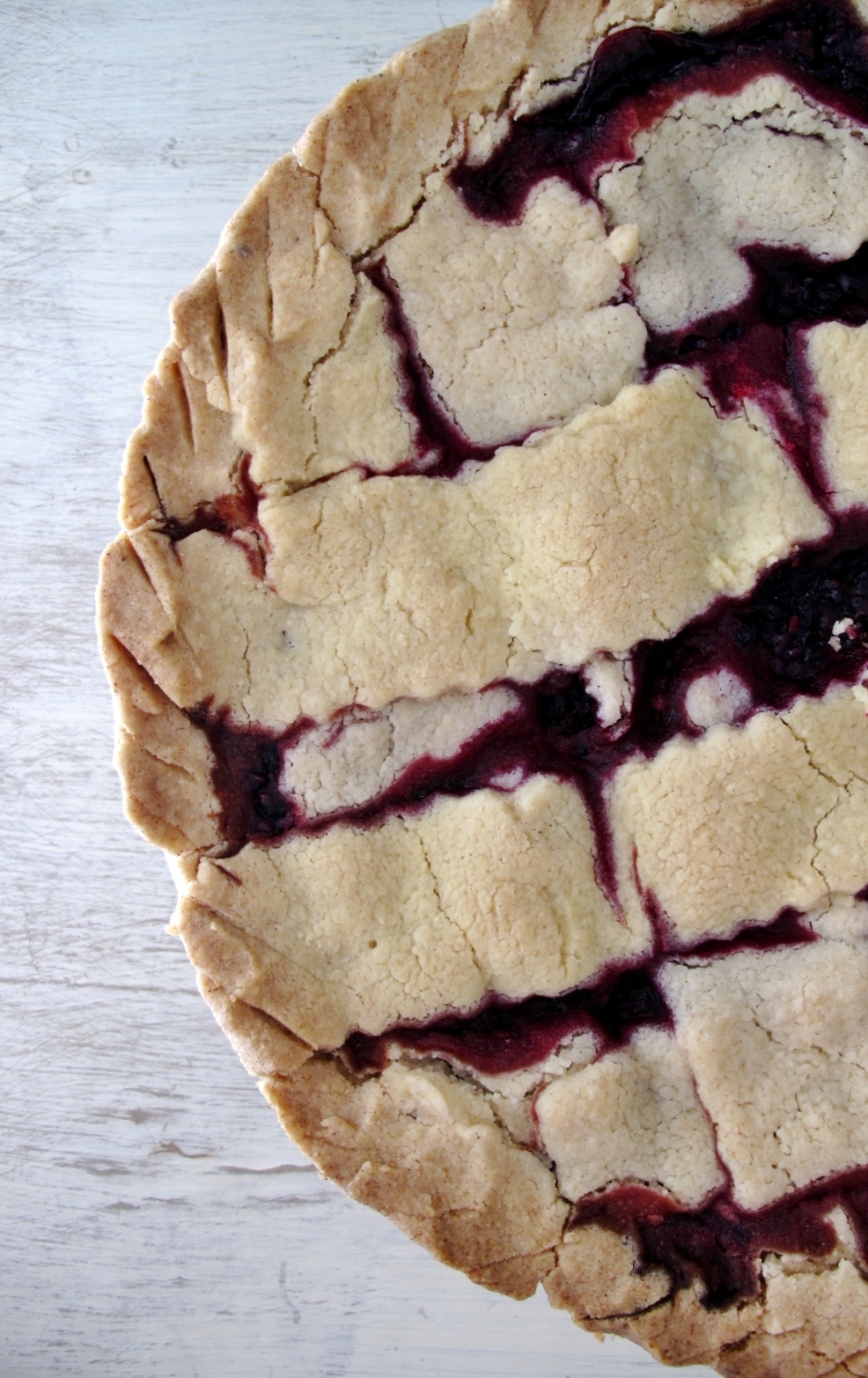
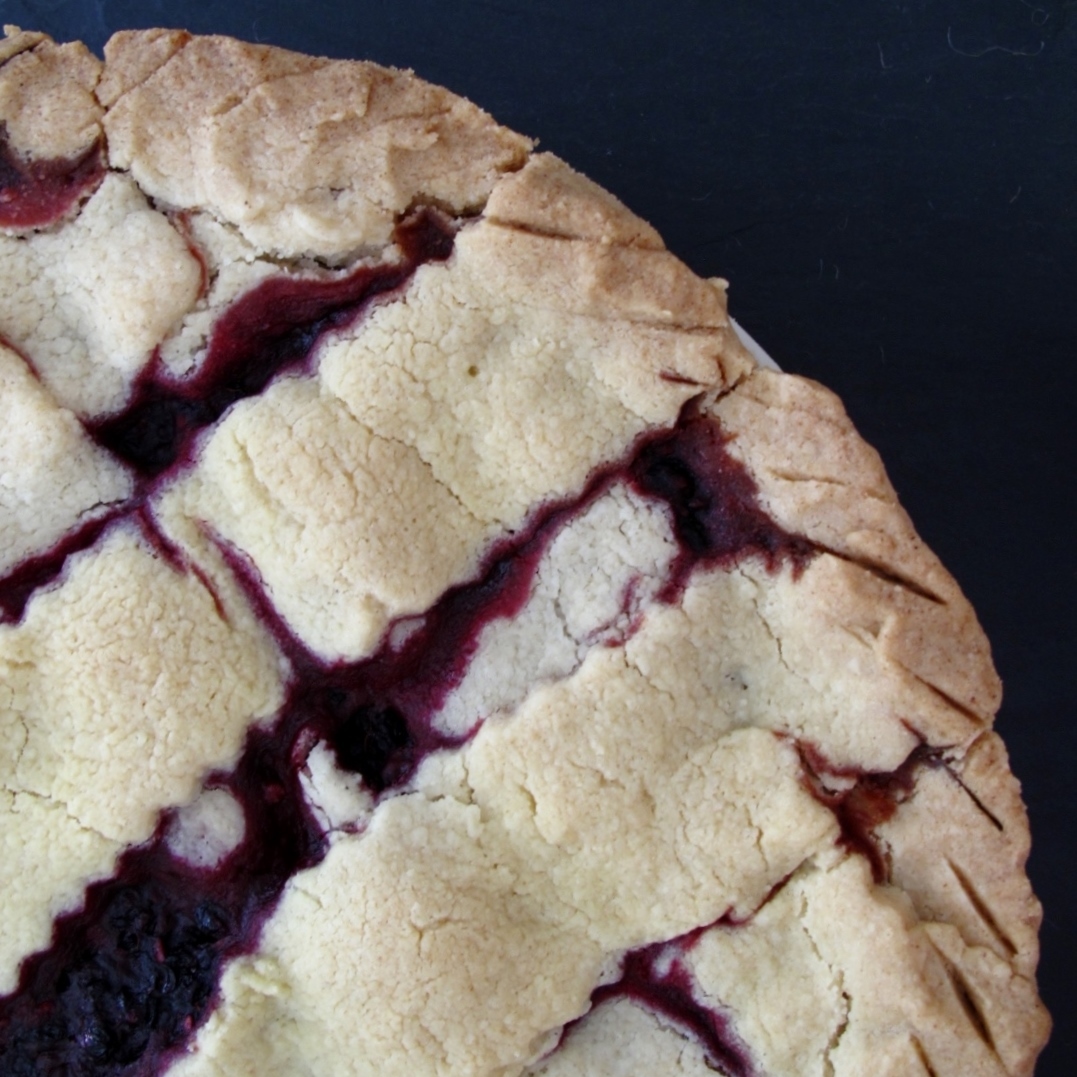
The Recipe Redux requested pie, William favors all the varieties of blackberry, and the first mess of Boysens at Sunbow are melt-in-your-mouth, stain-all-your-fingers sweet. Summer brought them early.

This berry filling is our absolute favorite. We’ve made it a number of times with just about every type of blackberry and it never fails to please but boysenberries are a must-have if you can find them. If they are extra sweet, consider reducing the honey to 1/2 cup. 

1 double-crust pie pastry of choice – (I highly recommend this gf/df pie crust)
6 cups fresh boysenberries (or any type of blackberry)
2/3 cup honey
1 Tbs. fresh lemon juice
2 Tbs. arrowroot starch
1/2 cup all-purpose gluten-free flour

  • Gently rinse and drain the berries and preheat oven to 375 degrees F.
  • Combine berries, honey, lemon juice, and flours in a large mixing bowl. Pour into a pastry-lined pie pan, add the top crust of your choosing, and bake for 40-50 minutes, until the pastry is golden brown and the mixture is bubbling.
  • Carefully remove from the oven and cool until ready to eat.

Character Training- A Running Update + My Good Energy Maca “Latte”

IMG_8013


I’m re-reading one of  my favorite books about running right now. It’s Ryan Hall’s Running With Joy, which is his daily journal that he kept in preparation for the 2010 Boston Marathon. I seem to quote Ryan a lot on this blog because he’s my first and favorite elite athlete. Ryan offers a Christian perspective to his training that can be applied to any area of life and it’s one that I relate to and gain perspective from often, both as a runner and in my faith-life.


One of the latest little gems that I picked up from Ryan was on character training. …I’m trying to keep a positive attitude but it’s tough, Ryan says. I want to see this as an opportunity for Christ to work in me and develop my character. Character training is harder than any workouts I do. 


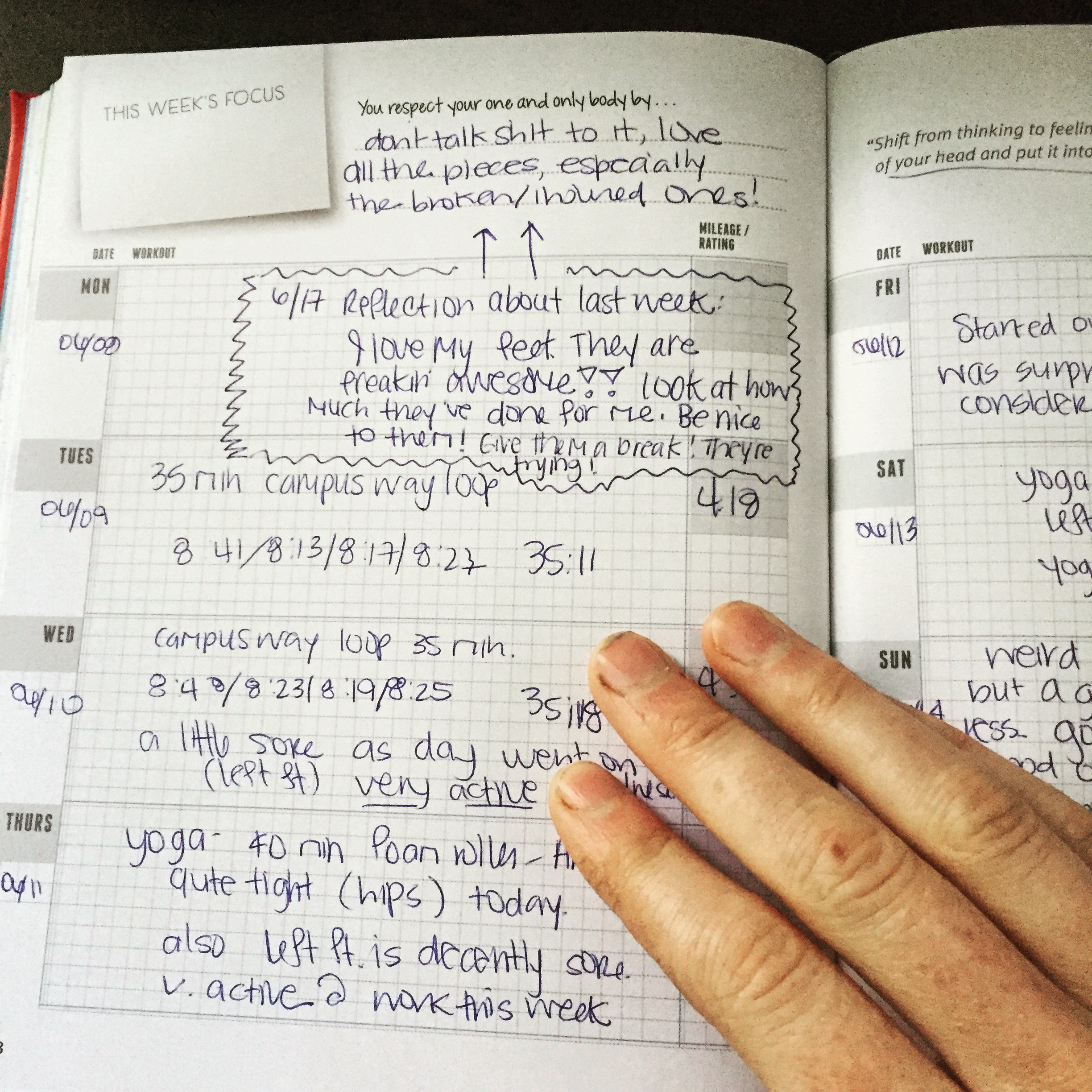
If you’re a regular reader, you may or may not remember that I went into a running slow-down a few months ago around the turn of the year. I stopped running completely due to a weird foot injury. The whole experience brought about an unearthing of a lot of deep emotional baggage through which I’m still sifting and processing. The short and simple update on the injury is that I’m still working through it. My feet seem to bounce back and forth between one hurting one day or week, and the other the next. I’ve come back up to a few miles a week and people ask me all the time how I’m doing, whether I’m back to running. For the most part, my answer is “no, not really.” I say this even though my garmin and training journal clearly show progress. Some part of the perfectionistic, type-A runner in me does not consider 10-15 easy miles per week running even though it’s clearly what I’ve been doing. To be clear, this outlook only applies to myself. If I had this conversation with any other person, I’d want to smack them on the forehead and affirm, “You’re a runner. You’re running!”


IMG_2513


I bought the training journal in the above picture as a gift to self last fall, after a particularly big-for-me accomplishment. I saved it up for the beginning of the year, as I was looking forward to putting it to use to accomplish some big goals. When the injury appeared and I had to stop running completely, I did not want to use it. It made me feel like crap to be logging zero-miles for weeks at a time, even worse to have gone to the gym to cross train and realize I couldn’t do that either. I made a pact with myself that I’d still use it though, choosing to write down where I was at both mentally and physically and provide an accurate recording of the experience. In the past, I haven’t been so good about this and I look back at old training journals and see only a record of miles or times logged. There’s never been much description of where my head has been or how my body has felt. I have had lots of past injuries and none of them have been as mentally traumatic as this one. From the beginning, I have felt there is something significant to learn from this experience.


IMG_8019


I find that life often throws messages at me from all angles, bombarding me when there’s something I need to work on. Last week, it was the idea that I do A LOT of negative self-talk. I do it without realizing. I yell fairly violent words at myself for being clumsy, for forgetting, for being less-than-my-best. I bottle up and resent parts of me, I throw angry thoughts at my feet, and then push them as far as I know they can go in running. I will them to feel better, all the while silently berating them for being so broken. It was suggested that I recognize when I’m being negative and simply work on stopping those thoughts at their very beginning, with the idea that illness begins in the mind and can subsequently influence bodily illness. After having multiple professionals look at the physical reasons/weaknesses that might be causing and perpetuating the injury to no avail, I feel even more resolute in this.


My New Year’s Resolution was Thankfulness brings Increase, the idea of taking what God has given, no matter the joy or suffering, give thanks for it, and use it for His good. This practice has helped me to feel unbelievably blessed in much of my life, and I’ve been able to recognize there are far more important things than me, my problems, and what I want to do. In the past week too, since the beginning of simply recognizing my personal negativity, it has been curbed dramatically, likely in part because I don’t truly think so little of myself as all the negative thinking might imply.

But–I’m also a pusher. I want to see progress of the physical sort. What was a celebration last week, if not progressing, feels like stagnancy and/or going backwards this week, and on and on. It is character training to not always be moving forward, getting better. I had a thought when I was in the middle of the zero-miles months that this phase is true preparation for the goals that are still waiting for me. I am being prepared mentally in ways I never could have been without this phase, for the time when I’m ready to be tested again physically.


I cannot agree more with Ryan’s words. Character training is far harder than any workouts I do or have doneIt is far harder than any physical pain I have endured in this or previous injuries. And for that, today, I am especially thankful, for I see very real progress in character training. :)


IMG_8014

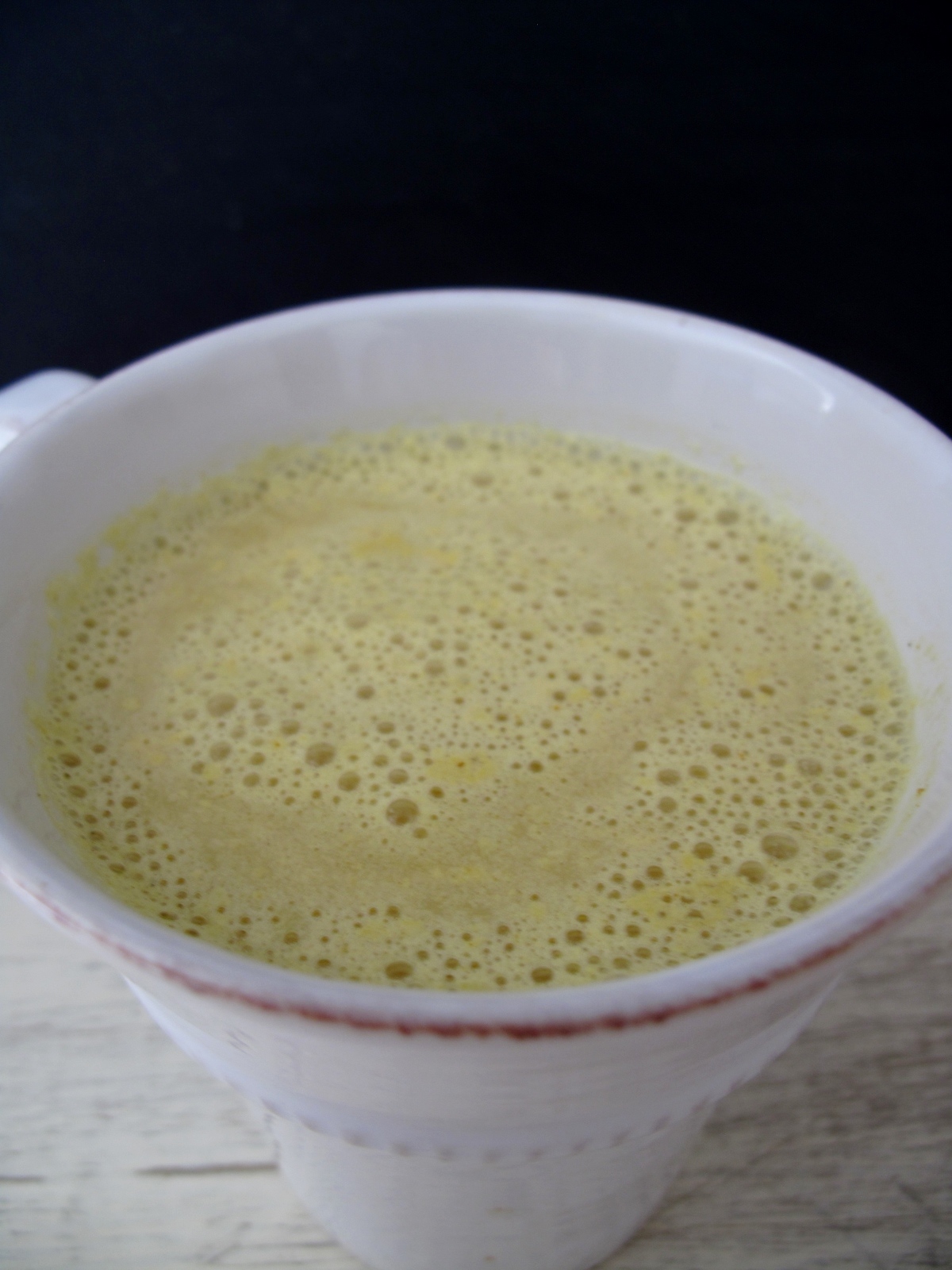
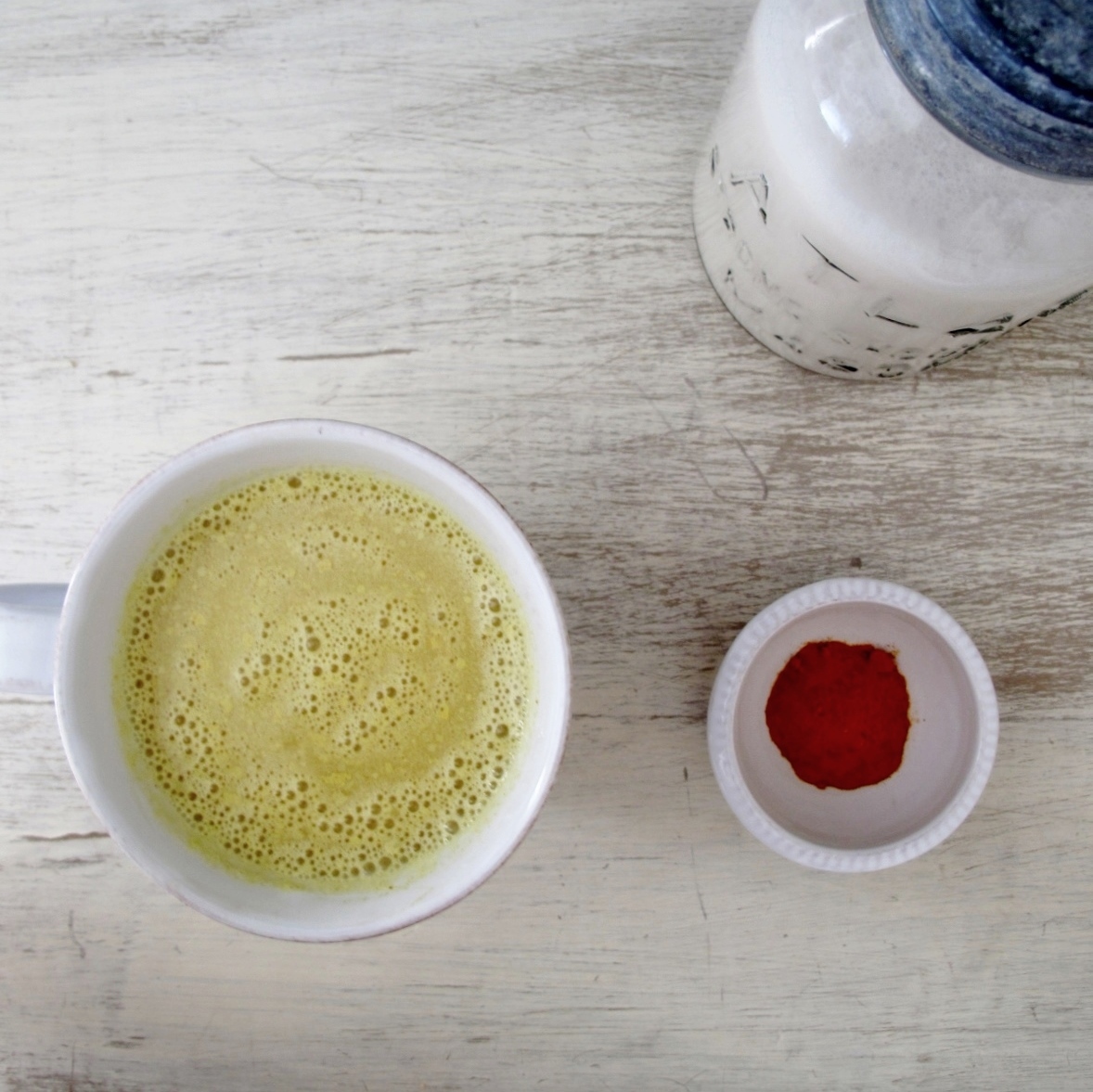
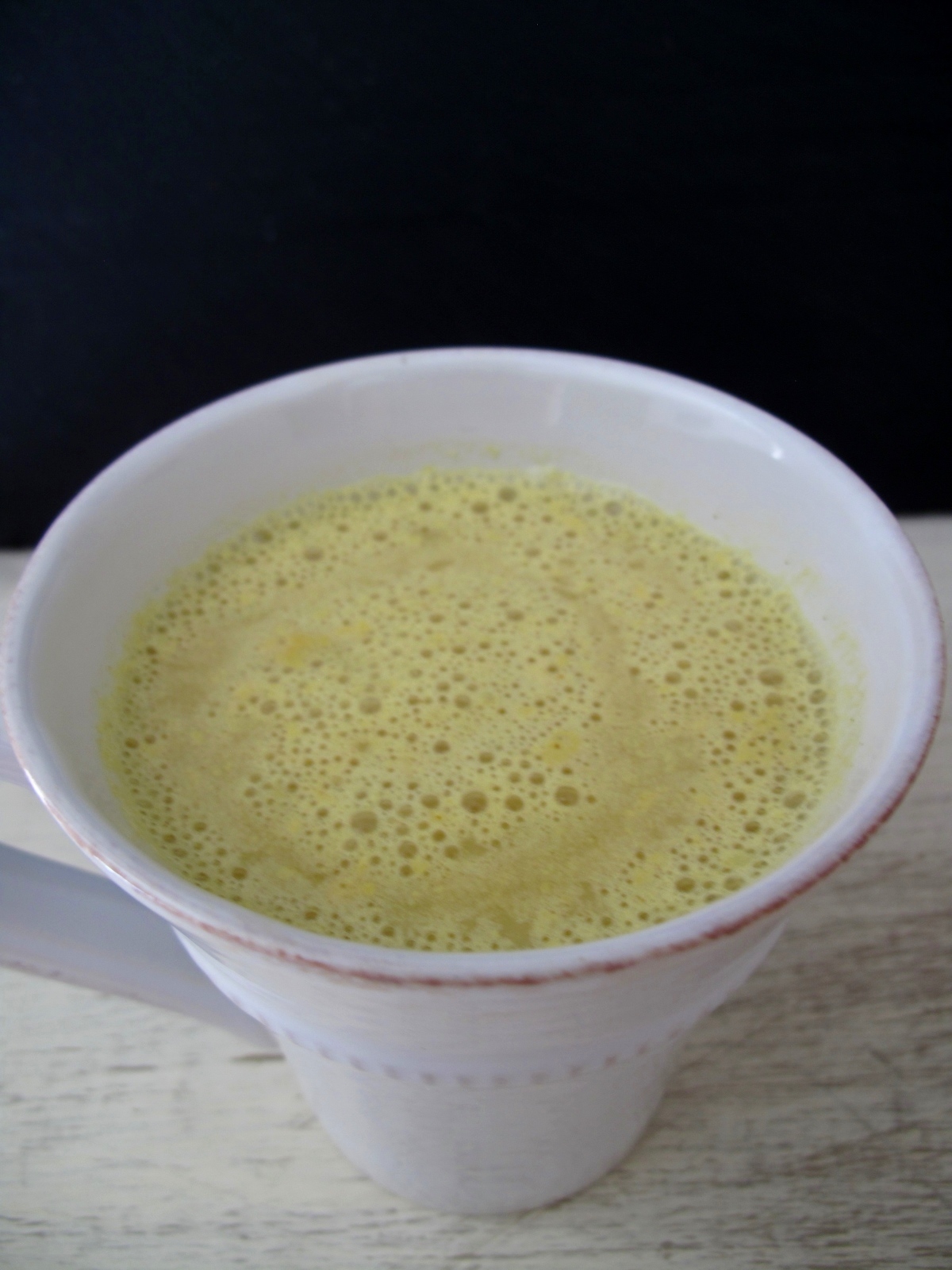
Good-Energy Maca “Latte”, makes 1 steamy cuppa

Adapted from Laura, this is my good-energy drink of choice lately. There’s a lot of talk that maca, a root vegetable from the Andes, is an adaptogen, and helps the mind and body positively respond to stress. I’m not really interested in the exact science of it because I feel a genuine lift every time I sip it. The taste of maca reminds me mildly of butterscotch which pairs nicely with the flavors of ginger and turmeric, and the color, too, is cheerful, so there we have it. The pinch of black pepper isn’t necessarily noticeable in taste, but helps the turmeric be more bio-available. Add it if you like.

12 oz. unsweetened almond milk

2 tsp. maca

1/4 tsp. ground ginger

1/8 tsp. ground turmeric

a pinch of black pepper

sweetener of choice

In a small saucepan, whisk the maca and spices into the milk over medium heat. Once the mixture nearly begins to simmer, remove from heat, pour into a mug, and add sweetener to taste.