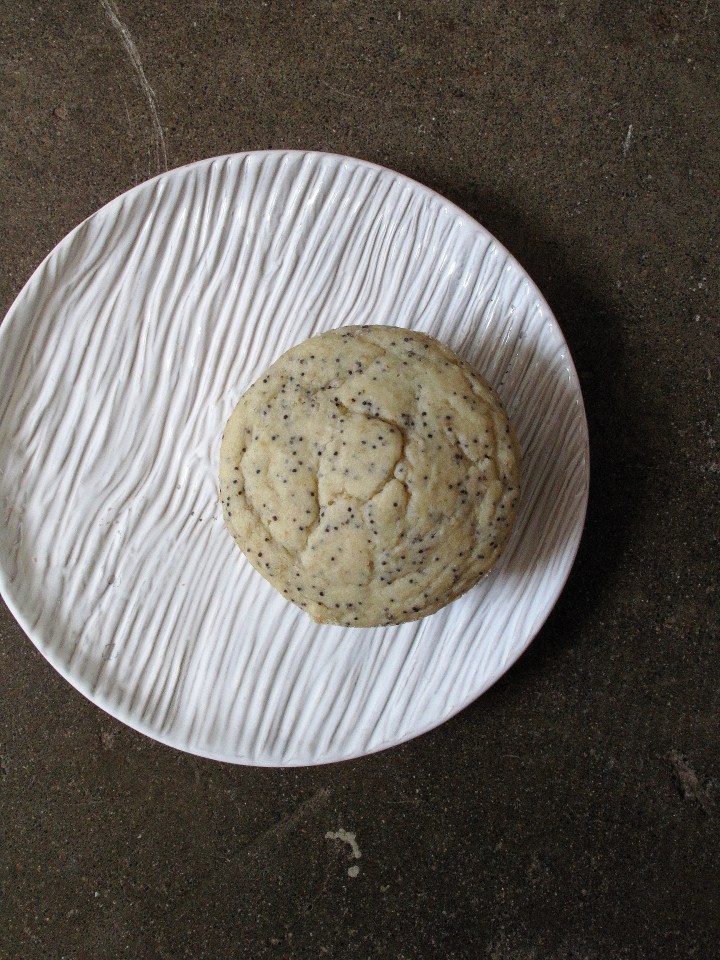
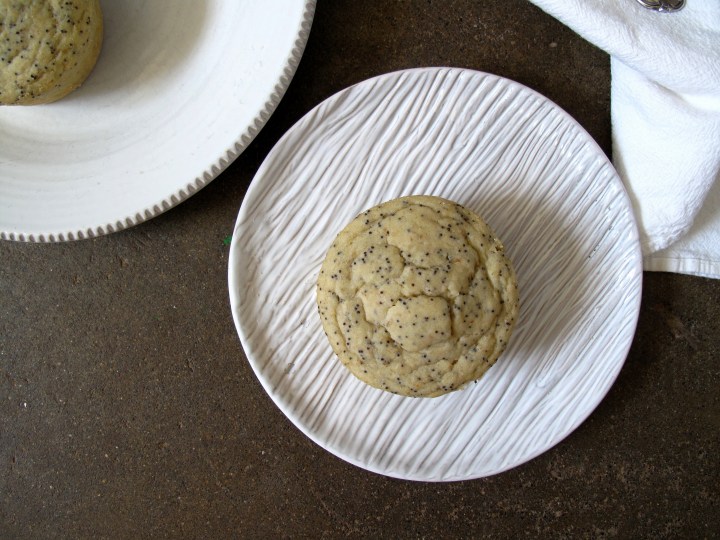
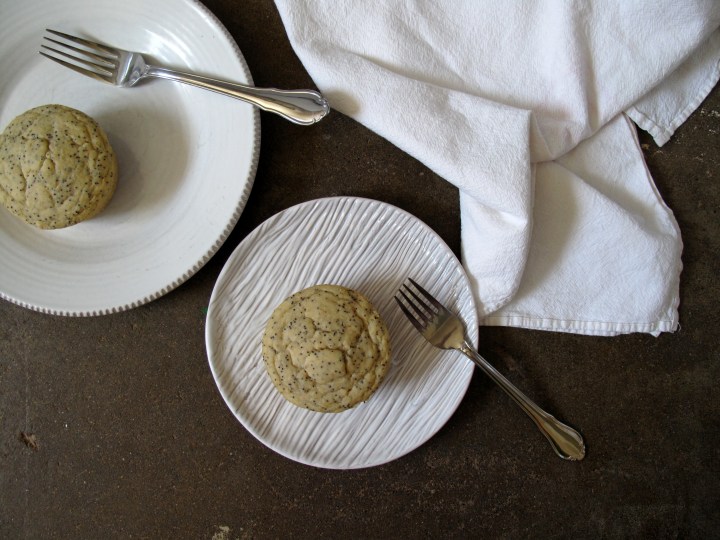
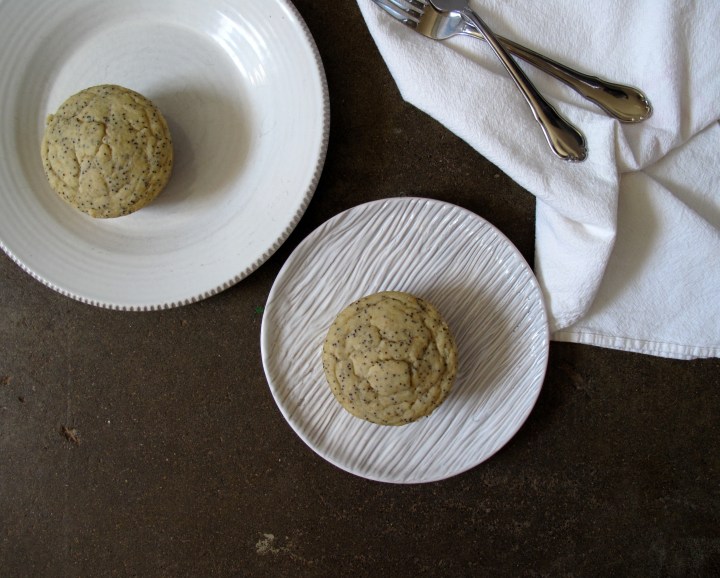
Almond Poppy Seed Muffins

Almond Poppy Seed Muffins

IMG_9847


When I first started hanging out with this guy, William, he practically lived off of plain spaghetti, Kraft mac + cheese with peas, and Costco almond poppy seed muffins.

Naturally, I immediately began making shared meals chock-full of vegetables and inviting him along for bike to the market afternoons to buy beets and greens. I hadn’t a thought for the picky tastes of a guy who’d grown up favoring frozen peas as the sole vegetable of choice for most meals—and in those early days of a new relationship, he did not once balk at the sudden change.


IMG_9872


The two of us joke often about how I hooked him before he was exposed to all the crazy. Since I was easygoing for approximately two days before all the guards came down, he either liked me in spite of it, or I have magical charms I had not considered.


IMG_9876

 
It is safe to say much has changed since those early days: There hasn’t been mac + cheese in the house for ages and William’s desire for pasta without a bunch of greens and things is a thing of the past. Also, I’m fairly sure my crazy has ratcheted up a few notches.

I think I’ve only kept him around because I have a knack for muffins.

After his initial request and changing one ingredient at a time for approximately four batches, William proclaimed these absolutely perfect. Over the past month, he’s eaten approximately twenty muffins and is still asking for more rather than proclaiming a need for a break. It is an all-time record.

Perhaps it’s the opioids. :)


IMG_9874


Almond Poppy Seed Muffins, makes 4 jumbo-sized muffins 

1/2 cup (55 grams) almond meal

1/2 cup (70 grams) millet flour

1/4 cup (35 grams) brown rice flour

1/4 cup (50 grams) cane sugar

2 Tbs. (12 grams) arrowroot starch

1 Tbs. ground flax seed

3/4 tsp. baking powder

1/4 tsp. baking soda

1/4 tsp. salt

1/2 tsp. xanthan gum

1 Tbs. poppy seeds

3/4 cup non-dairy milk

1/4 cup canola oil

3 Tbs. aquafaba or 1 Tbs. ground flax + 3 Tbs. warm water

1 tsp. almond extract

1-2 tsp. fresh lemon juice

  • Preheat oven to 350 degrees F. Prepare a muffin tin with muffin liners or a light coating of oil and flour.
  • In a large bowl measure out the and mix the dry ingredients and then set aside.
  • In a separate large liquid measuring cup, stir together the milk, oil, aquafaba, almond extract, and lemon juice.
  • Pour the liquids into the dry ingredients and mix until it just comes together.
  • Spoon into the muffin tin and bake for approximately 25 minutes, until a toothpick comes out clean.


superseed porridge with rhubarb, blood oranges + tahini

superseed porridge with rhubarb, blood oranges + tahini

IMG_4106


William took over my yoga mat the other night and started doing weird yoga-esque stretches I’ve never seen before. I’m certainly no yoga expert, but I think he was making them up. When I inquired about this new foray into brief stretching, he started talking about helping out his Qi (sounds like chee), which in Traditional Chinese Wisdom is the circulating vital energy or life force within us.

Around our house, I talk about Qi all the time, especially as it relates to mental clutter, anger or frustration, and digestive unease–basically whenever I notice something is personally out of balance. William is just about the only one I talk about Qi with, and having him suddenly spout my words back at me was a moment of startling clarity. As it turns out, when we spend enough time with someone, we begin to believe and do the same things as each other. I guess that’s why he also wanted only a big thrown together “beans and rice salad” for his weekly meal contribution recently, instead of the more typical tacos, pasta, and pizza fare.

It all makes me wonder, what little practices and sayings am I picking up from him (and others) that I haven’t noticed?


IMG_9785


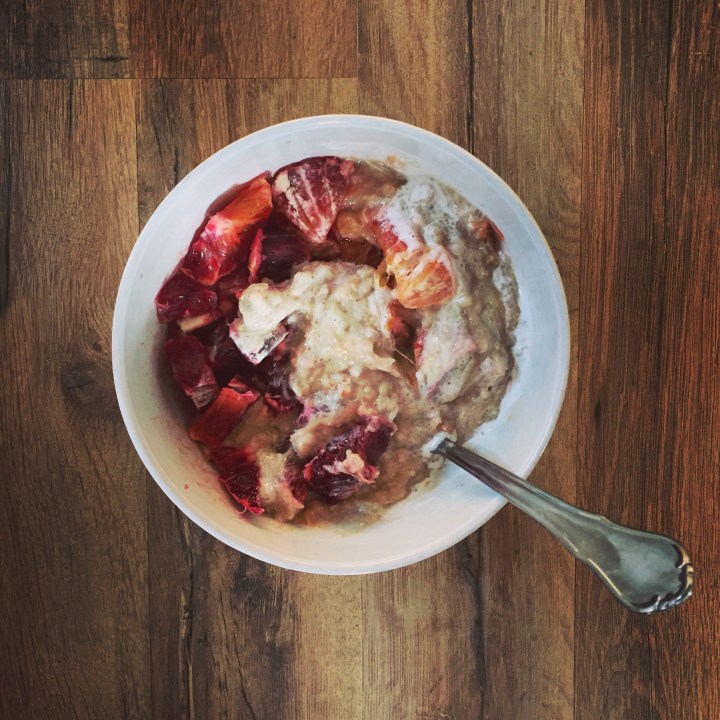
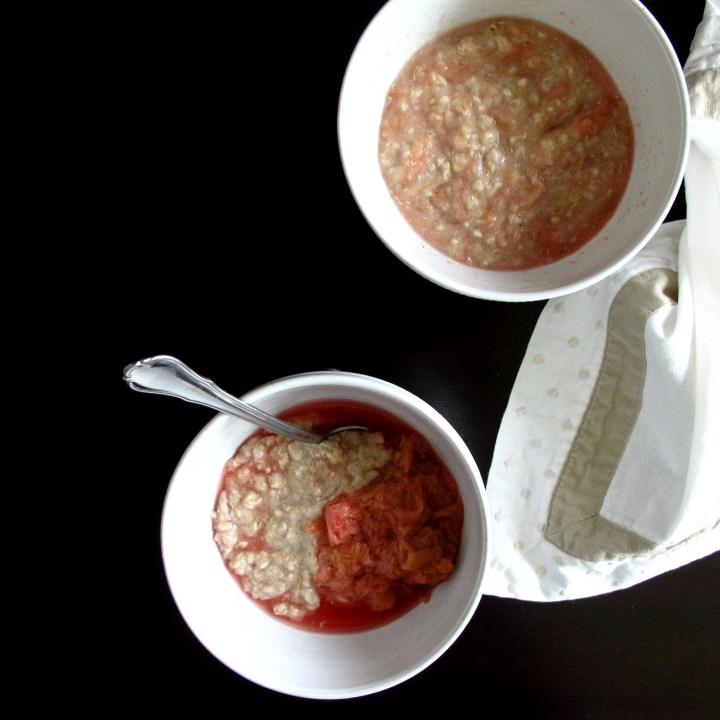
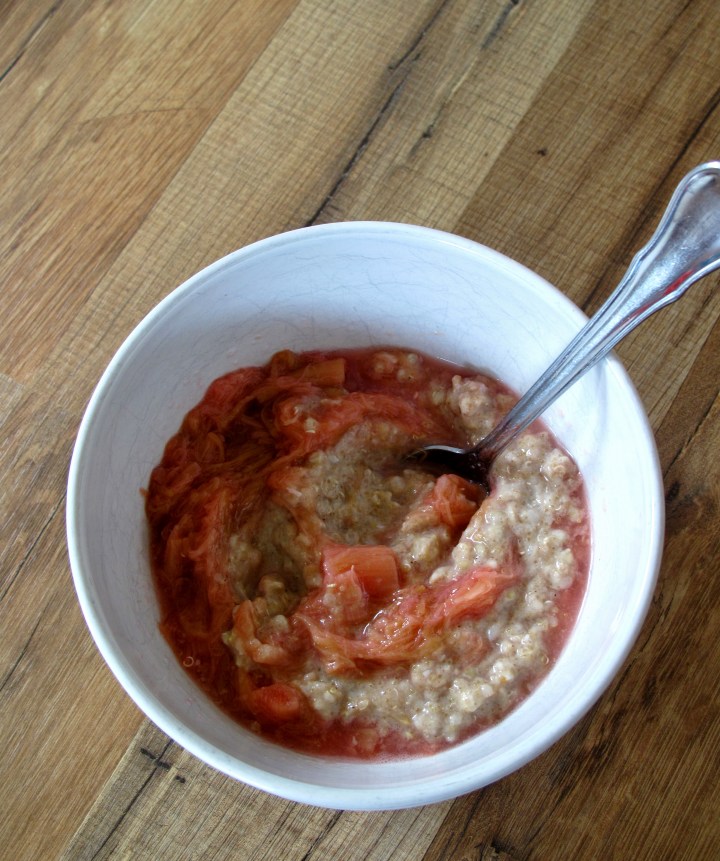
Superseed Porridge with Rhubarb, Blood Orange + Tahini, serves 1

I eat more oatmeal than my old horse but have also been experimenting with a good mixed grain/seed porridge combination these past few months. I’ve finally found one I like. It includes a few of the pseudo-grains/seeds I’ve been trying to enjoy more of including amaranth and buckwheat. They are wonderful and nutritional heavy-weights, but have strong, distinct flavors that can overwhelm all on their own. I leave out what we consider true seeds from the actual mix as I like to add ground sesame, flax, sunflower, pumpkin, hemp, chia, or tahini as the whim strikes, and I expect you will as well. Sometimes I add in an adaptogen like ashwagandha or maca powder, which I’m eagerly learning more about in my herbal medicine classes for their ability to help us adapt to stress. That’s a highly individual thing, however, and I recognize that simply making a good morning meal and eating it mindfully at a table is a vast improvement for many of us. I’ve tried this porridge mix with a number of flavor combinations throughout the seasons, but the one I love right now is heavy on the rhubarb with blood oranges and tahini.


IMG_9805IMG_9812


Super Seed Porridge Mix, makes 10 1/3-cup servings

2 cups old-fashioned oats, gluten-free if necessary

2/3 cup quinoa flakes

1/2 cup amaranth

1/2 cup buckwheat

  • Mix together and store in a container of choice. When ready to cook, use 1 cup water to 1/3 cup grains for each serving.


Rhubarb, Blood Oranges + Tahini Porridge

rhubarb sauce, as much or as little as preferred

1-2 tsp. tahini

1 cup water

1/3 cup porridge mix

1 blood orange, sections separated and roughly chopped and a little zest stirred in.

sweetener, to taste

  • I stew the rhubarb into a sauce or compote ahead of time. Including chopping and prep, it takes no more than 20 minutes. Simply chop a few stalks of rhubarb roughly and then add to a small saucepan along with a small splash of water. Cook over medium high for a few minutes until it becomes a sauce. Unlike a lot of people, I don’t add sugar to the sauce and instead leave it tart. I’ll add a sweetener of choice to whatever I mix it into and adjust as needed. If I feel like getting fancy, I’ll stir in a little vanilla or orange zest.
  • Then boil the one cup water and whisk in the grains in a small saucepan. Cook until it becomes a porridge, and stir in the rhubarb sauce and tahini in the last few minutes, until warm.
  • Finally, add in a little orange zest and the orange sections in the last minutes, as their Vitamin C is heat sensitive and easily lost in cooking. Add sweetener of choice to taste.
  • All in all, this is more of a weekend porridge—or as I’ve taken to doing, it can be easily made up the night before. I cook the entire thing save the blood orange, and then pour into my serving bowl and let it chill overnight in the fridge. The next morning, I simply reheat in the microwave and stir in the orange and orange zest and I’ve got a fancy start to an otherwise busy morning.

Honey-Amaranth Waffles with Spiced Pears

IMG_9255

I woke up at 4:30 again this morning with a head full of words needing to come out. I proceeded to write solidly for over two hours before walking away, thinking all I had written needed to be shared.

Given the heaviness of what I’ve already shared in this space these last few days, weeks, and months, and the miraculous way that my lightness of being directly correlates with letting heavy thoughts go, those words may make their way into this space yet.

For now, I’d like to just settle my mind down and get cozy with high-vibe breakfast things, like waffles. And then, try to take a nap.

The Recipe Redux this month is all about breaking out of breakfast boredom and these waffles are one of the ways I’ve been doing that lately. Like a lot of people, I go through phases with breakfast meals, and the current one, hot porridge, has been going steady for four+ years.

But for the last month I’ve been revisiting my favorite waffles most Monday mornings. I generally have nothing planned for Mondays except to fill my brain with scientific literature and APA formatting for eight solid hours, as I’ve got the day off from work and it’s full of school instead. I’ve found that eating these is a great way to start the week.

The recipe for these waffles was a work in progress for about a year and a half after gluten and dairy were removed from my diet, and though I made a lot of different flavor combinations throughout my year teaching (comfort food after a stressful day, I suppose), these are the ones that became my go-to once that phase ended. I like them because the amaranth flour lends an earthy flavor, they’re almost entirely whole-grain, and they have just enough sweetness to need no extra sugar poured on top. All of this is my sort of thing because half the time waffles are more of a dinner item and I don’t like the idea of sugar and starch for my evening meal. I also can’t handle sugar for breakfast, so there’s that as well.

IMG_9245

If you haven’t tried amaranth before, it is technically a tiny-seed pseudograin, like quinoa. In fact, the two are related botanically and share many characteristics. Historically, amaranth was very important to the ancient Aztecs. Nutritionally, it is one of the highest-quality grains to add to your diet and is especially useful for individuals who do a lot of physical work, athletes, infants, children, and pregnant and nursing women. I like it because it is a good source of calcium and an excellent source of iron, and has more protein than most other grains. Even though its nutritional effects are minimal in these waffles, adding more amaranth to meals cannot hurt. Flavor-wise, I find that amaranth goes particularly well with autumn and winter fruits, like pears, and I prefer that combination over anything savory I’ve tried.

This recipe is inspired by Kim Boyce’s Honey-Amaranth Waffles in Good to the Grain, but is now so far removed that I can’t say they’re anything like her original. If you have no reason to avoid gluten, use whole-wheat pastry flour in place of the gluten-free, and if using your own gluten-free flour mixture, keep in mind that mine is 70 percent whole-grain by weight and has 10 percent buckwheat flour, which is another stronger flavor.

How do you break up the breakfast boredom?

IMG_9230

Honey-Amaranth Waffles with Spiced Pears, makes 3
Recipe Updated: 10/25/22

3 Tbs. ground flax, separated
3 Tbs. warm water
1 cup non-dairy milk
1 tsp. apple cider vinegar
2 Tbs. amaranth flour
1 cup all-purpose gluten-free flour
1 tsp. baking powder
1/2 tsp. baking soda
a pinch of salt
1 1/2 Tbs. honey
1 Tbs. (untoasted) sesame oil, melted + additional for the waffle iron

To Finish:
1 pear, chopped into a large dice
1/4 cup water
1/8 tsp. ground ginger
1/16 tsp. each cinnamon, nutmeg, cardamom and black pepper
pinch of ground cloves
unsweetened non-dairy yogurt, optional
pomegranate molasses, if you’d like an extra fancy drizzle of sweetness atop

Directions:

  1. Turn the waffle iron to a medium-high setting. In a small dish, whisk 1 Tbs. ground flax with the 3 Tbs. water. Set aside to form a thick slurry. In a liquid measuring cup, stir the milk together with the vinegar, and allow to curdle slightly.
  2. In a large bowl, stir the remaining dry ingredients together.
  3. Combine the oil and honey, and then add them to the milk along with the flax slurry. Whisk the liquids briefly to make sure they’re uniform, and then pour them atop the dry ingredients.
  4. Stir the batter lightly. Depending on the day and air moisture, a little extra liquid may need to be added.
  5. Brush the waffle iron with a small amount of additional sesame oil, and then ladle 3/4 cup of batter onto the iron. Cook until the indicator light tells you it’s done, or a quick peek shows a golden-brown color.
  6. Remove from the iron, and plate up, along with a spoonful or two of yogurt and a pile of spiced pears.
  7. For the pears: In a small saucepan over medium-high heat, combine the diced pears, water, and spices. Once they begin to really cook, turn down the heat to a low simmer, cover, and cook until they are soft and beginning to be a little syrupy. This can all happen while waiting for those waffles to cook.

References:

Boyce, B. (2010). Good to the Grain: Baking with Whole-Grain Flours. New York, NY: Stewart, Tabori & Chang.

Pitchford, P. (2002). Healing with Whole Foods: Asian Traditions and Modern Nutrition. Berkeley, CA: North Atlantic Books.