Hungry Gap?

Hungry Gap?

IMG_3941


In temperate climates like ours in western Oregon, and also traditionally in the United Kingdom and Ireland, the weeks between March and April are known as the Hungry Gap for gardeners and local producers because we have nearly run out of winter storage crops and the new season’s growth does not provide a substantial amount of nourishment.
 

IMG_9570


Most of us don’t think about this anymore, since we have access to almost any type of food we’d like from all across the globe. Easter is next weekend however, and for me, Easter marks the beginning of true spring. Likewise, I associate Easter with strawberries and rhubarb at home with my parents and extended family. Because I manage a garden, I’ve become aware that this pairing won’t come together locally until early May, and though I’m okay with purchasing a few berries from afar to enjoy sooner, I’m nearly always disappointed with the flavor. When I spent a summer on the strawberry farm as their trials intern, I was surprised at the diversity of varieties. Some were super-packed with flavor and others were big and beautiful, but tasteless. Interestingly, all the varieties went into the same punnets and at the grocery store, I could just as easily pick up tasteless strawberries as flavor-packed ones. In any case, it is not common for commercial fruit and vegetable varieties to be bred for outstanding flavor. It is early yet in this new season and this year we won’t be traveling home for Easter. So I think I will wait on strawberries.
 

IMG_9583IMG_9603IMG_9632


I’ve noticed a little of this hungry gap in shopping for local vegetables lately too, as there is a plethora of greens and some winter storage roots like rutabagas, turnips, parsnips, and beets, but the variety that other seasons provide is missing. Still, in our age of abundance, there is a bounty during this season.

I’ve been doing a better job too, of planning meals since moving, taking on grad school, and commuting. I thought I would be letting go of cooking creatively during this new phase, but the opposite has actually been true. Using seasonal produce as the foundation for meals and then planning for busy weeks, being flexible, and doing a little more batch cooking on slower days has been quite instrumental. William’s one day of managing dinner has also allowed for simpler things like pizza, tacos, and pasta primavera to show up in our rotation.


IMG_9602


Even during this hungry gap and busy season, we are enjoying lots of variety. This is what I picked up in the last week, and how we enjoyed them:

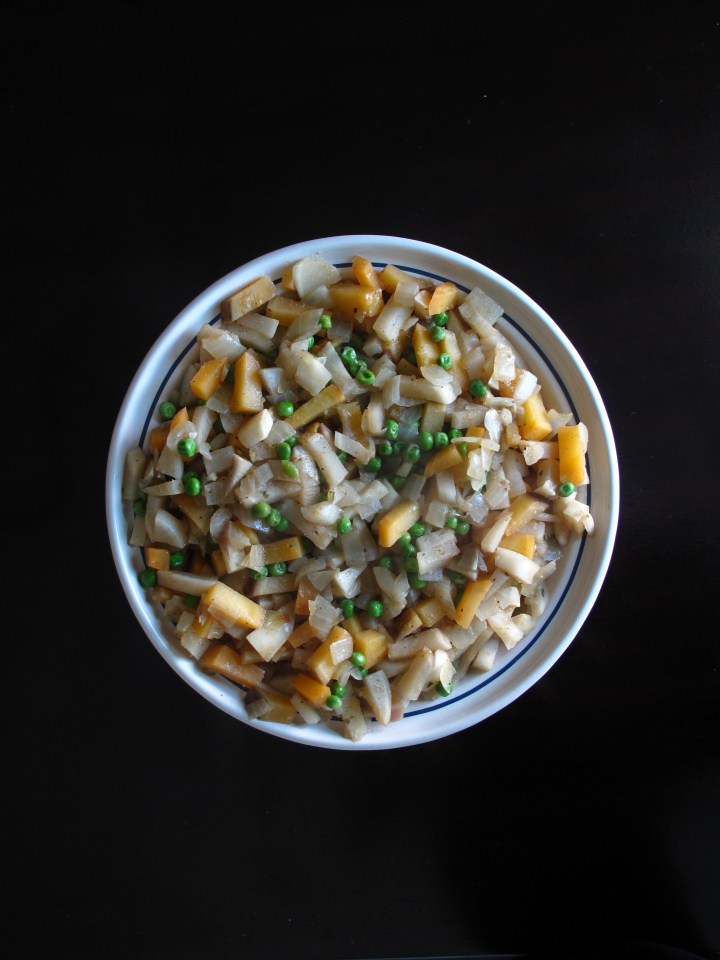
Turnips + Rutabagas: Rustic Indian Samosa Pie

Beets: We had beets, lentils, tahini + flatbread last weekend and leftovers into the early part of the week.

Leeks,  Nettles + Potatoes: We enjoyed a nice Irish Nettle Soup with leeks and potatoes for St. Patrick’s Day.

Sprouting Purple Broccoli + Collard Raab: I lightly roasted these with tempeh and za’atar, and served them alongside harissa and millet. Yum!

Eggs : William powers through tax season by eating eggs and green juice most mornings for breakfast.

Green Salad mix with lots of winter greens like kale, arugula, frisée, bok choy, and chard: To round out meals.

Carrots + Parsnips: For snacking and carrot + parsnip oatmeal.

Parsnips + Sage: I am experimenting with a parsnip + sage risotto for dinner tonight and serving it alongside white bean fagioli from Heidi’s new book.


What local abundance is available lately in your corner of the world?


IMG_9629


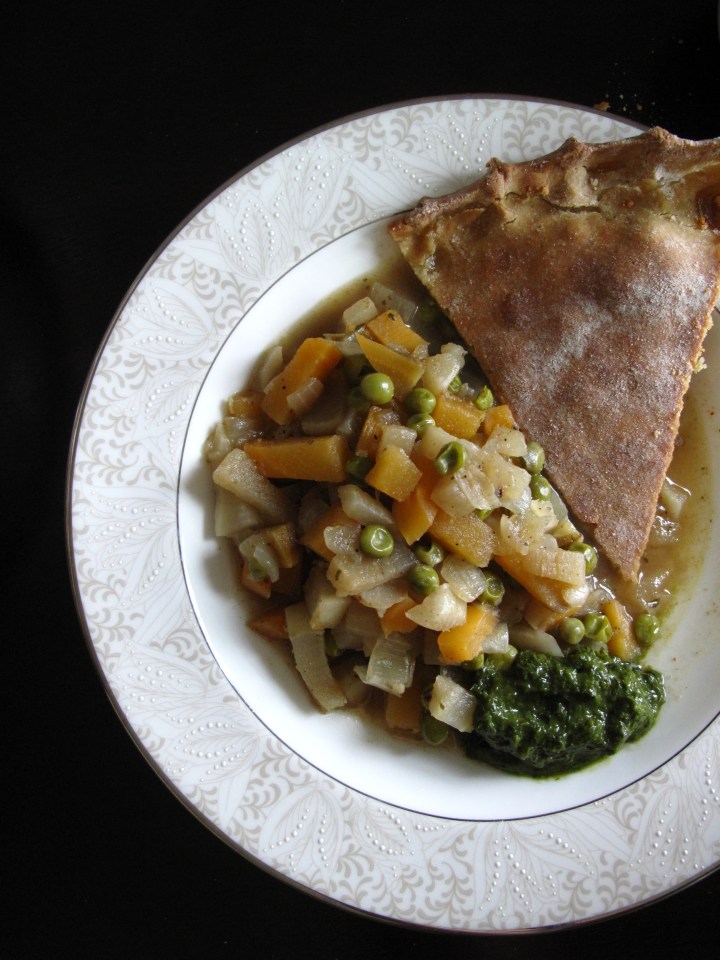
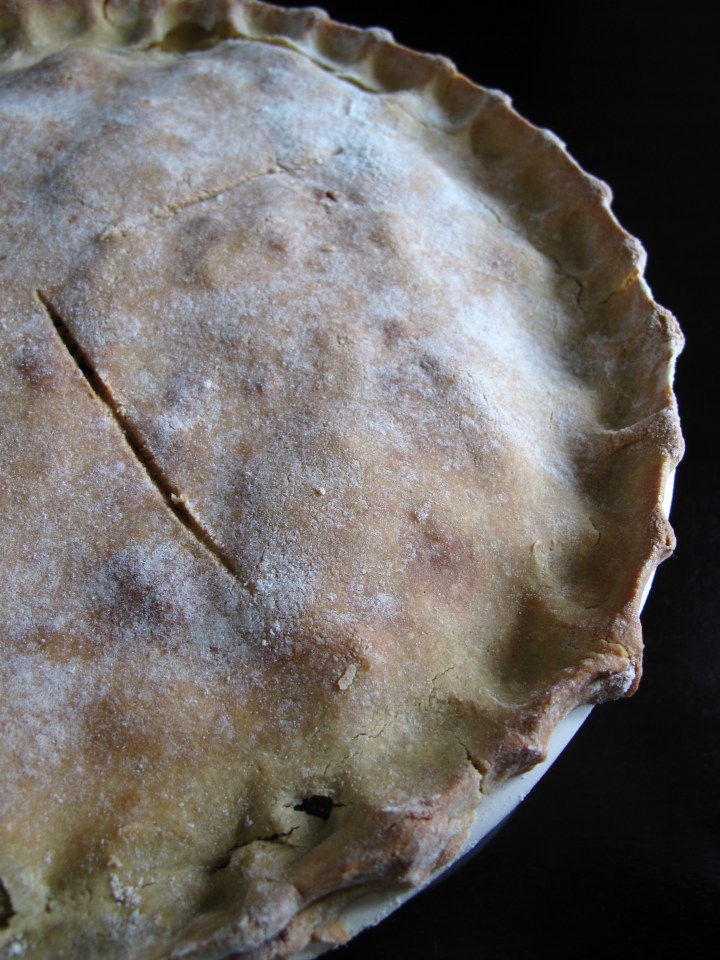
Rustic Indian Samosa Pie with Mint + Cilantro Chutney, serves 4

I first got the idea for this pie from Kelsey, when I attempted to make her Sweet Potato Samosas and failed miserably with tiny pastries and gluten-free crust. Since then, I decided to turn it into a seasonal veg pie and finally perfected a savory crust. I’ve made this a few times and change up the vegetables depending on what I have. It is a good one for using up random vegetables that might be hanging about. This version has rutabagas, turnips, and peas and only a top crust. If you want more of a true pie, double the pastry recipe and make a double crust. It will take a little longer to bake. A word to the wise, I tend to air on the side of spicy with seasonings, and then serve a cooling mint and cilantro chutney alongside to tame it down. Use a little less cayenne if you prefer less heat. 

Savory Pastry

1/2 cup brown rice flour, plus more for dusting

1/2 cup quinoa or amaranth flour

3/4 cup chickpea flour

1 tsp. salt

1/4 cup olive oil


Filling:

1 Tbs. olive oil

1 medium onion, medium-diced

5 cups chopped vegetables (mix of turnips, rutabagas or any others)

1 cup frozen peas

2 cups vegetable broth

1 1/2 tsp. apple cider vinegar

3/4 tsp. ground coriander

1 1/2 tsp. garam masala

3/4 tsp. ground cumin

1/2 tsp. salt

3/16 tsp. cayenne

1-inch piece ginger, minced

1 Tbs. arrowroot or tapioca starch


Cilantro-Mint Chutney:

1 large bunch cilantro

1 cup tightly packed mint

3 Tbs. fresh lemon juice

1/2 cup plain coconut yogurt

1/4 tsp. salt

  • Make the crust: Combine the flours and salt in a food processor. Pulse a few times to aerate and mix. Add the olive oil and 1/4 cup cold water. Pulse until the dough just comes together, adding a little more water as needed.
  • Transfer the dough to a plastic wrap, wrap it loosely and press it into a flat disk. Chill in the fridge for at least 30 minutes while preparing the other ingredients.
  • To make the filling: Heat the oil in a large sauté pan and then add the onion, and cook until lightly browned. Add the chopped vegetables and 1 cup broth and let simmer for 10 minutes, stirring occasionally. Add vinegar, coriander, garam masala, cumin, cayenne, salt, minced ginger, and remaining cup of broth. Simmer for another 10 minutes until the vegetables have softened. Stir in the peas and arrowroot starch mixed with a small amount of water. Bring the mixture to a boil, and then turn down to a simmer and let cook a couple minutes more. Remove from heat and transfer to a 9-inch pie dish.
  • Dust a large flat surface with rice flour, and roll the pastry out until it is about 1/8-inch in thickness. It should be just larger than the pie pan. Roll the dough carefully around the rolling pin and transfer it to cover the filled dish. Trim the edges and fold under. Crimp them around the edge of the pan, then cut a couple slits in the top to let steam escape. Bake in an oven preheated to 375 degrees F for 20-30 minutes, or until starting to bubble and the crust has become golden.
  • To make the chutney: Put mint, cilantro, lemon juice, yogurt, and salt in a food processor, and purée until smooth. Serve alongside the pie.

Pumpkin, Sage + Rosemary Baked Risotto

IMG_8967


I’m taking a class right now called Redefining Nutrition. One of its texts is Marc David’s Nourishing Wisdom, and I recommend it to just about everyone. Essentially, it backs up a lot of what I already know about food and diets, that there is no one diet for everyone, that we are all especially unique when it comes to food and food preferences, and that our bodies are always changing, and our diets should naturally change with them to reflect the seasons and our changing needs.


I recently read too, Gena Hamshaw’s wonderful article, about tuning out the noise around new year’s diets, cleanses, and body-resolutions. It was written specifically for those in recovery from eating disorders and it resonated strongly with me as Gena brought to attention the extemely competitive nature of food and fitness-regimes. Essentially, Gena suggests the often difficult task of tuning out all the hype and just, “you do you.”


IMG_8909


Taking into consideration both readings, I sit ill with encouraging you to “go eat this recipe” that I share, because that’s not me. And perhaps it is not the recipe you need right now if you are doing you. I only share recipes here that are essentially what I am eating in this season, for me. William, who generally raves about my cooking, doesn’t always agree with me that he needs to eat another grain and bean bowl, and sometimes, he tells me, he just needs pizza instead of greens.


IMG_8960


Specifically, a little more about me: I am cold all winter. I cart my heating pad wherever I go and blast the car-heater for a whole hour on my drive home. I have to warm up my fingers and toes after only short snippets outside and I tell friends I no longer snowboard because it cost too much and is too long of a drive and I hurt my knee on ice that last time and never got over the fear of doing so again, but actually I don’t snowboard anymore because I spent half the day on the lift freezing and I’m actually more afraid of spending hours being cold. So when the new year rolls around, I don’t do smoothies or cold salads. I rarely drink a cold beverage between the months of October and April. I’m not into cleanse diets or “clean-eating”. Mostly, I want to eat comforting, nourishing, warming things that just happen to be good for me, in the way that good food or good company fills you up and doesn’t seem to have any caloric value or nutritional plan attached to it or necessary for its consumption.  This is me tuning out the noise and eating for me. I encourage you to get quiet enough to find out what you need and if you want to make a diet, exercise, or other wellness resolution this year, go for it. But make it one that is true to you.


IMG_8963


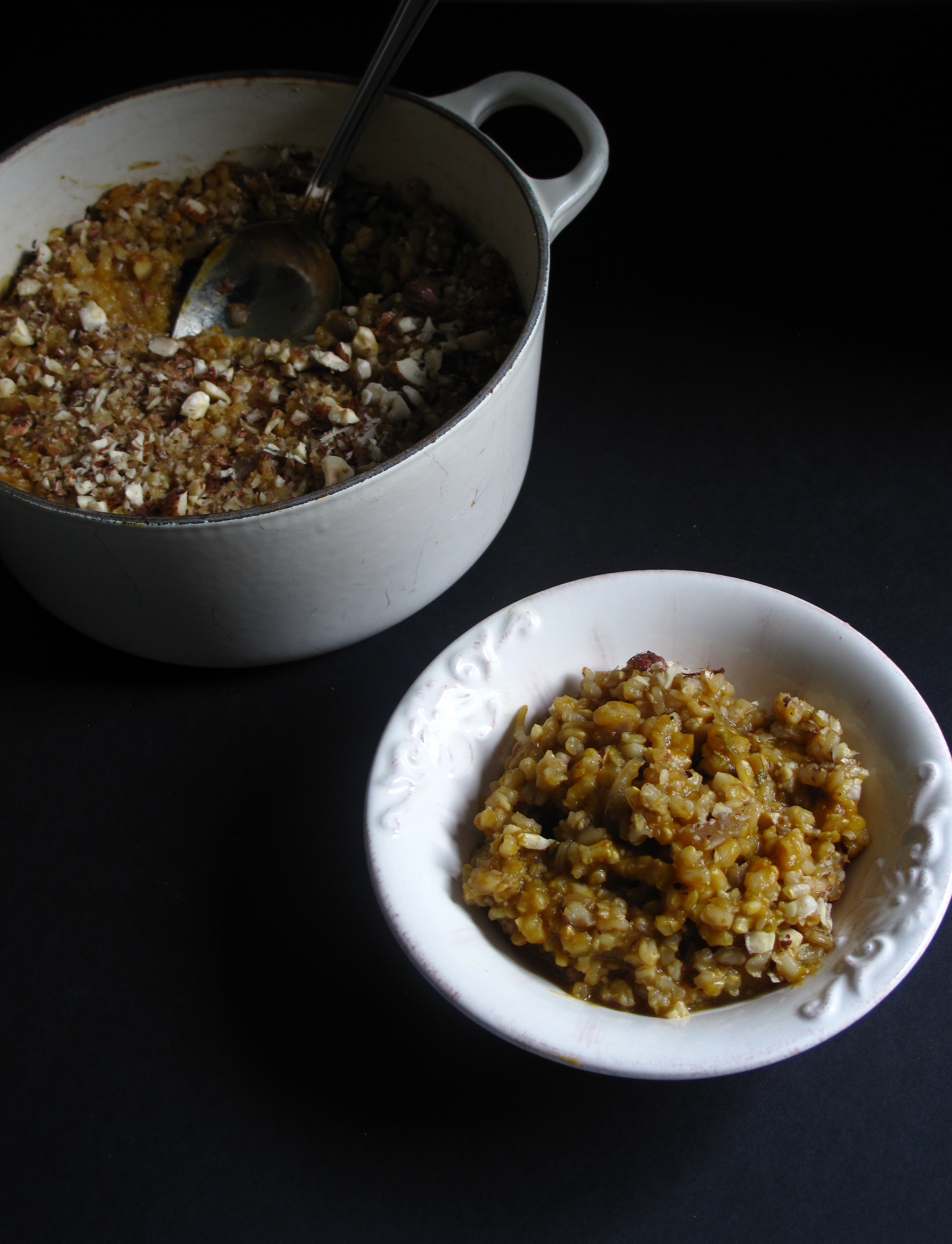
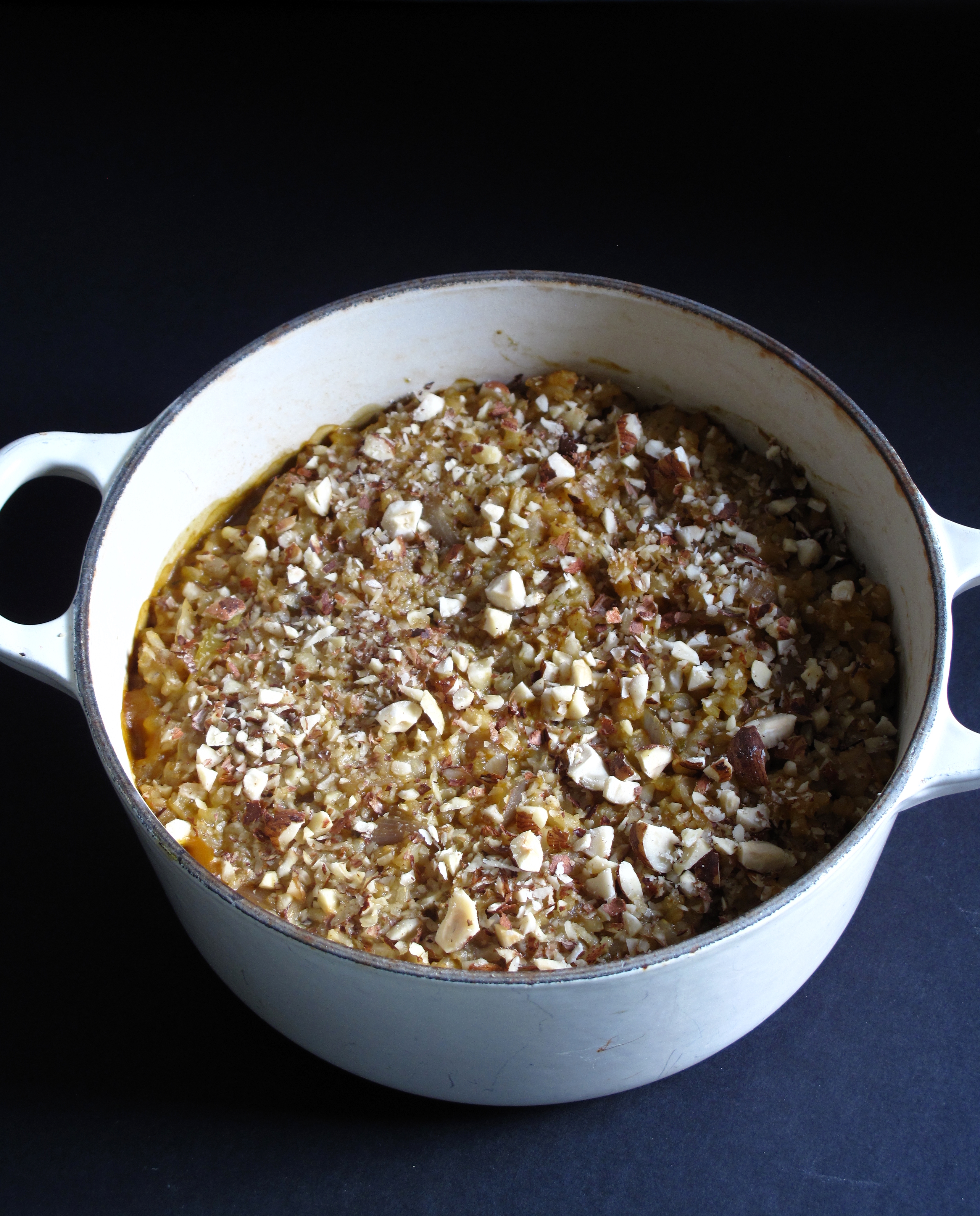
So as is my usual, I’m eating warm and wintery vegetables this January and this creamy, dreamy pumpkin risotto is one I know I’ll be making for years to come during the winter season. I first began making it way back in November and shared it at Thanksgiving with the fam. While I love all risotto, this one uses short grain brown rice, which gives it that creamy risotto texture which usually only comes with arborio or other traditional risotto rice varieties. It features caramelized onions, sage and rosemary, pumpkin puree, a hint of sweetness with a spoonful of maple syrup, and is rounded out with Progresso’s rich and savory vegetable stock. Now available in grocery stores nationwide in the soup aisle, Progresso has officially launched a new line of premium Cooking Stocks, made by simmering real bones, vegetables and herbs to create a flavor that’s close to homemade. I’ve made my own vegetable stock and I can honestly say Progresso’s tastes quite similar to my own version. Since this risotto itself is already more of a weekend endeavor, I like the shortcut of purchasing a nice cooking stock rather than making my own or using water only.


IMG_8973


Pumpkin, Sage + Rosemary Baked Risotto, serves 4

1/2 Tbs. coconut or olive oil

1/2 large red onion, thinly sliced

1 cup short grain brown rice

1 cup pumpkin puree

2 Tbs. cashew cream (see note)

1 Tbs. maple syrup

3/4 tsp. salt

3-4 sprigs fresh rosemary, destemmed and leaves finely diced

1/2 Tbs. finely diced fresh sage

pinch of ground black pepper

3 cups Progresso Vegetable Stock

2 Tbs. toasted and chopped hazelnuts

  1. To caramelize the onion: warm the oil in a large skillet over medium heat. Add the onion, stirring to coat. Decrease the heat to low and let the onion cook until dark golden brown, about 25 minutes. Stir as little as possible, but enough to keep the onion from sticking to the pan or burning.
  2. While the onion is caramelizing, parboil the rice by bringing a pot of water to a boil. Stir in the rice, decrease the heat to medium, and cook until the rice is half tender and slightly enlarged, about 12-15 minutes. Drain it and set aside.
  3. Preheat the oven to 375 degrees F and lightly oil a 9×9 inch baking dish or 2-quart dutch oven.
  4. In a large bowl, stir together the pumpkin puree, cashew cream, maple syrup, salt, pepper, and herbs. Fold in the onions once they are caramelized and the rice. Scoop the mixture into the baking dish and spread it out so the top is nicely level.
  5. In a saucepan, over medium-high, bring the vegetable stock to just below boiling. Put the baking dish in the oven, and then slowly and carefully pour the hot vegetable broth over the top.
  6. Bake, uncovered, for 40-50 minutes. The risotto will still be a little loose and have a layer of liquid still on top. It will continue to soak up liquid as it cools.
  7. Remove from the oven and top with chopped hazelnuts. Let cool for 15 minutes before serving.


Note: To make cashew cream, soak 1/4 cup raw cashews in water for at least an hour. Drain and add to a high-speed blender or food processor. Add 2-4 Tbs. water and puree until completely smooth. You now have your cream for this recipe and a little extra for another time. The extra freezes well.

As part of The Recipe Redux Progresso Comfort Food Flavor Boost Challenge, I received free samples of Progresso Cooking Stock mentioned in this post at no cost. By posting this recipe I am entering a recipe contest sponsored by Progresso Cooking Stock and am eligible to win prizes associated with the contest. I was not compensated for my time.


Smoky Pear Tea Cakes

IMG_8719


As it turns out, I am a giant nerd. I’ll gladly take an evening in with a good book just about any day. I take books to all family gatherings and long road trips. I have no problem sitting in a room full of people, disengaged from the small talk, reading. Like a true nerd, I love libraries and bookstores, and of course, good old-fashioned books.


Nerdism started early but back when I learned to read, I was a slow learner and had to go to Mrs. Ashcraft’s for special reading class. After Mrs. Ashcraft worked her magic, I was reading giant chapter books far beyond my grade level in a matter of weeks. To this day, reading is among my favorite pastimes. I still have little girl Jane Austen fantasies about long afternoons in the parlor with all my best gal pals reading and eating tea cakes. The one time this came even close to happening was last year in Victoria with William. We stayed at a B&B with a serious library, complete with fireplace, cozy chairs, a pot of English tea, and a good book. Those quiet mornings in the library were magical.


Back in reality, I’m often asked if I like to read. Though I’m open about my interest in books, I often share only the lighter things I’m reading when people ask–and it is a rare day when I snag more than 10 minutes or so at a time with a book. Since The Recipe Redux theme for this month is quick bread and I can think of no better time to enjoy a slice or two than on a slow weekend with tea and reading materials, I’m sharing all the good books I particularly enjoyed in the past year. If you are in need of a new one to read or cook from, or need gifting ideas for the holidays, read on. Or skip to making these smoky pear tea cakes and enjoy a slice over something from your own selection.


IMG_8740 IMG_8739


Non-Fiction

When Women Were Birds: Fifty-four Variations on Voice, Terry Tempest Williams

This is the book I’ll gift to my former English-major friends. It is a memoir on Williams’ experience with her mother’s death and the resulting discovery of finding her voice. Of all the books in this list, it is the most beautiful and capturing to read.


Me and My Mate Jeffrey, Niall Breslin

Written by former professional rugby player and singer, Niall tells of his struggle with extreme anxiety disorder, how he kept the panic attacks and chronic insomnia a secret for 15 years, how it led him to give up on several careers, and ultimately to become a spokesperson leading the way for the discussion of mental health to be less stigmatized in our society. I can identify with much of Breslin’s mental struggles (though not how they present themselves) and his finding of endurance athletics and mindfulness to manage them. I can’t wait to see what happens when we as a society let go of the shame surrounding this topic and address it as we do other areas of health. I highly recommend this book to just about everyone.


The Five Elements of Self-Healing: Using Chinese Medicine for Maximum Immunity, Wellness, and Health, Jason Elias

I picked this one up at the library randomly and I’m glad I did. This book focuses heavily on addressing health from the standpoint of whichever Chinese Medicine element an individual identifies with most strongly. It also gives tools to balance oneself and delves deep into many common illnesses, starting with the most exterior (cold and flu) and moving to the most interior (diabetes and cancer). I’m super fascinated with Traditional Chinese Medicine and this was an easy to understand book that I will refer to again.


Between Heaven and Earth, Harriet Beinfield and The Web That Has No Weaver, Ted Kaptchuk

Both Between Heaven and Earth and The Web That Has No Weaver are great introductory texts that explain Traditional Chinese Medicine and bridge the gap between eastern and western medicine. I really enjoyed Between Heaven and Earth and am still making my way through The Web, but am adding it to the list anyway because I often find myself taking copious notes from it. I would definitely consider purchasing either of them to use as a reference when life gets chaotic.


Eating on the Wild Side, Jo Robinson

The premise of Eating on the Wild Side is that our modern foods have lost the rich nutrient content of their wild ancestors–and few of us are going to go gather wild herbs to eat every day to make up the difference. Instead, Robinson provides an exceptional resource on the most nutritious varieties of common fruits and vegetables, including how best to store and prepare them to ensure as many nutrients as possible actually arrive to our bodies. I took this book to work and made a handout for parents in our programs. My co-worker, who teachs a preschool parent-child health and nutrition class, says this is the number one handout that parents ask for and repeatedly refer to.


Lentil Underground, Liz Carlisle

This book is about a group of renegade farmers in Montana who eschewed the norms and started an organic lentil and bean farming revolution in an area that was typically conventional dryland wheat. I was able to listen to Liz Carlisle in person, as she and the farmer, David Oien, presented at my university a few months ago. The number one thing that stood out to me from this story was the sheer amount of work–double decade long lifework–that comes with eschewing the norm and following your dream. If you are at all interested in the food movement and sustainable farming systems, this is definitely one worth reading.


Running With Joy, Ryan Hall

I own this book and refer to it often for spiritual guidance. Essentially, it is Ryan Hall’s daily training journal as he prepared for the 2010 Boston Marathon. For me, it reads as a runner’s daily devotional. It’s a good one for gaining perspective on finding joy both in running and in life. 


Fiction

Skippy Dies, Paul Murray

When it comes to fiction, I often look to the award winners and the books that are short-listed. This one is a weighty novel (600+ pages) about a boy at a Catholic boarding school. The title gives away what happens and Skippy dies right away within the first chapter. This is a captivating journey into the world of teenagers, drawing the reader into their often nonsensical thinking patterns and how the opposite sex can become an all-consuming obsession. Rife with humor, drama, backstabbing, teenage confusion, mental health problems, and of course death, this book reminded me of both what it was like to be a teenager, and how the teens I work with often view the world from a very different lens than my own. And finally–this book is exceptionally well written. Murray has a special kind of voice as only the most gifted writers do.


The Master, Colm Tóibín

Tóibín is an exceptionally talented writer and this novel is about the famous novelist, Henry James. I loved the imagery that took me into James’ life, and Tóibín was able to make the seemingly drab doings of a writer come alive. I also learned an amazing tactic both to navigate uncomfortable social settings and to view life as a writer does. If you haven’t read this or any of Tóibín’s other novels, I highly recommend him. His books are gold.


Ella Enchanted, Gail Carson Levine

One of my favorite pre-teen stories, I reread this one recently (again) and as always, loved it just as much as my 11-year-old self. This fun and easy remake of the Cinderella Story is actually a good one and is FAR better than the horrible movie that was made out of it.


Cookbooks

Green Kitchen Travels, David Frenkiel

Written by Swedish and Danish couple David and Luise of the lovely blog, Green Kitchen Stories, this is the cookbook that most aligns with my style of cooking. Sometimes simple and easy, sometimes off-the-wall combinations of textures, ingredients and flavors, and often vividly colored. I have been cooking through this all year long. I like it even better than their first cookbook and refer to it often for both inspiration and to make recipes as-written. A word about their diet: David is vegetarian, Luise is health-minded. Together, they share recipes that are always both but can contain dairy, eggs, and gluten, but often do not. I find it super easy to sub these ingredients and have loved nearly every recipe I’ve tried.


Ard Bia Cookbook, Aoibheann MacNamara

This book, titled after its namesake restaurant, is lovely to simply leave on the coffee table because it is so beautifully put together. Whenever I read it, I want to cozy up in a lovely restaurant near the ocean on a dreary day and drink tea and watch the other customers leaf through newspapers and chat about scholarly things. The pantry section is my favorite part and leaves me super happy that a restaurant cookbook provides more than just recipes for meals. There are exotic seed and spice mixtures, infused oils and vinegars, chutneys, and the like.


The Sprouted Kitchen Bowl + Spoon, Sara Forte

I love just about every one of Sara’s bowl recipes, and I’ve tried TONS of them. There is no way I could choose a favorite, but the lentil-stuffed poblano chilies over a butternut mash which I had recently was particularly good. Sara cooks with a vegetable-heavy hand and when she includes cheese, it is often as topping and is never missed by us.


Whole Grain Mornings, Megan Gordon

This is a lovely brunch book that I’ve checked out from my local library for several months (more than once). I love the sheer variety of breakfasty options all arranged by season, and the fact that 90% of the recipes can instead be eaten either as dessert or dinner. If for no other reason, Megan’s recipes for granola are the BEST, which should hardly be surprising as she founded a granola business.


What good book are you reading? I always need more inspiration.


IMG_8751


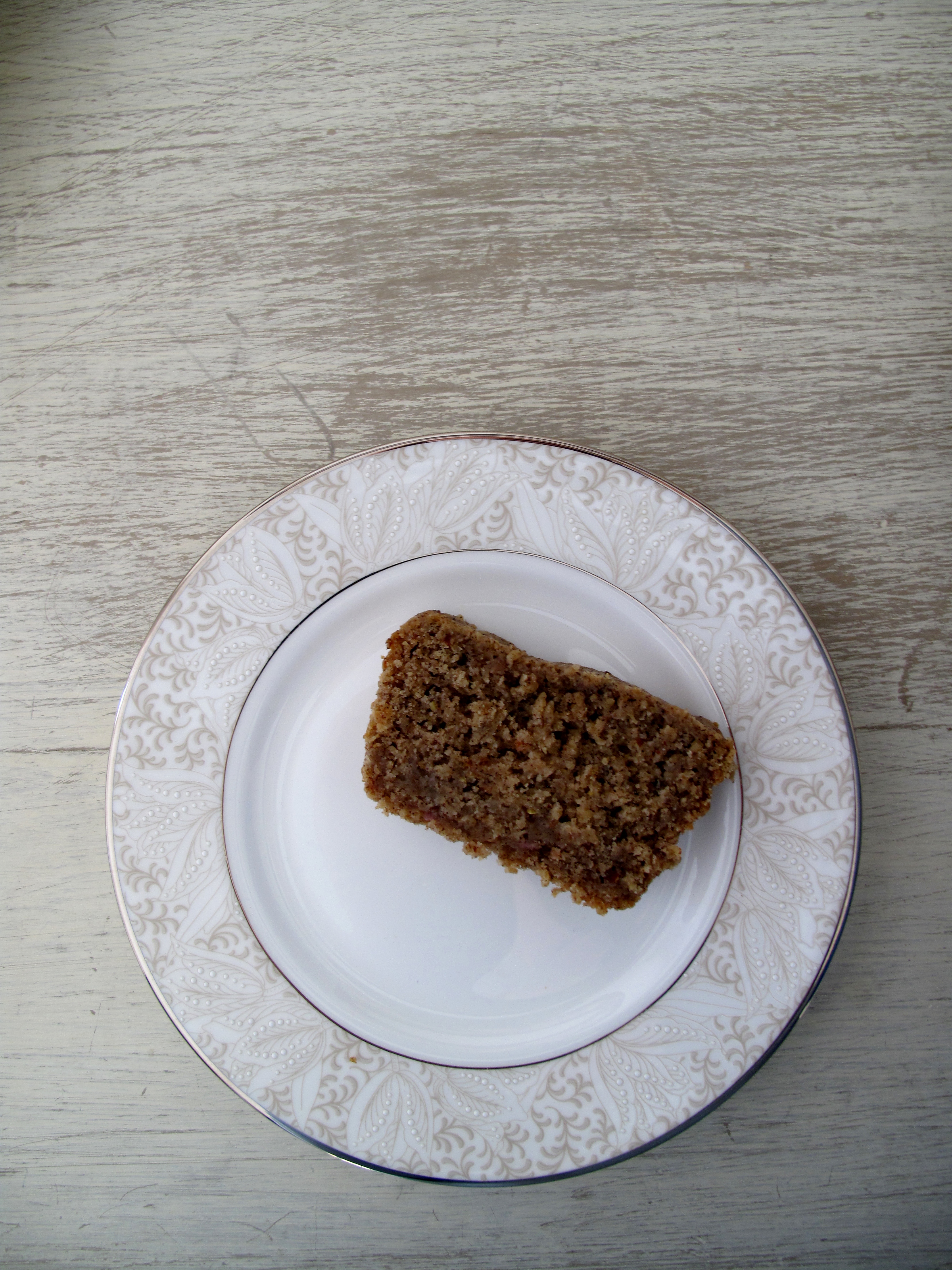
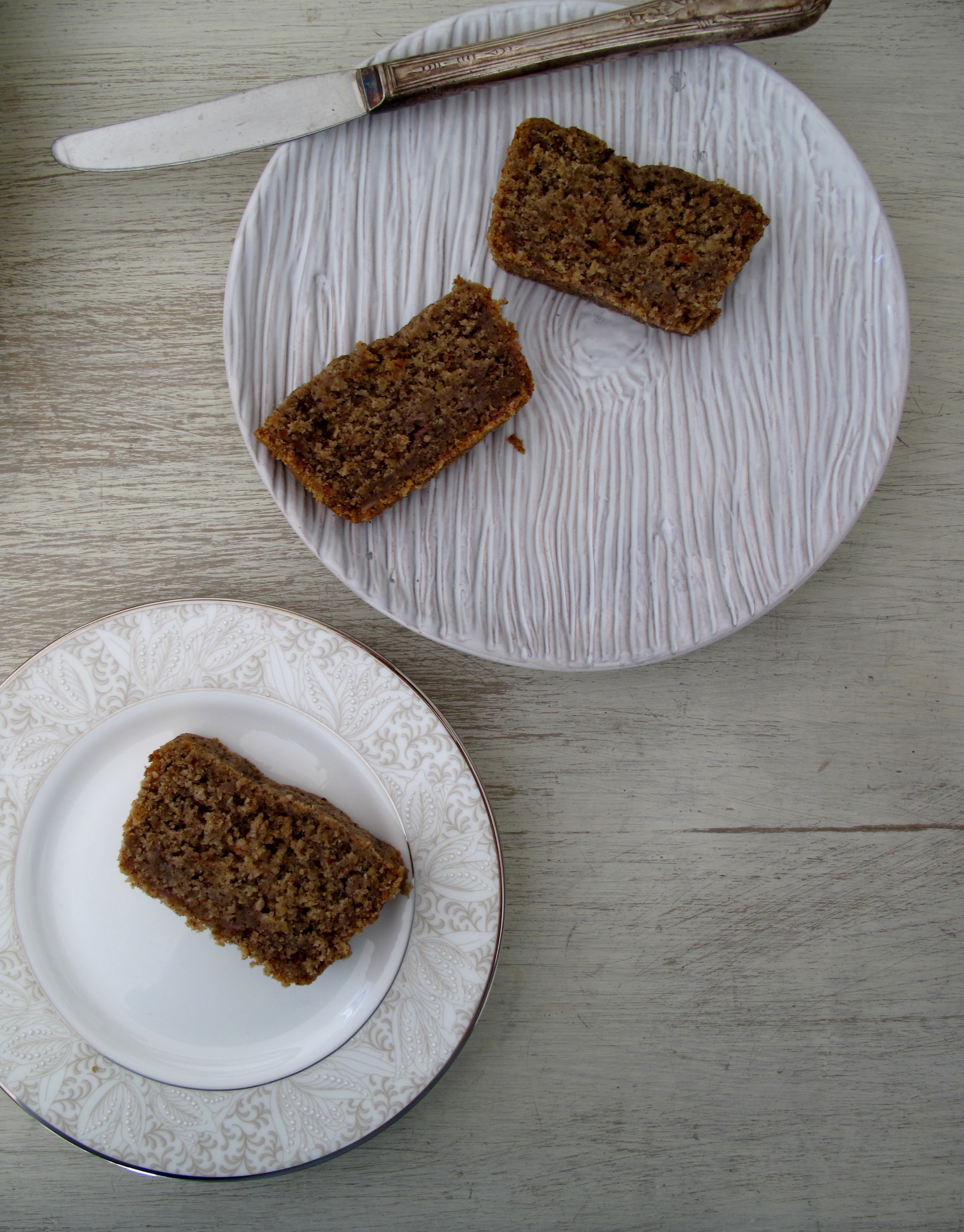
Smoky Pear Tea Cakes

We are enjoying Thanksgiving in eastern Oregon this year with my family. I can’t wait for a long weekend of cozy reading, hugging babies and toddlers, and catching up with the folks and relatives. Plus, I have a whole freezer of not quite good enough versions of this cake to hand over to my sugar-loving, thinks-he’s-sweets-deprived father, who will gobble it all up in no time. The trick with this cake is to find some good quality Lipsang Souchong tea which has a smoky flavor due to the leaves being dried over a fire. The pairing of the smoky tea and soft, ripe pears is subtle but prominent, especially when slightly warm. The smoke and sweet combo captures this time in the season perfectly. 

1 cup +  ~2 Tbs. boiling water
4 tsp. Lipsang Souchong tea leaves
2 Tbs. ground flax seed
6 Tbs. hot water
3/4 cup oat bran, certified gluten-free
1 1/2 cups gluten-free flour mix or flour of choice
3/4 tsp. baking soda
2 tsp. baking powder 
3/4 tsp. salt
1 1/2 cups cored and shredded soft pears (~ 2 medium)
1/2 cup honey
1/3 cup canola oil
1 Tbs. pure vanilla extract
  • Preheat the oven to 350 degrees F. Oil and flour four mini-loaf pans or one 9×5-inch loaf pan.
  • Bring about 1 1/2 cups water to a boil. Pour slightly more than 1 cup of it over the tea leaves and allow them to steep for a while.
  • In a small dish, whisk together the remaining 6 Tbs. hot water and ground flax seeds. Set aside to form a thick slurry.
  • In a large bowl, combine the oat bran, flour, baking soda, baking powder, and salt. Mix well and set aside.
  • Grate the pears using the large holes of a box grater. Don’t include the core and seeds.
  • Strain the tea and pour 1 cup of it into a liquid measuring cup. Add the honey, oil, vanilla, pears, and flax mixture. Mix it all together thoroughly.
  • Pour the liquids into the dry mixture and stir the batter until just combined.
  • Fill the loaf pans equally and bake until a toothpick comes out clean, about 35-40 minutes for mini loaves or 50-60 minutes for a large loaf.