Transitioning Your Eating into Spring

When it comes to eating and ingredient choices, eating in tune with the seasons can go a long way towards creating an internal environment that leads to lasting health.

You know you don’t choose the same foods on a hot, sticky summer day as you do in the middle of winter. But what about a blustery spring day when the options at the farmers market (or grocery store) can be a little lackluster?
Below are a few tips for transitioning your eating into spring, as well as a deeper look at the why behind them.

Tips for Eating in the Spring

  1. Avoid congestive foods – these are generally foods that are heavy, cold, and wet.
    This includes refined grains and sugar, dairy (especially cold, sweetened dairy products, like ice cream, and fruit-sweetened yogurt), processed / pre-packaged meals and takeout, high fat foods, excessively salty foods (miso, soy sauce, restaurant meals), wheat products – a heavier grain that is inflammatory when digestion is compromised.
  2. Add in more dark leafy greens!
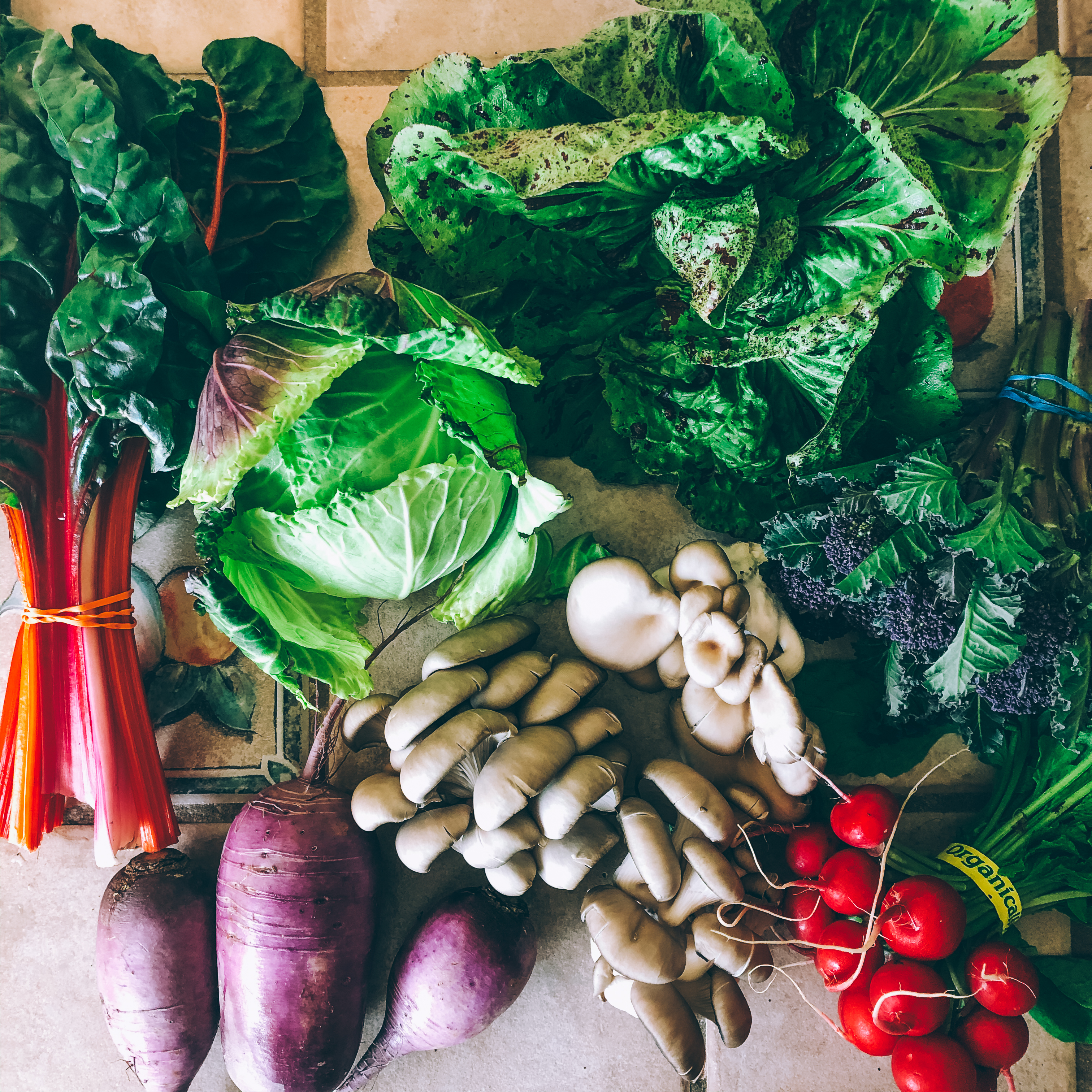
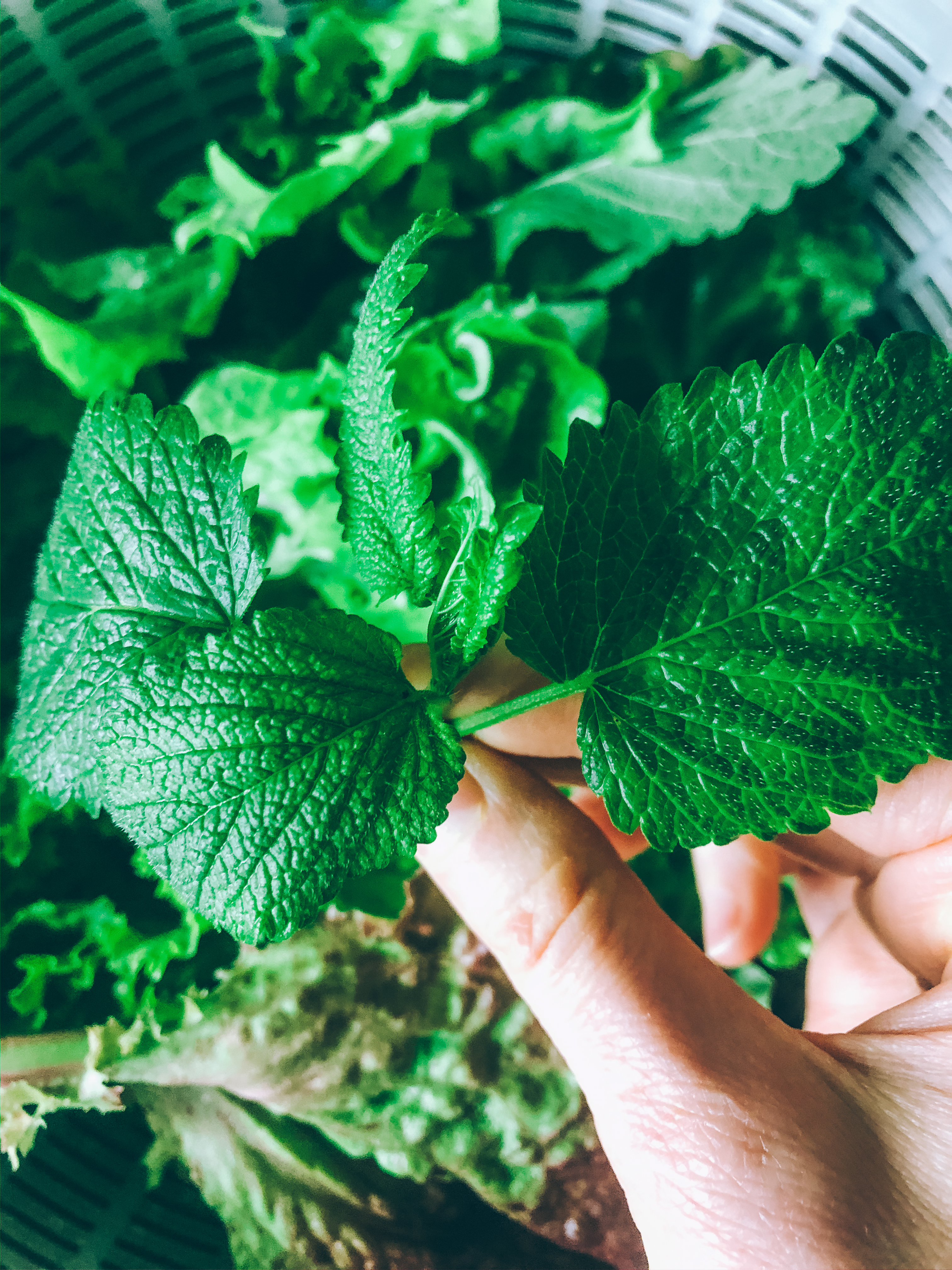
    What grows in spring? GREENS! Early spring greens tend to be bitter, pungent and cleansing. They’re perfectly designed to balance us after a winter of heartier fare.
  3. Sip on warm beverages rather than cold water and drinks.
    For many individuals with compromised digestion, this tip will always be true, but spring is a time of year when this is true for everyone.
  4. Sip on dandelion and/or burdock tea.
    These are bitter, detoxifying roots, and are nearly always included in any herbal “detox” formula. They support healthy liver function and help the body get rid of unwanted waste products and excess moisture.
  5. Try to eat three meals each day with little snacking.
    Or if you’re quite active, four balanced meals with no snacking in between. Giving the digestive system time to rest by about 3.5-6 hours after each meal really supports its ability to fully digest the last meal before the body has to begin digestion again.
  6. Get Moving!
    Getting your heart rate and circulation up and breaking a sweat regularly is an excellent way to promote optimal detoxification – of environmental toxins and pollens, of hormones, of inflammatory substances from foods. Moving promotes lymph flow, which when stagnated leads to congestion, mucous, retaining water, and sluggish digestion.
    If you’re already active, and perhaps training for a spring race, make sure you balance some of that heavier training with slower movement, and gentle yoga or daily self-massage that can gently move out some of the extra inflammation that can accumulate during this season.
  7. Up your spices!
    In the springtime, spices help the body to warm up and remove mucus. They also promote optimal digestion, and help to digest more difficult foods such as beans and legumes.

Broccoli Olive Sourdough Pizza – emphasis on the broccoli topping!

The Why: Energetics of Early Spring

First, look at the energetics of the season, or the energetics of the weather outside today. Energetics means the quality that is present in the environment, your body, or the ingredient, and the effect it has. The most basic energetics to work with are hot, cold, (and thus heating or cooling), and wet, dry (and thus (moistening/dampening, or drying).

In most places in the northern hemisphere, late winter and early spring tends to be cool or cold, and wet or damp. When we’re using a food as medicine approach, we do so by eating in a way that has the opposite quality of the body or of the seasonal environment that we’re a part of – eating in this opposite approach then provides balance for the body to be at, or return to equilibrium, where health occurs.

So in the cool, damp weeks of early spring, we want to eat meals that are warm and perhaps slightly drying in nature. One of the easiest ways to work with this component is by eating all meals cooked, and adding in more spices as we’re preparing foods. In terms of spices, nearly every common cooking spice will be drying in effect. Many of them will also be warming, and some will be more warming, or just plain hot, than others –like garlic, chilies, onion, and ginger.  

Energetics of Your Body

Now take a look at what’s going on in your body. Do you tend towards having symptoms of spring allergies, mucus, a wet phlegmy cough, swelling of the lower legs, retaining water, lack of appetite, or sluggish digestion where you eat and feel full for hours, like food is heavy and just sitting in your belly? This means you can use more warm and drying foods and spices! 

Key spices to incorporate into meals in late winter and early spring season include black pepper, cinnamon, ginger, cloves, nutmeg, horseradish, cayenne and chili in small amounts, garlic in small amounts, fenugreek, mustard seed, cumin, turmeric, ajwain, rosemary, thyme, sage, and oregano.

Putting Them Together: Cook with Three Spices


One of the best ways to start spicing your foods without it becoming an overwhelming task is to choose three spices to use in each meal. For breakfast, if you’re having something warm and porridge-like, such as oatmeal, incorporating a trio of spices in the total amount of ¼ – ⅜ teaspoon is just about right.

A couple combinations to start with include:
⅛ teaspoon each of ginger, cinnamon, and nutmeg
⅛ teaspoon each of ginger, anise seed, and cardamom
⅛ teaspoon each of ginger, turmeric, and cinnamon

In midday and evening meals, we can slightly increase the total amount of spices to about ½ – ¾ teaspoon total per person.

Some Spring Spice Combinations include (amounts per serving):
¼ fresh garlic clove, ¼ teaspoon each of rosemary, and oregano
¼ teaspoon each of cumin, mustard seed, turmeric
¼ teaspoon each of fenugreek, sage, and rosemary
¼ teaspoon each of fresh ginger, turmeric, and a pinch of black pepper

If you’re using other people’s recipes to cook with, adjust the spicing according to what you’ve learned above, particularly about your body. Most modern recipes over-rely on heating spices and condiments. 

An example is a recipe with several cloves of garlic, chilies, several tablespoons of fresh ginger, tamari, soy sauce, or miso, all in one. This is a recipe that’s probably going to burn us up internally, even if you and the season is running cold! You can tame the recipe and spice level by slowly reducing the amounts of each spice, or switching an ingredient out for one that has a milder effect of the same quality, such as using a pinch of black pepper instead of a ½ teaspoon of cayenne, or using 1-2 teaspoons of finely grated fresh ginger in a recipe that calls for 3-inches of the fresh root.

Signs of Balance and Imbalance

Ultimately, the goal is to feel good in your body and mind in each season. 

During this time of year, signs of balance include slowing down more than other times of year to rest more, having steady energy throughout the daylight hours, maintaining a healthy immune system and response, and eating to nourish yourself with no signs of impaired digestion.

Signs of imbalance include over committing, feeling depleted throughout the day, stagnation (mentally or physically), depression, mucus in the respiratory system, overeating  (especially high sugar, extremely rich, or cold foods), and having heavy, sluggish digestion with reduced or no appetite.

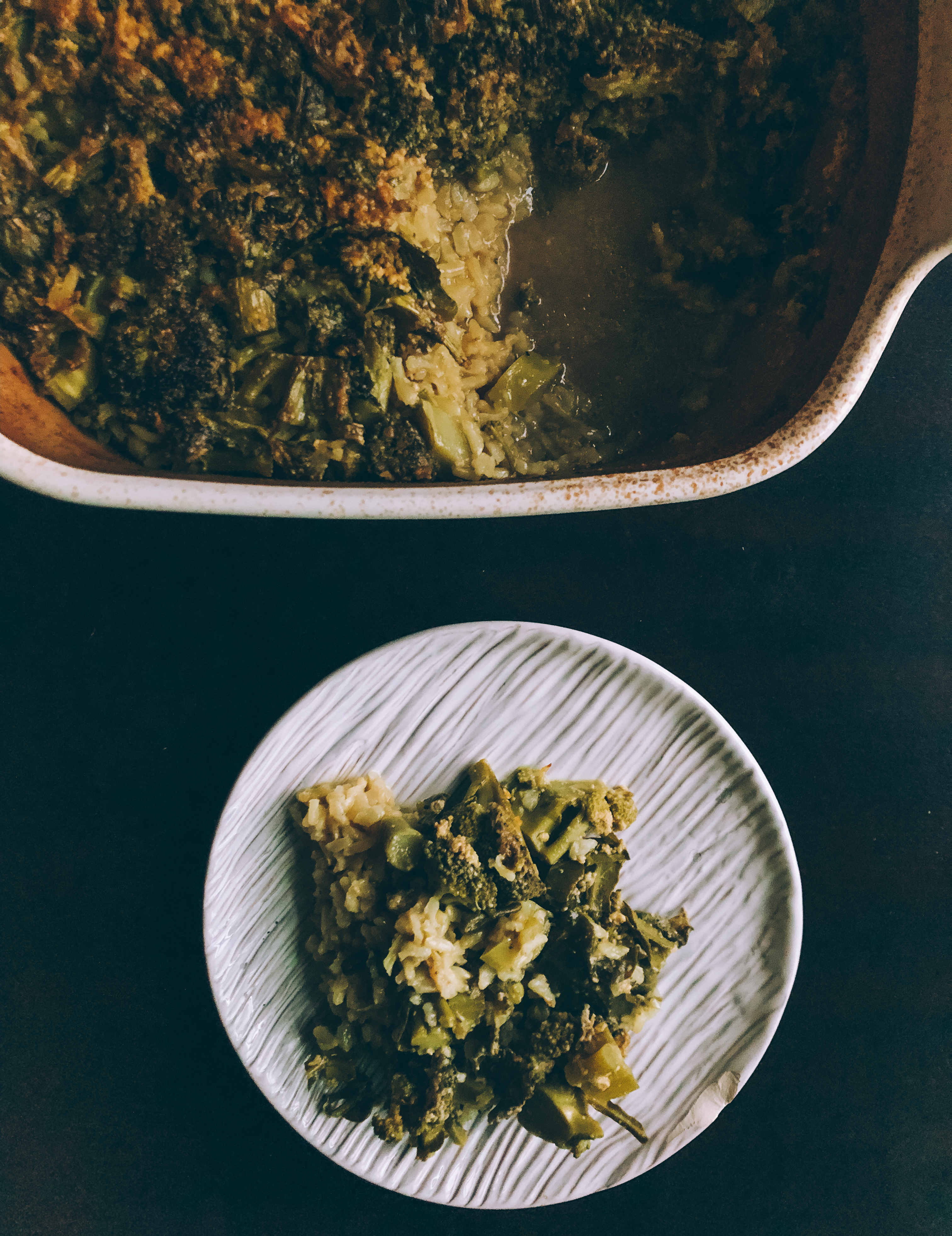
Broccoli Rice Bake

and a tip for taking care of digestion during the holidays and beyond

Before I get to the recipe below, there’s one little nutrition tip I want to share today that just about every one of us can use, especially during the holiday season. It’s simple – but can go a long way in terms of improving negative digestion symptoms, in addition to energy, having a steady appetite, clear skin, and focused thinking.

It’s that we should leave out habitually grazing or snacking throughout the day.

When we’re in a pattern of habitual grazing all day, or feeling constantly hungry or snacky, it’s often because we haven’t eaten enough at a previous meal. Or we’re eating for emotional comfort, or simply skipped a previous meal altogether. Or we’re doing those holiday gatherings that involve no real meal but constant “finger foods.”

In any of these cases, eating when the last meal hasn’t fully digested can put the body in a stressed state and leave us with indigestion, bloating, fluctuating energy levels, and a whole host of other symptoms. When we snack on the go or while distracted during our busy days, the same uncomfortable symptoms often occur.

But what about for athletes? I know many of you, like me, move your body a lot and need more food to be getting enough for your needs.

As endurance athletes doing daily workouts or training for an event, having a snack or two during the day is reasonable. But we should not feel constantly hungry, or hungry every hour or two.

Eating again before the last meal has finished digesting puts a lot of stress on the digestive system and it can’t do either job of processing the new food or assimilating the last meal effectively. This goes for everyone, regardless of whether you notice negative symptoms or not.

Aim to have snacks about four to six hours after your last meal has been eaten, and two to three hours before your next meal. This is the length of time it takes to fully digest your meals. For a person that is active less than an hour per day, three meals is usually plenty. For those who are more active, an eating schedule with a snack built in to get enough food might look like having breakfast at 7am, lunch between 11-12:00 pm, a snack around 3-4pm, and dinner between 6-7pm.

Do you feel worse when you constantly snack or graze throughout the day? I know I do. Try cutting all snacks or sticking to the above schedule for a week or two, and see how much better you feel.

Now, for something nourishing to eat during your actual meals. At least during one holiday of every year while growing up, there was my mom’s Broccoli Rice Casserole, which we all craved. Likely a holiday meal because it involved ingredients we didn’t eat any other time of the year (processed cheez whiz and instant rice), I have no idea when the tradition began, or when/if it ended, but we all enjoyed it.

Several years in to a dairy-free lifestyle, I tried upgrading the recipe to be based around whole foods and be dairy-free as a final project for one of my grad school cooking labs. Like most vegan / dairy-free recipes trying to mimic a cheesy taste, the result I got was trying too hard to stimulate all the taste buds with the nutritional yeast, miso, garlic, etc. combination of flavors, and I never really landed on a finished recipe that I wanted to remake year after year.

Then I stumbled upon the flavor/spice combination below while having a little creative session in the kitchen earlier this year. Without intending to, the result ended up being exactly what I was going for in the failed recipe revamp. And here we have it! A whole foods remake of the Broccoli Rice Casserole I loved from youth.

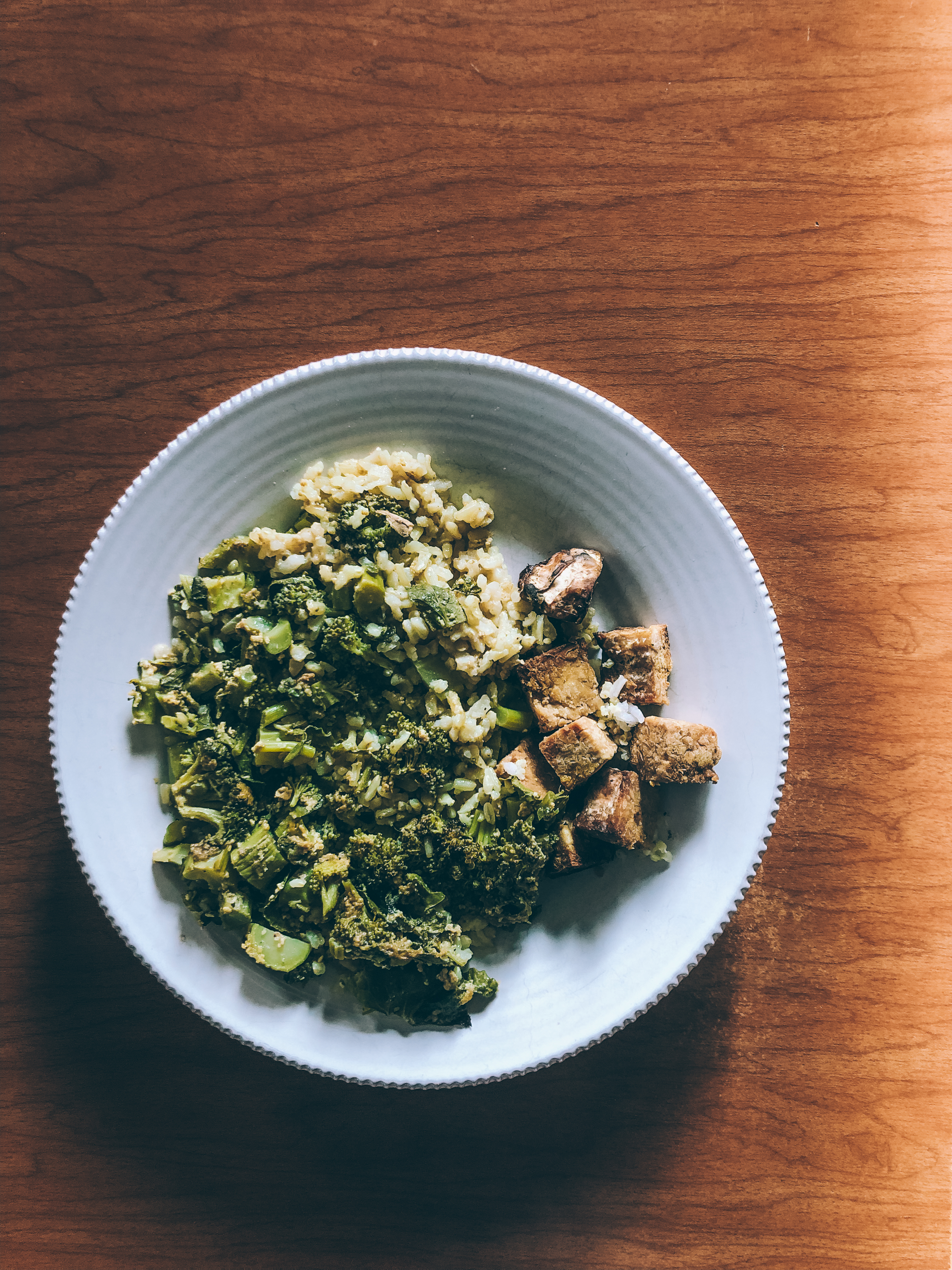
Broccoli Rice Bake

This is a far cry from, yet extremely reminiscent of the cheezy Broccoli Rice Casserole I grew up eating around the holidays. The combination of the spices, tahini and coconut milk seem like they’d yield a curry rice bake – but the result is actually far more subtle and more in line with the cheez whiz, instant rice, and cream of mushroom soup combination of childhood. It’s creamy, comforting, and a perfect addition to either a holiday or an everyday winter’s meal. 

Prep:  4-8 hours soaking (optional but recommended)   | Cook: 1.25-1.5 hours  | Serves: about 4

3 ½ cups (320 gr) chopped broccoli
1 cup (185 gr) brown rice (soaked for at least 4 hrs)
1 tsp. salt
¼ tsp. ground fenugreek seed
¼ tsp. ground fennel seed
1 ½ tsp. grounding masala spice blend or curry powder
2 tsp. minced fresh ginger root
3 Tbs. (45 gr) tahini
1 cup (240 ml) coconut milk*
2 1/2 cups (600 ml) water

  1. Preheat the oven to 350°F (180°C ).
  2. Spread the broccoli out in a 9×9″ baking dish along with the soaked (and drained) rice. Set aside.
  3. Stir together the spices, fresh minced ginger, salt, and tahini into the coconut milk and  water. Pour over the vegetables and rice and mix. Then spread the mixture evenly, making sure that the broccoli and rice are submerged in the liquid. Cover with kitchen foil and bake for 45 minutes.
  4. Now discard the foil and increase the oven temperature to 430°F (220°C). Bake for a further 25-30 minutes, or until the broccoli and rice are cooked and the sauce starts to form a slight crust around the edges of the pan. It might look a bit softer than steamed rice consistency at this point, but will set up after removing from the oven.
  5. Let cool for about 10 minutes out of the oven before serving as a side dish.

Notes: Use canned coconut milk, the type used for cooking. Either lite or full-fat can be used but full-fat is preferred, and will result in a creamier texture and richer flavor. 
I’ve tested this a couple times in a larger, flatter 13×9″ baking pan. It still works, but the rice really benefits from a smaller, deeper pan so it can fully immerse and steam-bake, rather than dry out without fully cooking.

A simple digestion tip for when you’re struggling

The last few weeks, I’ve dropped back into a pattern I always wish to avoid. Feeling those frequent low-grade, lower belly aches, and sometimes feeling simultaneously heavy and like a giant airy balloon resides in my midsection. It’s most noticeable two to three hours after a meal, when the food has left my stomach and reached my small intestine, and around the time I’m either about to begin or am in the first few miles of my daily run or workout. 

Not so enjoyable.

This used to be my norm. It used to be so much my norm that if it were just these mild symptoms, I wouldn’t have noticed it  or done anything about it at all. I wasn’t quite as in tune with my body then, you could say. But then it became chronic. And got a lot worse before I figured out, with help, how to make the sour, painful digestion situation better.

So when you come to me and say, “I can’t believe I’m telling you this,” well, I know what you’re talking about and it’s not something that should be hush hush or shameful — at least not when you’re talking to a nutritionist. 

In the interest of providing some guidance before you start removing random foods, purchasing specialty digestive products or just holding your belly and whimpering / running to the bathroom, here’s one quick tip to improve digestion for you. 

Try One Simple Shift

It’s a shift that worked for me the last couple weeks as I switched from eating more cold/raw summer meals to putting those same foods in meals and gently cooking them.

That’s right. That’s the shift. 

Just switch to eating all your meals warm and gently cooked. 

It’s simple but especially in the end-of-summer warm days, you might have to remind yourself daily, if not with every meal, to just heat everything up. I don’t heat up some foods, and eat others raw, like including a side salad with a meal. Warm all of it up. Do a quick 30 second to 1 minute sauté of your salad ingredients in your vinaigrette in a sauté pan, if that’s easiest. Oh, and chew it all well.

Think of your digestive ability like a campfire. Too hot and everything burns up and gets singed too quickly, like that marshmallow or hot dog you’re roasting. Too cold and nothing really cooks at all. It just smolders along half-heartedly. That smoldering is what we’re trying to avoid here, since it’s most common when you struggle with symptoms of the lower GI.

If you’re interested in more simple digestion shifts, I wrote a mini-guide for improved digestion featuring no products, special foods, or diets which you can download. Or check out the last few blog articles on improving digestion for more ideas.