Aspects of Training the Gut for Athletic Activity: Part I

runner running
Photo by Clique Images on Unsplash
Today, let’s address training the gut and fueling during your run. This is a digestive health topic that’s pertinent to endurance athletes, particularly runners. While many athletes are wrapping up their fall season right about now, taking a little seasonal workout slow down, and/or making race plans for the new year, it’s a good time to also start thinking about nutrition and how it impacts performance for the months going forward.
Underfueling during exercise and throughout the day

Generally speaking, the general trend among runners, as compared to cyclists and triathletes, is that runners tend to under fuel during activity, despite ample science making a case for adding an energy source during long runs. It’s also very common for endurance athletes across many sports to be under fueling throughout the day(s) in their entire eating pattern, for just how much they are moving their bodies. 

There are a few reasons why runners in particular might be under fueling during activity specifically: 

  1. Blood flow changes during exercise, leading to more blood flow to the skeletal muscle and extremities and less blood flow to the GI tract, along with a shift in the GI nervous system control. These two combined can lead to more exercise-associated GI symptoms, which many hope to avoid. 
  2. Additionally, exercise load including intensity, type of exercise, and duration, can lead to more GI symptoms. Runners especially tend to suffer more because running is an impact sport and there is a lot of jostling of the GI organs while running. The longer and harder the effort, the worse and more frequent GI discomfort will be (2). 
  3. Heat and humidity also tend to increase GI symptoms (2). 
  4. Another reason may be due to confusion and/or not understanding how fueling can help. A recent conversation with a runner revealed that he had initially believed that not fueling during any training runs when he was marathon training would be beneficial because he theorized that if he then added fuel only on marathon race day, the fuel would work better. This is certainly not the only belief that an individual can have. 

Training the Gut

It’s quite common for athletes to say they don’t tolerate fuel so they don’t add any hydration or energy source during running or training. Additionally, many athletes also avoid eating or drinking before training because if they do so, it also causes GI distress.

Contrary to the belief that one should avoid fueling before or during training due to currently experiencing GI discomfort, nearly everyone can benefit from training the gut (1). So first, what is training the gut?

It’s the digestive system version of what you’re doing day after day and week after week with training the body to run longer distances and more intense paces. Back when I began running, there wasn’t any information available on the topic of “training the gut,” but it was a common recommendation to take carbohydrate fuel during training and races longer than about 90 minutes. That recommendation hasn’t changed, but depending on what event you’re training for, it will be helpful to train the gut to tolerate more fuel. This is a gradual process performed over several different long efforts rather than just testing out your race day fuel once or twice before an event, or not fueling at all.

Why is training the gut important?

 Ever watch (or simply read about) one of those eating competitions like “how many hot dogs can you eat in a certain amount of time?” The amount of food consumed by the top competitors is fairly unbelievable, right? You can bet those individuals cannot eat like that all the time. They have to train their body to tolerate that amount of food. That is an extreme example, but when we look at endurance sports, what we see is that when you fuel consistently and correctly, and depending on the length of time you’ll be competing and at what intensity, fuel A LOT during activity, what we see is better results during the event and better recovery in the days afterwards (3).

Let’s look at an example from athletics rather than eating competitions.

If you’re watching the Tour de France or any other professional cycling these days, amongst the top athletes in the sport of road cycling, staying in the peloton (or riding in front of it!) is almost as much a fueling competition as it is an athletic competition. Riders these days are training their bodies to tolerate upwards of 120 grams of carbohydrate per hour (3). The standard gel packet of endurance fuel has about 24-30 grams of carbs, so for reference that’s about five gels an hour, to give you some perspective.

While that level of fueling is not necessary for everyone for every context (intensity and time of activity matters a lot), it is the amount of fueling –and gut training to be able to take in that amount of sugar—that is leading to top results on the world tour level.

Some Practical Why’s for You

The body can only store a certain amount of glycogen (stored glucose or carbohydrates) in the muscle and liver, and for most endurance events that are lengthy and have some intensity, carbohydrate is going to be the primary type of macronutrient that your body is burning. When we fuel correctly with adequate carbohydrates during activity, you’ll be sparing yourself from depleting all the stored muscle and liver glycogen, and utilizing it from the fuel you ingest during activity instead. This is also why we see better recovery after exercise from those that fuel more during exercise – because the body doesn’t have to go to all the work of restoring as much of the depleted glycogen stores (3).

So what are the other benefits to training the gut?

Repetitive exposure to nutrition both before and during exercise leads to better tolerance of the fuel you’re consuming. Training the gut can also improve GI function during exercise, and reduce how often you might experience the all-too-common exercise-associated GI symptoms, as well as their severity. For all those athletes that have a finicky GI, some of these GI symptoms that gut training can improve or reduce include (2):

  • Gut discomfort
  • Upper GI symptoms like burping, belching, nausea and indigestion
  • Carbohydrate malabsorption (ever feel like you’re fueling during an event and it’s simply not being absorbed)?
  • Gut microbiome dysbiosis and inflammation
  • Changes in GI motility (having to go urgently, or on the flip side, being constipated)
  • Changes in capacity (how much food you can tolerate)

Likewise, the adaptations to training the gut around and during exercise can also result in improved performance (2). This is because consuming a higher carbohydrate amount both during exercise and as part of a daily eating pattern lead to enhanced glucose availability.

Learn More

In the coming weeks, I’m planning to continue this topic of fueling sports performance and gut training in more detail. Stay tuned!

If you’d like to know more, I work with clients in individual nutrition consultations, and as a Licensed Dietician / Nutritionist and Certified Nutrition Specialist, use medical nutrition therapy, integrative health measures, and a root cause approach to heal imbalanced health conditions. 
Conditions I specialize in include all digestive health imbalances and disorders, endurance athlete sports nutrition, vegan/vegetarian diets, intuitive eating, and autoimmune diseases.

If you’d like to learn more about how you can improve your symptoms of imbalance, I’d love to speak with you in a quick phone consultation

References

  1. Jeukendrup A. E. (2017). Training the Gut for AthletesSports medicine (Auckland, N.Z.)47(Suppl 1), 101–110. https://doi.org/10.1007/s40279-017-0690-6
  2. Martinez, I.G., Mika, A.S., et al. (2023). The effect of Gut-Training and Feeding-Challenge on Markers of Gastrointestinal Status in Response to Endurance Exercise: A Systematic Literature Review. Sports Medicine, 53, 1175-1200. doi:10.1007/s40279-023-01841-0.
  3. Viribay, A., Arribalzaga, S., Mielgo-Ayuso, J., Castañeda-Babarro, A., Seco-Calvo, J., & Urdampilleta, A. (2020). Effects of 120 g/h of Carbohydrates Intake during a Mountain Marathon on Exercise-Induced Muscle Damage in Elite Runners. Nutrients12(5), 1367. https://doi.org/10.3390/nu12051367

Gut Health 101: Adding More in the age of Cutting Out 

How to improve your gut health naturally and sustainably 

woman feeling good, with balanced gut health, standing in kitchen

Hi there. Just a quick message today that’s been on my mind lately. As many of you know, within the nutrition clinic, I specialize in digestion and gut health. In reality, even though someone might show up with health goals that don’t seem to do with gut health, nearly everyone with a health condition or imbalance has a gut health imbalance. 

That’s because, if your hormones or endocrine system are out of wack, there’s a gastrointestinal component that’s involved too. 

Or if you can’t lose weight (or can’t gain weight), there’s usually a gut and inflammation component to that weight resistance. 

Or if your issue is blood sugar dysregulation or some sort of cardiovascular health issue, the gut is involved, and at the microbial level, is often a big component of healing and returning to balance. 

What about common health concerns in athletes?

What about common concerns in athletes, such as low iron or iron deficiency anemia, fatigue without an iron deficiency, or poor workout recovery? First, it’s often as likely that you have an issue absorbing iron as that you’re not eating or supplementing enough, particularly because as your iron needs goes up, the digestive system, when functioning well, will preferentially absorb more iron of every bit you consume. That is true for many other minerals too. 

Inflammation – The Common Culprit

At the heart of nearly every physical ailment is inflammation. Inflammation can be systemic or localized to one body system or part, but it often begins in the gut. 

Gut Healing – Adding More Types of Foods

Over the years, I’ve given out lots of simple to-dos that one can implement to help digestive healing or rebalancing health in general (check out my last post because it’s a really good one!). 

Today, I’ll share something we don’t often hear enough about from Dr. Google or all those companies marketing their products or special diets. And to be fully honest, no single tactic you implement to heal the gut is going to solve the whole issue. This is why it’s a good idea to work with a functional nutritionist (CNS), because then you’ll get unique guidance based on your presentation of symptoms and health imbalance.

But for today, let’s just touch on the importance of eating diversely. 

Many of my clients come to me eating extremely  routine meals from day to day with little variation. That can be because they don’t feel well and don’t know what to eat. Or because they’ve gotten into a routine, or they feel overwhelmed when grocery shopping.  Or they don’t meal plan or prep.

Rather than taking away more foods and restricting your diet more when you don’t feel well or don’t know what to do, when I’m in a clinic with an individual client, I’m often encouraging him or her to be adding more foods. 

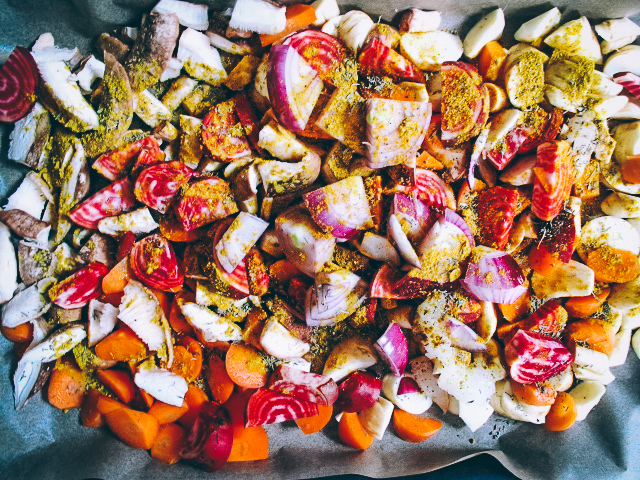
Yes, we will screen for reactivity to top foods of concern and then eliminate them when needed, for as long as needed (which doesn’t necessarily mean forever!) But beyond that, a big to-do for clients is to start adding more diversity. Instead of eating just one or two grains, like rice or wheat, I’ll have them start adding a whole host of the many other grains. Instead of eating the same small handful of vegetables from day to day, they’ll begin experimenting and adding in more colors, textures, and flavors of in-season vegetables. Instead of just eating the same almonds or pecans or cashews in their breakfast or snack, I’ll ask them to rotate every day or every time they shop. 

Why is all this important? 

A big component of both gut health and overall health is having high diversity in beneficial gut microbiome species (1,2). And you only get high diversity if you’re eating lots of different (mostly plant) foods. That’s because the food for the bacteria is what you are eating, and each species or strain will have a preferred food, meaning if you feed them what they eat, they’ll thrive, but if you don’t, their population will disappear. 

Now, if you think about the “Standard American Diet,” individuals are often eating different foods like pizza, tacos, pasta, burgers, meat and potatoes…but they’re eating mostly ultra processed foods that are the same small rotation of foods at the ingredient level: corn, soy, wheat, sugar, beef, pork, chicken, cow’s dairy, a small handful of processed oils. 

With a diet with minimal diversity, there’s not much to work with at the gut microbial level, particularly because the balance of microbes that’s going to help the gut thrive, are mostly species that feed on plants.

Eating the Rainbow

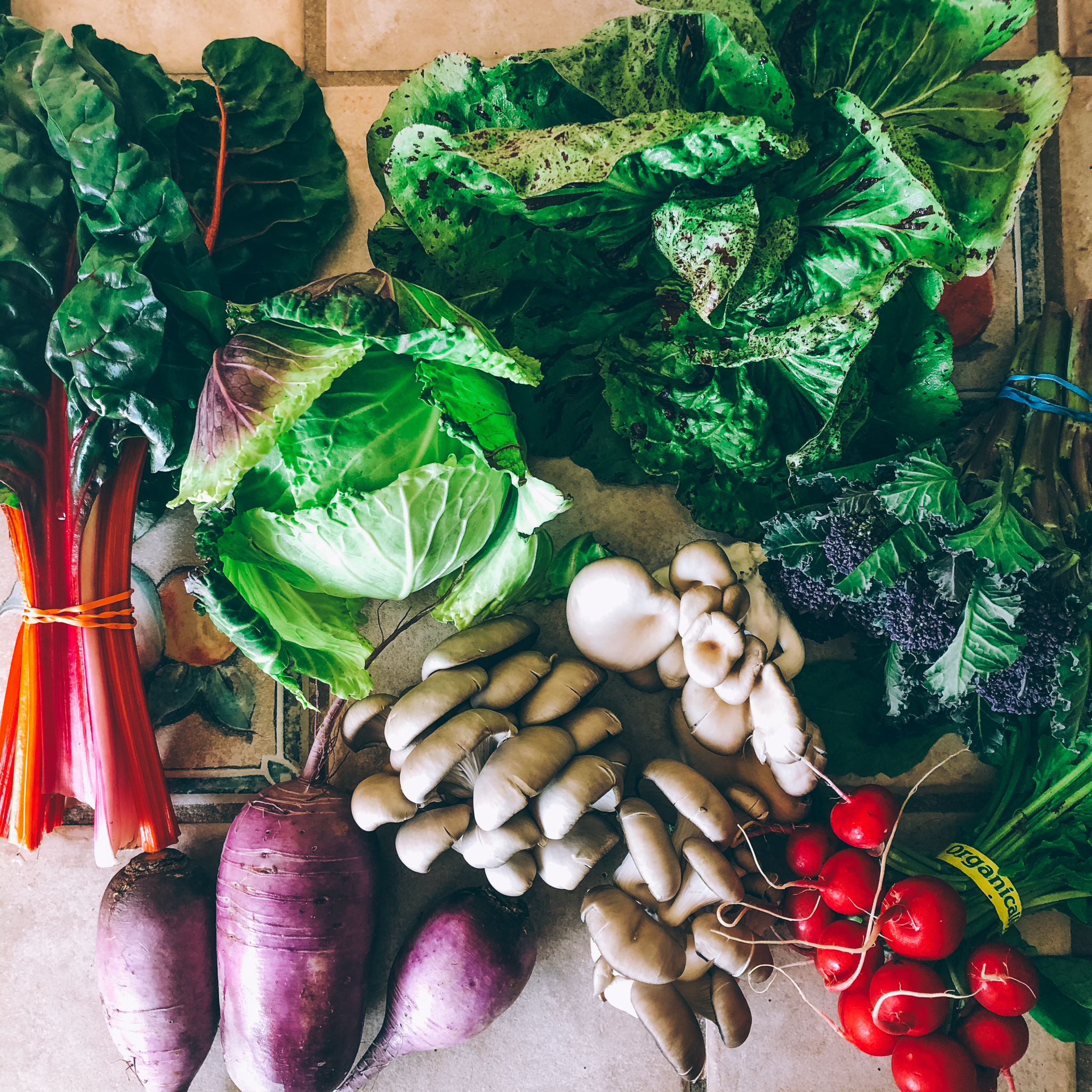
When working with clients, a tactic I often recommend is to eat the rainbow – shopping for and preparing foods that are in season, and different from week to week and season to season.


In the nutrition clinic, I work with clients in individual nutrition consultations, and as a Licensed Dietician / Nutritionist (LDN/LD) and Board-Certified Nutrition Specialist (CNS), use medical nutrition therapy, integrative health measures, and a root cause approach to heal imbalanced health conditions. 

If you’d like to learn more about how you can improve your symptoms of imbalance, I’d love to speak with you in a quick phone consultation

References:
1. Gomaa E. Z. (2020). Human gut microbiota/microbiome in health and diseases: a review. Antonie van Leeuwenhoek, 113(12), 2019–2040. https://doi.org/10.1007/s10482-020-01474-7 2. Hills, R. D., Jr, Pontefract, B. A., Mishcon, H. R., Black, C. A., Sutton, S. C., & Theberge, C. R. (2019). Gut Microbiome: Profound Implications for Diet and Disease. Nutrients, 11(7), 1613. https://doi.org/10.3390/nu11071613

Coconut Macaroon No-Bake Cookies

GUTSY Performance Nutrition Coconut Macaroon No-Bake Cookies

I have a handful of routine no-bake cookie and energy bar formulas I frequently use to make tasty (and still nutritious) treats and snacks. In the winter, I often make a gingerbread variation. Or for routine mid-afternoon snacks, I’ll make a date / hemp protein / apricot / nut or seed energy bar variation.

A couple years ago, I taught a cook-along class with my local Oregon Oiselle running group, and we made one of the recipe variations of these no-bake cookies as a dessert. A couple weeks later while on a run, one of the attendees mentioned she’d adapted the recipe just slightly to make it even easier to whip together, and she was using it for long run and ultra training fuel.

With the combination of milled oats and ground nuts, coconut oil, and a quickly absorbing sugar source (honey or maple syrup), these will indeed make a good fuel option for longer (slower) runs or cycling rides, where the digestive system can take its time a bit and handle a little more complex carbohydrates and fats as fuel.

And I’m all for taking a recipe and making it your own.

I give a variation to make these sort of like no-bake truffles that are coated in a dark chocolate shell, but realistically, I almost never do that. I don’t tend to be a big chocolate person (I do like chocolate! I just rarely crave it or set out to make chocolate infused foods.) But if that sounds good to you, the chocolate / coconut flavor pairing is generally a good one.

Hope you enjoy – as a dessert, a post-workout quick fuel, afternoon snack, or training fuel – or whatever way works for you!

GUTSy Performance Nutrition Coconut Macaroon No-Bake Cookies

Coconut Macaroon No-Bake Cookies

Nothing like a traditional macaroon but rich in coconut and almond flavor, these are tasty little bites to have as a quick snack or end of day dessert – or training fuel for longer, lower intensity (easy day) efforts.

Prep:  10-15 minutes | Makes: 6-7

½ cup + 2 Tbs. / 70 grams rolled oats
¼ cup / 28 grams almond flour
¼ cup / 20 grams unsweetened coconut flakes
⅛ tsp. salt
2 Tbs.  / 32 grams raw coconut butter
½ Tbs.  / 7 grams coconut oil
2 ½ Tbs. / 50 grams maple syrup or honey
¼ tsp. vanilla extract
Optional: melted dark chocolate

  1. In a food processor, combine the oats until broken down in a rough flour-like consistency. Then add the remaining ingredients and process until everything comes together.
  2. Scoop out heaping tablespoons of the dough and roll into balls in using your palms until they are firm and won’t fall apart when you pick them up. Put them on a plate or in a storage container.
  3. Store in the fridge for up to 1 week. They will last longer, but won’t taste as fresh. Allow them to come to room temperature before enjoying.

Note: if you’d like a slightly more decadent dessert, melt a small amount of chocolate in a double boiler and dip each cookie into the chocolate. Set in the fridge to firm up.