Barriers to Healing: Ownership or Attachment to our Struggles

I’ve been reminded lately of barriers we put in place that prevent us from healing chronic health challenges, or negative habits.

That barrier is how we attach ourselves to and start to own our struggles.

Here are a few example statements that illustrate this:
– My typical GI struggles.
– I’ve always hated vegetables.
– I’ve always struggled with digestion. So have my parents.
– I’ve had that ever since I was kid. I’ve always had it.
– I never recover well during a (marathon) training cycle, and never get my nutrition and health to go right enough to be prepared for the race.
– My anemia pattern.

Another example is identifying with our diagnosis or diet pattern as if it were a job title. This is often easily visible on social media. You might witness or use something like IBS Warrior or Ulcerative Colitis Warrior, or Celiac next to a name in a bio, as an example.

I’ll use my past self as another example. For a long time, I felt like whatever medical mystery that presented as something autoimmune meant I’d be in daily chronic pain forever. This began at age 27. I was in constant fear and anxiety about the pain, and I felt like I couldn’t get outside that experience, even temporarily. Fast forward seven years and my body and mind feel remarkably different. The cloud of bleakness hanging over me, the fear of pain, the internal anguish that I couldn’t understand is no longer part of my everyday.

Yes, when it comes to healing something that has been chronic, finding the right nutrition plan and lifestyle practices are incredibly important. But healing is also energetic. You have to believe it’s possible. And you have to change your mindset and the energy you put around the process.

You have to believe your body is meant to heal.

And we start to believe what we say about ourselves. By saying we always struggle with something, that means deep down that we probably believe we will always struggle with it.

This simple, though definitely not easy, nugget of first changing what we say (out loud and internally) is what catalyzes healing. We start to believe lasting healing is possible. We seek out and then are put into connection with individuals who further light the healing pathway from whatever we’re currently experiencing – an autoimmune condition, IBS, chronic fatigue, a lifetime of emotional and disordered eating and body hate, weight woes, medical diagnoses that are largely written off, etc.

And sometimes our catalyst for healing is just an example from another person.

For instance, we all operate within a community, whether that’s in person in our daily lives, or people we follow online who influence us. Often, we identify with individuals who have journeyed through similar experiences and challenges as us.

What often distinguishes individuals who are incredibly good at healing themselves for the long term, and those that have chronic set-backs, lies in what the first group don’t spend their time doing.

These “experts at healing” don’t hang out in forums or self-help groups with individuals discussing the woes of their symptoms or how bad it is. They get out of their negative head space as soon as they notice they’ve fallen into it. They change their language in how they talk about their health. Instead of statements like “I always struggle with….” or “My faulty digestion….”, they view a health challenge as a temporary setback. My digestion is currently less than ideal — That’s a less permanent way to state that.

Or I haven’t yet arrived at the end of a training cycle feeling like I’ve nailed my nutrition and recovery strategies, but I believe it’s possible and I’m committed to exploring what has prevented me in the past.

Or My doctor believes I have lupus that I’ve put into semi-remission enough to be below the threshold for clinical diagnosis. I am not a victim. And I’m committed to my nutrition and lifestyle practices to continue my journey towards complete healing. This statement was my personal example.

In my case, I refused to mentally identify with or use the word lupus. For one, I didn’t have an actual diagnosis. But for me, that choice was energetic. This is similar to (before then) never using the words celiac, IBS, or dysbiosis about myself–though they were all either likely or true. These words we attach ourselves to are incredibly powerful. And here I am a handful of years later, and I haven’t thought about the words “autoimmune” or “lupus,” “IBS,” or “dysbiosis” as it relates to myself in quite a while.

Think about how you can shift the statements you make about your health. Catch yourself when you say what “you’ve always” said about your situation. Restate it in a less attached, or less in ownership, way.

Let the way you speak be a catalyst for how you think about your health.

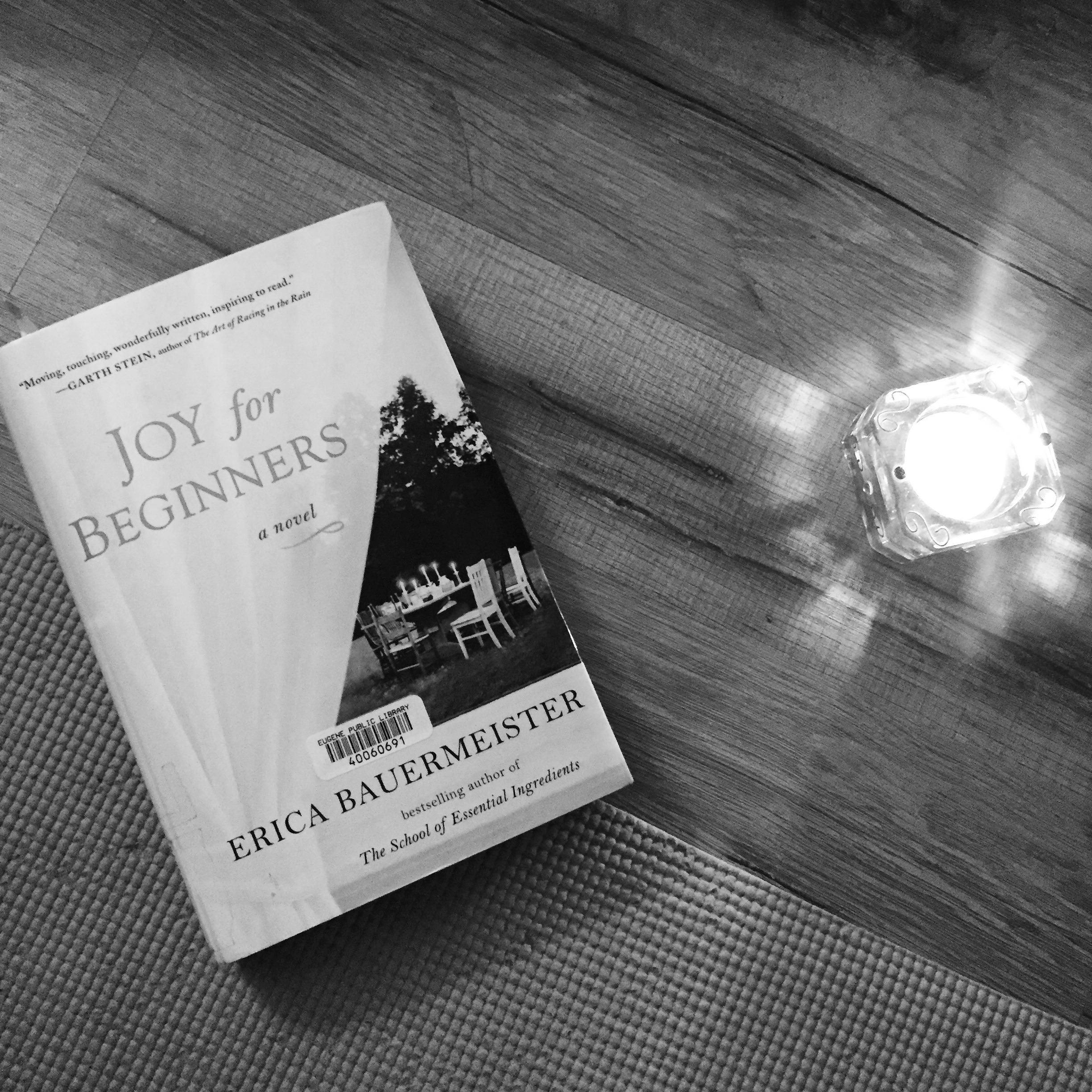
*Note on the book pictured above: I don’t remember the plot. But I do remember it was part of my finding joy and rewiring how I thought about my health process.

A simple digestion tip for when you’re struggling

The last few weeks, I’ve dropped back into a pattern I always wish to avoid. Feeling those frequent low-grade, lower belly aches, and sometimes feeling simultaneously heavy and like a giant airy balloon resides in my midsection. It’s most noticeable two to three hours after a meal, when the food has left my stomach and reached my small intestine, and around the time I’m either about to begin or am in the first few miles of my daily run or workout. 

Not so enjoyable.

This used to be my norm. It used to be so much my norm that if it were just these mild symptoms, I wouldn’t have noticed it  or done anything about it at all. I wasn’t quite as in tune with my body then, you could say. But then it became chronic. And got a lot worse before I figured out, with help, how to make the sour, painful digestion situation better.

So when you come to me and say, “I can’t believe I’m telling you this,” well, I know what you’re talking about and it’s not something that should be hush hush or shameful — at least not when you’re talking to a nutritionist. 

In the interest of providing some guidance before you start removing random foods, purchasing specialty digestive products or just holding your belly and whimpering / running to the bathroom, here’s one quick tip to improve digestion for you. 

Try One Simple Shift

It’s a shift that worked for me the last couple weeks as I switched from eating more cold/raw summer meals to putting those same foods in meals and gently cooking them.

That’s right. That’s the shift. 

Just switch to eating all your meals warm and gently cooked. 

It’s simple but especially in the end-of-summer warm days, you might have to remind yourself daily, if not with every meal, to just heat everything up. I don’t heat up some foods, and eat others raw, like including a side salad with a meal. Warm all of it up. Do a quick 30 second to 1 minute sauté of your salad ingredients in your vinaigrette in a sauté pan, if that’s easiest. Oh, and chew it all well.

Think of your digestive ability like a campfire. Too hot and everything burns up and gets singed too quickly, like that marshmallow or hot dog you’re roasting. Too cold and nothing really cooks at all. It just smolders along half-heartedly. That smoldering is what we’re trying to avoid here, since it’s most common when you struggle with symptoms of the lower GI.

If you’re interested in more simple digestion shifts, I wrote a mini-guide for improved digestion featuring no products, special foods, or diets which you can download. Or check out the last few blog articles on improving digestion for more ideas.

Veggie Rainbow Cool Noodles

In a quest to cook more in community, and educate in a hands-on format again, I’ve been leading routine cook-a-longs this summer. I’ve been cooking both with my local running group and as part of my public health nutrition role, my side gig when I’m not working one-on-one with nutrition clients.

I love cooking with both groups–but especially the cook-a-longs with my running ladies because we share similar interests and chat more as we’re making the recipes. And because I get to choose recipes that I routinely make in my everyday and know will make meals and workout recovery easier for others.

This is one such recipe that we made together last week.

It’s a cool noodle dish, served either warmish or at room temperature, but ideally not truly ‘fridge-cold’ or with raw vegetables, because that makes it extra difficult to digest. At a time (summer / hot weather) when our natural digestive ability is already weaker.

It features an Asian-inspired sauce and is kept super easy and quick by utilizing a protein and carbohydrate source in one with legume-based pasta noodles. If you don’t prefer tahini, choose almond butter instead. There are several legume-based pastas on the market. Banza is a good one. If you don’t prefer that, you can add two cups of edamame, your choice of other protein such as grilled fish, chicken, or tofu, and use a whole-grain noodle, such as brown rice noodles or whole-wheat fettuccine. 

Happy cooking and summer training / adventuring / eating / digesting! :)

Veggie Rainbow Cool Noodles
Prep:  15 minutes  | Cook: 15-25 minutes  | Serves: 4

Ginger Turmeric Tahini Sauce:
¼ cup tahini
½-inch fresh ginger, finely grated
1 Tbs. low-sodium tamari or soy sauce
½ tsp. turmeric
2 Tbs. lime juice
1 tsp. pure maple syrup
1 Tbs. light miso 

Noodle Salad:
8 oz. chickpea or legume-based noodles
3-4 large carrots (about 500 grams), sliced thin
1 bunch (240 grams) radishes, sliced
2 cups green peas, fresh or frozen
½ cup (packed) cilantro, plus more for garnish
Toasted sesame seeds, for garnish

  1. Make the sauce: Mix the sauce ingredients, along with 4-8 Tbs. water until completely smooth. Taste and adjust seasonings as needed and then set aside. 
  2. For the Noodles: Bring a pot of water to a boil. Add the noodles and any hard vegetables (such as carrots or radishes) and cook half way through. Add the peas and any softer vegetables, and cook the remaining few minutes until the pasta is al dente. Drain and rinse with cold water to stop the cooking process. 
  3. In a medium-serving bowl, toss the pasta and vegetables with the sauce and cilantro. Top with some toasted sesame seeds and serve. 

Notes: Change up the vegetables depending on what is in season near you! When you vary it up, choose one to two root vegetables or starchy vegetables and one or two leafy green vegetables or more pungent vegetables.
Roots/Starchy Examples: Peas, fresh corn, carrots, summer squash, zucchini (spiralized to add to the noodles (not in replace of!) is what I’ve done in the photo above)
Green/Pungent Examples: Broccoli, cabbage, kale, spinach, radishes, daikon radishes (what I’ve used in the photo), asparagus

Want to Know More?

Within my nutrition practice, I specialize in digestive imbalances, often within endurance athletes. When we’re experiencing chronic GI distress, fatigue, and/or malabsorption of foods and nutrients, there will often be imbalances in several systems of the body simultaneously. I shared more about this topic in the nervous system’s role in part 1, the immune response and subsequent inflammation in part two, gut microbes and dysbiosis in part three and the importance of chewing our food in part four. Check those out or reach out to me for more personalized support for gut healing, increased energy, performance, and feeling good in your everyday life.