
Something I’ve been thinking a great deal about the last few weeks is the shift that occurred internally for me within the last couple years regarding becoming a mother. Since childhood, I’ve always aspired to have kids some day and when I was younger, I thought it would occur much sooner than it did.
But then William and I got married, and we just weren’t ready. For years. There was a lot that went into that including a health crisis, turbulent finances, politics in this country, the climate upheaval (also a crisis, actually). But ultimately, there was being ready for the lifestyle adjustment. And a switch in my brain that hadn’t flipped. Until it did.
Since having our baby, it’s become even more dramatic. At first, I worried that I’d lose myself and my ability to make time for the other things I enjoy. We’re only a bit over three months in so there is much of parenting we haven’t gotten to yet, but one thing we discussed early on in planning for a child was that we were going to include our child (or children) in doing the things we love rather than give up ourselves for the sake of our new person(s).
As it turns out, in the first few months anyway, that last aspiration is quite challenging. We’re still trying to get back into a regular routine of going to church and we’re several months yet from being able to go for a run together, let alone a day-trip adventure run. But it’s certainly a work in progress.
My parents were visiting recently, and since they live so very far away now, it was extra special to see them enjoying their latest grandchild. With that, here are some other tidbis of what I’m enjoying.
Reading
- “Matrescence,” and the Transitions of Motherhood: If I’ve suddenly transitioned to talking a lot about motherhood, you can blame my new brain!
- A diet-wide Mendelian randomization analysis: causal effects of dietary habits on type 2 diabetes: In this study, poultry consumption was positively correlated with type 2 diabetes, and intake of dried fruits and cereals was correlated with lower incidence of T2D. Pretty counter to what the low-carb tribe will have you believe. According to study authors, “possible reasons include the breeding process, where commercially bred chickens may be exposed to hormones and antibiotics, which can act as endocrine disruptors and potentially affect glucose metabolism. Additionally, processed chicken products often contain high levels of sodium and preservatives. Cooking methods also play a role, as fried or fat-added chicken products can be high in saturated and trans fats. These cooking methods can lead to the formation of advanced glycation end products (AGEs) through frying, grilling, and high-temperature baking. These fats and compounds are known to increase oxidative stress and inflammation, which are contributing factors to the onset and progression of type 2 diabetes”
- Impact of Plant-Based Dietary Fibers on Metabolic Homeostasis: “The gut microbiota contributes to metabolic disease, and diet shapes the gut microbiota…”
There are a lot of caveats to this study since it was done on mice, they were on a high-fat diet, and the implementation of dietary fibers was via supplementation rather than as part of a well-balanced diet. But the results are where I start to reference oats and oatmeal consumption again! The authors found that “Only βeta-glucan supplementation during HFD-feeding decreased adiposity and body weight gain and improved glucose tolerance compared with HFD-cellulose, whereas all other fibers had no effect. This was associated with increased energy expenditure and locomotor activity in mice compared with HFD-cellulose.” Guess what the richest source of Beta-glucan fiber types are? Yep, it’s rolled oats, and oat bran!

Enjoying
- Speaking of oats, I made my Strawberry Rhubarb Crumble recently and it is super easy and delish!
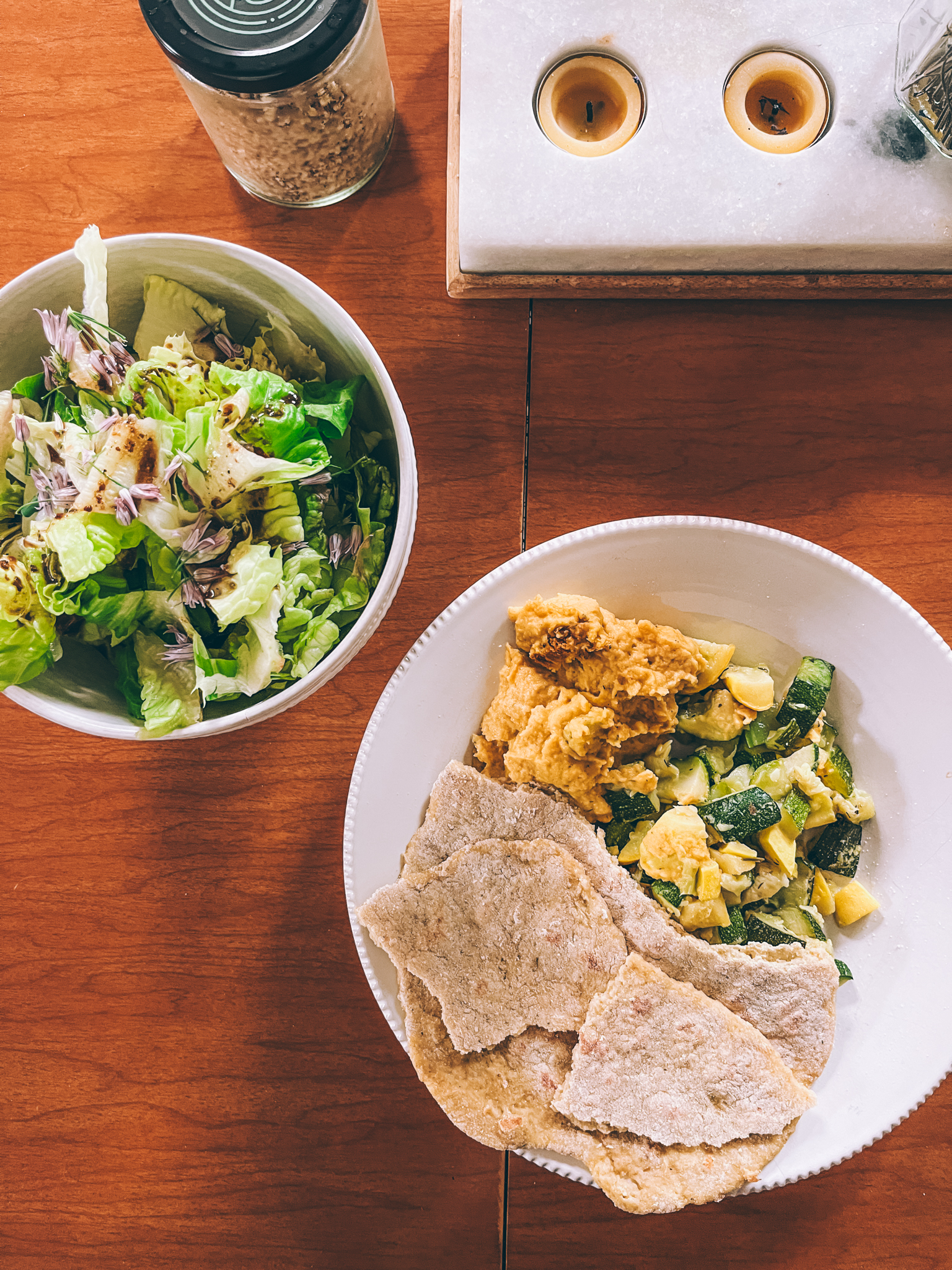
- This flatbread with roasted zucchini, hummus, and a crunchy, seedy salad.
- Kohlrabi Soup – Kohlrabi means “cabbage turnip” and that’s essentially the best way to explain what kohlrabi is like; a combination of the two. Admittedly, I like both cabbage and turnips more than kohlrabi, but we grow a handful every year, and they are amazing in this soup.
- Apricot, Date + Turmeric Bars: a favorite fruit/nut snack bar with balanced carbs + protein for athletes.
- The Olympics! So far, I’m extremely behind and mostly watching Equestrian Dressage (which was my sport back when I had a horse), Equestrian Eventing, Road Cycling, and all the (distance) track and running events. And if you’re able to but haven’t yet watched the opening ceremony, I highly recommend.
- Nigel Slater’s garden
- Making elderberry syrup. ‘Tis the season.

Nutrition and Food/Cooking Questions
- I see that you are not an RD. What does your CNS credential mean?
This article explains the difference well. I’ll add that the training to become an RD and a CNS are similar but also quite different. An RD pathway will have a big portion of training for acute care (like in a hospital), and/or planning for creating nutrition plans for an institution, whereas my training leaves that out and focuses solely on preventative and chronic conditions. Additionally, a CNS will have functional medicine training and a focus on integrative health and getting to the root cause of an imbalance, as well as training in using herbal medicines and other traditional approaches, in addition to food and nutritional supplementation. Ultimately, in many states an RD and CNS share the same licensure, meaning we have the exact same scope of practice. - What’s an easy summer vegetable side dish?
Roasted summer squash and/or zucchini! This is such an easy go-to that’s mostly hands-off, delicious, and easy on digestion (unlike all those crunchy summer salads). Just chop up a bunch of zucchini and/or yellow summer squash, lay out flat on a parchment lined baking pan, preheat your oven to about 400-425 degrees F, and lightly season with salt and pepper. You can add other spices too, such as thyme, Herbes de Provence, or Italian Seasoning, but they’re not even necessary. Roast until soft and slightly golden on the edges/bottoms, stirring once or twice throughout. No need for any oil or water in the pan; the squash will create it’s own juices and make it just the right consistency. - What’s been growing well in your garden this year?
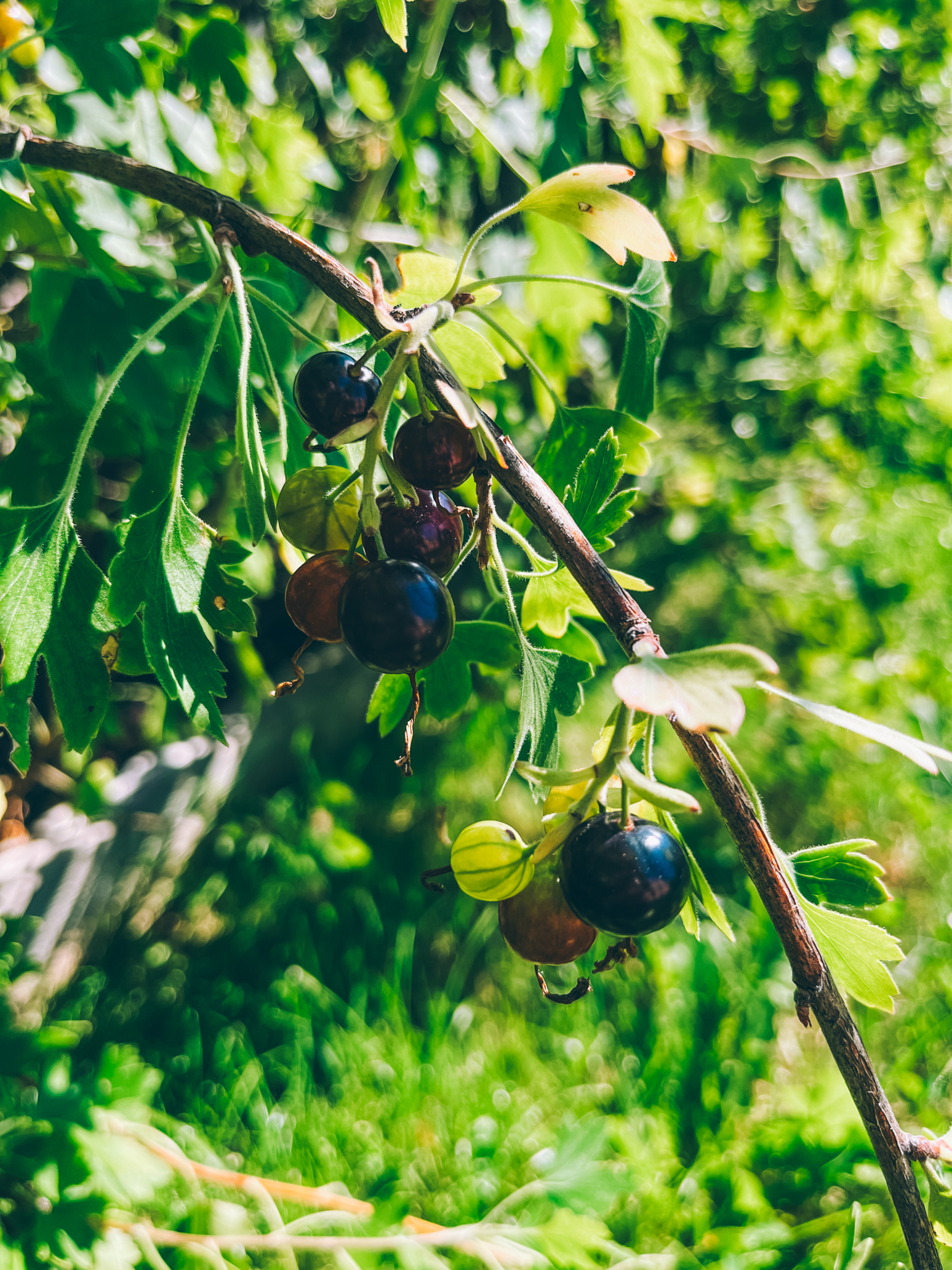
Every year some things do well and others flop. I’ve already mentioned the boysenberries and blackcurrants in previous posts, but we also had a great harvest of black raspberries, and the everbearing strawberries are coming back around for their smaller second harvests. As for vegetables, many things are growing great! We have a steady supply of yellow crookneck squash right now, zucchini (hence lots of delicious roasted squash!), green beans, carrots, broccoli, and there were several heads of amazing cauliflower a few weeks ago. We also have a whole garden full of giant sunflowers. Such perks of constant joy.
Until next time ~ Rebecca
p.s. if you have nutrition or cooking questions, you’d like to submit, enter them in the comments, or submit via the contact form.
If you’d like to sign up for my periodic newsletter, you can do so here.



 GUTSy Performance Nutrition