Nettles and Rose Herbal Tea

Today I’m sharing a tea formula that’s lovely, sweet, floral, and cooling. Perfect for early and mid-summer, when nettles and roses are growing wild, and we need a cooling “tonic” to drink.

Nettles are one of the nine sacred plants in old Wessex, a kingdom in the south of Great Britain from around 500-900 AD. They were used earlier by the Greeks in at least the first century as a medicinal plant. And they’re just as revered today as a tonic herb in Western Medicine.

Nettles are extremely rich in nutrients including calcium, magnesium, potassium, iron, silica, zinc, selenium and chromium and are useful for nourishing the blood and adrenals, and supporting the liver in detoxification. 

Nettles are most commonly used as a general tonic when you’re overworked, chronically tired, and needing nutrients. Nettles are incredibly nutrient rich–so much so, you can taste it, especially when they’re used fresh. Many people use strong nettle infusions for calcium and the other nutrients they contain, as an alternative to taking supplements. If you also start to drink nettles daily for some time, your hair, nails and skin will start to have a healthy glow!

I don’t usually take nettles in high dose amounts, but it’s rare for a day to go by without having at least one cup of tea that doesn’t contain 20 percent or more of nettle leaves.

Energetically, nettles are cooling and drying. Those two components translate to being slightly bitter and astringent in taste. Personally, I like to balance these two flavors in a formula with a touch of sweet from licorice.

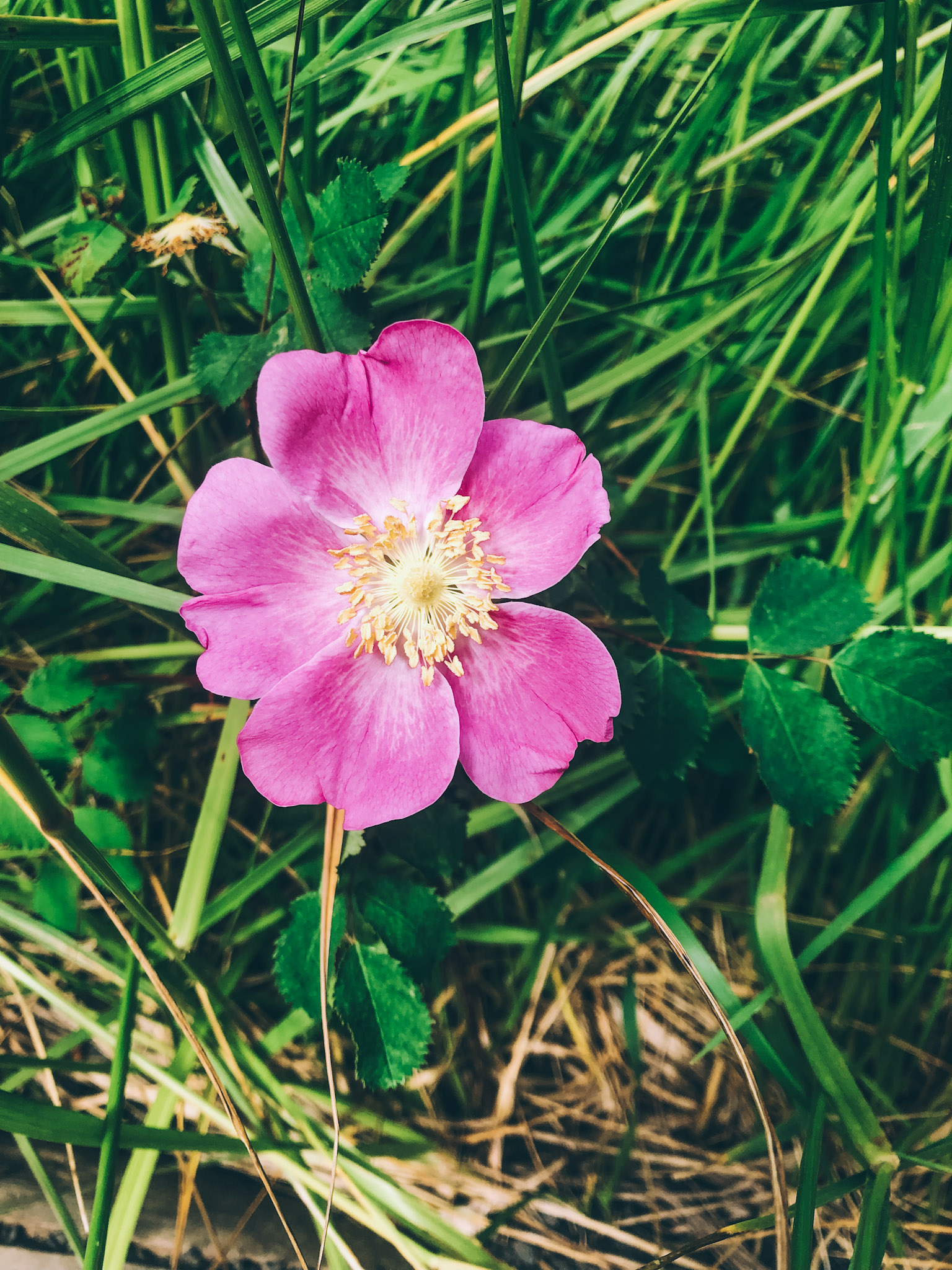
Like nettles, roses also have an incredibly long history of use, both as a nutritive food, medicine, and in skin / beauty care. Rose petals have a particular affinity for healing the skin, whether it’s acne, scars, varicose veins or capillary damage, eczema, and more. They are anti-inflammatory and also like nettles, can be used daily as a tonic herb. Rose is also a nervine tonic, meaning it’s supportive of the nervous system!

Energetically, rose petals are cooling and moistening. The flavor, beyond just “floral,” is slightly bitter, sweet, and astringent. In Ayurvedic medicine, roses are often recommended for consumption during the hot summer months, and for overheated Pitta constitutions, a feature of their being cooling and moistening during the time of year when both we and the season are typically hot and dry.

Licorice root is one of my favorite and most used herbs. The flavor is not anise and licorice-candy. Rather, it’s extremely sweet and slightly bitter. Licorice is an extremely important herb in Traditional Chinese Medicine (TCM), where it tonifies the spleen and Qi, and also clears internal heat. It is particularly helpful for the adrenals, soothing an inflamed digestive system, moistening the lungs, and relieving pain.

In herbal formulas, licorice is commonly used in a small amount because it acts as a harmonizer to bring the other herbs together and provide a more pleasant taste.

Energetically, licorice root is warming/neutral, and moistening. It’s flavor is very sweet and slightly bitter.

Nettles and Rose Herbal Tea

Prep:  none  | Serves: 1
Energetics + Flavor: Cooling, Slightly Moistening; Bitter, Astringent + Sweet

1 Tbs. dried nettle leaves (Urtica dioica)
½ Tbs. dried rose petals (Rosa x damascena,  Rosa nutkana, or Rosa canina)
Pinch of licorice root (Glycyrrhiza glabra)
12 oz. boiling water

  1. Bring water to a boil. While it’s boiling, combine the dried herbs in an herbal infuser or disposable tea filter. 
  2. When it has boiled, pour the water over the herbs in your mug. If you have an easy lid available, cover the mug. This will allow more of the medicinal constituents to stay within the tea rather than rising in the air in the steam. 
  3. Let infuse for 10-20 minutes, and longer if desired. 
  4. Drink when warm, or allow to cool to room temperature. 

Notes:
– If you have high blood pressure, omit the licorice root. If you’d like a touch of sweetness, add a couple drops of honey after the herbs have infused and it’s no longer piping hot.
-Good sources of these herbs if you need to order include: Mountain Rose Herbs and Starwest Botanicals. For Roses, you can collect the wild Nootka Rose petals locally during the late spring and summer months, or purchase rose petals. Diaspora Co. has incredibly high quality Paneer/Damask Rose petals, shown in the photo.
Amazon is not a great source for herbs since they are frequently lower quality/questionable sources. 

Experiencing Fatigue and Poor Exercise Recovery?

Depending on your exercise or training load, it’s sometimes “normal” to experience fatigue in the hours and days after a workout or strength session. But what about when you routinely feel fatigued, more than your normal or chronically? Or when you realize you’re not recovering from workouts as well as in the past? 

There are many reasons why you might be more fatigued than ideal, or not recovering well from training. Below are a few of the most common. 

Reasons For Excessive Fatigue and Poor Training Recovery

Sleep

Sleep is probably the number one thing that can help you recover better from exercise and stressful phases of life. Typically, most adults need about seven to nine hours of sleep per night, but it’s not just the number of hours that matters. The quality and timing of sleep can be equally important.

Do you fall asleep after 10 pm, or closer to midnight or 1am? Or later? 

If so, you’ve already missed out on crucial hours of recovery. This is because your body’s internal clock–it’s circadian rhythm–is programmed for what we’ll call the “night janitor” to come between the hours of 10pm to 2am each night. These are the hours that the brain and body does most of its deep cleaning internally. Just like at school or a workplace, if you work late and the night janitor shows up, they often say “I’ll come back later.” In this case, later means another day. Practiced routinely, and your missed hours or nights of deep cleaning and cellular repair start to add up, adding to your fatigue and poor recovery.

High Stress

Stress, no matter whether it’s perceived or actual, wreaks havoc on your hormonal response and puts extra strain on your recovery process. Habitual high stress also often impacts sleep, causes anxiety, burn-out, depression, and excessive inflammation. Nutritionally, inflammatory foods are a major stress to the metabolic process and can be treated as “high stressors” at the metabolic level. See more about this below.

Overtraining

Overtraining can be looked at from a number of angles, but ultimately, it’s about too much stress and not enough rest. That’s an extremely broad way of differentiating it from the Stress category above or from the nutritional categories below.

Snacking all day / improper meal planning or amount

If you’re quite active, aim for four balanced meals with no snacking in between. Giving the digestive system time to rest by about four to six hours after each meal really supports its ability to fully digest the last meal before the body has to begin digestion again. This habit can go a long way towards enabling proper nutrient utilization and improved recovery.

Inadequate Macro or Micronutrient Status

Either an improper ratio or amounts of the macronutrients (Carbohydrates, Protein, and Fats), or of any number of Micronutrients can cause poor exercise recovery. The micronutrients that are most often implicated for chronic fatigue and poor workout recovery include:
Magnesium,
Thiamin (B1),
Riboflavin (B2),
Niacin (B3),
Pantothenic Acid (B5),
Pyroxidine (B6),
Folate,
Vitamin B12,
Biotin,
Iron,
Copper,
Vitamin D,
Vitamin E,
Vitamin C,
Carotenoids,
Coenzyme Q10,
Selenium,
Zinc,
and other antioxidants such as Glutathione, N-Acetyl Cysteine, and Alpha-Lipoic Acid. 

As you can see, this is quite the list. Any one of these can be the cause of poor recovery. Some of these nutrients can be toxic if supplemented with more than is needed, or they can negatively impact the status of other micronutrients. So it’s always best to confer with an experienced nutrition professional before adding supplement nutrients to your regime. This also makes sure you get the right nutrients for you– and not guessing at what might help.

Poor Digestion / not absorbing nutrients from food

I’ve written extensively about poor absorption and digestion so I encourage you to learn more by reading other articles on this topic. But it’s safe to say if your digestion is compromised, which also may not be obvious to you, then you’re not going to be recovering well and will frequently experience fatigue as a result.

Excessive Ingestion of Inflammatory Foods 

Think of inflammatory foods as anti-nutrients for the body. They take more nutrients to break down and clear from the body than they provide, and cause excessive cellular inflammation before doing so. Foods or beverages in this category include refined sugars, refined/processed grains, rancid oils, alcohol, ultra-processed foods (most foods that have more than eight to ten ingredients, or ingredients that you’d never add to the food from your pantry if making a homemade version), and in cases where you also have compromised digestion (which may not be immediately obvious), whole foods that can be inflammatory and difficult to digest for certain individuals, such as wheat, barley, spelt, farro, dairy products, nuts, soy, eggs, and fish. 

Next Steps

Unfortunately, I am all too familiar with many of these personally, and have had whole training blocks and races thrown off by them. For me, the most common culprits are poor digestion and nutrient assimilation, micronutrient deficiencies due to poor digestion, and high stress. Additionally, the factors that can contribute to fatigue often work interchangeably and compound on themselves.

Within my nutrition practice, I specialize in endurance athletes and digestive imbalances. If you’ve struggled with poor exercise recovery or extra fatigue that you’d like to figure out, I encourage you to reach out to me for more personalized support.

Transitioning Your Eating into Spring

When it comes to eating and ingredient choices, eating in tune with the seasons can go a long way towards creating an internal environment that leads to lasting health.

You know you don’t choose the same foods on a hot, sticky summer day as you do in the middle of winter. But what about a blustery spring day when the options at the farmers market (or grocery store) can be a little lackluster?

Below are a few tips for transitioning your eating into spring, as well as a deeper look at the why behind them.

Tips for Eating in the Spring

  1. Avoid congestive foods – these are generally foods that are heavy, cold, and wet.
    This includes refined grains and sugar, dairy (especially cold, sweetened dairy products, like ice cream, and fruit-sweetened yogurt), processed / pre-packaged meals and takeout, high fat foods, excessively salty foods (miso, soy sauce, restaurant meals), wheat products – a heavier grain that is inflammatory when digestion is compromised.
  2. Add in more dark leafy greens!
    What grows in spring? GREENS! Early spring greens tend to be bitter, pungent and cleansing. They’re perfectly designed to balance us after a winter of heartier fare.
  3. Sip on warm beverages rather than cold water and drinks.
    For many individuals with compromised digestion, this tip will always be true, but spring is a time of year when this is true for everyone.
  4. Sip on dandelion and/or burdock tea.
    These are bitter, detoxifying roots, and are nearly always included in any herbal “detox” formula. They support healthy liver function and help the body get rid of unwanted waste products and excess moisture.
  5. Try to eat three meals each day with little snacking.
    Or if you’re quite active, four balanced meals with no snacking in between. Giving the digestive system time to rest by about 3.5-6 hours after each meal really supports its ability to fully digest the last meal before the body has to begin digestion again.
  6. Get Moving!
    Getting your heart rate and circulation up and breaking a sweat regularly is an excellent way to promote optimal detoxification – of environmental toxins and pollens, of hormones, of inflammatory substances from foods. Moving promotes lymph flow, which when stagnated leads to congestion, mucous, retaining water, and sluggish digestion.
    If you’re already active, and perhaps training for a spring race, make sure you balance some of that heavier training with slower movement, and gentle yoga or daily self-massage that can gently move out some of the extra inflammation that can accumulate during this season.
  7. Up your spices!
    In the springtime, spices help the body to warm up and remove mucus. They also promote optimal digestion, and help to digest more difficult foods such as beans and legumes.

Broccoli Olive Sourdough Pizza – emphasis on the broccoli topping!

The Why: Energetics of Early Spring

First, look at the energetics of the season, or the energetics of the weather outside today. Energetics means the quality that is present in the environment, your body, or the ingredient, and the effect it has. The most basic energetics to work with are hot, cold, (and thus heating or cooling), and wet, dry (and thus (moistening/dampening, or drying).

In most places in the northern hemisphere, late winter and early spring tends to be cool or cold, and wet or damp. When we’re using a food as medicine approach, we do so by eating in a way that has the opposite quality of the body or of the seasonal environment that we’re a part of – eating in this opposite approach then provides balance for the body to be at, or return to equilibrium, where health occurs.

So in the cool, damp weeks of early spring, we want to eat meals that are warm and perhaps slightly drying in nature. One of the easiest ways to work with this component is by eating all meals cooked, and adding in more spices as we’re preparing foods. In terms of spices, nearly every common cooking spice will be drying in effect. Many of them will also be warming, and some will be more warming, or just plain hot, than others –like garlic, chilies, onion, and ginger.  

Energetics of Your Body

Now take a look at what’s going on in your body. Do you tend towards having symptoms of spring allergies, mucus, a wet phlegmy cough, swelling of the lower legs, retaining water, lack of appetite, or sluggish digestion where you eat and feel full for hours, like food is heavy and just sitting in your belly? This means you can use more warm and drying foods and spices! 

Key spices to incorporate into meals in late winter and early spring season include black pepper, cinnamon, ginger, cloves, nutmeg, horseradish, cayenne and chili in small amounts, garlic in small amounts, fenugreek, mustard seed, cumin, turmeric, ajwain, rosemary, thyme, sage, and oregano.

Putting Them Together: Cook with Three Spices


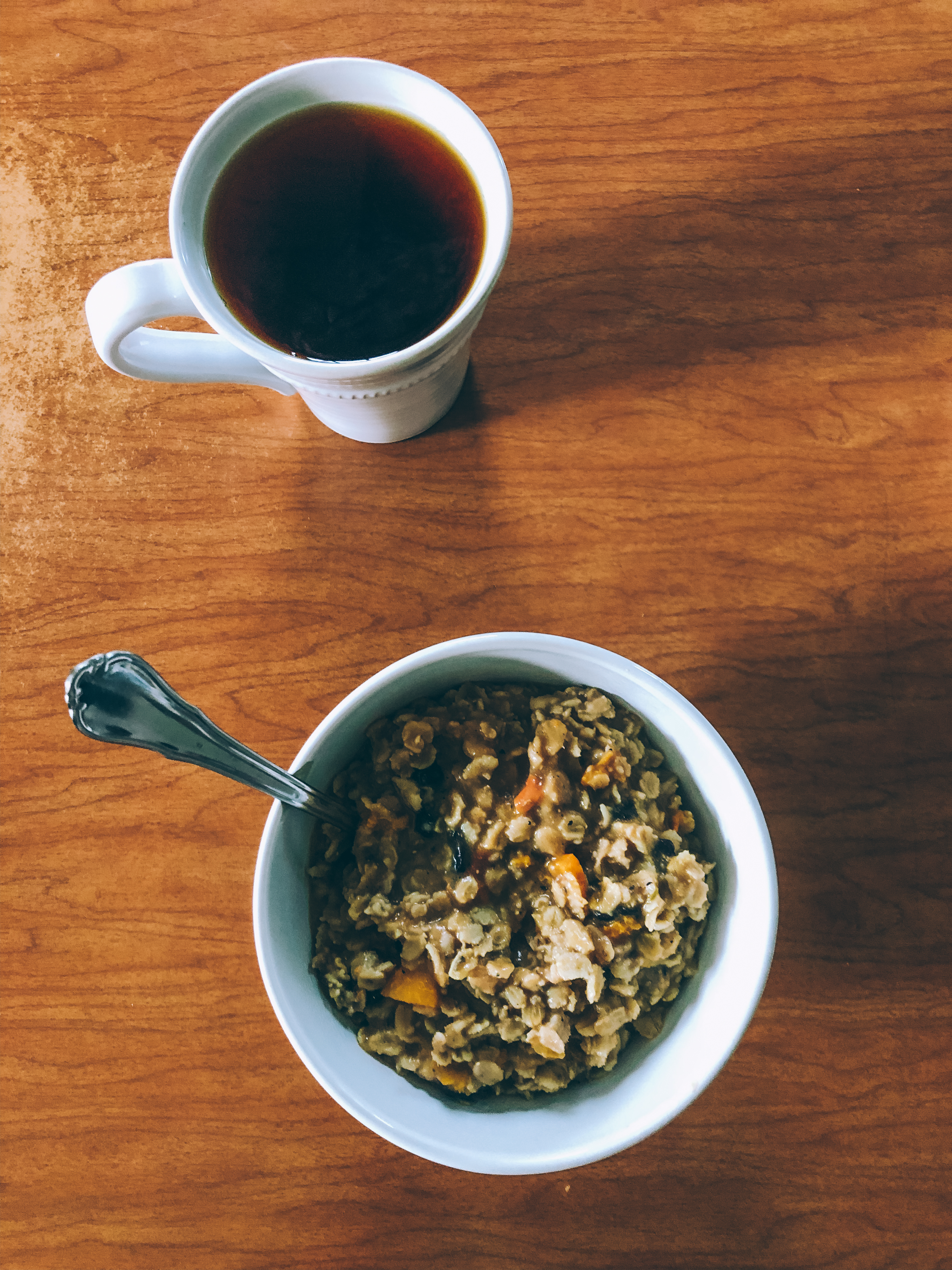
One of the best ways to start spicing your foods without it becoming an overwhelming task is to choose three spices to use in each meal. For breakfast, if you’re having something warm and porridge-like, such as oatmeal, incorporating a trio of spices in the total amount of ¼ – ⅜ teaspoon is just about right.

A couple combinations to start with include:
⅛ teaspoon each of ginger, cinnamon, and nutmeg
⅛ teaspoon each of ginger, anise seed, and cardamom
⅛ teaspoon each of ginger, turmeric, and cinnamon

In midday and evening meals, we can slightly increase the total amount of spices to about ½ – ¾ teaspoon total per person.

Some Spring Spice Combinations include (amounts per serving):
¼ fresh garlic clove, ¼ teaspoon each of rosemary, and oregano
¼ teaspoon each of cumin, mustard seed, turmeric
¼ teaspoon each of fenugreek, sage, and rosemary
¼ teaspoon each of fresh ginger, turmeric, and a pinch of black pepper

If you’re using other people’s recipes to cook with, adjust the spicing according to what you’ve learned above, particularly about your body. Most modern recipes over-rely on heating spices and condiments. 

An example is a recipe with several cloves of garlic, chilies, several tablespoons of fresh ginger, tamari, soy sauce, or miso, all in one. This is a recipe that’s probably going to burn us up internally, even if you and the season is running cold! You can tame the recipe and spice level by slowly reducing the amounts of each spice, or switching an ingredient out for one that has a milder effect of the same quality, such as using a pinch of black pepper instead of a ½ teaspoon of cayenne, or using 1-2 teaspoons of finely grated fresh ginger in a recipe that calls for 3-inches of the fresh root.

Signs of Balance and Imbalance

Ultimately, the goal is to feel good in your body and mind in each season. 

During this time of year, signs of balance include slowing down more than other times of year to rest more, having steady energy throughout the daylight hours, maintaining a healthy immune system and response, and eating to nourish yourself with no signs of impaired digestion.

Signs of imbalance include over committing, feeling depleted throughout the day, stagnation (mentally or physically), depression, mucus in the respiratory system, overeating  (especially high sugar, extremely rich, or cold foods), and having heavy, sluggish digestion with reduced or no appetite.