Spurred on by the realization that I was contributing a lot of plastic to the landfill since they were no longer recyclable, I stopped buying cartons of non-dairy milk a couple years ago. When I stopped, I didn’t like the waste or the time it took to soak, blend, and filter nuts to make traditional homemade nut milk. So I began using raw nut butters, such as cashew, to make an easy DIY nut milk in a quick minute.
But in the last few months, I suddenly remembered another option that is arguably even easier and more accessible.
Hemp seeds!
Hemp seeds as a food product are often overlooked in the nut and seed category. But what they’ve got going for them is that they are highly digestible, especially compared to most other nuts and seeds. And they contain a truly optimal fatty acid profile, with a 3:1 ratio of omega 6 to omega 3 fatty acids (1).
It’s important for us to eat a variety of fatty acid types from foods, but when it comes to the polyunsaturated fats which contain omega-6s and omega-3s, our modern diets tend to be less diverse and mainly have an abundance of omega-6s.
The omega 6 fats are found in large amounts in soy, corn, safflower, sunflower and peanut oils, as well as sesame, sunflower, and pumpkin seeds, and nearly all nuts.
In whole food form, omega 6 containing fats are healthy and essential, but need to be balanced with omega-3 fats such as freshly ground flax, chia, walnuts, hemp, and if you eat fish, wild caught cold-water fish such as salmon, halibut, anchovies, cod, and sardines. The ratio of omega 6 to omega 3’s should be under 5:1 to be considered anti-inflammatory and for most individuals, this ratio is at least 20:1 or more in the daily diet.
If you have an inflammatory condition such as a chronic gut health imbalance, autoimmune conditions, arthritis of any type, and/or you are an otherwise healthy athlete looking to improve recovery between workouts, eating an optimal balance of omega 3s and 6s can be incredibly helpful.
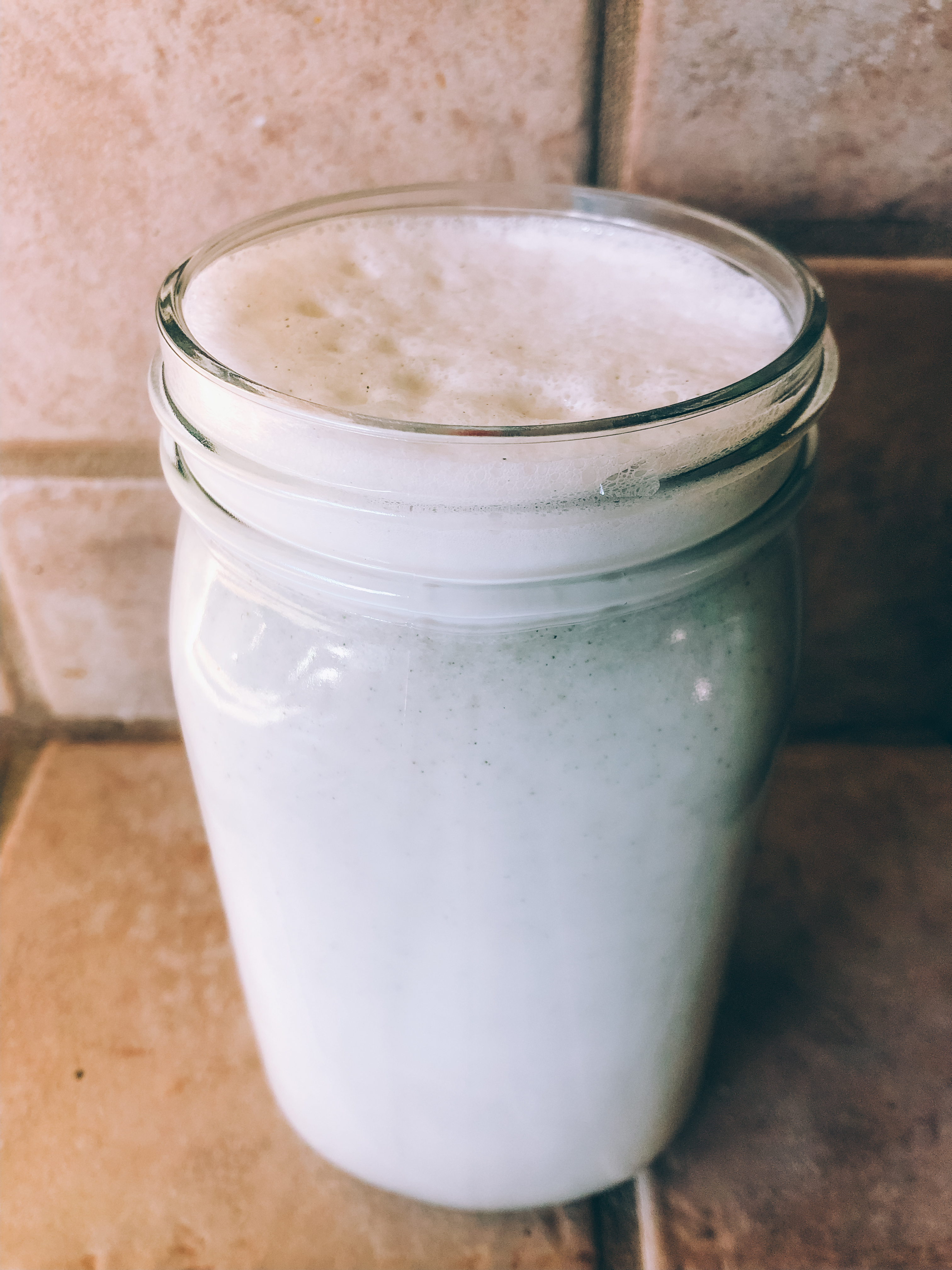
Adding hemp seeds, and this simple hemp milk, can be another way to do this.
One other note about hemp seeds: try not to boil the hemp milk or the seeds – since they contain more heat-sensitive omega 3s, the oils will break down and oxidize – becoming inflammatory – at higher than medium heat.
Combine hemp seeds and 2 cups of water in a high-speed blender until smooth, about 1 minute. Then add in the remaining 2 cups of water and gently blend for a few seconds more. Pour into a quart jar with a lid and store in the fridge until ready to use.
NOTES: For a slightly richer milk, you can bump up the hemp seeds to use ¼ cup instead of 3 tablespoons. If you have an extra large blender, add all 4 cups of liquid and blend, rather than separate them. I have a smaller blender and prefer to give it a smaller ratio of seed to liquid to blend well.
References: 1. Da Porto, C., Decorti, D., and Tubaro, F. (2011). Fatty acid composition and oxidation stability of hemp (Cannabis sativa L.) seed oil extracted by supercritical carbon dioxide. Industrial Crops and Products, 36(1), 401–404.https://doi.org/10.1016/j.indcrop.2011.09.015.
I’ve been having lots of conversations lately about the expectations we have for ourselves. We expect once we begin taking action to improve our health condition, that a shift to doing better will come quickly.
We read books, or internet articles, or hear someone’s gospel-like miracle healing story, and we expect that for ourselves too.
And sometimes that’s the case. We feel substantially better almost immediately.
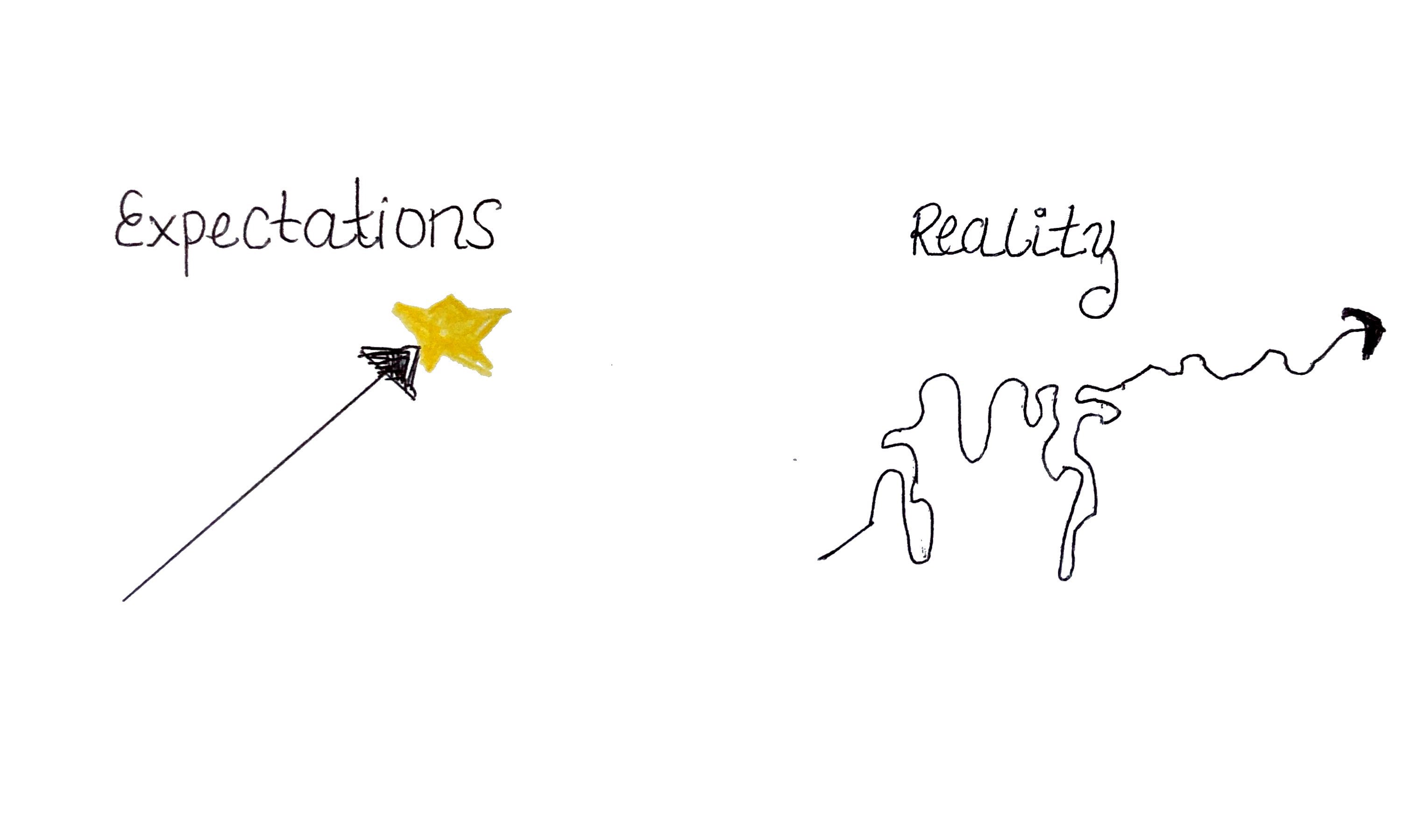
But that’s not always the reality.
In fact, if you listen to nearly any respected academic researcher or health practitioner, or expert in their field, they often stray away from miracle stories and black and white health panacea protocols. And they instead use language more along the lines of “…it depends” and “not one thing that helps but a combination of [diet and lifestyle] factors.”
Healing Isn’t Linear
Rarely ever is healing, or improving in whatever goal we have for ourselves, linear. One finite example, is that it takes at least five days for the lining of the gut to repair itself after it’s been damaged, and a full three to five weeks for a food that triggered the inflammatory process to fully leave the system.
So as we already switch our calendars over from the first month of the new year into the second, this is my gentle reminder to you.
Go easy with yourself.
Expect less linear lines and gold stars at the top, and more nuance, (adventure!), overcoming fear, stepping into the unknown, and learning more about yourself and your needs.
Something Practical
And for something practical to guide you, here’s a little practice to try: Ask yourself what you need today by really stopping what you’re doing and resting a moment in complete not-doing-or-thinking-ness. And then ask yourself, what do I need today to feel better? How can I care for myself better today?
Our bodies are meant to heal themselves. Sometimes we have to mentally get out of our own way and give them care and time(!) to do so.
Reach Out
If nothing comes up for you in the reflective exercise above, or you’re ready for more nutritional guidance, I invite you to reach out to me for more personalized support on digestion, sports nutrition, or both.
If you read running websites or magazines, view social media accounts of various athletes, and perhaps overhear conversations in your run community, in the past few years you may have noticed an increased attention to a topic called RED-S (pronounced reds), or relative energy deficiency in sport, which can also be called low energy availability.
Low energy availability is most accurately calculated by removing the energy cost of your daily exercise from your total dietary caloric (energy) intake, and then having what is left not being enough energy (calories) to support the body’s normal physiological function, such as bone metabolism, endocrine/hormones, reproductive system, etc. Low energy availability is associated with downregulation and impairment of key physiological processes due to the lack of adequate energy support.
That’s the scientific definition. I simply call it “Not eating enough for your activity level.” Even simpler, that translates to not eating enough.
Not Eating Enough
For a couple decades, one piece of the larger puzzle of relative energy deficiency was known in the sporting community. That piece is the Female Athlete Triad, in which female athletes present with a pattern of low energy availability with or without an eating disorder, in relationship with amenorrhea (lack of menstrual cycle), or irregular menstrual cycle, and low bone density leading to osteopenia and osteoporosis. What we now know is that the Female Athlete Triad is just one section of a larger picture of pathophysiology that can present in athletes with long-term low energy availability. And it is not just a female athlete concern.
When active individuals are not eating enough for their on-the-move lifestyles – the body, because it is wise, makes decisions about where it is going to prioritize its precious calories. So if you’re going to go for a long run in the forest for several hours, followed by an evening hike or weight session, and then follow with something similar tomorrow and the next day, and throw in a weekend of back-to-back long runs, AND you’re routinely not eating enough to meet your caloric needs, the body is going to choose where to spend those nutrients—because when this precious energy is used for one function, it is not available for another one.
Essentially, you are putting your system into survival mode.
And it plays out along these lines as your body says, “Well, if you’re going to make me go do these workouts, I’ll put my energy here, though maybe with a little less pep, energy, and high-intensity ability, but I’ve got to compromise somewhere, so I’ll make a trade-off over here with bone metabolism, or over here with female reproductive hormones or thyroid health, or immune function, or over here with the GI system and the ability to break down nutrients in food (because digestive enzymes are made of proteins which may be lacking in the diet), or muscle and tissue repair or”…. and the list goes on.
On Our Radar
So why is this topic suddenly on more people’s radar? One, we have more research and knowledge on the expanded umbrella of RED-S and the widespread physiological consequences of being at a long-term energy deficit. But also because it’s fairly common for active individuals to not realize they’ve adopted many of the beliefs of the diet industry into their eating habits over the years. Or they may simply be eating to hunger levels, and still not be eating enough.
And, just eating to hunger can sometimes be misleading for us as highly active folks. For instance, many athletes have a suppressed appetite after long or intense workouts or races. In those cases, it’s ideal to replace nutrients after exercise—but when digestion is compromised, the body won’t metabolize the food as it should—hence the potential for working with a nutrition professional to help get the digestive system back to balance. Alternatively, we might need to learn to recognize the symptoms of hunger that often go beyond an empty stomach.
Within-Day Energy Balance
The other side of that low energy availability coin can also mean within-day energy balance. Meaning we don’t stack the majority of our calories into one meal or couple of hours of the day. Eating to fullness, or 80 percent of fullness, is recommended, but if you ever notice you get to the point of overeating after exercise by having excessively large meals that seem to top you up beyond fullness, it is often because of low energy intake throughout the day fueling a need for more food spread throughout the hours. This can often occur after a long run. In this case, you can train your body to tolerate more fuel during a run, and then you’ll likely both recover better, but also will have stressed your body less with the huge energy deficits and then subsequent deposits.
With a more even or adequate energy intake before and during a long workout, you can avoid that ravenous feeling of needing to eat quickly and impulsively.
ASelf-Assessment to Help Navigate Your Energy Needs
If this topic has kindled your curiosity about meeting your own energy needs, my suggestion is to start with a self-assessment rather than calculating calories and meticulously tracking meals—those can be highly inaccurate and lead to neurotic food obsession. Ask yourself these questions:
– Am I frequently sick more than a couple times per year? – Do I struggle with fatigue frequently? – Have I stopped improving in my performance – either have plateaued or gone backwards despite training? – Have I had a lot of injuries? – How’s my overall health? Basic bloodwork results hold a plethora of data on how the body is ‘performing’ internally. – How is my menstrual cycle and/or sex drive? Women have a little advantage here in that any menstrual symptoms or irregularities* are symptoms telling you to heed warning because there’s a larger health imbalance. – Do I have a lot of gut upset / discomfort, or food intolerances? – Am I routinely irritable, depressed, anxious, or have decreased concentration? – Am I sleeping well? – and if you have teammates or friends/family that you work out with regularly: Do I eat less than my teammates but have a higher body fat? This is subjective of course because every body is different, but higher body fat and eating less is also a tell-tale sign, since lower metabolic rate occurs with lower energy availability, meaning you might be eating less but weighing more or having more “cushion” than previously. – and one more because it can become prevalent with long-term low energy availability: Am I thinking about food ALL THE TIME? We know from eating disorder and starvation studies that chronically deprived individuals become obsessed with food, far beyond just being interested in food.
Where to go from here?
Above all, food and exercise should make you feel good. The goal is to be aware and in tune with yourself and your body’s ability to show you signs that something may not feel right or as great as it should.
And you may benefit from professional guidance. If you’re confused or concerned about your needs, or would like a professional opinion, I invite you to reach out to me for more personalized support.
*Women on hormonal birth control will not have the same ability to use their menstrual cycle to gauge abnormalities, since it is designed to eliminate ovulation and the normal hormonal fluctuation that occurs. If symptoms or irregularities occur without birth control, that is a vital sign that your body has an imbalance somewhere. The information shared in this article does not intend to treat, diagnose, cure, or prevent any disease.
Mini-Meals to Keep You Going
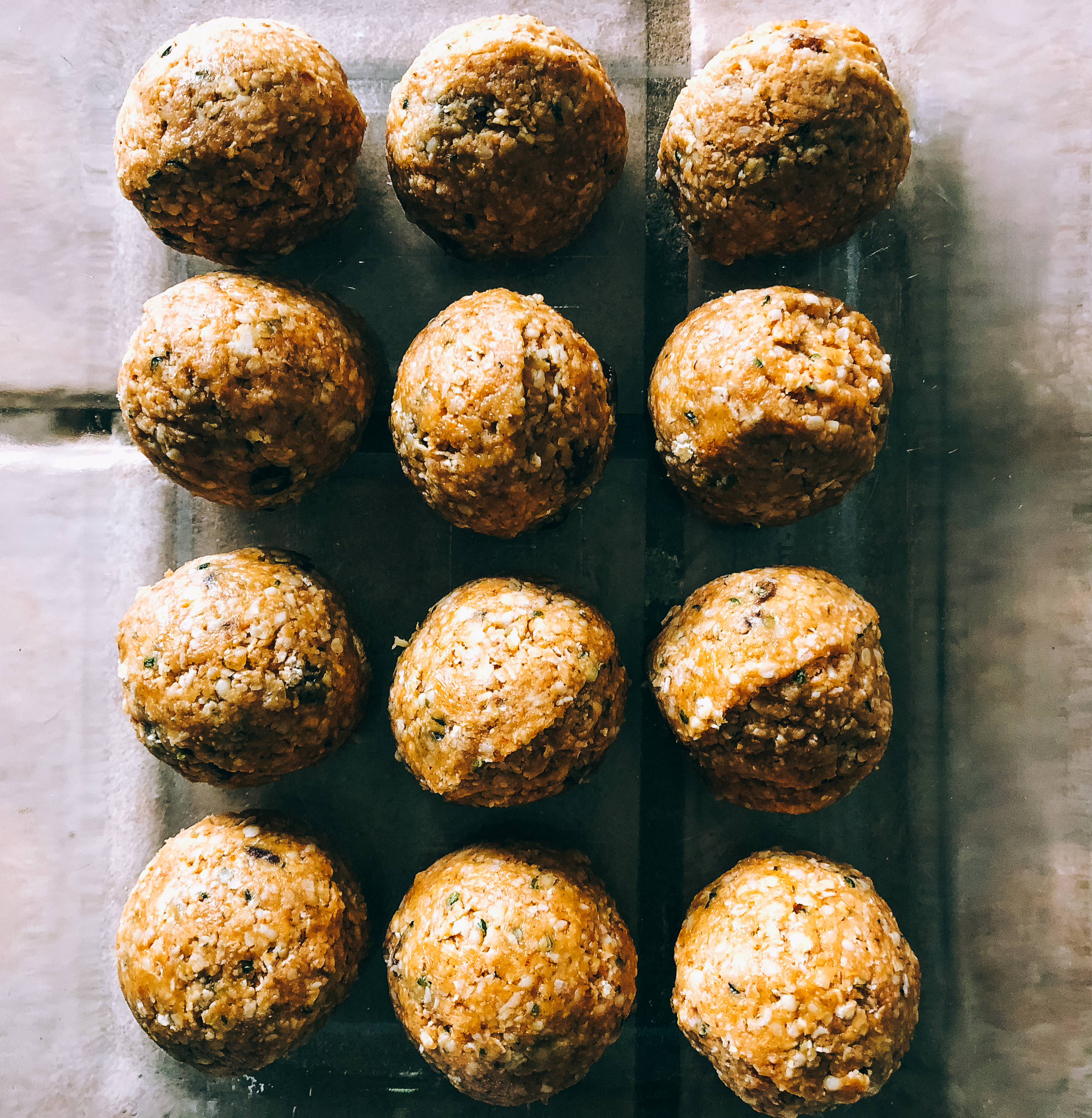
Ideally we spread our meals out throughout the day and leave time in between them for full digestion to occur, so we’re not throwing more food in when the last meal hasn’t fully digested. This causes more problems over time in other ways. In an ideal routine, aim for eating at intervals of four to six hours after a full meal, and two to four hours after a light meal instead of snacking continuously all day. The above article is featured over on the Territory Run Co. run journal, along with three snack recipes for those in-between times, featuring iron and vitamin C-rich Wonder Woman Bars, William’s Oatmeal Raisin Bites, and Sweet Potato Spanish Tortilla. Get the recipes here.



 GUTSy Performance Nutrition