Observing the 20 Energies and How To Really Start Intuitive Eating

Every day in May is precious.

Where I live, the months of February through April are often the most challenging – January and the post-holiday, beginning of year hope always seem to fly by, but it’s in February, and March, and April that every day can feel like a grind. 

It’s not the sunshine that May can bring that necessarily turns it all around for me. I do love the sun and warmer days, but I also enjoy the rain. 

It’s the flowers and the fully leafed out trees that late winter and early spring lacks. The sheer density of foliage that has returned by early May.

A heavy blanket or extra padding of plant life that soothes my nervous system as I go out into the world, making everything hard, more bearable, and everything mundane or merely good, elevated. 

The twenty Gunas valued in Ayurvedic medicine.

One thing that is inevitably helpful from day to day, whether it’s in those more difficult late winter and early spring months, in May, or in the heat of peak summer, is tuning into and adjusting my food and lifestyle choices based on the energies around and inside me. What I’m referring to are the 20 Gunas in Ayurvedic wisdom. These are a set of 10 pairs of opposing qualities or energies that describe the different attributes inherent in all substances. 

For instance, a rock is hard. Feathers are soft. 
A rainy day is wet. A clear, sunny day in August in Oregon is dry. 
Fresh ginger is heating. Coconut milk and coconut water are cooling.  

What is so powerful about observing these qualities in your body and everyday life, and then using them to make subtle food and lifestyle adjustments, is that it’s a way to bring balance to your body, mind and health.

This daily adjusting is especially helpful as a preventative measure, but should also be used when there is clear illness or disease. Our body’s prefer to operate at homeostasis. Even with everything we do in our everyday that knocks the body out of homeostasis, its object is always to return to ‘baseline’ as quickly as possible. When there are too many blocks in its ability to do so, that’s when illness and disease, abnormal lab values, pain and aches, and injuries occur.  

The 20 Qualities are:
Heavy | Light
Cold | Hot
Soft | Hard
Oily | Dry
Smooth | Rough
Dense or Solid | Liquid
Slow or Dull | Sharp
Stable | Unstable or Mobile
Cloudy, Sticky or Slimy | Clear
Gross or Big | Subtle or Small

Observing and using the 20 qualities or gunas is a way to help the body system return to homeostasis. How you do that is for every quality that is out of balance, utilize the opposite quality instead. 

For instance, if I am currently experiencing hot, itchy skin rashes or acne, I know that adding more heating substances, foods, and heating spices will further increase the heat condition. Reducing the amount of spices in food, the type of foods that are hot in nature, and increasing cooling foods will help to clear the heat. Adding cooling, bitter vegetables like broccoli and asparagus and more cooling spices and herbs like fennel, coriander, mint and cilantro,  instead of eating a dish with garlic, onions, ginger, mustard seeds, and chili peppers will slowly (or sometimes quickly) assist in coming back to equilibrium. 

Or say I have a tendency towards being constipated and gassy, and I eat lots of dry, airy foods. Snacking on popcorn, granola, chips, crackers, yeasted bread, and raw, crunchy salads, which I eat while on the go, or eat while talking. All are dry and/or contain a lot of air.
A way towards balance is to increase the moisture — both through adding liquid into the foods consumed, and cooking foods until they’re soft, and by adding liquid fats and oils instead of dry, crunchy roasted nuts or seeds, etc.

A Daily Check-In

One way to begin to use this method is by doing a short daily check-in. Take a few minutes near the beginning of each day to journal or jot down the answers to these questions:

– What is Present today? 
– And What is Needed?

Getting more granular, it can sometimes be helpful to do a quick scan or review of different body systems, the mind and emotions, and the weather to help. Is something feeling dry? Hot? Slimy and mucousy? Slow and sluggish? Adjust your food and lifestyle choices with the opposite qualities, and see where it begins to bring more balance. 

As we weave into the summer months in the northern hemisphere, it’s often that the qualities on display in the environment become hotter, dryer (or more humid, depending on where you live), and this can be mirrored in the body more rapidly, especially when we likewise choose heating and drying foods. Here’s a recipe for summer that can give you a good example of how to balance the heat and dryness with cooling spices, coconut and gently cooked, more liquid-containing meals. 

Observing what’s occurring internally and externally and adjusting to quickly reach equilibrium is the very definition of true intuitive eating. It’s tuning into what the body needs rather than what the mind craves. 


If you’d like to know more, there is a free download in more detail to use this idea in the Resources section. I also work with clients in individual nutrition consultations, and as a Licensed Dietician / Nutritionist (LDN /LD) and Certified Nutrition Specialist (CNS), use medical nutrition therapy, integrative health measures, and a root cause approach to heal imbalanced health conditions. 

If you’d like to learn more about how you can improve your symptoms of imbalance, I’d love to speak with you in a quick phone consultation

Wild Rice Stuffing, Sage-Roasted Squash, Braised Cabbage, and Rosemary White Beans: a 2022 Holiday Menu

We went from a hot, smoky, and dry October this year to a cold, rainy, (and for a couple hours snowy), November. During a recent day’s of non-stop downpour at 33 degrees, I had one of my last long run’s for my fall training block and returned soaked, frozen, and less enthusiastic about the return of the rain. I normally love the rain.

This last weekend our temperature dropped to 24 degrees. I woke up to a fortunately clear and crisp day to run one of my fastest half marathons (a formal race PR, though around the same time as a solo time trial effort during the pandemic.) Winter and the holiday season is most definitely here.

In northern Washington, where my parent’s now live, that flip of the switch went from summer to a foot+ of snow. We’re taking a long holiday week there this year for Thanksgiving, and are already “enjoying” the beautiful but freezing, powdery snow.

I’ve been asked for holiday recipes of late, and I gave some thought to a simple menu that is nutritionally balanced, easy to digest, tasty, seasonal, and able to prepare without spending hours in the kitchen. At the time I initially prepared this meal, I began cooking after a long work week and for a “quick” evening dinner. That being said, if you’re going to prepare this delicious meal within an hour, there will be some prep and hands-off cooking to do.

As a reminder, I only share recipes on this blog / website semi-seasonally, but do still share recipes in my newsletter. Sign up here to receive more regular recipes and nutrition tips and suggestions.

In whatever way you’re spending the holiday season this year, I hope you are surrounded by those or what you love and reminded of what brings joy to your life.

Savory // recipes below
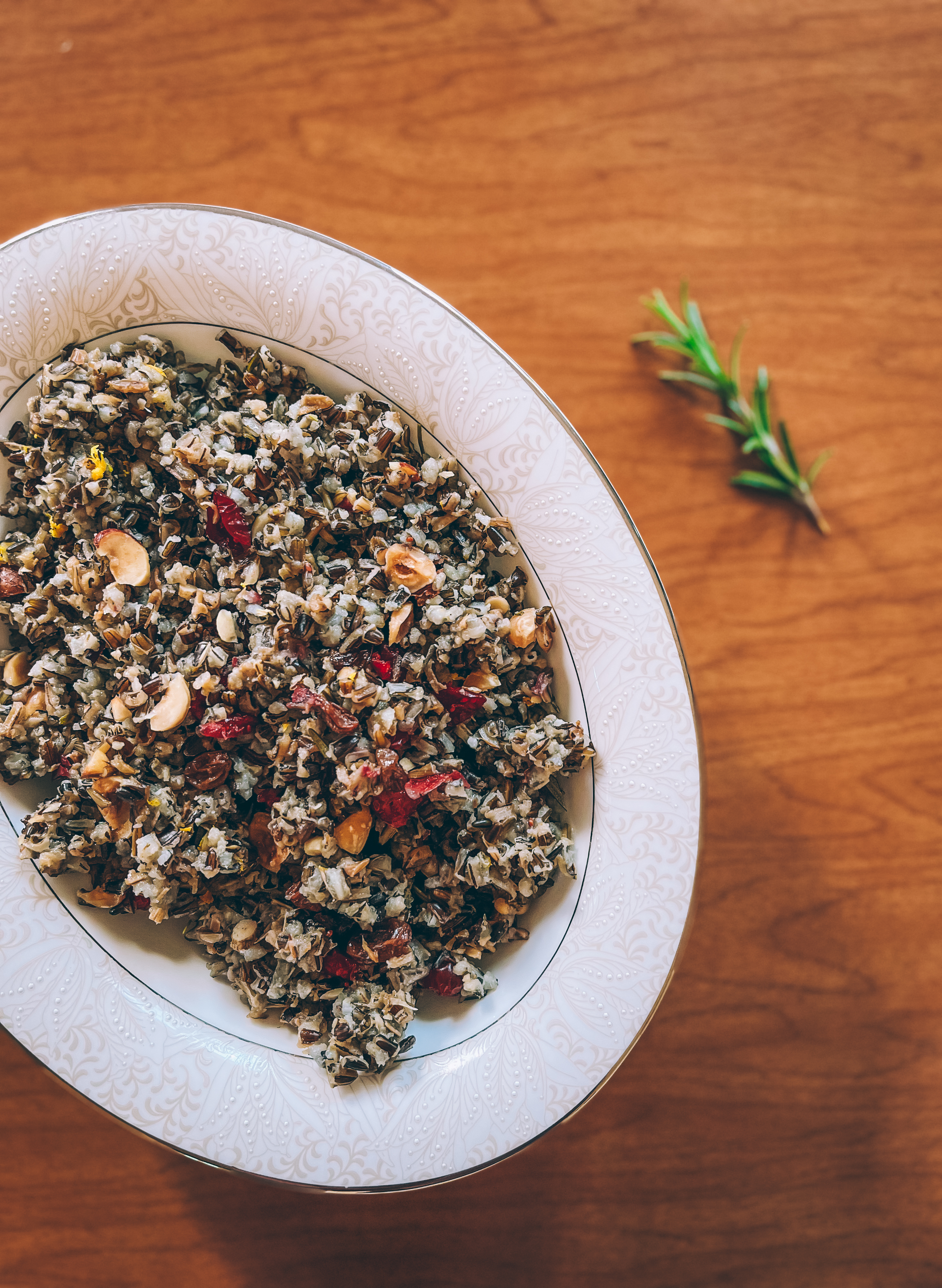
Wild Rice Stuffing with Rosemary, Hazelnuts + Astragalus
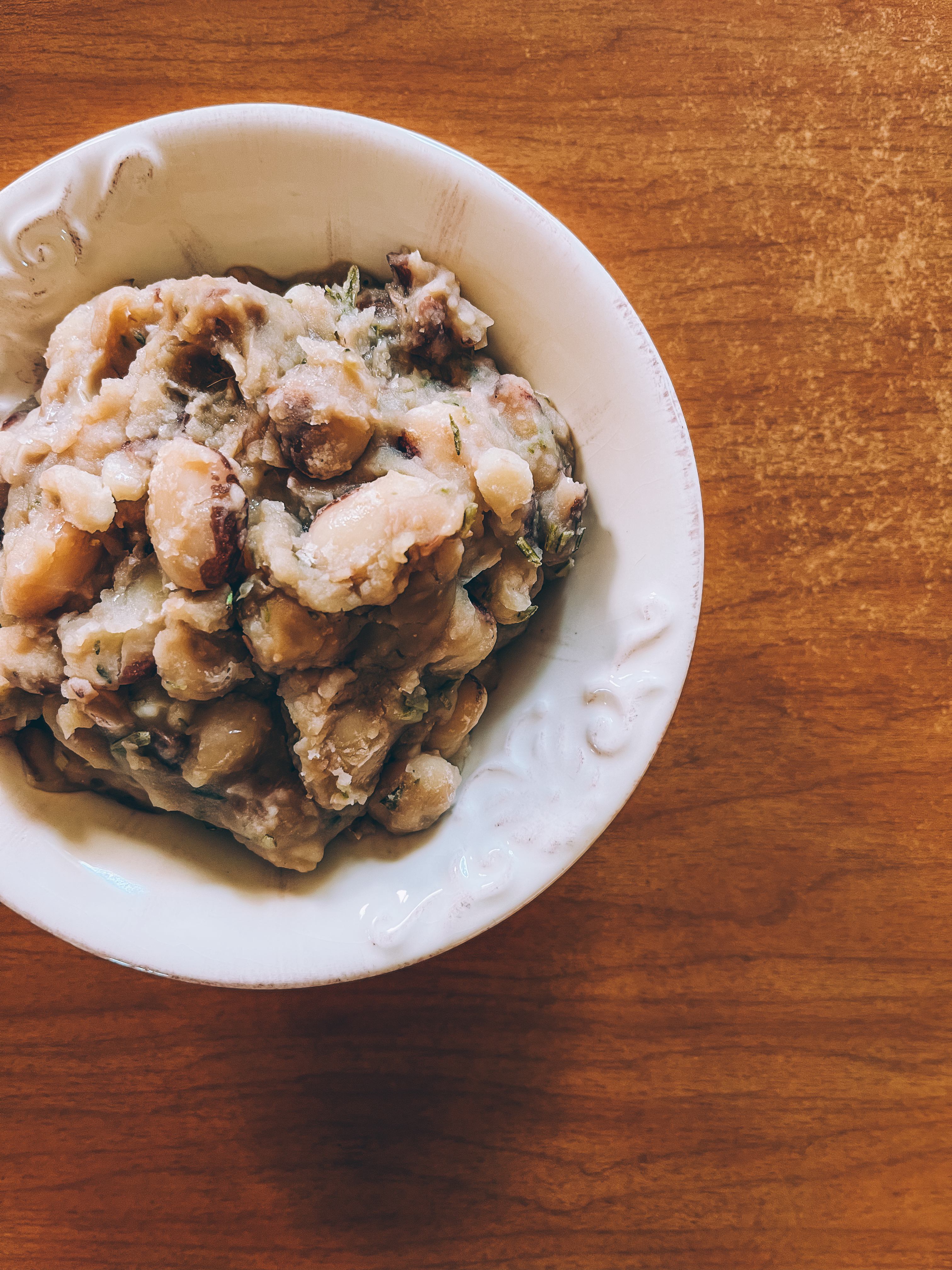
Long-Cooked Creamy White Beans with Rosemary + Thyme
Sage-Roasted Buttercup or Butternut Winter Squash
Holiday Braised Cabbage

Other savory ideas:
Broccoli Rice Bake
Roasted Vegetables with Autumn Roots + Mushrooms
Simple Sourdough Stuffing {Gluten-Free}
Persimmon + Grains with Moroccan Seasoning
For the Joy Salad
Delicata Squash, Rosemary + Cranberry Flatbread
Mushroom, Butternut + Butterbean Stew

Sweet //
Apple Pie with a Fabulous Gluten + Dairy-Free Pastry
Pumpkin Pie
Boysenberry or Blackberry Pie
Holiday Cinnamon Rolls {gluten-free, dairy-free}
Oatmeal Persimmon Hazelnut Cookies
Oat + Almond Chocolate Date Cookies
Pumpkin Chocolate Chip Cookies
Neah’s Apple Loaf Cake
Pumpkin Ginger Bran Muffins

Further Menu Suggestions: If you’d like some other ideas, check out previous holiday recipe and menu’s I’ve shared over the years or check out the Recipe Index in general for even more suggestions!
2021
2020
2019

Wild Rice Stuffing with Rosemary, Hazelnuts, and Astragalus

Astragalus is an excellent qi tonic in Traditional Chinese Medicine. It is warming, drying, and slightly sweet in an earthy, rooty way. Medicinally, it can be useful for conditions which are cold in nature, when your energy is depleted, and if  you are suffering from chronic fatigue. Used over time, it can strengthen and enhance immunity. As an ingredient addition, the amount used here is not medicinal, or at least it’s not medicinal if used as an ingredient only randomly. If you do not have access to it, it’s okay to leave it out. See the notes below for where to source.

Prep:  4-8 hours  | Cook: 1 hour  | Serves: 4

Wild Rice:
1 cup wild rice, ideally soaked in water for 4-8 hours
⅛ tsp. mineral salt
½ Tbs. astragalus root pieces or 2 slices astragalus root (see Notes)
2 sprigs fresh rosemary, destemmed and minced
2 ½ – 3 cups water

Add-Ins:
2-4 Tbs. raisins
2-4 Tbs. dried cranberries
⅓ cup roasted hazelnuts, chopped
½ Tbs. balsamic vinegar
1 tsp. fresh orange zest

  • Drain the soaked wild rice in a fine-mesh strainer and rinse it briefly. 
  • Then in a medium pot, add the salt, astragalus pieces, and fresh minced rosemary, along with the water and rice. Bring to a boil, then turn down to a simmer, cover and cook for 45-50 minutes. When it’s done, take off the heat, fluff slightly and leave the top off a little to allow it to cool slightly. 
  • In a serving dish or platter, gently mix together the wild rice, raisins and cranberries, chopped hazelnuts, and balsamic vinegar. With a micro-grater, grate a small amount of fresh orange peel over the top, and then gently mix that in too. You don’t want to overdo the orange – just add an additional lively seasonal topnote to round out the dish. 
  • Serve warm or at room temperature. While this “stuffing” is not used to stuff anything, you can also make it just as written and then use it as actual stuffing if you are making a holiday roast (turkey, etc.) or to stuff and bake a pumpkin, squash or other large vegetable.

Notes: Astragalus root can be purchased in many well-stocked herb or natural food stores in the bulk section, or online from trusted retailers. Mountain Rose Herbs is an excellent source. 

Sage-Roasted Buttercup or Butternut Squash 

A simple and delicious side dish that can be added to any number of fall and winter meals, whether it’s for a feast day meal, or for a simple weeknight. 

Prep:  15 minutes  | Cook: 30 minutes  | Serves: 4-6

1 medium (~1 – 1 ½ lb.) buttercup or butternut squash
¼ tsp. mineral salt
Pinch of black pepper
6-8 fresh sage leaves, minced
2-3 tsp. olive oil
water to cover

  • Preheat your oven to 425 degrees F, and prep a large baking pan by lining it with parchment paper.
  • Split the squash in half, then take out the seeds. Slice the two halves into medium-long slices, and lay them on the baking pan in a single layer. 
  • Sprinkle over the minced sage, salt, and black pepper. With your hands or a mixing spoon, stir the squash so the seasonings are dispersed. Then add a little water to the bottom of the pan so it comes up to about ¼ – ⅓ of the way up the sides of the squash pieces.
  • Roast in the oven for 25-35 minutes, or until the squash is totally soft when pierced with a fork. The water should all be absorbed and baked off. 
  • When the squash comes out of the oven, drizzle over a little olive oil and transfer to a serving platter, or atop the wild rice stuffing. 

Notes:
– Buttercup (shown in the photos) is a different, smaller variety of winter squash than butternut. It is lovely – if you find it at your local market, try it out. The flesh is a little more yellow and slightly less dense than butternut squash.
– Wait to add olive oil until the vegetables have been removed from the oven and are cooked. High quality olive oil is extremely rich in antioxidants and phytochemicals – but they are sensitive to high heat and will turn toxic and inflammatory to the body when oxidized. Think of extra virgin olive oil as an olive smoothie. You wouldn’t roast your green smoothie, would you? 

Creamy White Beans with Rosemary + Thyme

It is very common for many people to not tolerate beans and lentils – either any/all beans and lentils or the types that are larger, thicker-skinned, and more difficult to digest. This is often the case when digestion is compromised. Instead of eliminating these nutrient-packed foods from the diet and decreasing diversity, many people will find they can actually tolerate them when cooked with spices/seasonings that aid in digestion. Adding herbs and spices is beneficial for digestion of most meals. In most cultures, the foundational reason that spices are added is for digestion and absorption first, and for taste as a secondary bonus. These white beans are cooked until creamy and soft; their texture is lovely, flavor delicious, and they are easier to digest too!

Prep:  8+ hours  | Cook: 2 hours  | Serves: 4-5

1 cup dry cannellini, flageolet or similar white beans, soaked for at least 8 hours
½ tsp. mineral salt
2-3 sprigs of fresh thyme or about 1 tsp. dried thyme
1-2 sprigs of fresh rosemary leaves, finely minced
Pinch of fenugreek seeds
water to cover

  • Add the soaked and drained beans to a medium saucepan along with the salt, herbs, fenugreek, and enough water to cover by a couple inches. Bring to a medium-high heat and bring to a boil. Then turn down to a medium-simmer and partially cover. Cook for about 2 hours, until the beans are soft and beginning to break apart easily on their own, or when lightly pressed. 

Notes: Fenugreek can be found in the bulk spice aisle at many natural food stores, or at Banyan Botanicals or Pure Indian Foods

Holiday Braised Cabbage

Cabbage cooked simply has a subtle natural sweetness that comes through. It rarely looks show-stopping, but as a bitter / extractive vegetable, it’s quite the quiet powerhouse. Use any type of cabbage here, from bright red/purple, crinkly savoy, or your standard green variety.

Prep:  5 minutes  | Cook: 20-30 minutes  | Serves: 4

1-2 tsp. olive oil
¼ tsp. mineral salt
½ tsp. fennel seeds
¼ tsp. black cumin / kalonji / nigella seeds (see note)
1 medium cabbage, thinly sliced
1/2 cup water

  • Heat the oil in a large skillet over medium heat. Then add the salt, and seeds and warm until they start to develop an aroma. 
  • Turn up the heat slightly and stir in the sliced cabbage, along with the water. When the water begins to simmer, lower the heat, cover the pan, and simmer over low heat for about 20-30 minutes, or until the cabbage is very tender. Check and stir the cabbage a few times while cooking and add a little more water if it begins to dry out or starts to stick. When it’s done cooking, you don’t want any water left in the bottom of the pan, but you don’t want it to be dry either. 
  • Enjoy as a simple, tasty side dish.

Notes:
Black cumin (also called black seed) is warming and an excellent addition for digestion. If you cannot locate it, add a pinch of brown mustard seeds instead.

“Healthy” versus Healthy For YOU

Is this kale salad healthy? Yes.
Is it healthy for YOU? That’s individual.

Eating Right For You

A common Ayurvedic proverb states that “When diet is wrong, medicine is of no use. When diet is correct, medicine is of no need.

Ayurveda is often considered the mother of medicine, and the oldest medical system in the world. Regardless of whether that is entirely true, Ayurveda is a traditional medical system originating in modern day India. Traditional Medical Systems, including Ayurveda, Traditional Chinese Medicine, Western Herbalism and others, use energetics of foods, herbs, and your body to arrive at balanced and optimal health in your whole self. Meaning mind and body (and soul).

The Why: Energetics Explained

Energetics means the quality that is present in the environment, your body, or the ingredient, and the effect it has on whoever is being exposed to it. The most basic energetics to work with are hot, cold, (and thus heating or cooling), and wet, dry (and thus moistening/dampening, or drying).

In most places in the northern hemisphere, the energetics of the environment make fairly big shifts with the seasons. Late winter and early spring tend to be cool or cold, and wet or damp, summer, depending on where you are located, is often hot and dry, or hot and humid (damp). Etc.

When we’re using a food as medicine approach, the best way to achieve balanced and optimal health is by eating in a way that has the opposite quality of the body or of the seasonal environment that we’re a part of – eating in this opposite approach then provides balance for the body to be at, or return to equilibrium, where health occurs.

So in the hot, dry weeks of high summer (where I live), we can return to balance by eating meals that are cooler and more wet/soupy/moist.


An example is sipping on a cucumber infused water (cooling, moist) on a hot summer’s day, or having a mildly spiced coconut-based curry (cooling, moist, easy to digest) instead of pungent and spicy carne asada tacos (heating/pungent) on corn tortillas (drying) with tomato and jalapeño-based salsa (heating/pungent). 

Likewise, using energetics to determine the right food for you vs. what’s considered “healthy,” means tuning in to your own symptoms. 

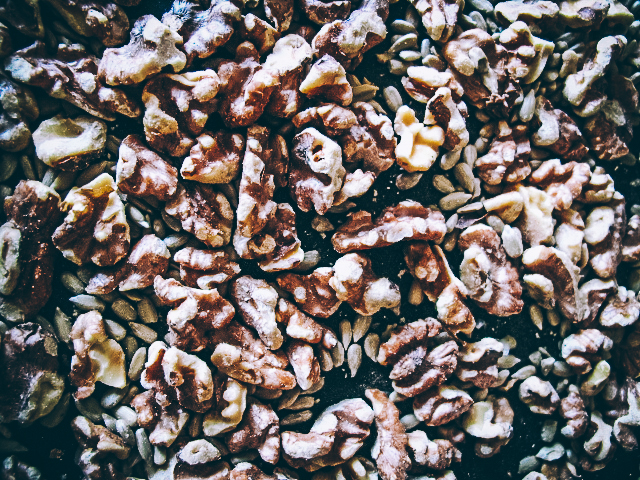
an example of cold + dry: raw walnuts

Energetics of Your Body

In addition to eating in tune with the weather outside, or the season, it’s equally and sometimes more important, to adjust meals to what’s going on in you. 

Do you tend to be a hot and dry person? Or how about cold and dry? Warm and wet? Or cool and wet? 

Dry symptoms include: having dry skin, hair, scalp, or digestion by way of constipation (either not having a bowel movement daily, or small, dry, difficult to pass bowel movements), having gas, bloating, and achy, popping joints. 

Wet symptoms include: a wet, phlegmy cough, mucous, sluggish digestion, or feeling like food just sits in your GI and smolders after eating, fungal overgrowth, a heavy coating on the tongue, swelling in the lower legs or hands, retaining water, excess weight gain that you just can’t lose. 

Hot symptoms include:  rashes, hives, skin flare-ups, having a hot temper, reflux, heartburn, feeling consistently frustrated or easily angry, night sweats, excess sweating, inflammation, feeling overheated

Cold symptoms include: circulatory constriction, feeling routinely cold, experiencing cold hands and feet, poor digestion or need to take supplements to properly absorb food and meals, feeling emotionally heavy, depressed, or sad, lack of motivation, and fatigue

From those lists, you can probably determine how you feel generally, or from day to day. Eating foods that have the opposite energetics to what you’ve experiencing can be extremely helpful. 

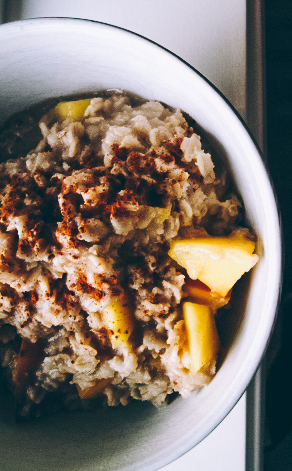
Oatmeal with cinnamon, stewed peaches and tahini

An Example of How to Shift Preparation of a Meal

Let’s take a look at an example of a simple shift at breakfast time. 

Say you’re experiencing lots of dry symptoms (dry skin and hair, constipation, extra gassy, and bloating, as well as popping joints). And you also have poor circulation in your hands and feet, and generally run cooler. Your current energetics are cold and dry.

Instead of eating your routine breakfast of dry muesli and chopped nuts mixed in with cold yogurt and raw fruit, a more balanced and “good for you” breakfast with similar ingredients is a cooked oatmeal (or cooked muesli), with the fruit stewed or cooked in, and some warming spices added – spices such as cinnamon, nutmeg, ginger, allspice, or a sprinkle of cloves. And if you’re consistently experiencing constipation, gas and bloating, leave out the cold, dry nuts for a few weeks. Instead, a simple shift is to cook the oatmeal with a spoonful of ghee or sesame oil to provide moisture, warmth, and an easy to digest fat source while you’re returning your system to balance. 

Summary

The simplest way to describe the process of choosing what to eat and how to prepare meals based on energetics is that like attracts like and opposites provide balance.

What often confuses or sidetracks people is that when we’re out of balance, we tend to crave what makes us even more imbalanced. It’s the like attracts like part of that statement above. And, it can be easy to confuse intuitive eating and eating based on our cravings.

Next Steps

If this topic is intriguing to you, check out another article I wrote on the topic, regarding seasonal eating during late winter and spring. That article gives several spice options for adding more gentle heat to meals, and helping out your digestion.

Within my nutrition practice, I specialize in endurance athletes and digestive imbalances. If you routinely struggle with any of the above symptoms,  I encourage you to reach out to me for more personalized support.