Blog

Field Notes, July 7th, 2024

Throughout pregnancy, I kept a personal journal on my computer of periodic “field notes” where I captured meals I was enjoying, what was happening in my running and garden life, and then some updates of pregnancy journey. After having baby (who arrived May 3rd), I’ve 1) completely lost all free time and 2) slowly started to get little snippets back. With that I’m inching towards writing more as the urge to write and stretch my creative muscles keeps coming to me. To start, in lieu of something more comprehensive, here’s a little list of what I’ve been enjoying lately.

Reading

Enjoying

  • This Moroccan Salad from Run Fast. Eat Slow: I change it up a bit with quinoa instead of couscous, and use half the dressing. Super yum!
  • Salad Sandwich.
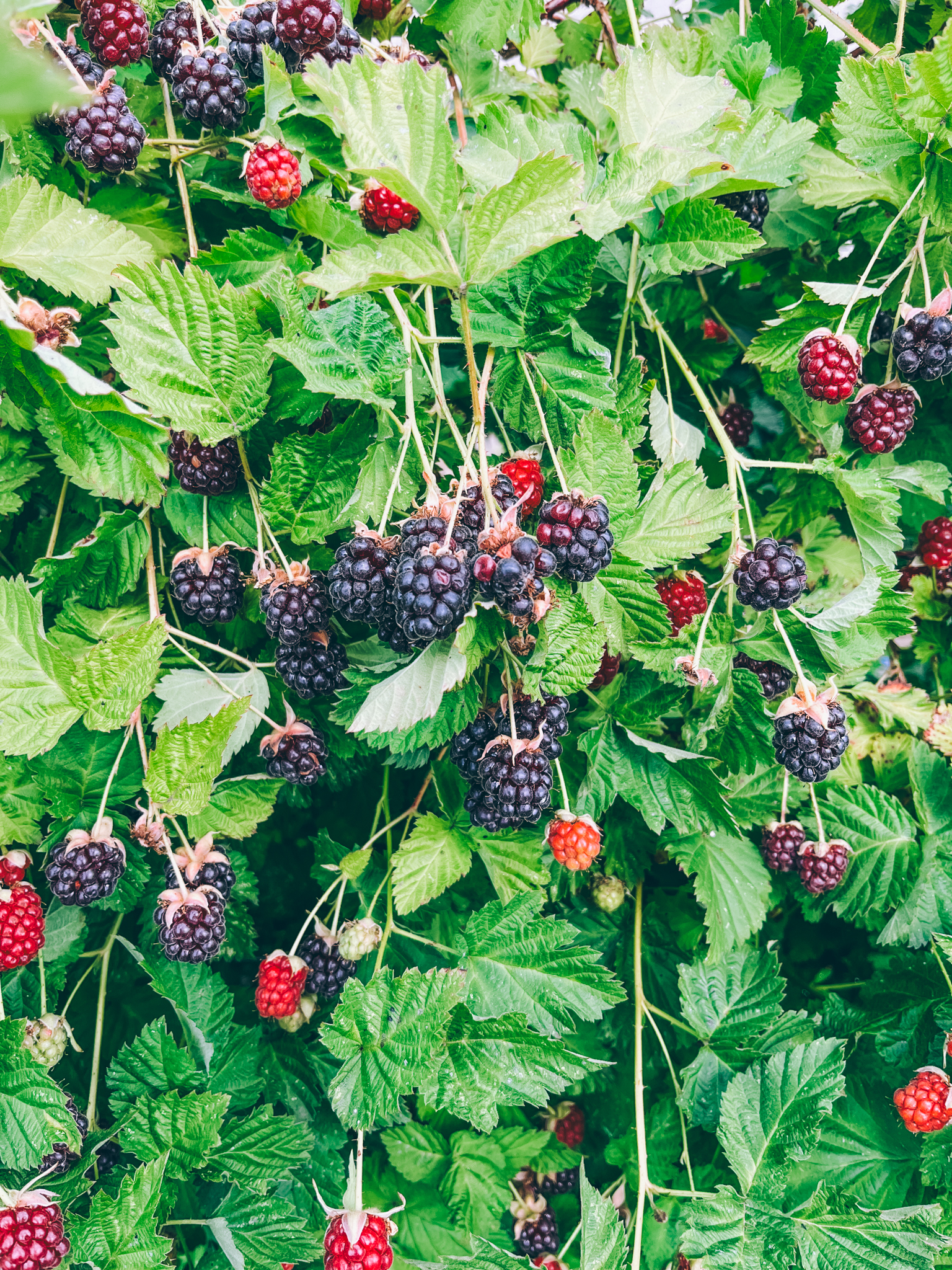
  • Boysenberries from our bush dripping off the vine, on their own, in morning oatmeal, and Boysenberry Pie. (I use my now go-to pie crust. So flaky and perfect every time).
  • Le Tour de France – the American commentators not so much (IYKYK).
  • I love all things Wild Carrot Herbals, which hails from near-ish to my hometown. Currently into the Cocoa Ginger Body Butter.

Nutrition and Food/Cooking Questions

  • What is your go-to “I don’t feel like cooking but don’t want to eat junk food meal”?
    I’m currently a big fan of one-pot kitchari, or a simple dal with a quick pot of rice. And also simple beans and greens on toast or eggs, greens, and toast. In an extremely don’t feel like making anything mood, I make oatmeal. But realistically, I always realize that 30-ish minutes of (mostly hands-off) cooking takes just as much effort as deciding what I want, and then ordering and driving to pick up take out.
  • Which supplements do you recommend for when you’re pregnant or breastfeeding?
    I prefer to just talk about nutrients and foods. Focus on lots of whole foods and balanced meals (protein, fat, whole grains, half your plate is vegetables). Eat to your hunger and don’t worry too much about calories or the number on the scale (unless your health practitioner makes it an issue or baby’s health is in question).
    Then prioritize protein, iron, B vitamins, and choline (which is in the B vitamin family). Along with omega-3s (DHA and EPA), calcium, zinc, vitamin E, and iodine. Those all go for when breastfeeding, and there, vitamin A should be a focus too. So again, the best choice is to eat a balanced and diverse diet that is digested well. Late in pregnancy baby will be really pulling out a lot of your iron and magnesium, so foods that are high in those nutrients are helpful. In third trimester and postpartum, choline needs go up even higher. Choline is difficult to get completely from diet alone unless you are eating A LOT of eggs. It’s not even in many pre-natal supplements. And realistically the pre-natal supplement scene is a bit of the wild west. Some are complete garbage and barely help with any of your needs, and some are really high quality and hit nearly everything needed, in the correct amount and most easily absorbable form for each vitamin or mineral.
    The last thing I’ll say about this is there is a difference between what you’re ingesting (via food or supplements) and what you’re absorbing. As a clinician, I like to perform micronutrient tests that provide both serum and cellular levels of the whole spectrum of micronutrients. This type of test allows me to see hard data on whether you’re getting enough of a nutrient via food or supplement as well as whether you’re actually absorbing it into your cells. This matters so much.

Until next time (hopefully soon) ~ Rebecca

p.s. if you have nutrition or cooking questions, you’d like to submit, enter them in the comments, or submit via the contact form.
If you’d like to sign up for my periodic newsletter, you can do so here.
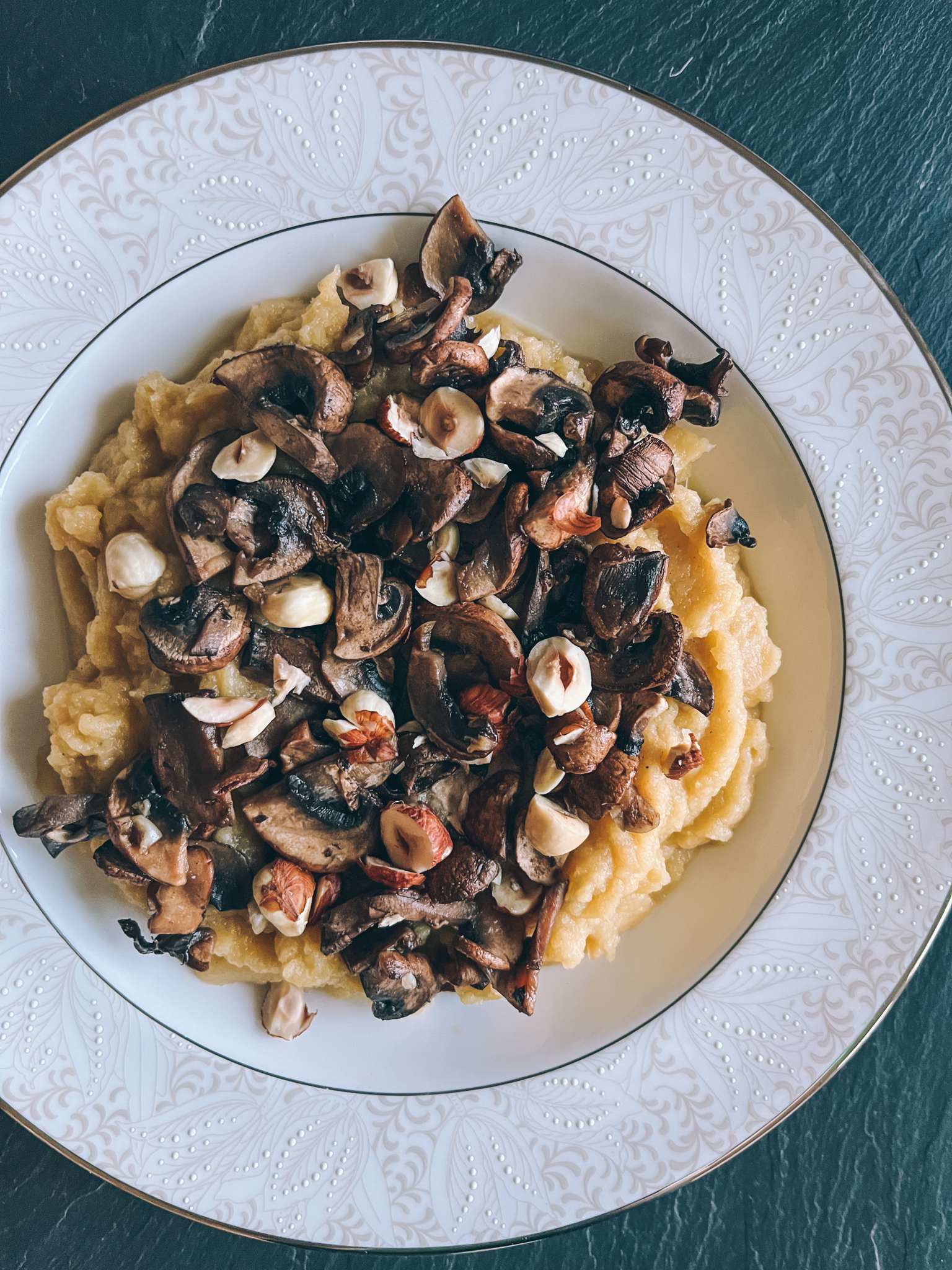
Creamy Rutabaga (Swede) Mash with Mushrooms, Sage + Hazelnuts

For the past couple months, I’ve been cooking and taking a lot of inspiration from Gill Meller’s Root, Stem, Leaf, Flower cookbook. I say “cooking” but I rarely cook the recipes as written. Instead, I’ve learned my own energetics and the energetics of the season, and I adjust ingredients and amounts accordingly. Or the recipe technique doesn’t seem quite what I’m looking for and I adjust it somehow.

This is the type of cooking and eating that is the goal for all the individuals I work with in the nutrition clinic, but admittedly, it can take a long time to get there when one’s intuition is overwhelmed by inflammation, chronic pain, nutrition and food confusion, etc.

But back to the cookbook – Root, Stem, Leaf, Flower has been my favorite inspiration to cook from for the past few years. It’s hyper seasonal with produce common of the climate I live in, exceptionally British (meaning the seasonings and ingredients are very much of the region), and uses simple high quality ingredients in often novel and creative ways. The ingredient lists tend to be short and don’t require much beyond the produce and pantry staples at hand.

This creamy rutabaga mash with mushrooms is one such example of inspiration I took from Gill Meller last year. I first shared and published this recipe locally with a farming and food organization that I served on the board of for the last few years, the Willamette Farm & Food Coalition (WFFC).

Each year, WFFC publishes what is called the Locally Grown Guide, a printed and online directory of all the local food resources: farms, farm stands, CSA’s, grocery stores that stock local, and the like. This recipe first appeared in the 2023 edition of the Locally Grown Guide, but since we’re gearing up for a 2024 release (with new inspiration within the pages), I want to share the recipe here.

Plus this combo of creamy mashed rutabagas (also called Swede), mushrooms, sage and hazelnuts is incredibly tasty. It’s a true comfort dish using local–to Western Oregon as well as the UK–fall and winter ingredients. And it’s a good one for mid to late winter, when our ideas for novel and healthful (and seasonal) eating tend to wear out.

As you’ll see, this recipe is either a side-dish or a meatless “main component,” and it will need a protein on the side to balance out the meal. Even though many vegetarians tend to recommend mushrooms as an alternative to a protein source (and they do contain some protein), I don’t recommend just eating this on it’s own–most individuals will benefit from 20 to 35 grams of protein for main meals during the day–so pair it with a side of sauteed or baked tempeh, stewed and sage-ey garbanzos, or your choice of animal-based protein on the side. Another option is to pair it with a simple and delicious pot of lentils.

P.S. Lentils have been my often go-to the last few months. If you follow me on Instagram or read my newsletter, you’ll know why I’ve had them on repeat. :)

Creamy Rutabaga Mash with Mushrooms, Sage + Hazelnuts
inspired and adapted from Root Stem Leaf Flower by Gill Meller

Prep:  10-15 minutes  | Cook: 40 minutes  | Serves: 4

1 large ~ 1 ½ lb. (600 gr) rutabaga, peeled and chopped
1 Tbs. ghee or butter
8-12 fresh sage leaves
½ tsp. mineral salt, divided
⅛ tsp. ground black pepper
1 Tbs. olive oil or ghee
2 garlic cloves, minced
1 pound (450 gr) mushrooms, thickly sliced
A small handful of toasted hazelnuts, roughly chopped

  1. Place the chopped rutabaga in a medium pot and cover with water. Bring to a boil, then turn down to a simmer and cook for 25-35 minutes, until the pieces are completely soft when pierced.
  2. Drain the rutabaga with a colander, then transfer to a food processor or a blender. Add the butter or ghee, ¼ tsp. salt, about four small sage leaves, and black pepper. Puree until smooth, adding a splash of water if it is too dry. Set aside and keep warm. 
  3. Mince the remaining sage leaves. 
  4. Then heat the remaining olive oil or ghee in a large saute pan and bring to medium-high heat. Add the sliced mushrooms. remaining ¼ tsp. salt, minced sage leaves, and garlic. Cook the mushrooms for about 6-8 minutes, until they are tender, dark, and the moisture has cooked off. Then stir in the chopped hazelnuts and give it all a good stir. 
  5. To serve, spoon the rutabaga puree onto plates and top with the mushroom and hazelnut mixture. 

Notes:
– Rutabagas, which are also called swede in some countries, are truly underrated but you can swap them out for nearly any other root vegetable for a variation.
– Rutabaga belongs to the same family as broccoli and has compounds called glucosinolates, which can help with liver detoxification and can help
prevent conditions like heart disease and cancer. Hint: it looks like a large turnip but the interior flesh is more yellow.

Training the Gut for Athletic Activity Part II: Fueling During Activity

The author fueling on the run, Oct. 2023
I recently shared a primer on training the gut and fueling during exercise in Part I of this training the gut and fueling athletic activities series. This is a both a performance as well as digestive health topic that’s pertinent to endurance athletes, and particularly runners. As many athletes are beginning their early season race training, it’s a good time to start practicing and dialing in nutrition, because it will significantly impact performance for the months going forward.

Last time in part I, we laid the groundwork for what training the gut is and why it is important, as well as a brief discussion on under-fueling, both during exercise and throughout the day, and its consequences.

Today, we’ll delve a little deeper into how much fuel you should be consuming during exercise, and what factors might affect how much and what type of additional nutrition you take on while moving.

How much to Fuel During Exercise

You may have read that elite athletes such as professional cyclists on the world tour level are now aiming to ingest upwards of 120 g/h of carbohydrates. This is true and a showcase of what is occurring at the top end of performance fueling, as well as what’s needed to compete at an elite level. This is also what is most helpful for performance during intense ultra endurance events where athletes spend upwards of six hours on the bike, often at tempo or threshold efforts for much of that time.

For you, what’s important to remember is that your need for and rate of carbohydrate use depends largely on intensity. If you are exercising at a lower intensity, which is more common in many athletes and those doing longer races, you will likely need less carbohydrates. Similarly, how long you will be racing matters. A short but intense half marathon will require less carbohydrates per hour than a marathon that’s raced at similar but slightly lower intensity. That means instead of aiming for 120 grams per hour of carbohydrates, there is a large range depending on intensity and time, to the tune of 30-90+ grams of carbohydrate consumed per hour. 

So the answer as to “how much” will depend on your race distance, how long you’ll take to complete that distance, weather, and other factors such as your fuel tolerance, gut training, and practicality. 

You can find any number of articles on the internet giving specifics of how much you should fuel per hour during your particular goal distance. But these are broad numbers and aren’t specific to you. For specifics for your situation and performance goals, it is always best to work with a knowledgeable sports nutrition professional. See the end of this article for more information about individual consultations. 

The author fueling on the run, circa 2014.

What Types of Fuel During Exercise

Now, what about the choice of fuel you choose to consume during exercise? I’ve met many athletes that say they prefer “real food,” whether that’s a small handful of raisins, dates or dried apricots, a banana, homemade nut butter and fruit bars, a rice cake (popular in cycling), or even something like a peanut butter and jelly sandwich. 

On the flip side, there are ample sports nutrition products to choose from on the market–in many cases there are too many options–hence the confusion. There are “real food” gels, various sugar-containing gels, drinks and drink mixes, sport beans and candies, gummies and chews, and bars. 

What you choose to consume during exercise will depend on your goals, your tolerance and gut training, convenience, and other factors like personal preference. For instance, if you’re aiming for an Olympic Trials qualifying time in the marathon, you’re likely going to be choosing a quick-absorbing carbohydrate fuel that’s convenient like a sports drink or gel. 

If you’re training for a 100 mile ultra run, and your pace and intensity is much slower, you may opt away from gels altogether and make your own sweet potato and maple syrup packs, or even pack a PB&J, stop for a real meal at an aid station, etc.

And if you’re just out for a slow Sunday long run or ride, and you’re not currently gearing up for a target race, you might have a pocket full of dates, a banana, or a rice cake or homemade energy balls that contain both slower absorbing carbohydrates and perhaps some fat. 

Based on how much you will be fueling per hour, the types of sugar in your chosen fuel will also start to matter, as there will be a need for carbohydrates from both glucose and fructose to increase absorption and utilization, once you start to consume above 45 grams of carbohydrates per hour (Rowlands et al 2015). 

There is no right answer in terms of what fuel you choose–but there is a correct fuel for the purpose of that day, and for the amount of fuel you need for that day.

Fueling During Exercise and Its Effect on Digestion and the GI

Finally, let’s turn to the topic of fueling during exercise and how it affects both digestion and GI function more generally. 

From research studies, we see that: 

  • There is a greater reduction in markers of damage done to the lower GI –damage resulting in injury to the cells lining the small intestine and causing “leaky gut” or intestinal permeability, where larger molecules than ideal get through into the bloodstream and cause inflammation and symptoms–when athletes took in glucose compared to just water during two hours of running  (Martinez et al, 2023).
  • There are improvements in carbohydrate malabsorption after two weeks of gut training with carbohydrate from a supplement during exercise (as opposed to taking in no carbohydrates or in that particular study, taking in carbohydrates from “real food”.) 
  • There is a significant reduction in GI discomfort both during and after exercise in those that consume carbohydrates during exercise and have undergone gut training protocols.
  • Performance can be improved. From some field data from professional cycling teams, the higher the amount of carbohydrates that were taken per hour of exercise, the faster the finishing time of the athletes  (Viribay, 2022)
    • On this note, in a study of trained Mountain Trail Ultra runners consuming between 60 and 120 grams per hour of carbohydrate, there was a lower rate of perceived exertion when consuming 120 gr/hr CHO. 
    • Consuming the higher amount of carbohydrates during their race also lowered markers of muscle damage after the race for these athletes when compared to consuming lower amounts of carbohydrate. (Viribay et al, 2020)

So far in this series, we’ve shared about the dangers of under-fueling both during and outside of activity, the advantages of fueling and training the gut on both digestion and performance, a brief overview of how much and what type of fuels to consume, and the knowledge that for every person has unique variables to work with, so for best results, tailoring your fueling plan to your needs and race goals is best. In the coming weeks, I’m planning to continue this topic of fueling sports performance in more detail. Stay tuned!

Learn More

If you’d like to know more, I work with clients in individual nutrition consultations, and as a Licensed Dietician / Nutritionist and Certified Nutrition Specialist, use medical nutrition therapy, integrative health measures, and a root cause approach to heal imbalanced health conditions. 

Conditions I specialize in include all digestive health imbalances and disorders, endurance athlete sports nutrition, vegan/vegetarian diets, intuitive eating, and autoimmune diseases.

If you’d like to learn more about how you can improve your symptoms of imbalance, I’d love to speak with you in a quick phone consultation

References:

Martinez, I.G., Mika, A.S., et al. (2023). The effect of Gut-Training and Feeding-Challenge on Markers of Gastrointestinal Status in Response to Endurance Exercise: A Systematic Literature Review. Sports Medicine, 53, 1175-1200. doi:10.1007/s40279-023-01841-0.
Rowlands, D. S., Houltham, S., Musa-Veloso, K., Brown, F., Paulionis, L., & Bailey, D. (2015). Fructose-Glucose Composite Carbohydrates and Endurance Performance: Critical Review and Future Perspectives. Sports medicine (Auckland, N.Z.), 45(11), 1561–1576. https://doi.org/10.1007/s40279-015-0381-0
Viribay, A., Arribalzaga, S., Mielgo-Ayuso, J., Castañeda-Babarro, A., Seco-Calvo, J., & Urdampilleta, A. (2020). Effects of 120 g/h of Carbohydrates Intake during a Mountain Marathon on Exercise-Induced Muscle Damage in Elite Runners. Nutrients, 12(5), 1367. https://doi.org/10.3390/nu12051367
Viribay, A. (2022). “Training the gut in pro cycling and elite running.” WE Sports Nutrition Pre-Conference, 18 Oct. 2022.