Beet and Banana Pancakes

Pancakes.

A food I had a love/hate relationship with for many years. But after realizing they don’t have to be glorified breakfast cake or particularly even eaten at breakfast (which also isn’t my go-to), I’ve fully embraced pancakes in all the wonderful ways. 

This version is just about as whole-food as you can get, with oats, beets, banana, eggs, and not a lot else. These days, I tend to add on greens and maybe an additional egg to make pancake meals a balanced meal.

Hope you enjoy!

One more big / little thing

I’ve decided to share most of my recipes in my newsletter going forward this year, rather than publishing all of them here on the blog portion of the website. If you enjoy regularly receiving recipes from me as well as focused nutrition topics, I encourage you to sign up to receive my nutrition newsletter.

Beet Banana Pancakes, serves 2

Inspired by David of Green Kitchen Stories
Prep:  40-60 minutes to roast beets (can be done ahead) | Cook: 15  minutes 

2 eggs
1 banana, peeled
1 cup /100 gr rolled oats
2 – 4 Tbs. filtered water, or more as needed
⅛ tsp. salt
¼ tsp. baking powder
2 medium / 100 gr cooked beets
coconut oil or ghee for frying

To Serve:
1-2 tsp. olive oil
1-2 handfuls of greens
1 fried or scrambled egg, for each serving

  1. Prep ahead: Wash and halve the beets and wrap them in foil. Roast in a 400 degree F oven until soft, about 40 minutes. You can prepare more while you’re at for other meals or snacks. 
  2. To make Pancakes: Crack the eggs into a blender; add the banana, water, oats, salt and baking powder and blend until smooth. 
  3. Then pour into a bowl. Grate the cooked beets and add into the batter and stir through. 
  4. Heat a little oil in a sauté pan over medium-high heat. 
  5. Whisk the batter and thin it a little as needed, then pour in ⅓-½ cup amounts into the pan. Cook for about 1-2 minutes on each side. Repeat with the remaining batter. If planning to have some leftovers, reserve the unused batter, so you can cook and enjoy them fresh. 
  6. For the greens and eggs: Heat the remaining coconut oil, add a pinch of salt, and stir in the greens, and a splash of water if needed. Steam/sauté for a couple minutes until wilted. 
  7. Then fry or scramble one additional egg per serving
  8. Serve topped with a dollop of yogurt, molasses or applesauce, and with the fried egg and greens on the side. 
Simple Non-Dairy Hemp Seed Milk

Spurred on by the realization that I was contributing a lot of plastic to the landfill since they were no longer recyclable, I stopped buying cartons of non-dairy milk a couple years ago. When I stopped, I didn’t like the waste or the time it took to soak, blend, and filter nuts to make traditional homemade nut milk. So I began using raw nut butters, such as cashew, to make an easy DIY nut milk in a quick minute.

But in the last few months, I suddenly remembered another option that is arguably even easier and more accessible.

Hemp seeds!

Hemp seeds as a food product are often overlooked in the nut and seed category. But what they’ve got going for them is that they are highly digestible, especially compared to most other nuts and seeds. And they contain a truly optimal fatty acid profile, with a 3:1 ratio of omega 6 to omega 3 fatty acids (1). 

It’s important for us to eat a variety of fatty acid types from foods, but when it comes to the polyunsaturated fats which contain omega-6s and omega-3s, our modern diets tend to be less diverse and mainly have an abundance of omega-6s. 

The omega 6 fats are found in large amounts in soy, corn, safflower, sunflower and peanut oils, as well as sesame, sunflower, and pumpkin seeds, and nearly all nuts. 

In whole food form, omega 6 containing fats are healthy and essential, but need to be balanced with omega-3 fats such as freshly ground flax, chia, walnuts, hemp, and if you eat fish, wild caught cold-water fish such as salmon, halibut, anchovies, cod, and sardines. The ratio of omega 6 to omega 3’s should be under 5:1 to be considered anti-inflammatory and for most individuals, this ratio is at least 20:1 or more in the daily diet.  

If you have an inflammatory condition such as a chronic gut health imbalance, autoimmune conditions, arthritis of any type, and/or you are an otherwise healthy athlete looking to improve recovery between workouts, eating an optimal balance of omega 3s and 6s can be incredibly helpful.

Adding hemp seeds, and this simple hemp milk, can be another way to do this.

One other note about hemp seeds: try not to boil the hemp milk or the seeds – since they contain more heat-sensitive omega 3s, the oils will break down and oxidize – becoming inflammatory – at higher than medium heat. 

Simple Non-Dairy Hemp Seed Milk
Prep:  5 minutes   | Makes: 4 cups

3 Tbs. hemp seeds
4 cups water, divided

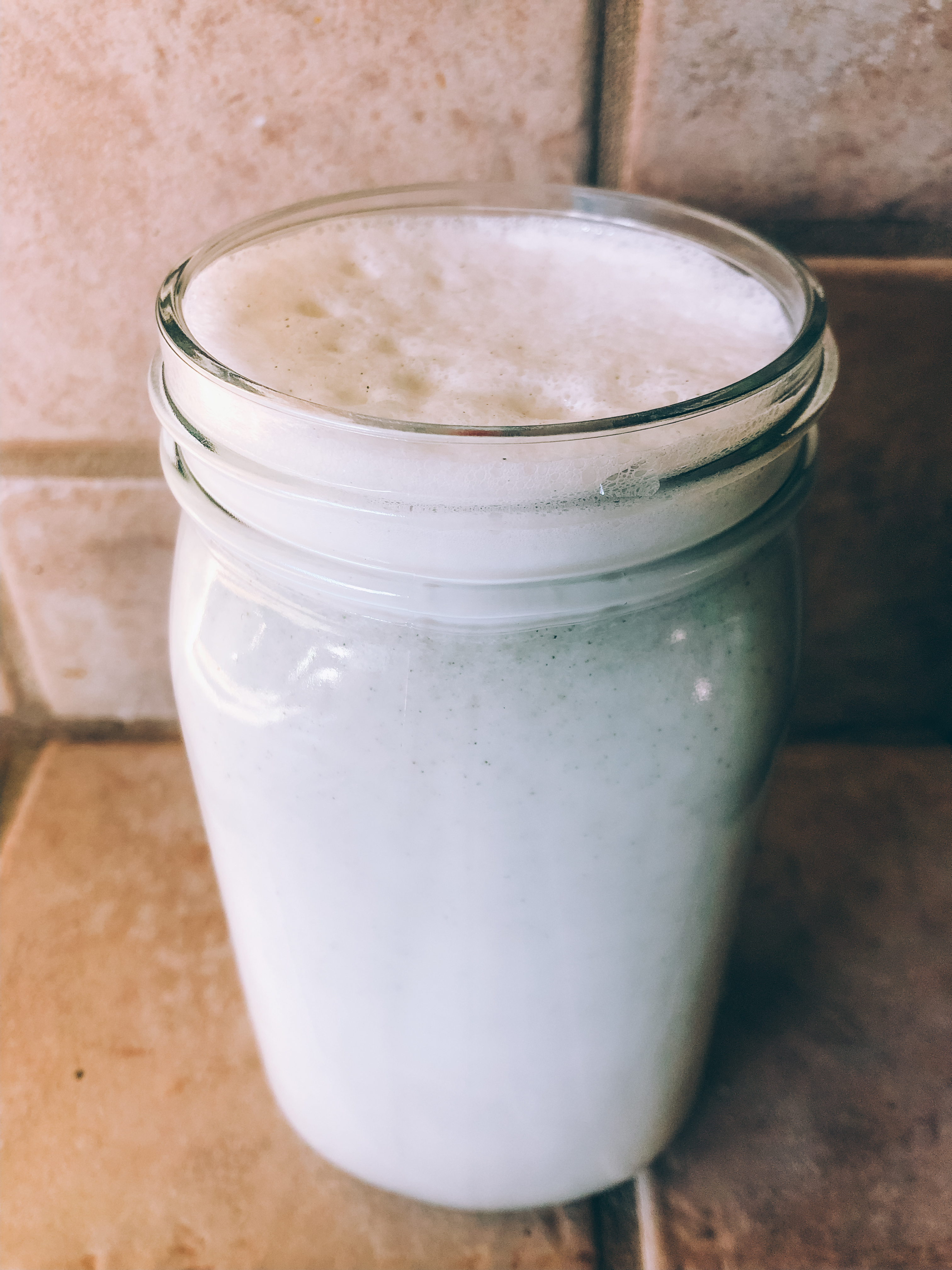
  1.  Combine hemp seeds and 2 cups of water in a high-speed blender until smooth, about 1 minute. Then add in the remaining 2 cups of water and gently blend for a few seconds more. Pour into a quart jar with a lid and store in the fridge until ready to use.

NOTES: For a slightly richer milk, you can bump up the hemp seeds to use ¼ cup instead of 3 tablespoons.
If you have an extra large blender, add all 4 cups of liquid and blend, rather than separate them. I have a smaller blender and prefer to give it a smaller ratio of seed to liquid to blend well.

Other Recipes that Feature Hemp Seeds:

References:
1. Da Porto, C., Decorti, D., and Tubaro, F. (2011). Fatty acid composition and oxidation stability of hemp (Cannabis sativa L.) seed oil extracted by supercritical carbon dioxide. Industrial Crops and Products, 36(1), 401–404. https://doi.org/10.1016/j.indcrop.2011.09.015

The Time That Healing Takes

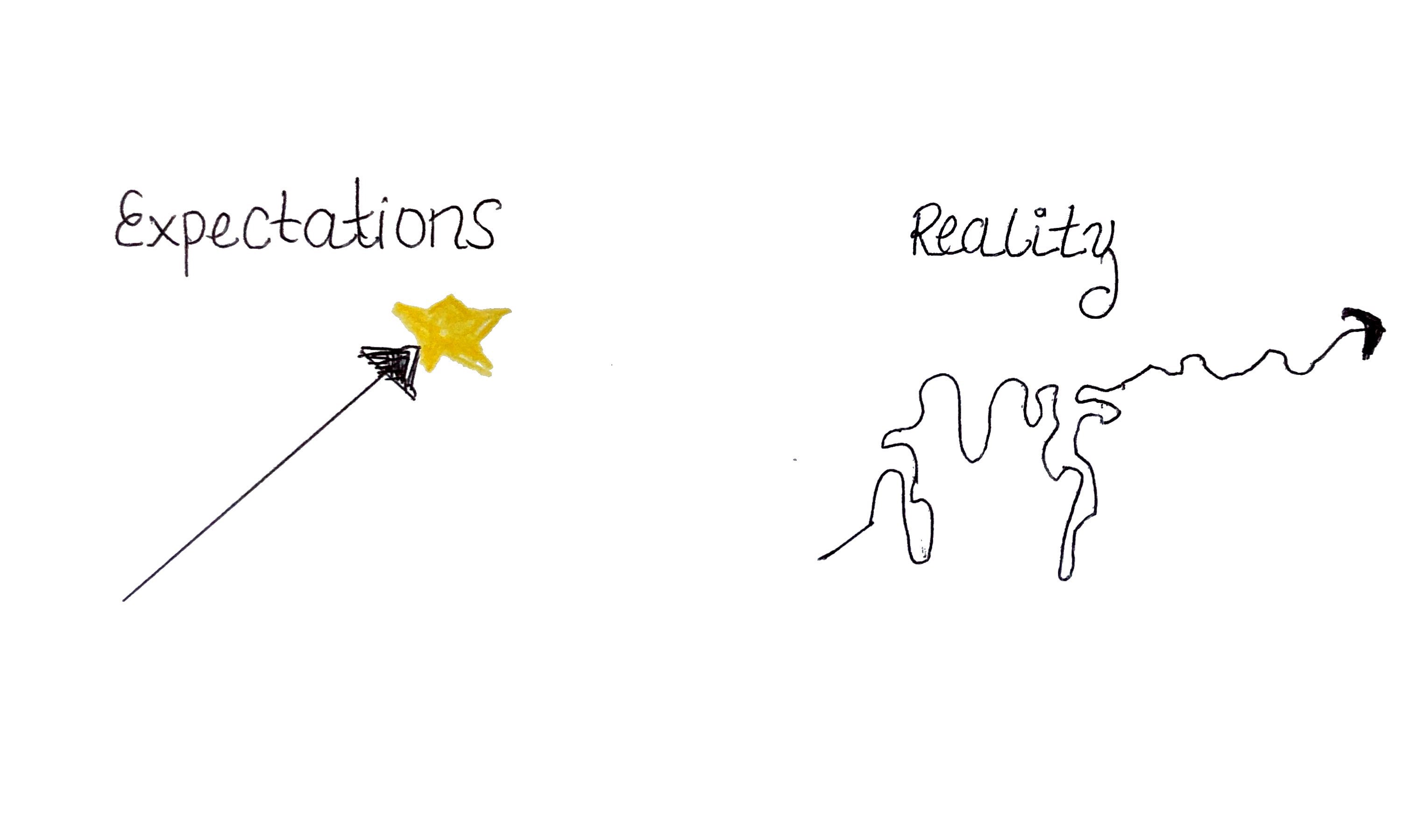
image drawn by the author

I’ve been having lots of conversations lately about the expectations we have for ourselves. We expect once we begin taking action to improve our health condition, that a shift to doing better will come quickly. 

We read books, or internet articles, or hear someone’s gospel-like miracle healing story, and we expect that for ourselves too.

And sometimes that’s the case. We feel substantially better almost immediately. 

But that’s not always the reality. 

In fact, if you listen to nearly any respected academic researcher or health practitioner, or expert in their field, they often stray away from miracle stories and black and white health panacea protocols. And they instead use language more along the lines of “…it depends” and “not one thing that helps but a combination of [diet and lifestyle] factors.” 

Healing Isn’t Linear

Rarely ever is healing, or improving in whatever goal we have for ourselves, linear.  One finite example, is that it takes at least five days for the lining of the gut to repair itself after it’s been damaged, and a full three to five weeks for a food that triggered the inflammatory process to fully leave the system.

So as we already switch our calendars over from the first month of the new year into the second, this is my gentle reminder to you. 

Go easy with yourself. 

Expect less linear lines and gold stars at the top, and more nuance, (adventure!), overcoming fear, stepping into the unknown, and learning more about yourself and your needs.

Something Practical

And for something practical to guide you, here’s a little practice to try: Ask yourself what you need today by really stopping what you’re doing and resting a moment in complete not-doing-or-thinking-ness. And then ask yourself, what do I need today to feel better? How can I care for myself better today? 

Our bodies are meant to heal themselves. Sometimes we have to mentally get out of our own way and give them care and time(!) to do so. 

Reach Out 

If nothing comes up for you in the reflective exercise above, or you’re ready for more nutritional guidance, I invite you to reach out to me for more personalized support on digestion, sports nutrition, or both.